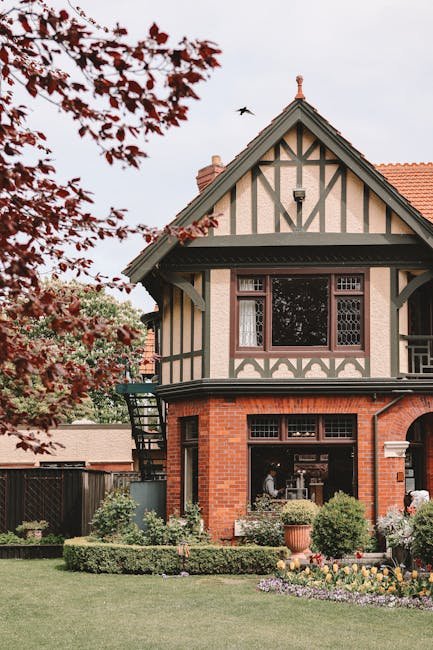
Have you ever admired those perfectly striped lawns that look like they belong on a sports field? If you want your yard to stand out with crisp, eye-catching patterns, knowing the best season for lawn striping is key.
The right timing can make your stripes sharper, your grass healthier, and your neighbors a little jealous. You’ll discover exactly when to stripe your lawn for the most stunning results all year round. Keep reading to transform your outdoor space into a masterpiece!
Lawn Striping Basics
Lawn stripingcreates a pattern on grass by bending blades in different directions. The sun reflects differently on bent grass, making stripes visible. This effect works best on healthy, thick lawns. Mowing in straight lines helps achieve sharp, clear stripes.
Good striping needs special toolsthat bend grass without harming it. Striping kits attach to lawn mowers. Rollers and brushes are common tools. Rollers press grass down, while brushes lift it up. Both create contrast and clear stripes.
- Striping kits:Attach to mowers to bend grass.
- Rollers:Press grass down for dark stripes.
- Brushes:Lift grass for light stripes.
- Sharp mower blades:Help cut cleanly for crisp lines.
Grass Types And Their Impact
Cool-season grassesgrow best in spring and fall. They stay green when temperatures are mild. These grasses include Kentucky bluegrass, fescue, and ryegrass. Their growth slows in hot summer months. Lawn striping looks best during their active growing season. Mowing cool-season grasses at the right height helps stripes show clearly. Too short or too long can hide the pattern.
Warm-season grassesthrive in summer heat. Common types are Bermuda, zoysia, and St. Augustine grass. They grow fastest in late spring through summer. Lawn striping is most visible then. In cooler months, these grasses may turn brown or go dormant. Striping in warm-season lawns works best during their growth peaks.
Ideal Weather Conditions
Ideal temperaturefor lawn striping is between 60°F and 75°F. Grass grows best in this range, allowing clear and sharp stripe patterns. Too hot weather can stress the grass, making stripes less visible. Cold temperatures slow grass growth, reducing stripe contrast.
Soil moisture plays a big role. The soil should be moist but not soggy. Wet soil can cause mower wheels to slip and ruin stripes. Dry soil can make the grass brittle and hard to bend. Light watering a day before striping helps achieve perfect moisture.
| Factor | Ideal Condition | Effect on Lawn Striping |
|---|---|---|
| Temperature | 60°F – 75°F | Enhances grass growth and stripe visibility |
| Soil Moisture | Moist, not soggy | Prevents wheel slippage, helps grass bend |
| Soil Type | Well-drained | Supports healthy grass and sharp stripes |

Credit: mowingrus.com
Seasonal Breakdown For Lawn Striping
Spring is a great time for lawn striping. The grass is growing fast. It’s fresh and soft, perfect for making stripes. Mow your lawn weekly to keep it neat. Water the grass regularly to keep it green. Use a striping kit to make the lines clear. Spring rain helps grass grow strong. This is the best time to experiment with patterns.
Summer can be hard for lawn striping. The sun is hot and strong. Grass can dry out quickly. Water in the early morning to avoid evaporation. Mow less often to protect the grass. Hot weather can make stripes fade. Keep your mower blades sharp for clean cuts. Pay attention to your lawn’s health.
Fall offers cool weather for striping. Grass grows slower but stays healthy. Leaves may cover the lawn, but they add nutrients. Rake leaves often to keep stripes visible. This season is great for trying new designs. Grass is less stressed in cooler temperatures. Your stripes will look bold and defined.
Winter is tough for lawn striping. Grass doesn’t grow much in the cold. Snow can cover the ground. Mowing is not needed often. Avoid heavy traffic on the lawn to prevent damage. Let the grass rest in winter. Plan for the next striping season. Your lawn will thank you in spring.
Maximizing Striping Effects
Lawn striping looks best during spring and early summer when grass grows thick and green. Cooler temperatures and regular rain help create sharp, clear stripes. Avoid hot, dry months to keep your lawn healthy and vibrant.
Mowing Techniques
Use a sharp mower blade to get clean cuts. Cut the grass at a medium height for clear stripes. Mow in straight lines, turning sharply at the ends. Alternate the direction each time you mow. This helps the grass grow evenly and shows stripe patterns better.
Maintenance Practices
- Water the lawn early in the morning to keep grass healthy.
- Fertilize regularly to promote strong, green growth.
- Remove weeds to avoid uneven stripes.
- Roll the lawn gently after mowing to enhance striping.
- Keep your mower clean to prevent damage to grass blades.
Common Mistakes To Avoid
Avoid mowing wet grass. It causes uneven stripes and damages the lawn. Let the grass dry before striping.
Do not cut grass too short. Short grass shows soil and looks patchy. Keep blades longer for best stripes.
Skipping regular mowing confuses the grass. Mow often to keep growth even and stripes clear.
Using the wrong mower direction hides stripe effects. Alternate directions with each mow for better contrast.
- Sharp mower blades give clean cuts and neat stripes.
- Rushing mowing leads to messy, uneven lines.
- Ignoring lawn health weakens grass and dulls stripes.
Expert Tips For Stunning Stripes
Best season for lawn stripingdepends on grass type and weather. Spring and early summer work well for cool-season grasses. Warm-season grasses show best stripes in late summer and early fall.
Grass needs to be healthy and growingfor clear stripes. Dry or dormant grass won’t stripe well. Mowing height matters too; keep blades longer for strong stripes.
- Water the lawn before striping to keep it fresh.
- Use a sharp mower roller for crisp lines.
- Stripe in different directions each time to avoid grass damage.
- Striping works best on flat, even lawns.

Credit: www.reddit.com
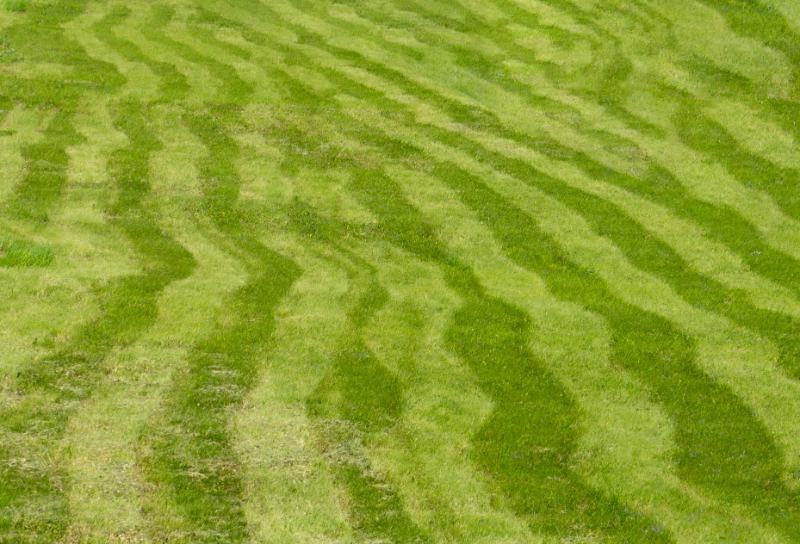
Credit: www.lawnstarter.com
Frequently Asked Questions
What Is Lawn Striping And Why Does It Matter?
Lawn striping is the practice of creating light and dark patterns on grass. It enhances your lawn’s aesthetic appeal. Striping makes your yard look professionally maintained and adds visual interest.
When Is The Best Season For Lawn Striping?
Spring and early summer are ideal for lawn striping. Grass grows actively, making stripes more visible and lasting longer. Avoid striping in dormant or stressed grass during extreme heat or cold.
How Does Grass Type Affect Lawn Striping Season?
Cool-season grasses stripe best in spring and fall. Warm-season grasses respond well to striping in late spring through summer. Knowing your grass type helps you choose the perfect striping time.
Can Lawn Striping Damage My Grass?
Proper lawn striping causes no harm if done carefully. Use a lawn roller or mower with a striping kit. Avoid striping on wet or stressed grass to prevent damage.
Conclusion
The best season for lawn striping depends on your grass type and climate. Spring and early summer often work well for most lawns. Grass grows actively, making stripes clear and bright. Avoid striping during extreme heat or drought. Regular mowing and care keep stripes looking fresh longer.
Try striping during steady growth for best results. Enjoy a striped lawn that adds beauty and style to your yard. Simple timing and care make all the difference.





