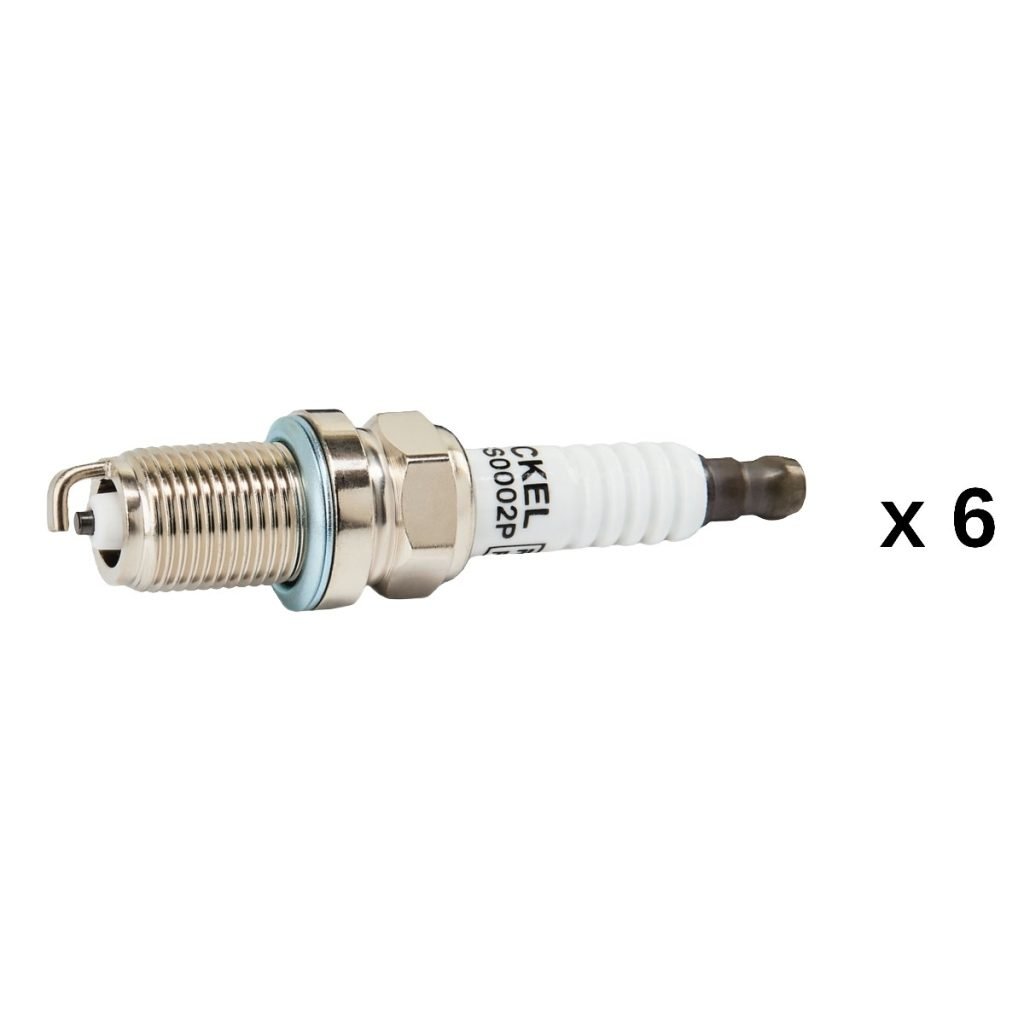
Are you restoring a classic 1965 VW Bug 1200, or maybe just trying to keep your vintage gem running smoothly? One of the key details you need to know is the spark plug gap.
This small measurement can make a big difference in how your engine performs. If it’s too wide or too narrow, you might face problems like misfiring or poor fuel efficiency. But don’t worry, we’ve got you covered. You’ll discover exactly what the spark plug gap is for your beloved Bug and why it matters so much.
Read on to ensure your car’s engine purrs like it did decades ago!

Credit: iknowdavehouse.medium.com
Spark Plug Gap Basics
The spark plug gap is a small but crucial part of your 1965 VW Bug 1200’s engine. It is the tiny space between the two electrodes of the spark plug. This gap helps create the spark needed to ignite the fuel-air mix inside the engine cylinders.
Setting the correct gap size is important. The gap affects how well the spark jumps across and how strong it is. A proper spark plug gap keeps the engine running smoothly and efficiently.
Role Of Spark Plug Gap
The spark plug gap controls the spark’s strength and timing. A too-small gap makes the spark weak, causing poor ignition. A too-large gap can stop the spark from jumping at all.
This gap ensures the spark lights up the fuel-air mix fully. It affects the combustion process directly. The right gap helps the engine start easily and run steadily.
Impact On Engine Performance
Incorrect spark plug gaps can cause several problems. The engine may misfire or run rough. Fuel consumption can increase, reducing efficiency.
Proper gap size improves power and smoothness. It helps lower emissions and keeps the engine healthy. Regularly checking and adjusting the gap keeps the VW Bug 1200 at its best.
Specifications For 1965 Vw Bug 1200
Understanding the spark plug gap on your 1965 VW Bug 1200 is essential for keeping the engine running smoothly. The right gap ensures efficient ignition and optimal engine performance. Let’s dive into the specific requirements that fit this classic car perfectly.
Recommended Gap Size
The ideal spark plug gap for the 1965 VW Bug 1200 is typically set at 0.025 inches (0.64 mm). This precise measurement helps maintain a strong spark, which is crucial for the air-fuel mixture to ignite properly.
If the gap is too wide, the spark might be weak or inconsistent, causing misfires. Too narrow, and the spark might not jump effectively, leading to poor combustion. Have you checked your gap recently? Even small changes can affect your engine’s performance.
Types Of Spark Plugs Suitable
The original equipment for the 1965 VW Bug 1200 usually calls for spark plugs with a specific heat range and thread size. Commonly recommended types include:
- NGK B7HS
- Champion N7YC
- Bosch W7DC
These plugs match the engine’s design, offering reliability and longevity. Using the right plug type prevents fouling and overheating issues. Have you noticed any changes in engine behavior after switching plug brands or types?
How To Measure The Gap
Measuring the spark plug gap on your 1965 VW Bug 1200 is a straightforward task that can greatly impact your car’s performance. The gap ensures the spark ignites the fuel-air mixture correctly. If it’s off, you might experience misfires or poor fuel efficiency.
Before you start, gather the right tools and understand the process clearly. This will save you time and prevent any damage to your spark plugs.
Tools Needed
- Feeler Gauge:This tool measures the exact gap size. A set with multiple thickness blades is best.
- Spark Plug Gap Tool:Also called a wire or coin-style gauge, it helps adjust the gap precisely.
- Clean Cloth:To wipe the spark plug clean before measuring, ensuring accurate results.
Using the right tools makes the process smoother and more accurate. Don’t rely on guesswork—precision matters here.
Step-by-step Measurement
- Start by cleaning the spark plug’s electrode with a cloth to remove any dirt or carbon buildup.
- Select a feeler gauge blade that matches the recommended gap for your VW Bug 1200, usually around 0.024 inches (0.6 mm).
- Gently slide the gauge between the center and ground electrode. It should fit snugly without forcing it.
- If the gauge is too tight or too loose, adjust the gap carefully with the spark plug gap tool until the feeler gauge slides through just right.
- Double-check the gap after adjustment to confirm accuracy.
Have you ever skipped this step and noticed your engine running rough? Proper gap measurement can be the difference between smooth starts and frustrating stalls. Take your time—it pays off.

Credit: www.ebay.com
Adjusting The Spark Plug Gap
Adjusting the spark plug gap on your 1965 VW Bug 1200 is a simple but crucial task. The right gap ensures that the spark ignites the air-fuel mixture efficiently, leading to smoother starts and better engine performance. If the gap is off, your engine may misfire, run rough, or waste fuel.
Techniques For Gap Adjustment
Start by checking the current gap with a spark plug gap tool or feeler gauge. These tools help you measure the distance between the center electrode and the ground electrode accurately.
If the gap is too small, gently widen it by carefully bending the ground electrode away from the center. If the gap is too wide, lightly tap the ground electrode on a hard surface to bring it closer.
- Use steady, small adjustments to avoid damaging the electrode.
- Double-check the gap after each adjustment to ensure precision.
- Refer to the VW Bug 1200 manual for the exact gap specification—usually around 0.6 to 0.7 mm.
Common Mistakes To Avoid
Avoid applying too much force when adjusting the gap; the electrodes are delicate and can break or weaken easily. Have you ever tried to force the electrode and ended up with a damaged spark plug? It’s frustrating and costly.
Don’t guess the gap size—always use a proper tool. Eyeballing it can lead to inconsistent results and engine issues later.
Lastly, never adjust a dirty or worn spark plug. Cleaning or replacing the plug first will save you time and improve your results.
Effects Of Incorrect Gap
Getting the spark plug gap right on your 1965 VW Bug 1200 is crucial for smooth engine performance. An incorrect gap can disrupt the ignition process, leading to various problems under the hood. Understanding the effects of an improper gap helps you diagnose issues and keep your classic Bug running strong.
Signs Of Too Wide A Gap
A spark plug gap that’s too wide can cause weak or inconsistent sparks. You might notice your engine misfiring or struggling to start, especially in cold weather. The wider gap requires more voltage to jump across, which can overwork the ignition coil and lead to premature wear.
Have you ever experienced hesitation or a rough idle while driving your VW Bug? That’s often a sign the gap is too wide. Fuel efficiency can drop too, because incomplete combustion wastes gasoline.
Signs Of Too Narrow A Gap
A gap that’s too narrow results in a weak spark that may not ignite the fuel-air mixture properly. This can cause sluggish acceleration and reduced engine power. You might also notice your engine running hotter than usual, which can shorten spark plug life.
Another sign is carbon buildup on the spark plug tip, which can foul the plug and cause repeated misfires. If your Bug feels less responsive and you haven’t checked the gap recently, it’s time to take a look.
Credit: modernautoparts.co.za
Maintenance Tips For Spark Plugs
Proper maintenance of spark plugs keeps your 1965 VW Bug 1200 running smoothly. The spark plug gap is a small space that affects engine performance. Regular care ensures efficient fuel burning and reduces engine problems. Follow these tips to maintain the spark plugs and keep your VW Bug in top shape.
When To Check The Gap
Check the spark plug gap every 6,000 miles or during tune-ups. A worn or dirty plug may cause misfires or poor fuel economy. Inspect the gap if the engine runs rough or has trouble starting. Use a feeler gauge to measure the gap accurately.
Cleaning And Replacement Advice
Remove the spark plugs carefully to avoid damage. Clean with a wire brush or spark plug cleaner to remove carbon build-up. Avoid using sandpaper as it can harm the plug surface. Replace spark plugs if the electrodes are worn or the gap cannot be adjusted.
- Use the correct gap size: 0.024 to 0.028 inches for the 1965 VW Bug 1200.
- Apply a small amount of anti-seize compound on the threads before installation.
- Tighten plugs to the manufacturer’s recommended torque to prevent leaks.
Frequently Asked Questions
What Is The Correct Spark Plug Gap For 1965 Vw Bug 1200?
The correct spark plug gap for a 1965 VW Bug 1200 is 0. 025 inches (0. 6 mm). Proper gap ensures efficient combustion and engine performance. Incorrect gaps can cause misfires or poor fuel economy.
How Often Should I Check Spark Plug Gap On 1965 Vw Bug?
Check the spark plug gap every 10,000 miles or during regular tune-ups. Maintaining the gap prevents engine issues and ensures smooth running.
Can Incorrect Spark Plug Gap Damage My 1965 Vw Bug?
Yes, an incorrect spark plug gap can cause misfires, rough idling, and reduced engine efficiency. It may lead to hard starts and increased emissions.
How Do I Measure Spark Plug Gap On My 1965 Vw Bug?
Use a feeler gauge to measure the spark plug gap. Insert the gauge between electrodes to ensure the gap matches 0. 025 inches.
Conclusion
The spark plug gap on a 1965 VW Bug 1200 is key to engine health. A correct gap helps the engine run smooth and saves fuel. Too small or too large a gap can cause problems. Check and set the gap carefully with a feeler gauge.
Regular checks keep your Bug driving strong. Simple steps make a big difference in performance. Keep your spark plugs in good shape for better rides. Small details matter in classic car care.





