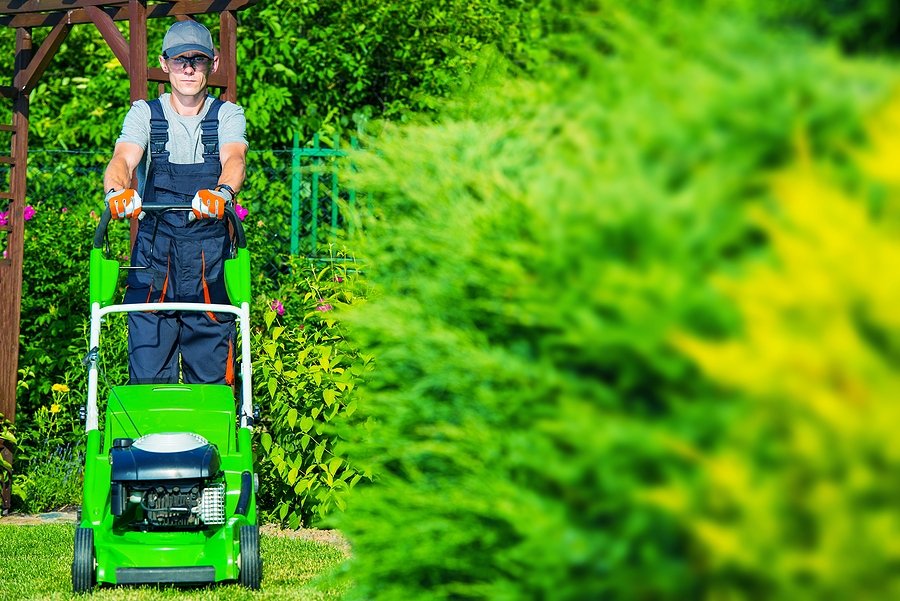
Have you ever wondered if there’s a smarter way to keep your lawn looking great without harming the environment? What if your regular mowing routine could actually help save water, reduce pollution, and make your yard healthier?
That’s exactly what green mowing is all about. You’ll discover how small changes in the way you mow can make a big difference for your lawn and the planet. Keep reading, and you’ll learn easy tips to turn your mowing into a green, eco-friendly habit that benefits you and your community.
Credit: www.hgtv.com
Green Mowing Basics
Green mowingmeans cutting grass using eco-friendly methods. It helps keep the environment clean and healthy. Using electric or manual mowers reduces air pollution. Avoiding chemical fertilizers protects soil and water. Leaving grass clippings on the lawn adds natural nutrients back to the soil.
Practicing green mowingsaves energy and protects wildlife. It also reduces noise pollution. Choosing native plants and mowing less often supports local insects and birds. These simple steps help keep your yard and nature safe and healthy.
| Benefits for the Environment | How Green Mowing Helps |
|---|---|
| Reduces air pollution | Uses electric/manual mowers instead of gas |
| Protects soil and water | Avoids chemical fertilizers and pesticides |
| Supports wildlife | Leaves clippings and plants native species |
| Saves energy | Mows less often and uses efficient tools |
| Reduces noise pollution | Chooses quiet equipment and mowing times |
Choosing The Right Equipment
Electric mowersare quiet and eco-friendly. They produce no fumes and need less maintenance. Great for small to medium lawns. Gas mowersare strong and work well on big lawns. They make noise and cause pollution. They need regular oil and filter changes.
Manual mowers need no fuel or electricity. They are light and easy to use. Perfect for small yards and exercise lovers. Other alternatives like robotic mowers save time but cost more.
| Type | Pros | Cons | Best For |
|---|---|---|---|
| Electric Mowers | Quiet, low maintenance, no fumes | Limited run time, less power | Small to medium lawns |
| Gas Mowers | Powerful, works on large lawns | Noisy, pollutes, needs upkeep | Large lawns |
| Manual Mowers | No fuel, light, exercise | Harder on big lawns | Small yards |
Lawn Care Techniques
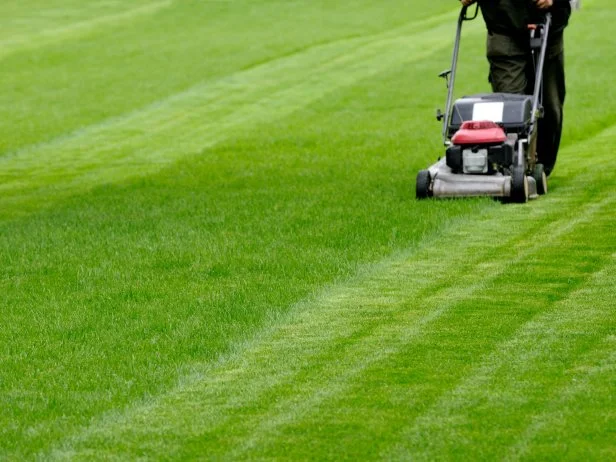
Optimal mowing heightkeeps grass healthy. Cutting too short harms roots and dries the soil. A good height varies by grass type but usually stays between 2 to 3 inches. Taller grass shades roots and holds moisture better. This reduces the need for frequent watering and fertilizer. It also helps block weeds from growing.
Grasscycling and mulchingare eco-friendly ways to care for lawns. Grasscycling means leaving grass clippings on the lawn after mowing. These clippings return nutrients back to the soil. Mulching uses a mower designed to chop grass into tiny pieces. These pieces quickly break down and feed the soil. Both methods save time and reduce yard waste.
Water Conservation Tips
Efficient irrigation helps save water. Use a drip irrigationsystem. It delivers water directly to plant roots. This method reduces water waste. Water early in the morning. Less water evaporates then. Use mulch around plants. It keeps soil moist longer. Check for leaks in hoses and pipes. Fixing them saves more water.
Some grass types need less water. Try Bermudagrassfor hot areas. It stays green in the sun. Buffalograssis also good. It grows well with little water. Zoysiagrassis another choice. It thrives in warm climates. These grass types help conserve water. They need less mowing too.
Natural Lawn Fertilizers
Compostis a natural fertilizer made from decomposed plants. It helps soil keep water and nutrients. Adding organic materialslike grass clippings and leaves improves soil health. These materials feed earthworms and microbes that make soil rich.
Avoiding harmful chemicalskeeps the lawn safe for children, pets, and wildlife. Chemicals can hurt beneficial insects and pollute water. Using natural fertilizers stops this damage. It also promotes strong, healthy grass with less disease.
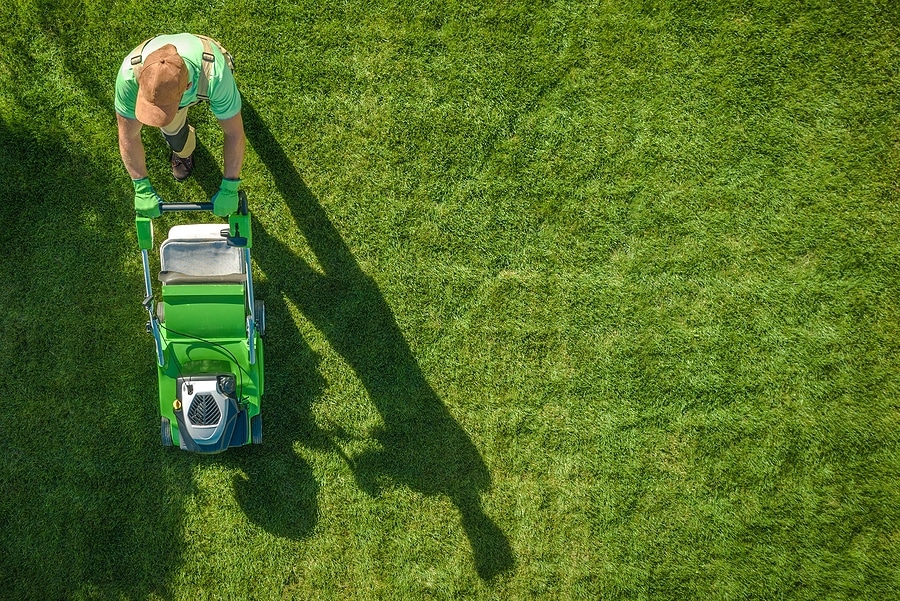
Credit: www.millerlawnmaintenance.com
Wildlife-friendly Lawns
Creating habitats in lawns helps support local wildlife. Leaving some areas of grass longer gives small animals a safe place to hide and live. Planting native plantsadds food and shelter for birds, insects, and other creatures. These plants grow well without much care and attract useful animals.
Pollinator-friendly plants are very important. Bees, butterflies, and other pollinators need flowers for nectar and pollen. Planting a variety of flowers that bloom at different times keeps pollinators around all year. This helps plants grow and supports the whole ecosystem.
- Choose native wildflowers and grasses
- Plant flowers in sunny spots
- Leave some areas uncut for insects
- Use fewer chemicals to protect wildlife
- Provide water sources like small ponds or dishes
Seasonal Green Mowing Strategies
Spring and summerare the best times for green mowing. Grass grows fast and needs frequent cutting. Keep blades sharp for a clean cut. Cut grass to about 3 inches to keep it healthy. Water the lawn early in the morning to save water and avoid disease. Avoid cutting wet grass to prevent clumping. Leave grass clippings on the lawn to add nutrients back to the soil. Mow regularly, but never remove more than one-third of the grass height at once. This helps the grass stay strong and green.
During fall and winter, grass grows slower. Raise mower height to protect grass roots from cold. Remove leaves and debris to prevent mold and fungus. Reduce mowing frequency to once every two or three weeks. Avoid mowing if the ground is frozen or wet. This helps keep the lawn healthy and ready for spring growth.

Credit: www.grassseedonline.co.uk
Frequently Asked Questions
What Is Green Mowing And How Does It Work?
Green mowing is an eco-friendly lawn care method that reduces environmental impact. It uses electric or manual mowers instead of gas-powered ones, cutting emissions and noise. This approach promotes healthier soil and grass by leaving grass clippings to decompose naturally, enriching the lawn.
Why Is Green Mowing Important For The Environment?
Green mowing lowers carbon emissions and reduces air pollution. It conserves energy by using electric or manual tools. This method also promotes biodiversity by avoiding harmful chemicals and preserving soil health, making lawns more sustainable and eco-friendly.
How Does Green Mowing Benefit Lawn Health?
Green mowing improves lawn health by leaving grass clippings on the ground. These clippings act as natural fertilizer, returning nutrients to the soil. It also encourages stronger root growth and better moisture retention, resulting in a greener, more resilient lawn.
What Tools Are Used In Green Mowing?
Green mowing typically uses electric, battery-powered, or manual reel mowers. These tools produce less noise and no harmful emissions. They are energy-efficient and require less maintenance compared to gas-powered mowers, making them ideal for eco-conscious lawn care.
Conclusion
Green mowing helps keep lawns healthy and the environment safe. It uses eco-friendly tools and methods to reduce pollution. You save water and protect wildlife by mowing smartly. This way, your garden looks nice and nature stays happy. Try green mowing for a cleaner, greener yard today.