Have you ever wondered why your car’s engine isn’t running as smoothly as it should? Or perhaps you’re puzzled by that pesky check engine light that just won’t go away.
One potential solution you might not have considered is a spark plug non fouler. This small, yet mighty component could be the key to improving your vehicle’s performance and extending the life of your spark plugs. But what exactly is a spark plug non fouler, and how can it benefit you?
Stick with us as we unravel the mystery behind this automotive lifesaver, and discover how it can make a noticeable difference in your driving experience. By the end of this article, you’ll not only understand what a spark plug non fouler is, but you’ll also see why it might just become your new best friend under the hood.
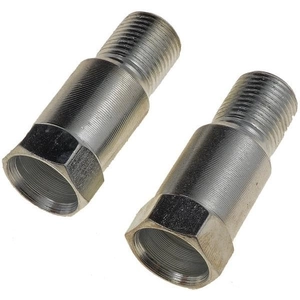
Credit: partsavatar.ca
Spark Plug Non Fouler Basics
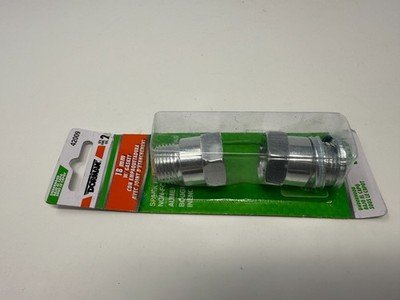
Understanding the basics of a spark plug non fouler can save you time and money, especially if you work with engines regularly. This small device plays a big role in keeping your engine running smoothly by preventing spark plug fouling. Let’s break down what it does, what it’s made of, and how it stands apart from your regular spark plug.
Purpose And Function
A spark plug non fouler’s main job is to stop carbon and oil deposits from building up on your spark plug. These deposits can cause misfires and reduce engine performance. The non fouler acts like a shield, extending the spark plug’s life and keeping your engine firing correctly.
Have you ever noticed your engine running rough after a while? Using a non fouler can help you avoid that frustration by maintaining a cleaner spark plug surface.
Common Materials Used
Non foulers are typically made from heat-resistant materials like stainless steel or ceramic. These materials handle high temperatures without degrading, which is crucial for preventing fouling. The choice of material affects durability and how well the non fouler fits on your spark plug.
Some non foulers also feature coatings that repel oil and carbon, adding an extra layer of protection for longer engine life.
How It Differs From Standard Spark Plugs
Unlike standard spark plugs, non foulers are designed specifically to add space and insulation around the electrode. This extra gap reduces the chance of deposits sticking and causing misfires. While a regular spark plug focuses on ignition, the non fouler focuses on keeping that ignition clean and consistent.
Think of it as a simple upgrade that targets a common problem without needing to replace the entire spark plug. Could this small addition be the key to your engine’s reliability?
Causes Of Spark Plug Fouling
Spark plug fouling happens when deposits build up on the spark plug’s electrode. These deposits stop the spark plug from working well. Several causes lead to fouling, affecting engine performance and fuel efficiency. Understanding these causes helps in preventing fouling and choosing the right non fouler spark plug.
Fuel Mixture Issues
Fuel mixture plays a big role in spark plug fouling. A mixture with too much fuel and not enough air is called a rich mixture. This causes unburned fuel to stick to the spark plug. The deposits create a wet, black coating on the electrode. A lean mixture, with too much air and little fuel, can also cause fouling but less often.
Oil Contamination
Oil contamination happens when oil leaks into the combustion chamber. This oil burns and leaves oily deposits on the spark plug. Worn piston rings or valve guides often cause oil to enter the chamber. These oily deposits reduce spark strength and cause misfires. Oil contamination fouling usually looks shiny and wet.
Engine Wear And Tear
Old engines often suffer from spark plug fouling. Worn parts cause poor combustion and fuel burning. This leads to carbon buildup on the spark plug. Over time, deposits grow and stop the spark from jumping. Regular engine checks can spot wear before fouling gets worse.
Benefits Of Using A Spark Plug Non Fouler
Using a spark plug non fouler offers clear advantages that can positively impact your vehicle’s engine and overall driving experience. This simple device helps prevent common issues related to spark plug fouling, keeping your engine running smoothly and efficiently. Understanding its benefits can help you decide if it’s the right addition for your vehicle maintenance routine.
Improved Engine Performance
When spark plugs become fouled, your engine can misfire or run unevenly. A non fouler keeps the spark plug clean by preventing carbon buildup and oil deposits. This means your engine fires correctly every time, leading to smoother acceleration and better power delivery.
Have you noticed your car hesitating or struggling to start? Installing a non fouler can reduce those issues, making your engine more responsive and reliable on the road.
Enhanced Fuel Efficiency
Dirty spark plugs cause incomplete combustion, which wastes fuel. A spark plug non fouler ensures a consistent spark, leading to more complete burning of fuel in the engine. This helps your vehicle use fuel more efficiently, potentially saving you money at the pump.
Think about how often you fill your tank. Could your fuel economy improve with better spark plug performance? Many drivers see a noticeable difference after fitting a non fouler.
Reduced Maintenance Frequency
Regular fouling means you have to clean or replace spark plugs more often. Using a non fouler extends the life of your spark plugs by keeping them cleaner longer. This reduces the time and money spent on maintenance and replacements.
Imagine fewer trips to the mechanic and more time enjoying your drive. Isn’t that a smart way to maintain your vehicle?

Credit: www.amazon.ca
Installation Tips And Best Practices
Installing a spark plug non fouler correctly can save you from engine troubles and ensure smooth performance. It’s not just about screwing it in place; the right choice and precise installation make all the difference. Let’s walk through key tips and practices that help you get it right the first time.
Choosing The Right Non Fouler
Not every non fouler fits every spark plug or engine type. You need to check your vehicle’s manual or consult a professional to find the exact size and material that matches your spark plug. Using the wrong non fouler can cause poor contact or even damage the spark plug threads.
Think about the environment your engine runs in. If you often drive in dusty or wet conditions, pick a non fouler made from corrosion-resistant materials. This small step can extend the life of both your spark plug and non fouler.
Proper Installation Techniques
Start by cleaning the spark plug threads to remove dirt or old sealant. This ensures a tight and clean fit for the non fouler. Screw the non fouler onto the spark plug by hand first to avoid cross-threading, which is a common mistake.
Use a torque wrench to tighten the spark plug to the manufacturer’s recommended setting, including the non fouler. Over-tightening can crush the non fouler, while under-tightening may cause leaks or loose connections. Applying a small amount of anti-seize compound on the threads can also help during future removals.
Signs Of Incorrect Installation
How can you tell if the non fouler isn’t installed properly? One clear sign is engine misfires or rough idling right after the installation. You might also notice oil or fuel leaks around the spark plug area.
Another red flag is difficulty in removing the spark plug later on. If the non fouler was cross-threaded or over-tightened, it could strip the threads or get stuck. Keeping an eye on these symptoms can help you catch installation errors before they cause bigger issues.
Common Applications And Use Cases
Spark plug non foulers play an important role in various engines. They help prevent fouling and keep the spark plug clean. This ensures better engine performance and longer spark plug life. Non foulers are used in several types of vehicles and racing machines.
Motorsports And Racing
In motorsports, engines run at high speeds and temperatures. Spark plug fouling can cause misfires and loss of power. Non foulers keep the spark plug tip clean and dry. This improves ignition reliability and helps maintain peak engine output. Racers use them to avoid engine problems during races.
Off-road Vehicles
Off-road vehicles face tough conditions like mud, dust, and water. These factors increase the risk of spark plug fouling. Non foulers protect spark plugs from moisture and dirt. They help maintain consistent engine starts and smooth running. Off-road enthusiasts rely on them for better engine durability.
Everyday Automotive Use
Cars and trucks used daily can also benefit from spark plug non foulers. They reduce carbon buildup on spark plugs. This leads to fewer misfires and smoother engine operation. Non foulers extend spark plug life, reducing maintenance costs. They suit drivers who want reliable vehicle performance.

Credit: forum.ih8mud.com
Troubleshooting And Maintenance
Maintaining a spark plug non fouler keeps your engine running smoothly. Troubleshooting helps spot problems early. Regular checks save time and money. Understanding common issues guides proper care. Simple steps can prevent fouling and damage.
Identifying Fouling Symptoms
Look for these signs that your spark plug non fouler may be fouled:
- Engine misfires or runs rough
- Hard starts or no start at all
- Reduced fuel efficiency
- Black, oily, or wet deposits on the plug
- Unusual engine noise or hesitation
Spotting these symptoms early avoids bigger problems.
Cleaning And Replacement Guidelines
Clean spark plugs with a soft brush or cloth. Avoid harsh chemicals that damage the non fouler. Use a specialized spark plug cleaner if needed. Check the gap after cleaning and adjust it to the manufacturer’s specs.
Replace spark plugs if:
- Deposits do not come off after cleaning
- Electrodes are worn or damaged
- Engine performance issues continue
- Manufacturer’s recommended replacement interval is reached
When To Upgrade Your Non Fouler
Upgrade your spark plug non fouler if your engine demands higher performance. Newer models offer better resistance to fouling. Consider upgrading if you notice frequent fouling or poor fuel economy. Choose a non fouler that matches your engine’s needs and driving conditions.
Frequently Asked Questions
What Is A Spark Plug Non Fouler Used For?
A spark plug non fouler prevents fouling by insulating the spark plug. It helps maintain proper engine performance. It is used in testing and tuning engines without spark plug damage.
How Does A Spark Plug Non Fouler Work?
It fits between the spark plug and engine head. The non fouler insulates the spark plug tip. This prevents carbon buildup and fouling during engine tuning or misfires.
Can A Non Fouler Improve Engine Performance?
Yes, it helps maintain consistent spark by preventing fouling. This leads to smoother engine operation and better fuel efficiency during tuning or testing.
Is A Spark Plug Non Fouler Reusable?
Yes, most non foulers are reusable. They can be cleaned and used multiple times during engine diagnostics and tuning processes.
Conclusion
A spark plug non fouler helps prevent spark plug fouling. It keeps the engine running smoothly. This small tool saves time and money. It stops dirt and oil from causing problems. Anyone working with engines can benefit from it. Remember, using a non fouler can improve engine performance.
Simple and effective for many engine types. Understanding its use helps you maintain your engine better. A small addition with a big impact.





