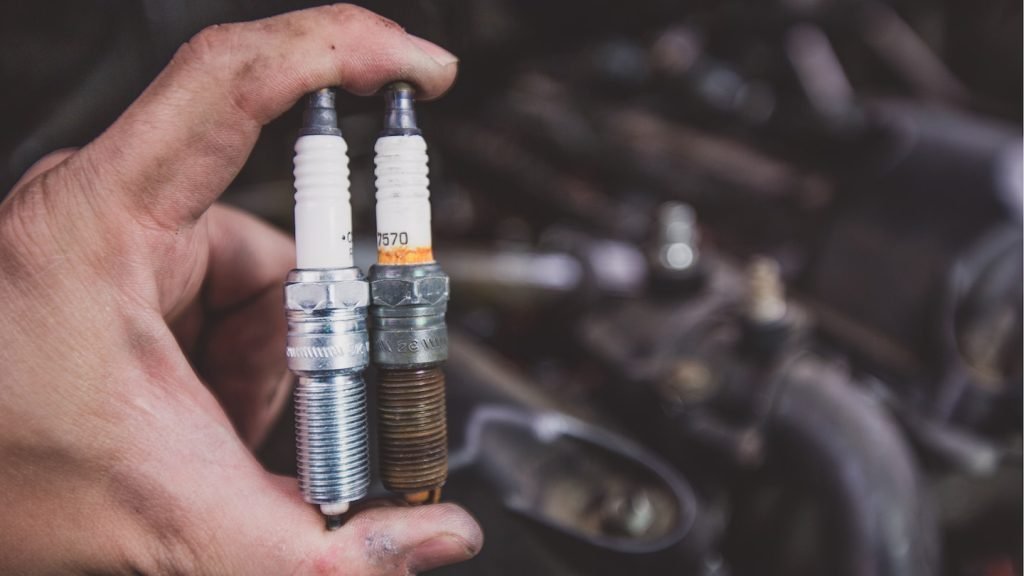
Have you ever wondered what makes your car start and run smoothly each time you turn the key? The secret lies in a small yet powerful component known as the spark plug.
Understanding what a spark plug does can save you from unexpected breakdowns and costly repairs. It is the tiny powerhouse that ignites the fuel in your engine, ensuring your car starts with ease and runs efficiently. If you’re curious about how this little part plays such a crucial role in your vehicle’s performance, you’ve come to the right place.
Keep reading to discover the magic behind spark plugs and why they are essential to your car’s health and longevity.
Credit: www.blackcircles.com
Spark Plug Basics
The spark plug is a small but vital part of a car’s engine. It helps start the engine and keep it running smoothly. Understanding the basics of spark plugs can help you grasp how your car works and when it might need maintenance.
Role In Engine Operation
The spark plug creates a spark that ignites the air-fuel mixture inside the engine. This tiny spark causes a small explosion that powers the car. Without the spark plug, the engine cannot start or run properly. It fires thousands of times each minute while the engine runs.
Key Components
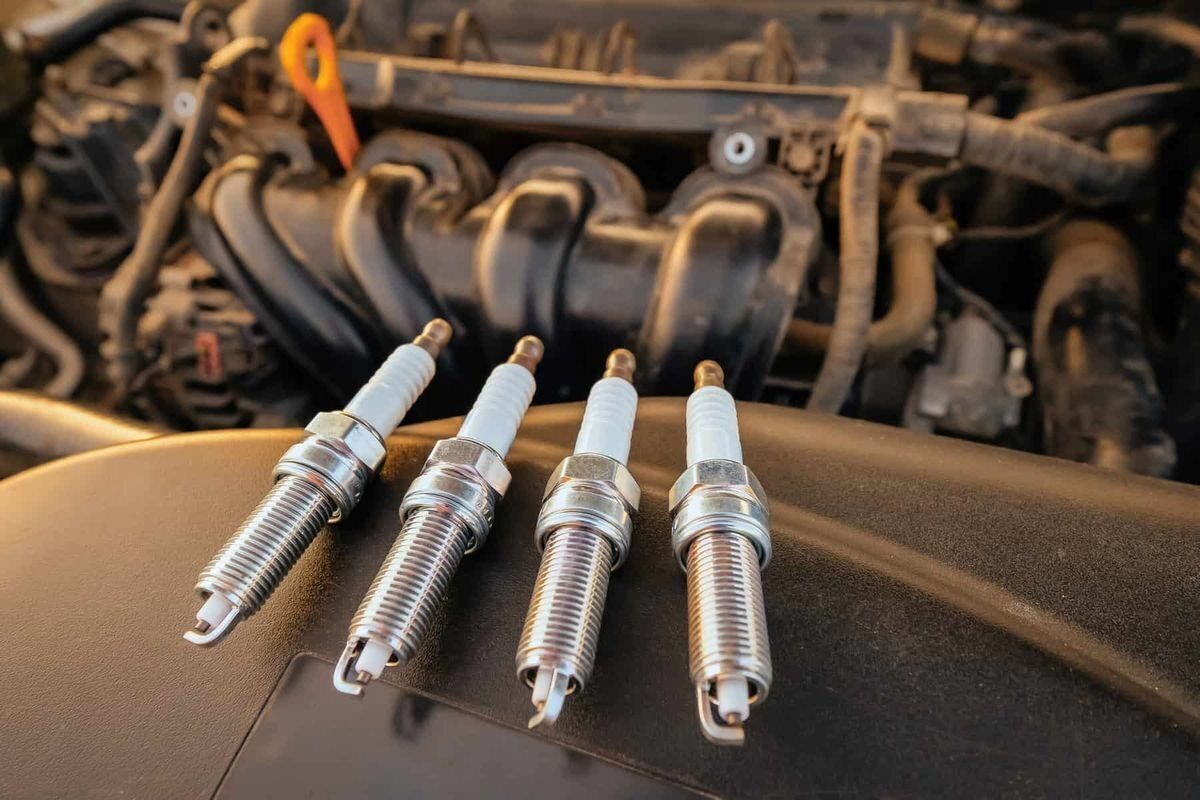
- Center Electrode:Conducts electricity to produce the spark.
- Ground Electrode:Creates a gap for the spark to jump across.
- Insulator:Keeps the electrical current focused and prevents shorts.
- Shell:The metal casing that holds the plug in place.
Types Of Spark Plugs
- Copper:Good conductor but wears out faster.
- Platinum:Longer lasting with better performance.
- Iridium:Very durable and provides strong sparks.
- Double Platinum/Iridium:Designed for modern engines with longer life.
Credit: www.westsideauto.com.au
How Spark Plugs Impact Performance
Spark plugs play a vital role in a car’s overall performance. They ignite the air-fuel mixture inside the engine. This small part affects how smoothly the engine runs. It also influences fuel use and power output. Understanding these impacts helps maintain a healthy vehicle.
Ignition And Combustion Process
Spark plugs create a spark to ignite the fuel mixture. This starts the combustion process inside the engine’s cylinders. A strong, consistent spark ensures complete burning of fuel. Poor spark plug condition causes misfires and rough engine running. Clean, well-functioning plugs deliver better ignition timing and efficiency.
Effect On Fuel Efficiency
Efficient spark plugs help burn fuel completely. This reduces fuel waste and lowers consumption. Worn or dirty plugs cause incomplete combustion. The engine then uses more fuel to deliver the same power. Good spark plugs keep fuel efficiency high and save money on gas.
Influence On Engine Power
Engine power depends on how well fuel burns. Proper spark plug function leads to strong explosions inside cylinders. This produces more power and smoother acceleration. Weak or faulty spark plugs reduce engine power. The vehicle may feel sluggish and less responsive. Maintaining spark plugs ensures optimal engine performance.
Signs Of Worn Spark Plugs
Worn spark plugs affect your car’s performance and fuel efficiency. They can cause several noticeable problems. Recognizing these signs early can help avoid costly repairs and keep your engine running smoothly.
Engine Misfires
One clear sign of worn spark plugs is engine misfires. The engine may jerk or hesitate during acceleration. This happens because the spark plugs do not ignite the fuel mixture properly. Misfires can cause rough idling and make driving unsafe.
Poor Acceleration
Worn spark plugs reduce the engine’s power. Your car may feel sluggish or slow to respond. This leads to poor acceleration, especially when climbing hills or merging on highways. It signals that the spark plugs need inspection or replacement.
Increased Fuel Consumption
Old spark plugs cause incomplete fuel combustion. This wastes fuel and lowers gas mileage. You will notice filling the tank more often. High fuel consumption is a sign that your spark plugs are not working efficiently.

Credit: www.carsales.com.au
Choosing The Right Spark Plug
Choosing the right spark plug affects your car’s performance and fuel efficiency. The correct spark plug ensures smooth engine operation and long-lasting durability. Several factors matter when selecting spark plugs for your vehicle.
Material Options
Spark plugs come in different materials. Copper plugs are common and affordable. They conduct electricity well but wear out faster. Platinum plugs last longer and resist corrosion better. Iridium plugs offer the best durability and performance, but they cost more. Choose the material that fits your budget and driving needs.
Heat Range Importance
Heat range shows how fast a spark plug can transfer heat. A plug with the right heat range prevents engine knocking and fouling. Too hot a plug can cause damage. Too cold a plug can lead to deposits buildup. Follow your vehicle’s manual to pick the correct heat range for safe engine function.
Compatibility With Vehicle
Every vehicle needs a spark plug designed for its engine type. Check your car’s manual or manufacturer recommendations. Using the wrong plug size or thread can cause poor engine performance or damage. Proper plug gap and design matter for ignition timing. Always match spark plugs to your vehicle’s specifications for best results.
Maintaining And Replacing Spark Plugs
Maintaining and replacing spark plugs is vital for your car’s smooth operation. Spark plugs ignite the air-fuel mixture inside the engine. Over time, they wear out and lose efficiency. Poor spark plugs can cause rough idling, misfires, and lower fuel economy. Regular care keeps your engine running strong and reliable.
Recommended Replacement Intervals
Car makers suggest changing spark plugs at specific mileages. Usually, this ranges between 30,000 and 100,000 miles. The exact interval depends on the spark plug type and your car model. Check your owner’s manual for the correct schedule. Early replacement can prevent engine problems and save money.
Tools For Replacement
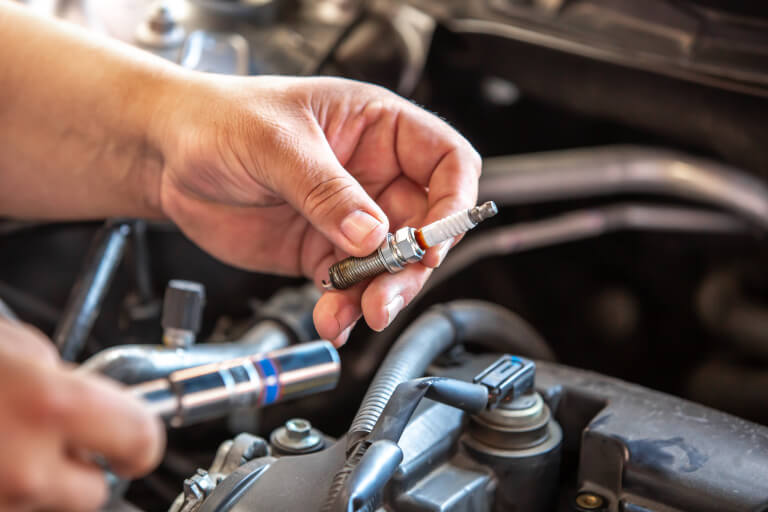
Replacing spark plugs requires a few simple tools. These include:
- Spark plug socket with a rubber insert
- Ratchet wrench
- Torque wrench to tighten plugs properly
- Spark plug gap tool to measure gap size
- Extension bar for hard-to-reach plugs
Having these tools helps make the replacement process easier and safer.
Diy Vs Professional Service
Changing spark plugs yourself saves money and builds skills. It suits those with basic mechanical knowledge. But some engines have difficult-to-access plugs. Mistakes may cause engine damage or poor performance. Professionals offer expertise and proper tools. They inspect and replace plugs quickly. Choose the option that fits your confidence and budget.
Upgrading For Performance Boost
Upgrading your car’s spark plugs can deliver a noticeable boost in performance, especially if you’ve been using standard or worn-out plugs. It’s a simple change that can lead to better ignition, smoother engine running, and even improved fuel efficiency. But what exactly makes upgraded spark plugs stand out, and how can you make the most of this upgrade?
High-performance Spark Plugs
High-performance spark plugs are designed with advanced materials like iridium or platinum, which last longer and provide a stronger spark than regular copper plugs. These materials help ignite the air-fuel mixture more efficiently, resulting in quicker starts and more power. Have you ever noticed your engine feels sluggish? Switching to high-performance plugs might be the solution.
Some plugs also feature a fine wire center electrode that reduces the voltage needed to create a spark. This means your ignition system works less hard, which can extend the life of other engine components. If you want to squeeze more power from your engine without expensive modifications, these plugs are worth considering.
Benefits Of Upgrades
- Improved Fuel Efficiency:Better combustion means your car uses fuel more effectively, saving you money at the pump.
- Smoother Engine Performance:Reduced misfires and quicker ignition lead to a more responsive and quieter engine.
- Longer Plug Life:Upgraded plugs last significantly longer, cutting down on maintenance and replacement costs.
- Enhanced Acceleration:You might feel a noticeable increase in throttle response and overall engine power.
Have you ever thought about how such a small part can influence your entire driving experience? Upgrading your spark plugs is one of the easiest ways to make your car feel like new again.
Installation Tips
Before upgrading, make sure you choose plugs that fit your car’s make and model. Using the wrong type can harm engine performance or even cause damage.
When installing, always check the spark plug gap with a gauge. Even high-performance plugs need to be set to the exact gap recommended in your owner’s manual for optimal results.
Don’t overtighten the plugs; this can damage the threads in the cylinder head. Use a torque wrench if possible to apply the correct amount of force. If you’re unsure about doing it yourself, ask a trusted mechanic for help—you don’t want to risk costly repairs over a simple upgrade.
Frequently Asked Questions
What Is The Main Function Of A Spark Plug In A Car?
A spark plug ignites the air-fuel mixture in the engine’s combustion chamber. This ignition powers the engine. It ensures efficient fuel burning and smooth engine performance.
How Often Should Spark Plugs Be Replaced?
Spark plugs typically last between 30,000 to 100,000 miles. Replacement depends on the type and vehicle model. Regular checks help maintain engine efficiency and prevent misfires.
What Are Common Signs Of A Bad Spark Plug?
Symptoms include rough idling, poor fuel economy, engine misfires, and difficulty starting. Worn spark plugs reduce engine performance and increase emissions. Timely replacement resolves these issues.
Can A Faulty Spark Plug Affect Car Fuel Efficiency?
Yes, bad spark plugs cause incomplete combustion, leading to higher fuel consumption. Replacing them improves mileage and reduces harmful emissions. Proper spark plugs maintain optimal engine function.
Conclusion
A spark plug starts your car’s engine by creating a spark. It helps burn fuel inside the engine cylinders. Without a good spark plug, the car won’t run well. Regular checks keep your spark plugs working right. Clean and working spark plugs save fuel and reduce pollution.
Understanding spark plugs helps you care for your car better. Simple maintenance can avoid big engine problems later. Spark plugs play a small but key role in your car’s performance. Keep them in good shape for smooth driving every time.





