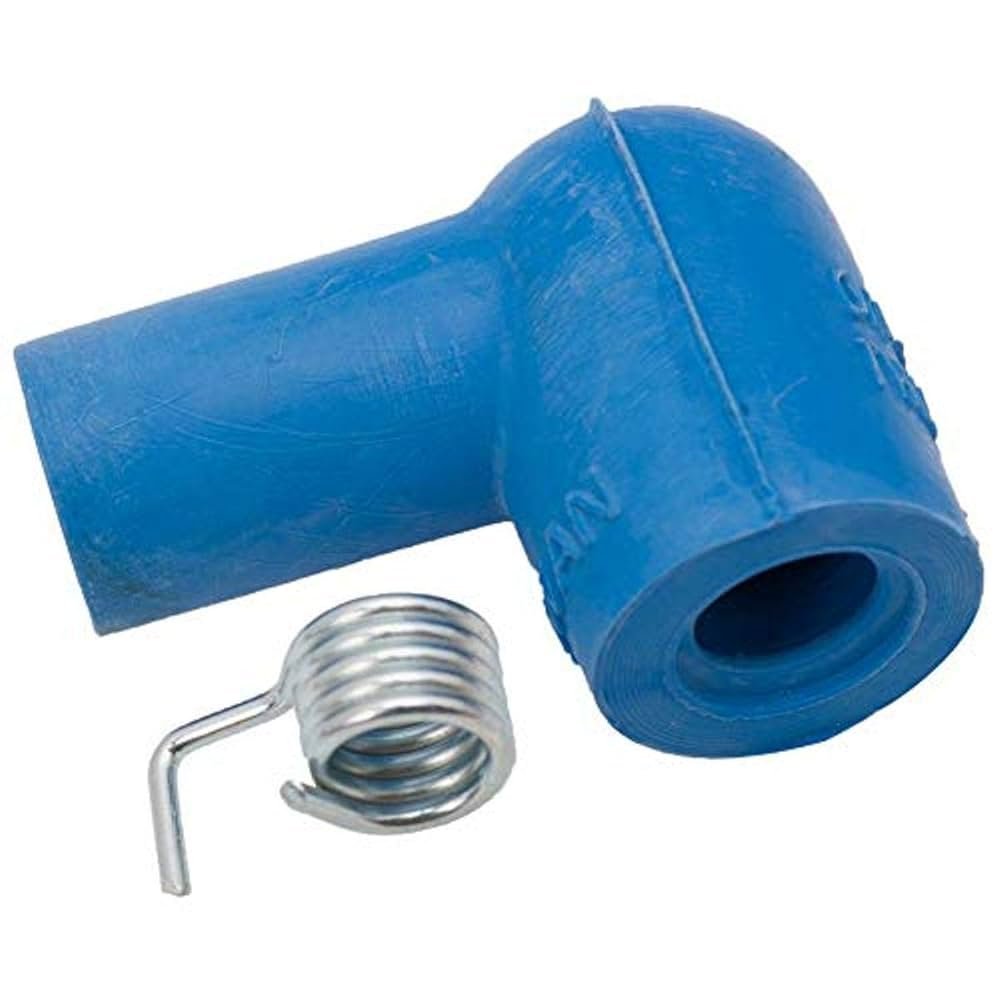
Ever popped the hood of your car and wondered about the maze of parts that keep your engine running smoothly? Among the many components, there’s one you might not think about often: the spark plug boot.
But what exactly is a spark plug boot, and why should you care? Understanding this small yet crucial component can save you time, money, and potential headaches down the road. If you’re eager to learn how this part impacts your vehicle’s performance and why it deserves a spot on your maintenance checklist, you’re in the right place.
Stick around to uncover the secrets of the spark plug boot and how it plays a vital role in your car’s ignition system.
Role Of A Spark Plug Boot
The spark plug boot plays a crucial role in your vehicle’s ignition system. It acts as the vital link between the spark plug and the ignition coil, ensuring the engine fires smoothly every time you start your car. Understanding its functions helps you appreciate why keeping it in good condition is essential for optimal engine performance.
Connection Between Spark Plug And Ignition System
The spark plug boot connects the ignition coil to the spark plug, allowing electrical energy to travel efficiently. This connection must be secure and tight to prevent any voltage loss, which can cause misfires or rough idling.
Have you ever experienced your engine hesitating or stalling? A worn-out or loose spark plug boot might be the culprit, interrupting the flow of electricity necessary to ignite the fuel-air mixture.
Insulation And Protection Functions
Spark plug boots also provide critical insulation. They prevent electrical current from jumping to the wrong place, which could cause engine misfires or damage to surrounding components.
Besides electrical insulation, the boot shields the connection from dirt, moisture, and heat—elements that can degrade performance over time. Without this protection, your ignition system’s reliability would drop significantly, leading to costly repairs.
Credit: www.canadiantire.ca
Types Of Spark Plug Boots
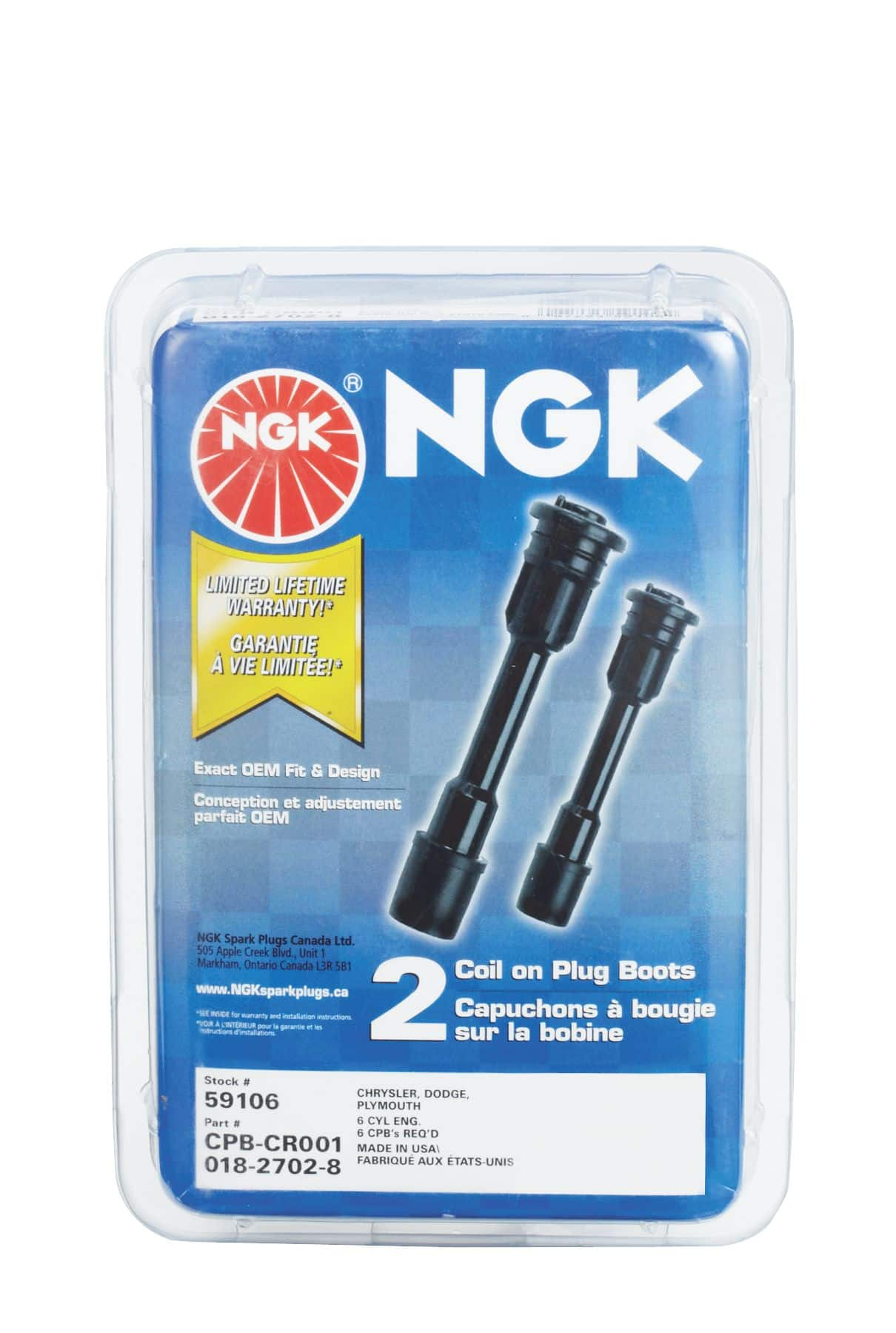
Spark plug boots come in various types to fit different engine needs. Each type offers unique benefits in insulation, durability, and ease of use. Choosing the right boot helps protect the spark plug and maintain engine performance.
Silicone Boots
Silicone boots are popular for their heat resistance. They handle high engine temperatures well and last longer. These boots stay flexible even in cold weather. Their smooth surface makes installation and removal easier.
Rubber Boots
Rubber boots are common and cost-effective. They provide good insulation and protect against moisture. These boots can wear out faster under extreme heat. Still, they work well for many everyday engines.
Magnetic Boots
Magnetic boots have a built-in magnet inside. This feature holds the boot securely on the spark plug. It prevents loose connections and sparks misfiring. These boots are handy in tight engine spaces.
Signs Of A Faulty Spark Plug Boot
Knowing the signs of a faulty spark plug boot can save you from unexpected engine troubles and costly repairs. This small but crucial part connects your spark plug to the ignition system, ensuring the spark needed for combustion. When it starts failing, your vehicle will show clear symptoms that you shouldn’t ignore.
Engine Misfires
One of the most obvious signs of a bad spark plug boot is engine misfires. You may notice your car hesitating or jerking while driving, especially during acceleration.
Misfires happen because the spark plug isn’t getting enough voltage to ignite the fuel-air mixture properly. If you hear irregular engine sounds or feel vibrations, check your spark plug boots before assuming it’s a bigger engine problem.
Reduced Fuel Efficiency
Have you noticed your vehicle consuming more fuel than usual? A faulty spark plug boot can cause incomplete combustion, which wastes fuel.
When the spark doesn’t fire correctly, the engine compensates by burning more fuel to maintain performance. This small issue can quietly drain your gas tank faster, impacting your budget without you realizing why.
Visible Wear And Damage
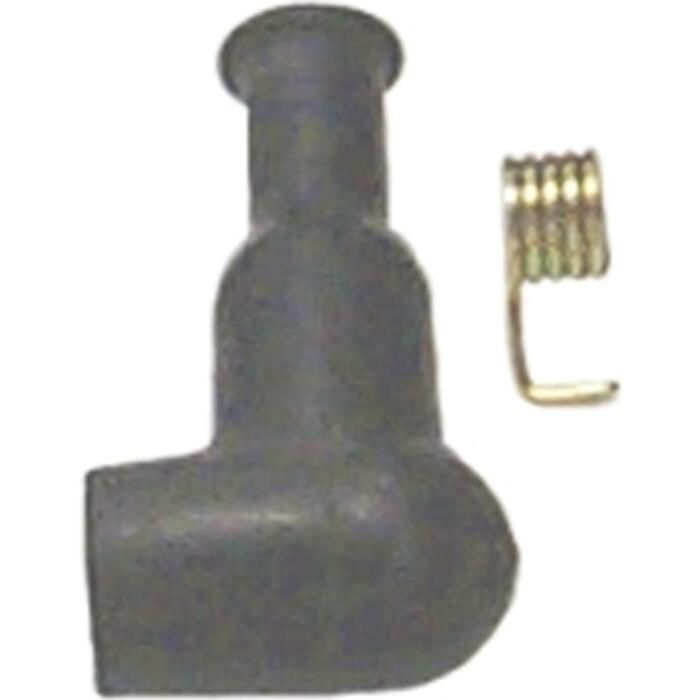
Sometimes, the easiest way to spot a problem is by looking under the hood. Spark plug boots can crack, burn, or become corroded over time.
Check for signs like melted rubber, cracks, or corrosion on the boot’s surface. If you see any damage, it’s a clear warning that your spark plug boot needs replacement before it causes bigger engine issues.

Credit: lordco.com
How To Inspect And Replace Spark Plug Boots
Inspecting and replacing spark plug boots helps keep your engine running smoothly. These boots protect the connection between the spark plug and ignition wire. Over time, they wear out or get damaged, causing engine misfires or poor performance. Regular checks and timely replacement prevent bigger problems.
Tools Needed For Inspection
- Socket wrench with spark plug socket
- Dielectric grease
- Flashlight
- Multimeter (optional for testing conductivity)
- Replacement spark plug boots
- Gloves
Step-by-step Replacement Process
- Ensure the engine is cool before starting.
- Locate the spark plug boot and gently twist it to remove.
- Inspect the boot for cracks, corrosion, or damage.
- Clean the spark plug and surrounding area.
- Apply a small amount of dielectric grease inside the new boot.
- Push the new boot firmly onto the spark plug until it clicks.
- Reconnect the ignition wire securely to the boot.
- Repeat the process for each worn or damaged boot.
Tips For Proper Installation
- Always work on a cool engine to avoid burns.
- Use dielectric grease to prevent moisture and corrosion.
- Do not pull on the ignition wire; pull the boot only.
- Ensure the boot fits snugly on the spark plug.
- Check for firm connections after installation.
- Inspect boots regularly as part of routine maintenance.
Maintenance Tips For Longevity
Keeping your spark plug boots in good condition can save you from unexpected engine troubles. Simple maintenance steps can extend their life and keep your vehicle running smoothly. Are you ready to learn how small actions can make a big difference?
Regular Cleaning
Dirt and grime can build up on spark plug boots, causing poor electrical connections. Use a soft cloth or a small brush to gently wipe away any debris. Avoid harsh chemicals; a mild soap solution works well and won’t damage the rubber.
Cleaning regularly prevents buildup that might cause misfires. Have you checked your boots lately?
Avoiding Heat Damage
Spark plug boots are exposed to high engine temperatures. Too much heat can cause the rubber to crack or harden. You can protect them by ensuring heat shields are properly positioned and intact.
Consider using heat-resistant sleeves if you notice the boots getting too warm. How often do you inspect your engine bay for signs of overheating?
Checking For Corrosion
Corrosion on the metal parts inside the spark plug boot can interrupt the spark flow. Look inside the boot for any greenish or white residue, which indicates corrosion. If you find any, clean it carefully with a wire brush or replace the boot if necessary.
Corrosion can sneak up unnoticed, so make this a regular part of your maintenance routine. Could a quick inspection save you a costly repair?
Credit: defender.ca
Impact On Overall Engine Performance
The spark plug boot is a small but essential part of your vehicle’s ignition system. Its condition directly impacts how well your engine performs. Ignoring it can lead to problems that affect power, fuel efficiency, and overall driving experience.
Effect On Ignition Timing
The spark plug boot ensures a strong electrical connection between the ignition coil and the spark plug. If the boot is damaged or worn out, the electrical current can leak or weaken, disrupting the spark timing.
This delay or misfire in spark timing causes the engine to run unevenly or lose power. Have you ever noticed your car hesitating during acceleration? A faulty spark plug boot might be why.
Influence On Engine Smoothness
A secure spark plug boot helps maintain a consistent spark, which keeps the engine running smoothly. When the connection is poor, you might feel vibrations or rough idling.
Replacing old or cracked boots often restores smoothness and reduces engine noise. Next time your engine feels rough, check those boots before assuming a bigger problem.
Frequently Asked Questions
What Is The Function Of A Spark Plug Boot?
A spark plug boot insulates and protects the connection between the spark plug and ignition wire. It prevents electrical shorts and moisture damage, ensuring efficient spark delivery to ignite the engine fuel-air mixture.
How Do Spark Plug Boots Affect Engine Performance?
Spark plug boots ensure a strong electrical connection, which improves ignition timing and combustion efficiency. Faulty boots can cause misfires, poor fuel economy, and rough engine operation.
When Should You Replace A Spark Plug Boot?
Replace spark plug boots if they show cracks, wear, or corrosion. Regular inspection during tune-ups helps avoid ignition problems and maintains optimal engine performance.
Are All Spark Plug Boots The Same Size?
No, spark plug boots come in different sizes and designs based on vehicle make and engine type. Always use the correct boot recommended by the manufacturer for a proper fit.
Conclusion
A spark plug boot plays a key role in car engines. It keeps the spark plug safe and helps the engine start. Without it, the engine may not work well or might stop running. Knowing its purpose can help you spot problems early.
Regular checks keep your vehicle running smooth. Keep the spark plug boot clean and in good shape. It’s a small part, but it makes a big difference. Understanding this helps you care better for your car. Simple steps can save you time and money.





