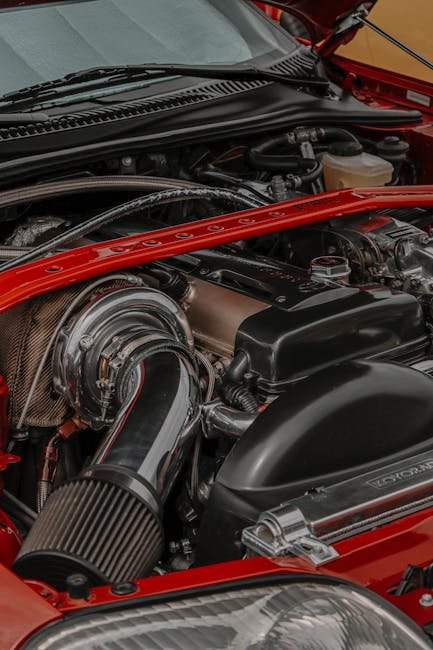
Have you ever wondered what exactly keeps your car’s engine running smoothly? One small but mighty component plays a crucial role in your vehicle’s performance: the spark plug.
These tiny devices might seem insignificant, but they are the unsung heroes that ignite the fuel and air mixture, powering your car down the road. Without them, your car simply wouldn’t start. You’ll discover what a car spark plug is, how it works, and why it’s essential for your vehicle’s health.
Dive in to uncover the secrets of this vital component, and you’ll never look at your car the same way again!
How Spark Plugs Work
Spark plugs play a vital role in a car’s engine. They create the spark needed to ignite the fuel-air mixture inside the cylinders. Understanding how spark plugs work helps you appreciate their importance in engine performance and efficiency.
Role In Ignition System
Spark plugs are part of the ignition system. Their main job is to generate an electric spark. This spark ignites the fuel and air mixture. The ignition system controls the timing and power of this spark. Without spark plugs, the engine cannot start or run smoothly.
Spark Generation Process
The process begins with a high voltage from the ignition coil. This voltage travels to the spark plug. The spark plug has two electrodes with a small gap between them. The voltage jumps this gap, creating a spark. This spark ignites the compressed fuel-air mix inside the cylinder.
- High voltage reaches the spark plug
- Voltage jumps the electrode gap
- Spark ignites the fuel and air
- Ignition powers the engine’s piston movement
Types Of Spark Plugs
Spark plugs come in various types, each made from different materials. These materials affect the plug’s performance, durability, and cost. Choosing the right spark plug helps your engine run smoothly and efficiently.
Copper Spark Plugs
Copper spark plugs have a solid copper core. They provide excellent conductivity and heat dissipation. These plugs are affordable but wear out faster than others. Best for older vehicles or engines with low compression.
Platinum Spark Plugs
Platinum spark plugs last longer than copper ones. They have a thin platinum disc on the electrode. This increases durability and reduces wear. Suitable for modern engines requiring longer service intervals.
Iridium Spark Plugs
Iridium spark plugs use a very hard metal on the electrode tip. They offer the best performance and longest life. Iridium plugs ignite fuel efficiently and resist erosion. Ideal for high-performance or newer vehicles.
Signs Of Worn Spark Plugs
Worn spark plugs can quietly sabotage your car’s performance without obvious signs. Ignoring their condition can lead to bigger engine problems and costly repairs. Recognizing the signs early helps you maintain smooth driving and save money.
Engine Misfires
Have you noticed your engine suddenly jerking or hesitating? This could be a clear sign of worn spark plugs. When plugs fail to create a strong spark, the fuel-air mixture doesn’t ignite properly, causing the engine to misfire.
Misfires can feel like a sudden loss of power or rough idling. If you experience this frequently, it’s time to check your spark plugs before it affects other engine parts.
Poor Fuel Economy
Are you filling up the gas tank more often than usual? Worn spark plugs can reduce your car’s fuel efficiency. A weak spark leads to incomplete combustion, meaning your engine uses more fuel to produce the same power.
Tracking your mileage can reveal subtle drops in fuel economy. If your fuel costs rise without changes in your driving habits, worn spark plugs might be the culprit.
Difficulty Starting
Does your car struggle to start or take longer to turn over? This is often linked to spark plug health. Old or dirty spark plugs can fail to ignite the fuel mixture quickly, making your engine crank more times before firing.
Starting issues can worsen in cold weather or after your car has been sitting idle. Paying attention to this sign can save you from unexpected breakdowns.
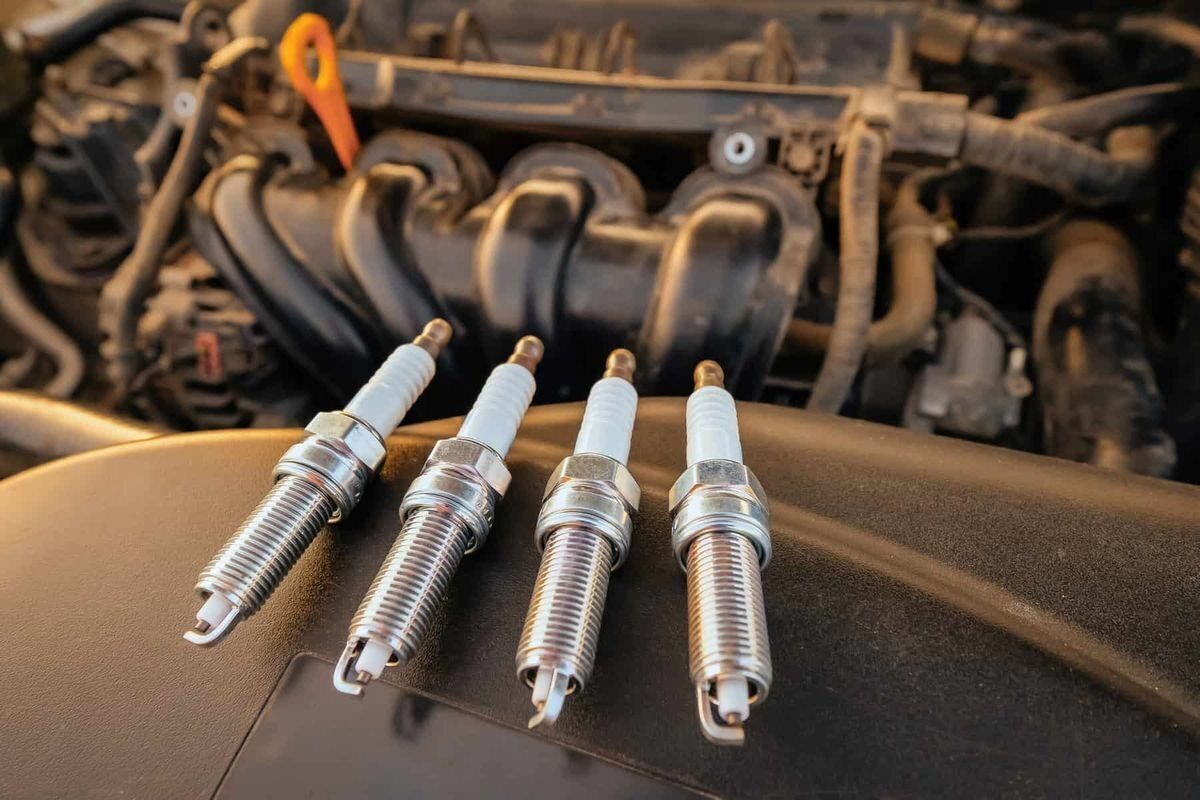
Credit: www.westsideauto.com.au
Choosing The Right Spark Plug
Choosing the right spark plug is crucial for your car’s performance and fuel efficiency. The wrong spark plug can cause misfires, poor engine response, and even damage over time. Understanding a few key factors will help you make the best choice for your vehicle.
Compatibility With Engine
Your engine’s design determines the type of spark plug you need. Check your car’s manual or manufacturer recommendations for the correct plug size and thread type. Using a spark plug that doesn’t fit properly can lead to poor combustion or damage to the cylinder head.
Have you ever tried fitting a part that just didn’t match? That’s exactly what happens with incompatible spark plugs. Always verify compatibility before buying.
Heat Range Selection
The heat range of a spark plug indicates how quickly it can dissipate heat. A plug that runs too hot may cause pre-ignition or engine knocking. Conversely, a plug that’s too cold can foul quickly, leading to misfires.
Think about your driving habits and environment. If you drive mostly in stop-and-go traffic, a colder plug might be better. For high-performance or heavy load conditions, a hotter plug helps prevent overheating.
Gap Size Importance
The gap between the spark plug’s electrodes affects the spark strength and combustion efficiency. Too wide a gap requires more voltage and may cause misfires. Too narrow a gap results in a weak spark, which can reduce power and increase emissions.
You can measure and adjust the gap with a simple tool before installation. Don’t assume factory settings are perfect—sometimes small tweaks improve your engine’s response noticeably.
Installing Spark Plugs
Installing spark plugs might seem like a task best left to professionals, but with the right tools and knowledge, you can easily handle it yourself. Changing your spark plugs can improve your engine’s performance and fuel efficiency. Plus, it’s satisfying to know you’ve done a key part of your car’s maintenance on your own.
Tools Required
- Spark plug socket:A deep socket with a rubber insert to grip the plug securely.
- Ratchet wrench:For turning the socket and removing or installing plugs.
- Torque wrench:Ensures you tighten the plugs to the correct specification.
- Gap gauge:Measures and adjusts the spark plug gap if necessary.
- Extension bar:Helps reach spark plugs in tight engine spaces.
- Anti-seize compound:Optional, but it helps prevent the plugs from sticking in the cylinder head.
Step-by-step Replacement
First, make sure your engine is cool to avoid burns. Locate the spark plugs by following the ignition wires or coil packs.
Remove the ignition wires carefully by pulling on the boot, not the wire. If your car uses coil-on-plug systems, unbolt and remove the coils.
Attach the spark plug socket to your ratchet and carefully unscrew the old plug. Be gentle to avoid damaging the threads.
Check the gap on the new spark plug with your gap gauge. Adjust it if needed to match your car’s specifications.
Apply a small amount of anti-seize compound on the threads if you choose to use it. Then screw the new spark plug in by hand to avoid cross-threading.
Use the torque wrench to tighten the plug to the exact torque specified by your vehicle’s manual. Reattach the ignition wires or coil packs securely.
Torque Specifications
Over-tightening spark plugs can strip the threads or crack the plug, while under-tightening can cause poor engine performance.
| Engine Type | Typical Torque (ft-lbs) | Typical Torque (Nm) |
|---|---|---|
| Aluminum Cylinder Head | 10-15 | 13-20 |
| Cast Iron Cylinder Head | 20-30 | 27-41 |
Have you ever experienced an engine misfire that turned out to be a loose spark plug? Proper torque can save you from that frustration. Always check your car’s manual for the exact numbers.
Maintaining Spark Plugs
Maintaining spark plugs keeps your car running smoothly and saves money. Clean and well-inspected spark plugs improve fuel efficiency and reduce engine problems. Regular checks prevent unexpected breakdowns and extend engine life.
Cleaning Techniques
Remove dirt and carbon buildup from the spark plug tip. Use a wire brush or spark plug cleaner for best results. Avoid harsh chemicals that may damage the plug’s surface. A gentle cleaning restores proper spark and engine performance.
Inspection Tips
- Check for cracks or chips on the ceramic insulator.
- Look for worn or rounded electrodes.
- Inspect for oil or fuel deposits on the plug.
- Measure the electrode gap with a feeler gauge.
- Replace plugs that show heavy wear or damage.
Replacement Intervals
Follow the manufacturer’s recommended replacement schedule. Most spark plugs last between 30,000 and 100,000 miles. Replace plugs sooner if the engine runs rough or fuel economy drops. Fresh spark plugs ensure reliable starts and smooth acceleration.
Impact On Engine Performance
The car spark plug plays a crucial role in engine performance. It ignites the air-fuel mixture inside the engine cylinders. Proper ignition ensures smooth engine operation and power output. A well-functioning spark plug leads to better engine health and driving experience.
Improved Combustion Efficiency
Spark plugs create the spark needed for combustion. Efficient sparks burn the fuel completely. This complete burning releases more energy. Engines run stronger and smoother with good combustion. It reduces engine knocking and misfires.
Enhanced Fuel Economy
Good spark plugs help use fuel wisely. Complete combustion means less wasted fuel. Engines need less fuel to produce power. This saves money on gas over time. Your car runs longer on the same fuel amount.
Reduced Emissions
Complete fuel burning lowers harmful emissions. Less unburned fuel means fewer pollutants. Cleaner engine operation protects the environment. It helps meet emission standards easily. Reduced emissions also mean less engine wear.

Credit: www.amazon.ca

Credit: craigscarcare.com
Frequently Asked Questions
What Is The Main Function Of A Car Spark Plug?
A car spark plug ignites the air-fuel mixture in the engine cylinder. This ignition powers the engine and starts the combustion process.
How Often Should Spark Plugs Be Replaced?
Spark plugs typically need replacement every 30,000 to 100,000 miles. Check your vehicle’s manual for specific intervals.
What Are Common Signs Of A Bad Spark Plug?
Signs include engine misfires, poor fuel efficiency, rough idling, and difficulty starting. These indicate spark plug issues.
Can A Faulty Spark Plug Damage The Engine?
Yes, bad spark plugs can cause misfires, engine damage, and reduced performance. Prompt replacement prevents costly repairs.
Conclusion
A car spark plug helps start your engine by creating a spark. It plays a key role in making your car run smoothly. Keeping spark plugs clean and working well saves fuel and avoids engine problems. Replacing old spark plugs on time keeps your car healthy.
Now, you know why spark plugs matter for your vehicle. Simple parts, big impact.





