Have you ever noticed your car struggling to start or feeling less powerful than usual? These could be signs that your spark plugs are failing.
Spark plugs play a small but crucial role in your engine’s performance. When they go bad, your car won’t run as smoothly as it should, and ignoring the problem can lead to costly repairs. You’ll discover exactly what happens when your spark plugs go bad and how catching the issue early can save you time and money.
Keep reading to protect your vehicle and keep it running like new.

Credit: www.reddit.com
Role Of Spark Plugs
Spark plugs are small but vital parts of a car’s engine. They create the spark that ignites the air-fuel mix inside the engine. This spark starts the engine and keeps it running smoothly. Without properly working spark plugs, your engine can struggle or even fail to run.
How Spark Plugs Work
Spark plugs sit in the cylinder head of the engine. They receive high voltage from the ignition system. This voltage creates an electric spark between the plug’s electrodes. The spark ignites the compressed air and fuel mixture. This ignition causes a small explosion that pushes the piston down. The piston movement turns the crankshaft, powering the car.
Importance In Engine Performance
Good spark plugs ensure quick, strong sparks. This helps the engine run efficiently and smoothly. Bad spark plugs can cause:
- Hard starting or no start at all
- Engine misfires or rough idling
- Reduced fuel efficiency
- Increased emissions
- Loss of power during acceleration
Replacing spark plugs at the right time keeps the engine healthy. It also improves fuel economy and lowers pollution. Spark plugs play a key role in making sure your car drives well every day.
Common Signs Of Bad Spark Plugs
Bad spark plugs affect your car’s performance in many ways. They are small parts but very important. When spark plugs fail, your engine shows clear signs. Knowing these signs helps you fix problems early. It saves money and keeps your car running smoothly.
Engine Misfires
Engine misfires happen when spark plugs don’t ignite the fuel properly. You may feel sudden jerks or shaking while driving. The engine might run unevenly or stall. Misfires reduce power and can damage other parts.
Poor Fuel Economy
Bad spark plugs cause incomplete fuel burning. Your car uses more fuel than usual. You notice that you fill gas more often. Poor fuel economy means wasted money and higher emissions.
Difficulty Starting
Old or worn spark plugs make starting the engine hard. The engine may crank but not start quickly. You might hear longer attempts to start. This happens because the spark is weak or missing.
Rough Idling
The engine may shake or vibrate while idling. Rough idling feels like the car is about to stall. You may notice unusual sounds or uneven running. This means spark plugs can’t keep the engine stable.
Loss Of Power
Bad spark plugs reduce the engine’s power output. Your car feels slow during acceleration or climbing hills. It struggles to reach normal speeds. This loss of power affects driving safety and comfort.
Causes Of Spark Plug Failure
Spark plugs play a vital role in your car’s engine performance. They ignite the air-fuel mixture to keep the engine running smoothly. Several factors cause spark plugs to fail, leading to engine problems. Understanding these causes helps in timely maintenance and prevents further damage.
Wear And Tear
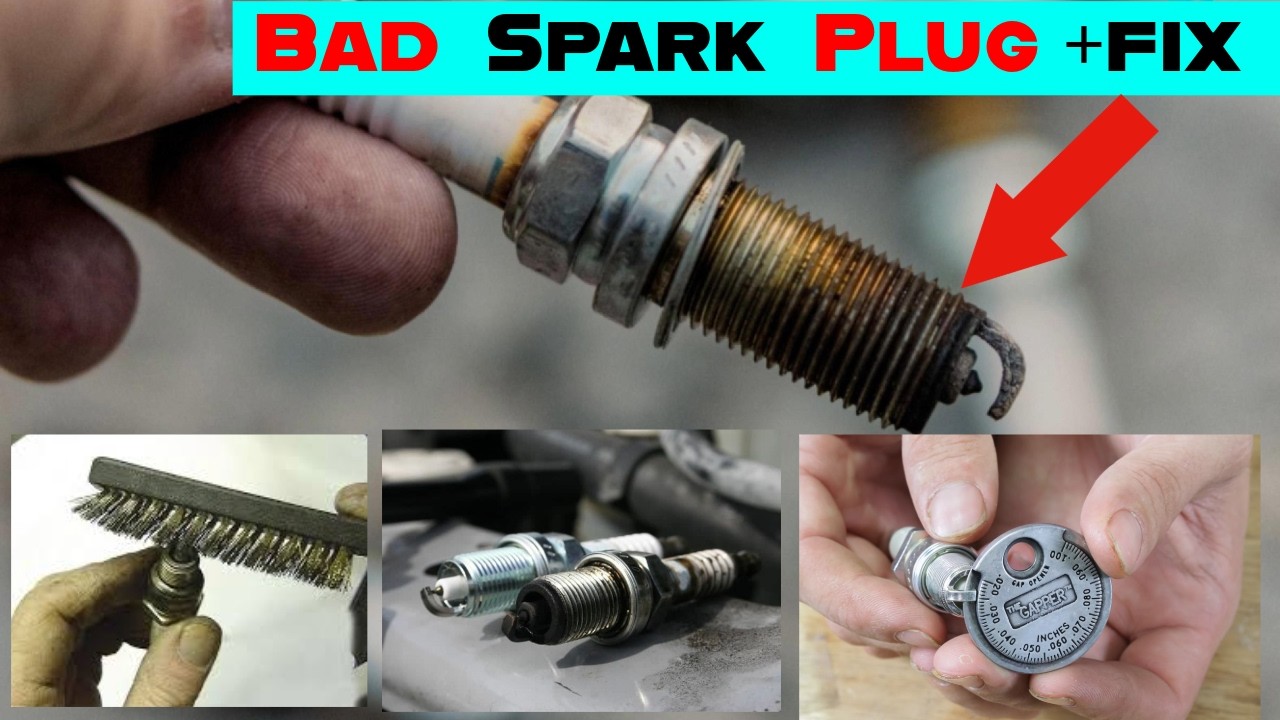
Spark plugs wear out over time due to constant use. The electrodes slowly erode with each spark. This erosion increases the gap, making sparks weaker. Worn spark plugs cause misfires and poor fuel economy. Regular replacement keeps the engine healthy.
Carbon Buildup
Carbon deposits form on spark plugs from incomplete fuel combustion. These deposits block the spark gap. Carbon buildup leads to weak or no sparks. It causes rough idling and hard starts. Cleaning or replacing the plugs solves this issue.
Incorrect Gap
The spark plug gap must match the engine’s specifications. Too wide or too narrow gaps affect spark strength. Incorrect gaps cause misfires, poor acceleration, and higher emissions. Proper adjustment ensures optimal engine performance.
Overheating Issues
Excessive heat damages spark plugs quickly. Overheating can melt the electrodes or insulator. Causes include wrong spark plug heat range or engine problems. Overheated plugs lead to engine knocking and loss of power. Using the correct plugs prevents heat damage.
Credit: www.youtube.com
Diagnosing Spark Plug Problems
Diagnosing spark plug problems is your first step toward fixing engine troubles and improving performance. If your car feels sluggish or misfires, the spark plugs might be the culprit. Knowing how to identify issues early can save you time and money on repairs.
Visual Inspection
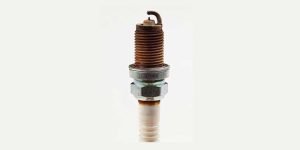
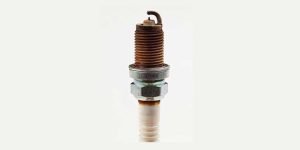
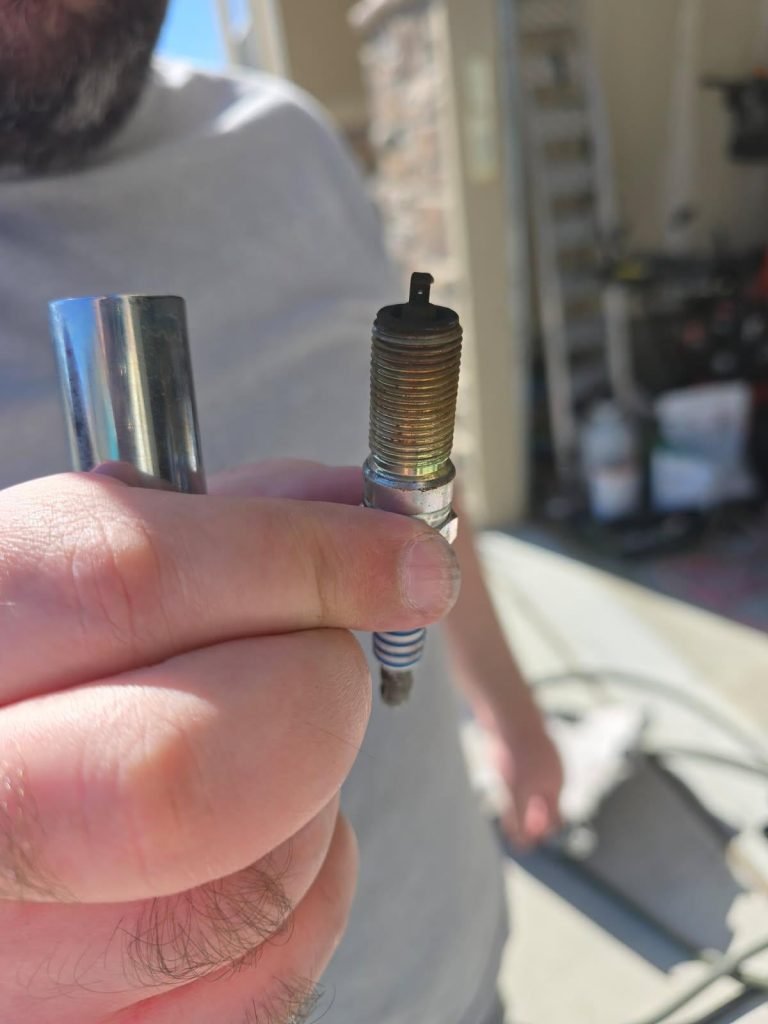
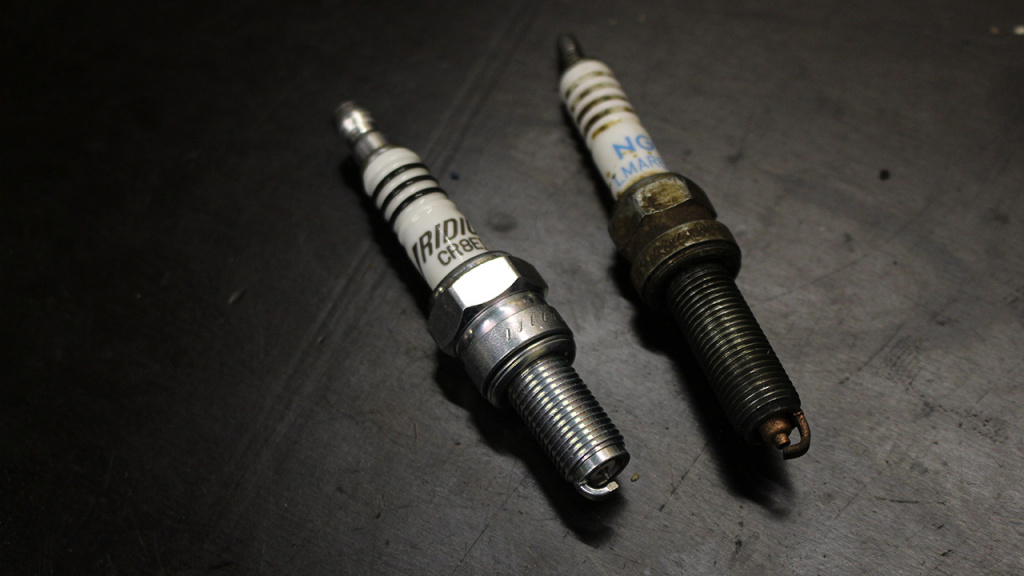
Start by removing the spark plugs and looking closely at them. Healthy spark plugs usually have a light tan or grayish color on the tip. If you see black soot, oily residue, or worn electrodes, that’s a clear sign something’s wrong.
Cracks in the ceramic insulator or heavy buildup can cause weak sparks. These issues often lead to poor fuel economy and rough idling. Have you ever noticed your engine stalling without warning? A quick visual check can reveal the cause.
Using A Spark Tester
A spark tester is a simple tool that lets you see if your spark plugs are firing correctly. Connect it between the ignition wire and the plug, then watch for a strong, blue spark. A weak or no spark means the plug or ignition system needs attention.
This test helps you pinpoint whether the problem is with the plug itself or the ignition coil. It’s quick and doesn’t require advanced skills. Have you tried testing your spark plugs before replacing them?
Reading Engine Codes
Modern vehicles have onboard diagnostics that store error codes when something goes wrong. Using a code reader, you can access these codes to identify spark plug related issues. Codes like P0300 indicate random misfires, which often point to spark plug trouble.
Interpreting these codes can guide your next steps—whether to clean, replace plugs, or check other engine parts. Do you know how to read your car’s engine codes? It can be a game changer in diagnosing problems quickly.
Solutions For Bad Spark Plugs
Dealing with bad spark plugs doesn’t have to be a hassle. You have clear options to bring your engine back to life and improve performance. Whether you choose to clean, adjust, or replace them, understanding each solution helps you decide the best action for your vehicle.
Cleaning Spark Plugs
Sometimes, spark plugs just need a good cleaning to work like new. Dirt, carbon buildup, and oil deposits can stop them from sparking properly. You can remove the plugs and gently clean the tips with a wire brush or spark plug cleaner.
Be careful not to damage the electrode or insulator. After cleaning, check if the spark plugs fire correctly before reinstalling them. This can save you money and time compared to buying new plugs immediately.
Adjusting The Gap
The gap between the electrodes is crucial for a strong spark. If the gap is too wide or too narrow, your engine might misfire or run inefficiently. Use a spark plug gap tool to measure and adjust the gap to the manufacturer’s specifications.
This simple adjustment can restore power and improve fuel efficiency. Have you ever noticed smoother acceleration after tweaking your spark plug gap? It’s a small fix that often makes a big difference.
Replacing Spark Plugs
When spark plugs are worn out or damaged beyond repair, replacement is the best option. New spark plugs ensure reliable ignition and help your engine run smoothly. Look for signs like cracks, heavy deposits, or worn electrodes as indicators that replacement is needed.
Replacing spark plugs regularly can prevent larger engine problems. Remember, fresh plugs can improve your car’s gas mileage and reduce emissions as well.
Choosing The Right Spark Plugs
Selecting the right spark plugs for your vehicle is key to long-term performance. Check your owner’s manual or ask a professional for the recommended type and heat range. Using the wrong plugs can cause poor engine performance or damage.
Consider factors like driving conditions and engine type when choosing plugs. For example, iridium plugs last longer and perform better in high-performance cars, while copper plugs are usually cheaper but wear out faster.
Preventing Future Issues
Preventing future issues with your spark plugs starts with understanding the role they play in your vehicle’s performance. A single bad spark plug can disrupt your engine’s efficiency, leading to costly repairs down the road. Taking proactive steps helps you avoid these headaches and keeps your engine running smoothly.
Regular Maintenance Tips
Check your spark plugs regularly, especially if your car feels sluggish or your fuel economy drops. Dirt, oil, or carbon buildup can cause misfires, so cleaning or replacing plugs at the first sign of trouble is crucial.
Pay attention to engine sounds. A knocking or sputtering noise often points to spark plug issues. You don’t need special tools to inspect them—just remove and look for worn or damaged tips.
Keep your ignition system in good shape. Worn spark plug wires or coils can affect performance and cause your new plugs to wear out faster. Replace these parts if you notice cracks or corrosion.
Recommended Replacement Intervals
Check your vehicle’s manual for specific spark plug replacement intervals—they usually range from 30,000 to 100,000 miles depending on the type. Using iridium or platinum plugs can extend these intervals, but don’t ignore the mileage guidelines.
Consider your driving habits. Frequent short trips or stop-and-go traffic may wear out spark plugs faster than highway driving. If you notice rough idling or difficulty starting, it might be time to replace them even if you haven’t hit the recommended mileage.
Have you ever waited too long to change your spark plugs and paid the price? Regular replacements avoid engine misfires and keep your car running efficiently, saving you money and stress in the long run.
Credit: finntrail.com
Frequently Asked Questions
What Are The Symptoms Of Bad Spark Plugs?
Bad spark plugs cause engine misfires, rough idling, and poor acceleration. You may notice difficulty starting your car and reduced fuel efficiency. These signs indicate your spark plugs need inspection or replacement to ensure smooth engine performance.
How Do Bad Spark Plugs Affect Fuel Economy?
Worn spark plugs cause incomplete fuel combustion, lowering fuel efficiency. Your engine burns more fuel to compensate for weak sparks. Replacing faulty spark plugs can restore optimal fuel consumption and save money on gas.
Can Bad Spark Plugs Damage The Engine?
Yes, bad spark plugs can cause engine misfires, leading to damage. Continuous misfiring stresses engine components and increases emissions. Timely spark plug replacement prevents costly repairs and maintains engine health.
How Often Should Spark Plugs Be Replaced?
Spark plugs typically last 30,000 to 100,000 miles, depending on type. Consult your vehicle’s manual for exact intervals. Regular replacement ensures efficient engine performance and avoids issues caused by worn plugs.
Conclusion
Bad spark plugs can cause a lot of car problems. They affect performance, fuel efficiency, and engine health. Ignoring them leads to costly repairs. Regular maintenance helps avoid these issues. Inspect and replace them when needed. This keeps your car running smoothly.
Remember, spark plugs are vital for engine function. A small investment in care saves money and trouble. Keep your vehicle in top shape. Stay alert to changes in your car’s behavior. It might be time for new spark plugs. Prioritize engine health for a reliable ride.
Your car will thank you!