Have you ever wondered what happens when a spark plug goes bad? Your car relies on spark plugs to start smoothly and run efficiently.
When they fail, you might notice strange noises, poor fuel economy, or even trouble starting your engine. Ignoring a faulty spark plug can lead to bigger problems and costly repairs. Keep reading to discover the signs to watch for, why spark plugs matter, and how fixing them can save you time and money.
This knowledge will help you keep your vehicle running like new.
Symptoms Of A Failing Spark Plug
Recognizing the symptoms of a failing spark plug is crucial for maintaining your vehicle’s performance and avoiding costly repairs. Spark plugs play a vital role in igniting the air-fuel mixture inside the engine, so any issues with them can directly affect how your car runs. If you notice unusual behavior or performance drops, it might be time to check your spark plugs.
Engine Misfires
One of the most common signs of a bad spark plug is engine misfires. You might feel your car jerking or hesitating while driving, especially during acceleration. This happens because the spark plug isn’t firing properly, causing incomplete combustion in one or more cylinders.
Poor Fuel Economy
Have you noticed your gas tank emptying faster than usual? Failing spark plugs can reduce your engine’s efficiency, making it burn more fuel to compensate for weak sparks. This means you’ll spend more at the pump without getting the mileage you expect.
Difficulty Starting The Engine
Struggling to start your car can be frustrating, especially on cold mornings. Worn-out spark plugs might not produce a strong enough spark to ignite the fuel, causing delays or multiple attempts to start the engine. If your engine cranks but won’t fire up quickly, spark plugs could be the culprit.
Rough Idling
Does your engine shake or vibrate excessively while idling? Rough idling is a classic symptom of failing spark plugs. When the spark plugs don’t ignite the fuel evenly, the engine runs unevenly, which you can feel as a shaky or unstable idle.
Reduced Acceleration
If your car feels sluggish and doesn’t respond well when you press the gas pedal, faulty spark plugs might be to blame. Without a consistent spark, the engine can’t produce enough power, leading to slower acceleration and a less enjoyable driving experience.
Causes Behind Spark Plug Failure
Spark plugs play a vital role in engine performance. They ignite the air-fuel mixture inside the engine cylinders. Over time, spark plugs can fail due to various reasons. Understanding these causes helps maintain your vehicle better. It also prevents engine problems and costly repairs.
Wear And Tear Over Time
Spark plugs wear out naturally with use. The electrode tip erodes after many combustion cycles. This reduces the spark’s strength. Engines with high mileage often show signs of spark plug wear. Regular replacement is necessary to keep the engine running smoothly.
Carbon Deposits
Carbon buildup occurs from incomplete fuel burning. It forms a black, sooty layer on the spark plug. This layer blocks the spark and lowers ignition efficiency. Carbon deposits often result from poor fuel quality or rich fuel mixtures. Cleaning or changing the spark plug solves this issue.
Oil Contamination
Oil can leak into the combustion chamber from worn piston rings or valve seals. This oil coats the spark plug’s surface. It creates a wet film that stops the spark from jumping. Oil contamination causes engine misfires and poor fuel economy. Fixing the oil leak and replacing plugs restores performance.
Incorrect Spark Plug Gap
The spark plug gap is the distance between the electrodes. A wrong gap affects spark formation. Too wide a gap weakens the spark or causes no spark. Too narrow a gap leads to weak ignition and rough idling. Proper gap adjustment is crucial for engine efficiency.
Overheating Issues
Excessive heat damages spark plugs quickly. Overheating can cause the electrode to melt or crack. It also leads to pre-ignition and engine knocking. Causes include wrong heat range plugs or cooling system problems. Using the correct spark plug and fixing engine cooling helps avoid damage.
Effects On Vehicle Performance
Experiencing a bad spark plug can directly impact how your vehicle performs on the road. You might notice subtle changes at first, but these effects can quickly become frustrating if left unaddressed. Understanding what happens under the hood helps you act before small issues turn into costly repairs.
Lower Engine Efficiency
A faulty spark plug causes incomplete combustion, meaning your engine doesn’t burn fuel as efficiently as it should.
You may feel your car struggling to accelerate or a noticeable drop in power during everyday drives. This inefficiency also leads to higher fuel consumption, which means more frequent visits to the gas station and more money spent.
Increased Emissions
When your spark plug misfires, unburned fuel escapes through the exhaust system, increasing harmful emissions.
This can cause your vehicle to fail emissions tests and contribute to pollution. Have you ever wondered why your check engine light comes on after a spark plug issue? It’s often linked to this rise in emissions.
Potential Damage To Catalytic Converter
Unburned fuel from a bad spark plug can overheat and damage the catalytic converter, an expensive part to replace.
Ignoring spark plug problems can lead to costly repairs beyond just the plug itself. Protecting this component means catching spark plug issues early, saving you from a bigger headache down the road.

Credit: www.dodgedurango.net
Inspecting Spark Plugs
Inspecting spark plugs helps diagnose engine problems early. It reveals signs of wear and damage. Regular checks improve car performance and fuel efficiency. Simple tools can make inspection easy, even for beginners.
Visual Signs To Look For
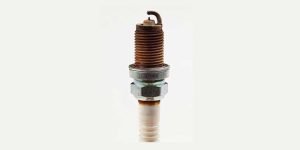
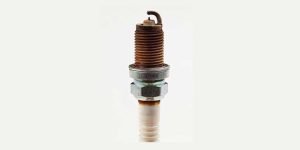
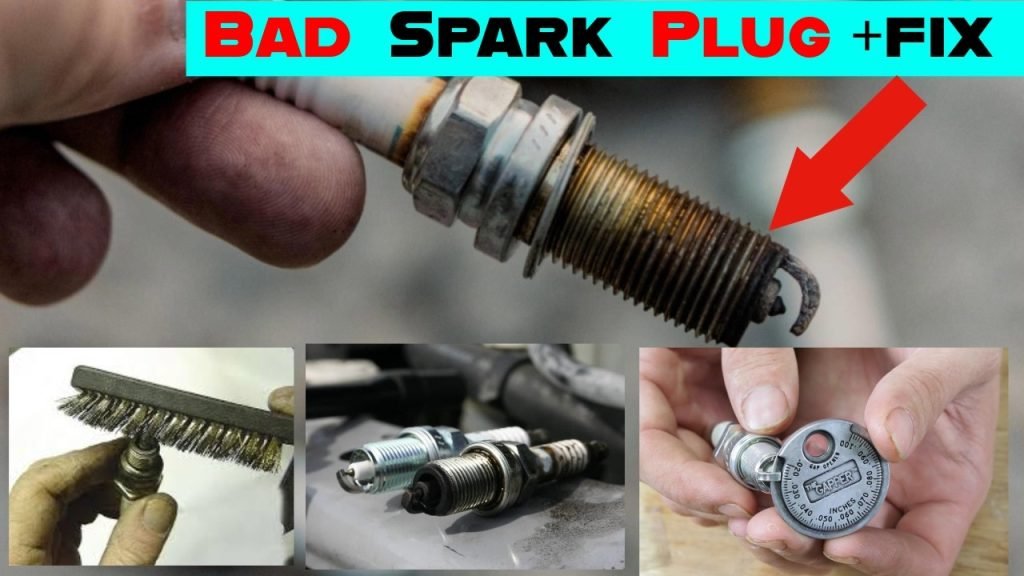
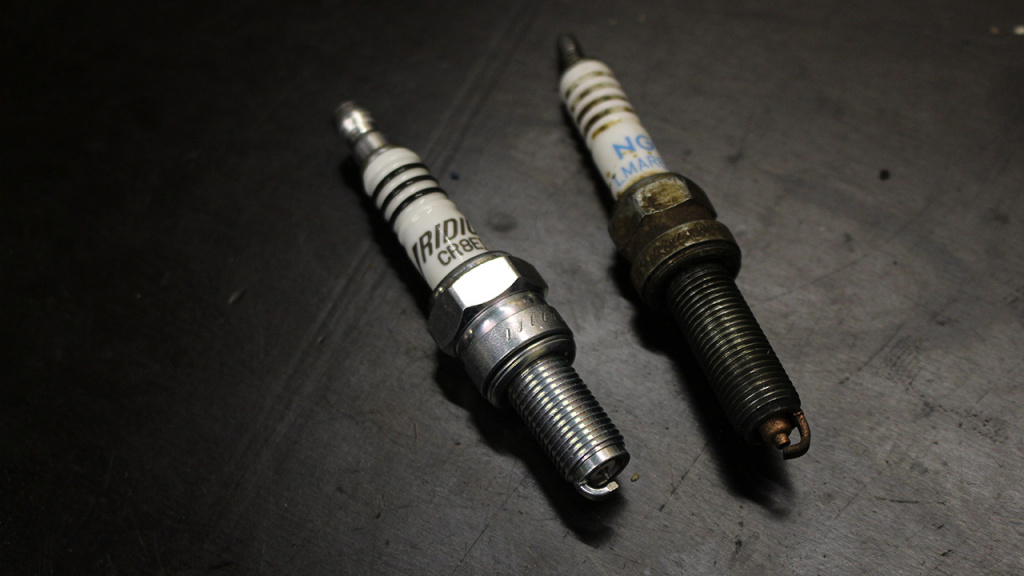
Remove the spark plug and examine it closely. Look for black soot, which means the engine runs rich. White or blistered tips suggest overheating. Cracks or chips on the ceramic insulator show damage. Oil deposits indicate worn engine parts. These signs help identify the plug’s condition.
Using A Spark Plug Tester
A spark plug tester checks if the plug creates a spark. Connect the tester to the spark plug and engine wire. Crank the engine and watch for a spark inside the tester. No spark means the plug is faulty. Weak or inconsistent sparks also show problems. This tool provides a quick and clear test.
Checking Spark Plug Gap
The spark plug gap affects engine ignition. Use a feeler gauge to measure the gap. Compare the measurement with the car’s manual specifications. A gap too wide or narrow can cause misfires. Adjust the gap by gently bending the side electrode. Correct gaps ensure smooth engine operation and better fuel use.
Fixing Spark Plug Problems
Fixing spark plug problems can improve your vehicle’s performance and fuel efficiency. Spark plugs create the spark needed for the engine to run smoothly. When they fail, the engine may misfire, run rough, or lose power. Addressing spark plug issues quickly prevents further engine damage and costly repairs.
Cleaning Spark Plugs
Cleaning spark plugs can restore their function if they are only dirty or fouled. Remove the spark plug carefully using a spark plug socket. Use a wire brush or spark plug cleaner to remove carbon deposits. Avoid damaging the electrode or ceramic insulator. Reinstall the plug and check for improved engine performance.
Replacing Spark Plugs
Replacing spark plugs is necessary if they are worn, cracked, or damaged. Old plugs cause poor ignition and reduce fuel efficiency. Use the correct tools to remove old plugs and avoid damaging the threads. Install new plugs with the right gap size for your engine. Tighten them to the manufacturer’s specifications to prevent leaks or damage.
Choosing The Right Spark Plug
Select spark plugs designed for your vehicle’s make and model. Different engines require different heat ranges and sizes. Use the owner’s manual or a trusted parts guide to find the correct plugs. Choose plugs made from durable materials like iridium or platinum for longer life. Proper plugs improve engine starting and fuel economy.
Regular Maintenance Tips
- Check spark plugs every 30,000 miles or as recommended.
- Inspect for wear, corrosion, or fouling during oil changes.
- Keep the spark plug gap set to the manufacturer’s specs.
- Replace plugs in sets to maintain balanced engine performance.
- Use quality fuel to reduce carbon buildup on plugs.
Credit: finntrail.com

Credit: www.reddit.com
Frequently Asked Questions
What Are The Signs Of A Bad Spark Plug?
A bad spark plug causes engine misfires, rough idling, and poor fuel economy. It may also cause difficulty starting your vehicle and reduced acceleration.
How Does A Bad Spark Plug Affect Engine Performance?
A faulty spark plug reduces combustion efficiency. This leads to lower power output, increased emissions, and stalling issues during driving.
Can A Bad Spark Plug Damage The Catalytic Converter?
Yes, misfires from bad spark plugs can cause unburned fuel to enter the exhaust. This damages the catalytic converter over time.
How Often Should Spark Plugs Be Replaced?
Typically, spark plugs should be replaced every 30,000 to 100,000 miles. Consult your vehicle’s manual for the exact replacement interval.
Conclusion
A bad spark plug can cause many car problems. Your vehicle might misfire or stall. Fuel efficiency could drop, costing more at the pump. The engine may struggle to start or feel less powerful. Regular checks are key. Replacing faulty spark plugs can restore performance.
It keeps your engine running smoothly. Ignoring bad spark plugs could lead to bigger issues. Like engine damage. So, stay proactive with maintenance. It saves time, money, and stress. A small fix today prevents costly repairs tomorrow. Keep your car running well and enjoy the ride.
Safe travels!