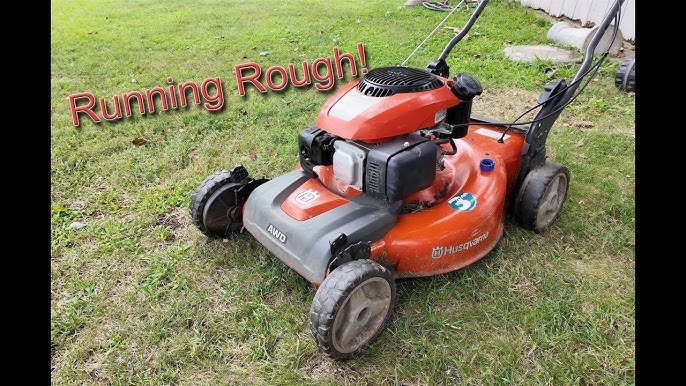
Have you ever noticed your mower acting up, losing power, or running hotter than usual? If your mower runs on a lean fuel mix, it could be the hidden cause behind these problems.
Understanding what happens when the fuel and air mixture is off can save you from costly repairs and frustrating breakdowns. You’ll discover why a lean fuel mix matters, how it affects your mower’s performance, and what you can do to fix it before things get worse.
Keep reading to protect your mower and keep it running smoothly all season long.

Credit: www.lawnsite.com
Causes Of Lean Fuel Mix
Understanding the causes of a lean fuel mix is key to keeping your mower running smoothly. A lean mix means there is too much air and not enough fuel in the combustion process. This imbalance can lead to engine problems, but identifying the root cause helps you fix it quickly and avoid costly repairs.
Carburetor Issues
The carburetor controls the air-fuel mixture. If it’s dirty or clogged, it won’t deliver enough fuel to the engine. Worn-out carburetor parts can also disrupt the fuel flow, causing a lean mix.
Have you checked if your carburetor needs cleaning or adjustment lately? Even small debris can block fuel jets, leading to poor engine performance and overheating.
Air Filter Problems
A clogged or damaged air filter affects airflow, but sometimes it can cause a lean fuel mix instead of a rich one. If the filter is torn, unfiltered air rushes in, diluting the fuel mixture.
Inspect your air filter regularly and replace it if it looks worn or dirty. This simple step ensures the right balance of air and fuel reaches your engine.
Fuel Quality Concerns
Old or contaminated fuel can cause lean running conditions. Gasoline that has been sitting too long loses its volatility, making it harder to vaporize properly in the carburetor.
Do you store your mower fuel for months? Using fresh, clean fuel can prevent lean mixtures and improve engine start-up and performance.
Fuel Line Blockages
Fuel lines can get blocked by dirt, rust, or debris. When fuel flow is restricted, the engine receives less fuel, creating a lean mix.
Check your fuel lines for cracks or clogs. Replacing worn fuel lines can restore proper fuel delivery and keep your mower running efficiently.
Signs Of Running Lean
Running a mower with a lean fuel mix means the engine gets too little fuel and too much air. This condition causes several noticeable problems. Spotting these signs early helps protect the engine from damage and keeps your mower running smoothly.
Engine Overheating
A lean mix causes the engine to run hotter than usual. Without enough fuel, there is less cooling during combustion. This extra heat can damage engine parts quickly. You might notice the mower feels unusually hot to touch or see steam from the engine area.
Loss Of Power
The mower may struggle to cut grass evenly. The engine runs weaker due to insufficient fuel. You might hear the engine labor or see slower blade rotation. This loss of power reduces mowing efficiency and can strain the engine.
Backfiring Or Popping
Lean fuel causes incomplete combustion inside the engine. This can create sharp backfiring or popping sounds. These noises come from unburned fuel igniting in the exhaust. Backfiring often signals fuel and air balance issues.
Unusual Exhaust Smoke
Exhaust smoke from a lean mixture looks different. It often appears thin or almost clear compared to normal smoke. The smoke may also have a faint blue or white tint. This change indicates improper fuel burning inside the engine.
Risks Of Lean Fuel Mix
A lean fuel mix means the engine gets less fuel than needed. This imbalance causes several problems for your mower’s engine and overall performance. Understanding these risks helps you protect your mower and keep it running smoothly.
Engine Damage
A lean fuel mix causes the engine to run hotter than normal. Excess heat can damage engine parts like pistons and valves. Over time, this damage can lead to costly repairs or even engine failure.
Increased Wear And Tear
Running lean increases friction inside the engine. This extra friction wears down components faster. The mower may need new parts sooner than expected, raising maintenance costs.
Reduced Fuel Efficiency
A lean mix can make the engine work harder to produce power. This effort uses more fuel overall, lowering fuel efficiency. You might spend more money on fuel despite the “lean” condition.
Potential Safety Hazards
Excessive heat from a lean mix can cause engine overheating. Overheating increases the risk of fire or sudden breakdowns. This danger makes safe operation of the mower harder to maintain.
Credit: www.searspartsdirect.com
Diagnosing Lean Fuel Problems
Running a mower with a lean fuel mix causes overheating and engine damage. The mower may stall, lose power, or run rough during use. Detecting these signs early helps prevent costly repairs and keeps the mower working smoothly.
Diagnosing lean fuel problems in your mower can be crucial for maintaining its efficiency and prolonging its lifespan. A lean fuel mix means there’s too much air and not enough fuel, causing the engine to run hotter and potentially damaging components. Identifying these issues early can save you from costly repairs down the line. But how can you tell if your mower is suffering from a lean fuel mix? Let’s explore some practical ways to diagnose this issue effectively.Visual Inspection
Start with a thorough visual inspection of your mower. Check for any obvious signs of damage or wear on hoses and connections. Look for cracks or leaks that might be allowing extra air into the system. This simple step can often reveal the root of the problem and is a quick fix if caught early.Fuel System Testing
Testing the fuel system is essential to ensure it’s delivering the right mix. Use a fuel pressure gauge to see if the pressure levels are within the recommended range. If the pressure is low, it may indicate a clog or another issue that needs attention. Regularly checking and cleaning the fuel filter can prevent many of these problems.Spark Plug Analysis
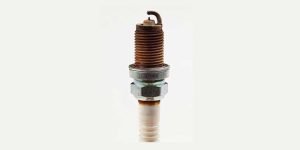
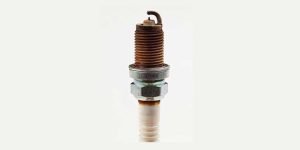
Inspect the spark plugs for signs of a lean condition. A white or blistered spark plug tip can be a clear indicator that your engine is running lean. Replacing worn-out spark plugs and adjusting the fuel mixture can often resolve the issue. Remember, a healthy spark plug should have a light tan color, indicating a balanced fuel mix.Exhaust Emission Checks
Checking the exhaust emissions can also provide clues. If your mower is emitting too much smoke or unusual odors, it might be running lean. Use an exhaust gas analyzer to measure the levels of various gases. High levels of oxygen in the exhaust can confirm a lean condition, prompting further investigation. By paying attention to these signs, you can take proactive measures to correct a lean fuel mix and keep your mower running smoothly. Are you ready to get your hands a little dirty and ensure your mower stays in tip-top shape?Fixing Lean Fuel Mix Issues
Fixing lean fuel mix issues is crucial for mower performance. A lean mix means too much air and not enough fuel. This causes engine problems like overheating and poor power. The good news: many fixes are simple and effective.
Cleaning or replacing parts can restore the right balance. Using clean fuel and proper filters also helps. These steps improve engine life and mowing efficiency. Let’s explore key solutions to fix lean fuel mix problems.
Cleaning Or Replacing Carburetor
The carburetor mixes air and fuel for the engine. Dirt or damage can cause a lean mix. Clean the carburetor using a carb cleaner spray. Remove deposits from jets and passages. Replace the carburetor if cleaning does not help.
Changing Air Filters
Dirty air filters block airflow and cause imbalances. Replace filters regularly to ensure clean air. Use filters designed for your mower model. Clean filters improve fuel mix and engine power.
Using Proper Fuel
Old or wrong fuel affects engine performance. Use fresh fuel with the right octane rating. Avoid mixing old fuel with new fuel. Proper fuel keeps the carburetor and engine running smoothly.
Clearing Fuel Lines
Fuel lines can get clogged with dirt or debris. Clear fuel lines to allow steady fuel flow. Check for cracks or leaks and replace damaged lines. Clean fuel lines prevent lean mixture issues and stalling.
Preventing Lean Mix Problems
Preventing lean fuel mix problems in your mower protects its engine and performance. A lean mix means too much air and not enough fuel. This imbalance can cause overheating and engine damage. Careful attention to fuel and engine care helps avoid these issues.
Regular Maintenance Schedule
Keep a routine for mower checkups. Clean or replace air filters often. Check spark plugs for wear and fouling. Inspect fuel lines for cracks or leaks. Tighten loose parts to ensure steady operation. Follow the manufacturer’s maintenance guide strictly.
Using Quality Fuel
Choose fresh, clean fuel without additives that harm engines. Avoid old or contaminated gasoline. Use fuel with the right octane rating. Store fuel in approved containers to keep it pure. Poor fuel quality can cause a lean mix and damage.
Proper Storage Practices
Empty the fuel tank before long storage. Run the engine until it stops to clear fuel lines. Store the mower in a dry, cool place. Cover the mower to protect it from dust and moisture. Proper storage keeps fuel fresh and parts safe.
Timely Component Replacement
Replace worn parts promptly. Change air filters based on use and condition. Swap old spark plugs to maintain spark quality. Update fuel lines if brittle or cracked. Timely replacement prevents lean mix problems and engine strain.

Credit: www.reddit.com
Frequently Asked Questions
What Causes A Mower To Run Lean Fuel Mix?
A lean fuel mix occurs when there’s too much air and not enough fuel. It can be caused by clogged jets, air leaks, or incorrect carburetor settings. This imbalance reduces engine performance and can cause damage if not fixed promptly.
How Does Running Lean Fuel Mix Affect Mower Engine?
Running a lean mix causes the engine to overheat, leading to poor performance. It increases wear and risks piston damage. The mower may stall, hesitate, or lose power, shortening its lifespan without proper maintenance.
Can A Lean Fuel Mix Damage Mower Pistons?
Yes, a lean fuel mix can cause piston overheating and damage. Insufficient fuel leads to higher combustion temperatures, causing piston warping or holes. This damage can be costly and may require engine rebuild or replacement.
How To Detect If Mower Runs Lean Fuel Mix?
Signs include engine overheating, backfiring, hesitation, and poor acceleration. You may notice rough idling or stalling. Inspecting the carburetor and spark plug can confirm if the fuel mix is lean.
Conclusion
Running a mower with a lean fuel mix can cause serious engine problems. It may lead to overheating and poor performance. The mower might stall or lose power during use. Repair costs can rise if the issue stays ignored. Regularly check and maintain the fuel system to avoid trouble.
Proper fuel mix keeps your mower running smoothly and longer. Take care of small issues early to save time and money. Your mower works best with the right fuel balance.