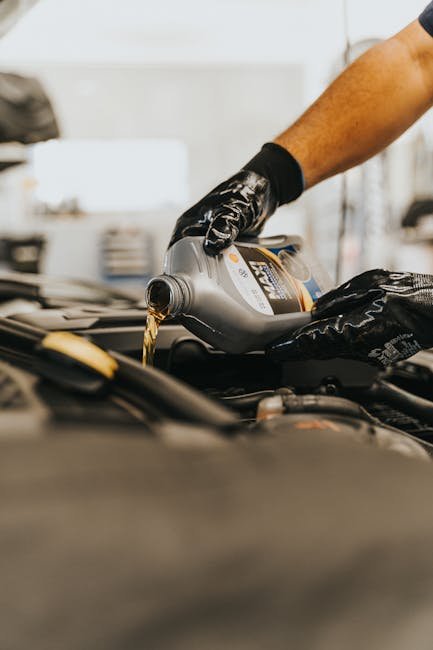
Have you ever wondered what happens if you don’t change the oil in your mower? It might seem like a small task, but skipping this simple step can lead to big problems.
Your mower’s engine relies on clean oil to run smoothly, and when the oil gets old or dirty, it can cause serious damage. If you want your mower to last longer and work better, understanding the risks of not changing the oil is crucial.
Keep reading to find out what could go wrong and how you can protect your mower with just a little maintenance.

Credit: www.reddit.com
Why Mower Oil Matters
Oil is the lifeblood of your mower’s engine. It keeps parts moving smoothly and stops them from wearing out fast. Without clean oil, the engine faces many problems that can shorten its life and reduce its power. Understanding why mower oil matters helps protect your machine and save money on repairs.
Role Of Oil In Engine Health
Oil lubricates engine parts, reducing friction and heat. It creates a thin layer between metal components to prevent damage. Oil also cleans the engine by carrying away dirt and tiny metal bits. It helps cool the engine by carrying heat away from moving parts. Good oil keeps the engine running smoothly and efficiently.
Consequences Of Dirty Oil
Dirty oil loses its ability to lubricate properly. Grit and sludge build up inside the engine, causing parts to wear out quickly. Over time, this leads to overheating and poor engine performance. The engine may start hard or run roughly. Ignoring dirty oil can cause costly repairs or even total engine failure.
Signs Of Neglected Oil Change
Ignoring the mower’s oil change schedule can lead to serious engine problems, but how can you tell if the oil has been neglected? There are clear signs your mower is trying to tell you something is wrong. Recognizing these early can save you time, money, and frustration down the line.
Unusual Engine Noises
If your mower starts making knocking, ticking, or grinding sounds, it’s a red flag. These noises often mean the oil isn’t lubricating the engine properly. Without clean oil, metal parts rub together, causing wear and tear that you can actually hear.
Have you noticed your mower sounding rougher than usual? Don’t ignore it—this could be the first sign your oil needs changing.
Excessive Smoke Emission
Thick blue or black smoke from your mower’s exhaust is a clear sign of oil issues. Dirty or old oil can cause the engine to burn oil, creating excessive smoke. This not only harms your mower but also affects your lawn’s health with harmful emissions.
Next time you see more smoke than usual, consider checking the oil condition before the problem gets worse.
Reduced Performance
Has your mower been struggling to cut grass evenly or feels sluggish? Poor oil quality can reduce engine efficiency, leading to less power and slower operation. This means more work and frustration for you.
Think about how your mower has been performing lately. If it feels weaker or stalls easily, it might be time to change the oil and restore its strength.
Risks Of Not Changing Mower Oil
Neglecting to change the oil in your lawn mower can lead to a host of issues that can drastically shorten its lifespan and affect its performance. Regular oil changes are essential for maintaining the health of your mower’s engine. If you skip this crucial maintenance step, you might find yourself facing expensive repairs or even needing a new mower.
Engine Overheating
Old oil loses its ability to lubricate effectively, causing the engine to run hotter than normal. This can lead to overheating, which can warp or damage engine components. Imagine mowing on a hot day and suddenly, your mower sputters to a stop because the engine overheated—what a frustrating setback!
Increased Wear And Tear
Without fresh oil, the moving parts of your mower’s engine grind against each other with more friction. This increased wear can cause parts to fail prematurely, leading to costly repairs. Regular oil changes keep everything running smoothly, extending the life of your mower.
Potential Engine Seizure
One of the worst-case scenarios of not changing your mower’s oil is engine seizure. When the oil is too old, it becomes thick and sludgy, failing to lubricate the engine. This can cause the engine to seize up, leaving you with a machine that won’t start and a hefty repair bill.
Are you willing to risk the health of your mower for the sake of skipping a simple maintenance task? A little effort today can save you time, money, and frustration tomorrow. Take care of your mower, and it will take care of your lawn.
Credit: www.familyhandyman.com
Common Repairs From Neglect
Neglecting to change your mower’s oil can lead to costly repairs that disrupt your routine and drain your wallet. Over time, dirty oil loses its ability to lubricate engine parts, causing increased friction and wear. This neglect often results in specific, common repairs that you can avoid with simple maintenance.
Oil Pump Replacement
The oil pump plays a crucial role in circulating oil throughout your mower’s engine. Without clean oil, the pump can become clogged or damaged, leading to poor oil flow. When this happens, the pump may fail, forcing you to replace it to restore proper lubrication.
Have you ever noticed your mower running hotter than usual? That could be an early sign of oil pump issues. Addressing this promptly can save you from bigger engine troubles.
Engine Rebuilds
Dirty or old oil causes metal parts to grind against each other, wearing down critical components. Over time, this damage accumulates and can require a complete engine rebuild. This repair involves replacing worn pistons, rings, and bearings to bring the engine back to life.
Think about how much time and money goes into an engine rebuild. Wouldn’t regular oil changes be a smarter way to protect your investment?
Complete Engine Replacement
If neglect continues, the engine may suffer irreversible damage that rebuilds can’t fix. At this stage, a complete engine replacement becomes necessary. This is the most expensive repair and often forces you to consider buying a new mower.
Would you rather spend a small amount on oil changes or face the headache of replacing your entire engine? The choice is clear when you weigh the consequences of neglect.
Estimating Repair Costs
Estimating repair costs after neglecting mower oil changes helps prepare for expenses ahead. The damage varies from small fixes to costly engine work. Understanding types of repairs clarifies what to expect.
Minor Repairs And Maintenance
Minor repairs often involve cleaning or replacing filters and spark plugs. Oil sludge build-up may cause clogs needing attention. These fixes usually cost less and take less time. Regular oil changes can prevent these small issues.
Major Engine Repairs
Major repairs occur when oil neglect leads to engine wear or failure. Replacing pistons, bearings, or cylinders can be very expensive. Sometimes, the entire engine needs replacement. These repairs demand professional service and parts.
Factors Influencing Costs
- Type and model of the mower
- Severity of engine damage
- Labor rates in your area
- Availability of parts
- Whether the mower is under warranty
Costs can vary widely based on these factors. Knowing them helps plan your budget better.

Credit: www.youtube.com
Preventive Maintenance Tips
Proper preventive maintenance can save your mower from costly repairs and extend its life significantly. Skipping oil changes is a common mistake that many overlook until they face engine trouble. Understanding how to care for your mower through simple, regular steps will keep it running smoothly and efficiently.
Oil Change Frequency
Changing your mower’s oil regularly is crucial. Most manufacturers recommend changing the oil after every 25 hours of use or at least once a mowing season. If you use your mower heavily or in dusty conditions, consider changing the oil more often to avoid sludge buildup that can clog the engine.
I once delayed an oil change because the mower seemed fine, but it ended up overheating during a long job. That experience taught me the value of sticking to the recommended schedule—even if the mower feels okay.
Choosing The Right Oil
Not all oils are created equal. Using the right oil type and viscosity ensures your mower’s engine parts stay lubricated and protected. Check your mower’s manual for the recommended oil grade; common choices include SAE 30 for warm weather or 10W-30 for variable temperatures.
Using synthetic oil can also improve performance and last longer between changes. But if you’re unsure, sticking to what the manufacturer suggests avoids unnecessary risks.
Regular Inspection Routines
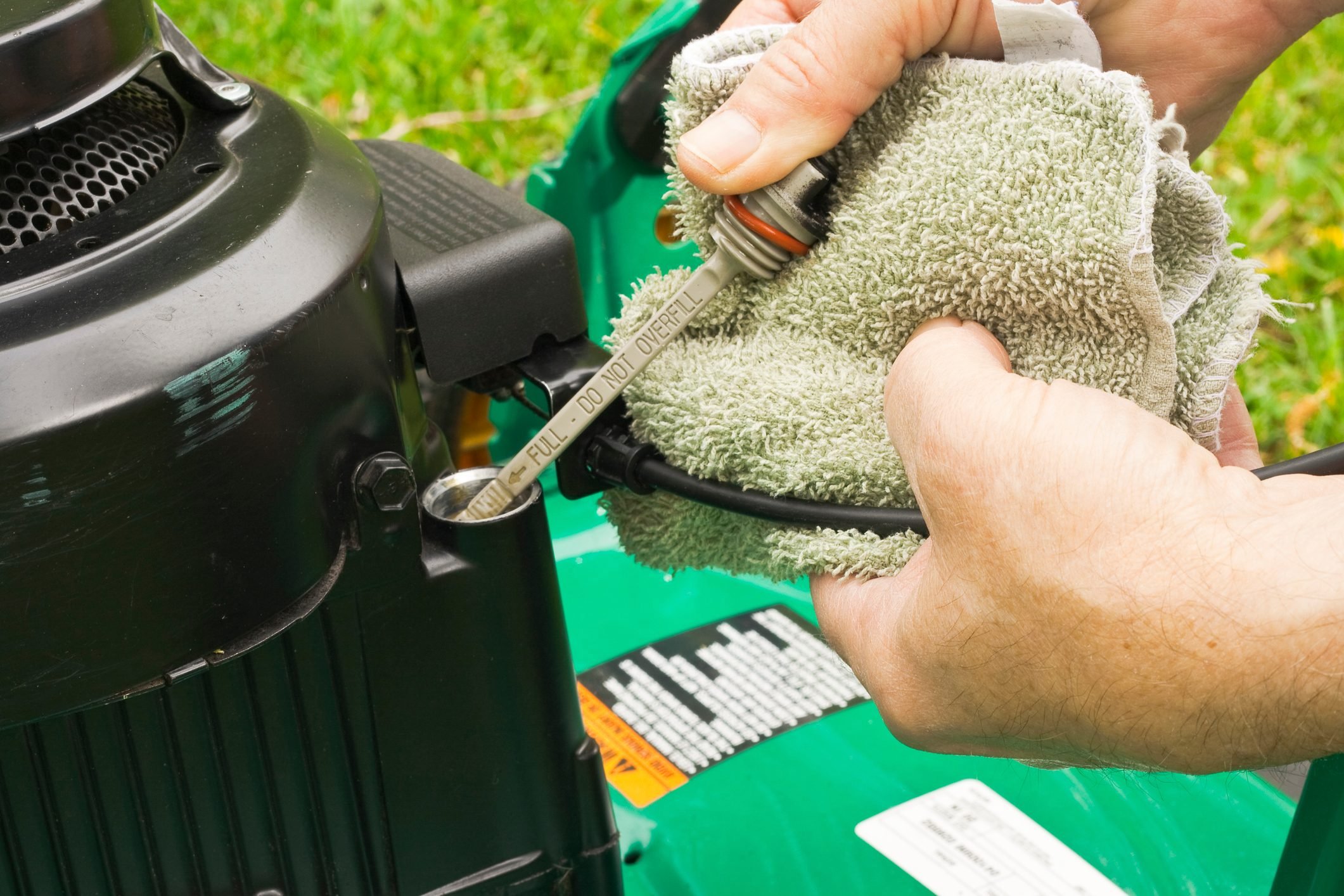
Don’t wait for a problem to appear before inspecting your mower. Make it a habit to check oil levels before each use and look for leaks or discoloration. Dark, gritty oil signals it’s time for a change.
- Check the oil dipstick for correct levels.
- Look under the mower for any oil spots.
- Listen for unusual engine noises that might indicate lubrication issues.
These quick checks can catch small problems early, saving you time and money. What’s one inspection step you can add to your routine this week?
Frequently Asked Questions
What Happens If Mower Oil Is Not Changed Regularly?
Not changing mower oil causes engine wear and overheating. Dirty oil loses lubrication, leading to poor performance and potential engine failure.
How Often Should Mower Oil Be Changed?
Change mower oil every 25-50 hours of use or annually. Frequent changes keep the engine clean, lubricated, and running smoothly.
Can Old Oil Damage My Mower Engine?
Yes, old oil thickens and contains contaminants. This damages engine parts, reduces efficiency, and may cause costly repairs.
What Are Signs Mower Oil Needs Changing?
Look for dark, dirty oil, engine overheating, or reduced power. These signs indicate the oil is degraded and requires replacement.
Conclusion
Failing to change mower oil causes engine damage over time. Old oil thickens and clogs parts. This leads to poor mower performance and higher fuel use. Engine parts wear out faster without clean oil. Repair costs can become expensive quickly.
Regular oil changes keep your mower running smoothly. Protect your mower by changing oil on time. It saves money and extends engine life. Don’t let dirty oil ruin your mower’s power. Take simple steps to maintain your mower today.