Have you ever wondered what happens if your mower battery gets overcharged? It might seem like a small issue, but overcharging can cause serious problems for your mower’s performance and safety.
If you want to keep your mower running smoothly and avoid costly repairs, understanding the risks and signs of an overcharged battery is crucial. Keep reading to discover exactly what happens inside your battery when it’s overcharged, how to spot the warning signs, and what you can do to protect your mower and yourself.
Don’t let a simple mistake turn into a big headache!
Causes Of Overcharging
Overcharging your mower battery can lead to serious damage, but understanding why overcharging happens is the first step to preventing it. Several factors can cause your battery to receive too much power, each with its own warning signs and fixes. Knowing these causes helps you take control and protect your mower’s performance and lifespan.
Charger Malfunction
A faulty charger is one of the most common reasons batteries get overcharged. Sometimes the charger’s automatic shutoff feature fails, leaving the battery plugged in and continuously charging.
I once left my mower charging overnight only to find the battery swollen the next morning. The charger’s circuitry was damaged, causing it to pump excess current. Regularly inspecting your charger for physical damage and testing it with a multimeter can save you from costly battery replacements.
Improper Charging Practices
Charging your mower battery incorrectly can easily lead to overcharging. Leaving the battery connected for too long or using a charger not designed for your battery’s capacity are common mistakes.
Ask yourself: How long do you usually leave your battery on the charger? Most mower batteries need only a few hours to fully charge. Overcharging by leaving it plugged in overnight stresses the battery and reduces its efficiency over time.
Battery Type Compatibility
Different batteries require different charging methods. Using a charger meant for lead-acid batteries on a lithium-ion mower battery, for example, can cause overcharging.
Each battery type has specific voltage and current needs. Charging with the wrong settings may push the battery beyond its limits, leading to overheating or permanent damage. Always check your mower’s manual to match the charger with your battery type.

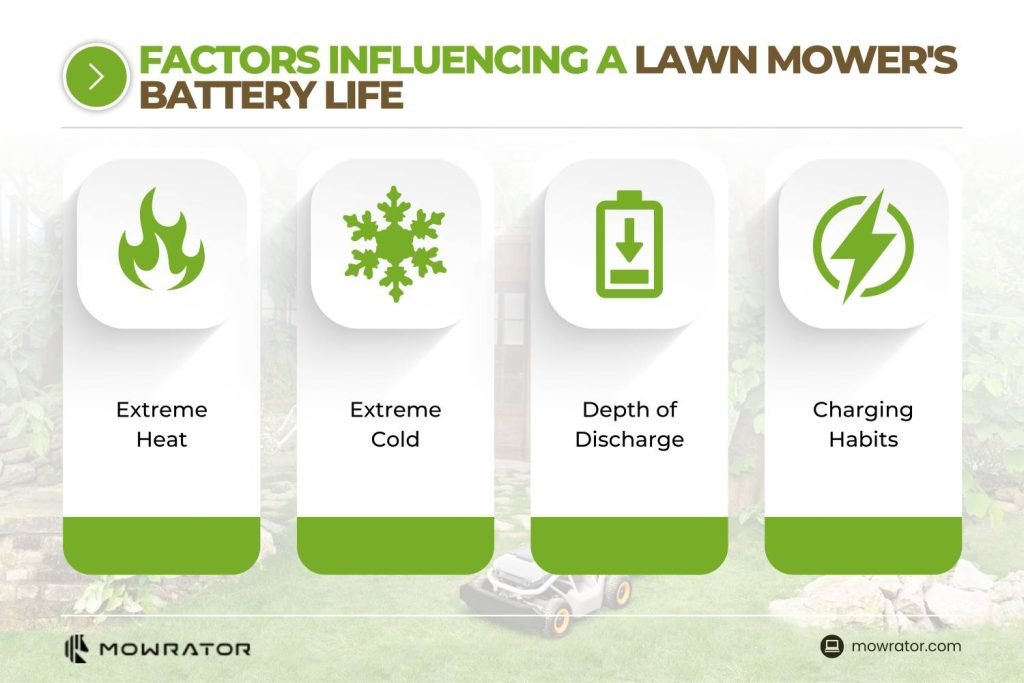
Credit: mowrator.com
Signs Of Overcharged Battery
Recognizing the signs of an overcharged mower battery is crucial for safety and battery health. Overcharging damages the battery and reduces its performance. Early detection helps prevent serious issues and costly repairs.
Swelling And Leakage
Overcharged batteries often swell due to internal gas buildup. The battery case may look bloated or misshapen. Leakage of battery acid can occur, causing corrosion and damage. This leakage is harmful and must be handled carefully.
Excessive Heat
An overcharged battery becomes very hot during or after charging. The heat can feel unusual compared to normal charging warmth. Excess heat may lead to melting or warping of battery components. This is a clear warning sign to stop charging immediately.
Reduced Battery Life
Overcharging shortens the battery’s overall lifespan. The battery may hold less charge and run out faster. Frequent overcharging causes capacity loss and weak performance. This means the mower will need more frequent battery replacements.
Risks Of Overcharging
Overcharging a mower battery can cause overheating and damage its cells. This reduces battery life and may lead to leaks or even fire risks. Proper charging helps keep the battery safe and working well.
Overcharging a mower battery can lead to serious risks. It might seem harmless, but the consequences are significant. Understanding these risks can prevent damage and ensure safety.Fire Hazards
Overcharging can cause batteries to overheat. This increases the risk of fire. The heat generated can ignite flammable materials nearby. This poses a danger not only to your mower but also to your surroundings. Always monitor charging to prevent overheating.Damage To Mower Components
Excessive charging can damage internal components. The battery may swell or leak. This can affect the mower’s performance. Damaged parts may need costly repairs or replacements. It’s crucial to use a charger with overcharge protection.Environmental Impact
Overcharging contributes to battery degradation. This reduces the battery’s lifespan. Disposing of batteries frequently harms the environment. Batteries contain harmful chemicals. Proper charging practices can minimize environmental impact.Preventing Overcharge
Preventing overcharge protects your mower battery from damage and extends its life. Overcharging can cause overheating, reduce battery capacity, and even lead to leaks or explosions. Taking simple steps helps keep your battery healthy and your mower ready for use.
Using Smart Chargers
Smart chargers stop charging once the battery is full. They adjust the power flow to avoid overcharge. This technology prevents overheating and keeps the battery safe. Choose chargers designed for your mower’s battery type.
Regular Battery Maintenance
Check battery terminals for corrosion and clean them often. Inspect the battery for cracks or leaks. Keep the battery dry and store it in a cool place. Regular care helps spot problems early and improves battery performance.
Proper Charging Schedules
Charge the battery only when needed, not too often. Avoid charging it overnight or for long hours. Follow the manufacturer’s guidelines on how long to charge. This practice prevents overcharge and keeps the battery in good shape.
Safe Solutions After Overcharge
Overcharging a mower battery can cause damage and reduce its lifespan. Taking safe steps after overcharging helps protect your mower and ensures safety. Addressing the issue early can prevent leaks, swelling, or even fire hazards. Proper care after overcharge keeps the battery and mower in good condition.
Battery Inspection And Testing
Check the battery for any visible damage like cracks or swelling. Look for leaks or corrosion on the terminals. Use a multimeter to test the voltage and charge level. Normal voltage means the battery may still work. Low voltage or no charge suggests damage. Testing ensures you know the battery’s condition before reuse.
Replacing Damaged Batteries
Remove the battery if it shows signs of damage. Use gloves and safety glasses for protection. Dispose of the old battery safely to avoid harm. Choose a replacement battery matching the mower’s specifications. Installing a new battery restores mower performance and safety. Regular checks prevent future overcharge problems.
Disposal And Recycling Tips
Never throw batteries in household trash. Batteries contain harmful chemicals that pollute the environment. Take old batteries to a recycling center or hazardous waste facility. Some stores offer battery recycling services. Proper disposal helps protect nature and complies with laws. Always follow local guidelines for battery disposal.

Credit: mowrator.com
Credit: uknavimow.com
Frequently Asked Questions
What Are The Signs Of An Overcharged Mower Battery?
Signs include swelling, overheating, leakage, and reduced battery life. The battery may also emit a strong odor or fail to hold charge properly.
Can Overcharging Damage My Mower Battery Permanently?
Yes, overcharging can cause irreversible damage. It reduces battery efficiency, shortens lifespan, and may lead to safety hazards like leaks or explosions.
How Can I Prevent Mower Battery Overcharging?
Use a smart charger with automatic shut-off features. Regularly monitor charging time and avoid leaving the battery connected to the charger too long.
Is It Safe To Use An Overcharged Mower Battery?
No, using an overcharged battery is unsafe. It can cause overheating, leaks, and potential fire risks. Always check battery condition before use.
Conclusion
Overcharging a mower battery can cause serious damage. It reduces battery life and lowers performance. The battery may overheat or leak harmful chemicals. This can be unsafe and costly to fix. To keep your mower working well, charge the battery properly.
Use the right charger and avoid leaving it plugged in too long. Regular checks help spot problems early. Taking care of the battery saves money and time. Stay safe and keep your mower ready for every job.