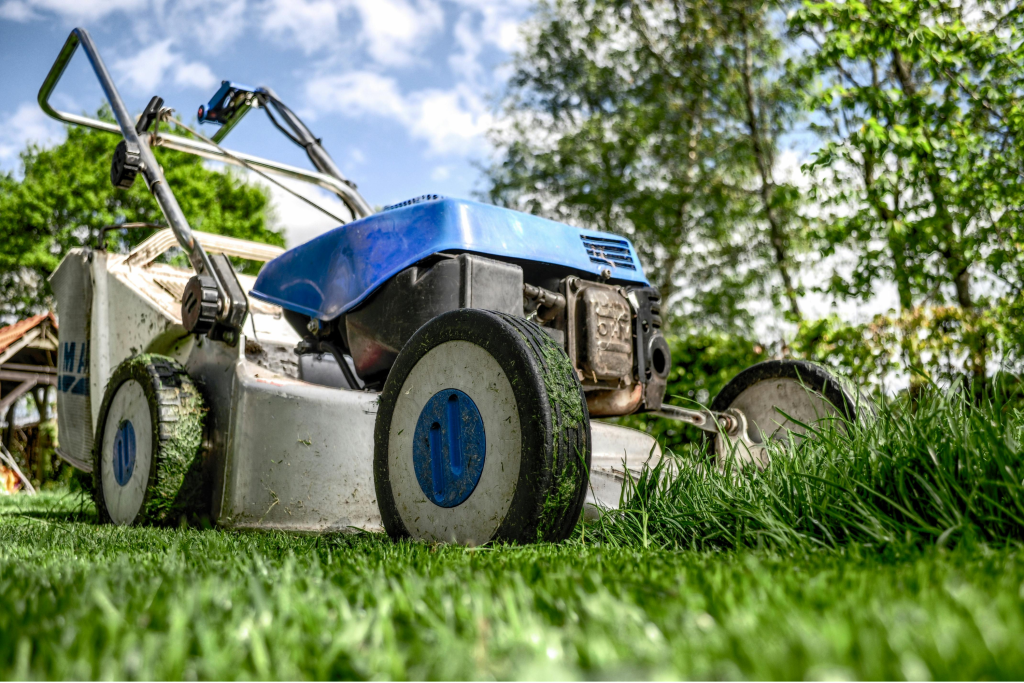
Are you tired of your lawn mower sputtering out halfway through a job? Choosing the right gas can make all the difference in keeping your mower running smoothly.
With so many options available, it can be confusing to know what’s best for your machine. Understanding the right fuel can not only extend the life of your lawn mower but also enhance its performance, saving you time and frustration.
In this guide, we’ll clear up the mystery and help you make the best choice. Stick around to discover the secret to a flawless mowing experience every time.

Credit: ahmcorp.com
Types Of Gas For Lawn Mowers
Choosing the right gas for lawn mowers impacts their performance and lifespan. Different types of fuels affect engine efficiency, emissions, and maintenance needs. Understanding these options helps keep your mower running smoothly and saves money. Below are common types of gas used in lawn mowers.
Regular Unleaded Gas
Regular unleaded gas is the most common fuel for lawn mowers. It usually contains 87 octane, which suits most small engines. This gas is affordable and widely available. It burns cleanly and provides good power for standard mowing tasks. Most manufacturers recommend regular unleaded gas unless stated otherwise.
Premium Gasoline
Premium gasoline has a higher octane rating, typically 91 or above. It can prevent engine knocking in high-performance mowers. But many mowers do not need premium gas and won’t gain extra power. Using premium gas in regular engines often leads to unnecessary fuel costs. Check your mower’s manual before choosing premium fuel.
Ethanol-blended Fuels
Ethanol-blended fuels mix gasoline with ethanol, usually 10% or less. Ethanol can attract water and cause corrosion inside the engine. Some older mowers may not run well on ethanol blends. Newer models often tolerate these blends fine. Using ethanol-free gas extends engine life but costs more. Always verify fuel recommendations for your mower.
Propane And Alternatives
Propane and other alternative fuels like natural gas offer cleaner burning options. They produce fewer emissions and reduce engine wear. Propane mowers require special conversions or models built for this fuel. Alternatives can save money long term but need more setup and storage care. These fuels suit environmentally conscious users and commercial use.
Gasoline Grades And Their Effects
Choosing the right gasoline grade affects your lawn mower’s engine and performance. Different grades have varied octane levels, which influence how fuel burns inside the engine. Using the proper gasoline grade can protect your mower and improve its efficiency. Understanding these grades helps you make the best fuel choice for your equipment.
Octane Ratings Explained
Octane rating measures fuel’s ability to resist knocking or pinging during combustion. Higher octane means the fuel burns more smoothly under pressure. Common grades include:
- Regular (87 octane)
- Mid-grade (89 octane)
- Premium (91-93 octane)
Lawn mowers usually work well with regular gasoline unless the manufacturer specifies otherwise.
Impact On Engine Performance
Using the correct octane prevents engine knocking, which can damage parts. Higher octane fuel does not always improve performance in small engines. Overusing premium gasoline may not increase power or smoothness. Follow the mower’s manual for the recommended fuel grade to keep the engine running well.
Fuel Efficiency Considerations
Fuel efficiency depends on the engine design and fuel quality. Using the right gasoline grade helps the mower run efficiently. Using higher octane than needed does not improve mileage. Proper fuel choice reduces waste and saves money on fuel costs.
Two-stroke Vs Four-stroke Engines
Two-stroke and four-stroke engines power most lawn mowers. Each engine type has unique fuel needs. Understanding these helps you choose the best gas for your mower. Proper fuel keeps your mower running smoothly and lasts longer.
Fuel Requirements For Two-stroke
Two-stroke engines need a mix of gas and oil. This mix lubricates the engine parts during use. Regular gasoline alone will damage the engine. Use unleaded gas with an octane rating of 87 or higher. Mix it with two-stroke engine oil at the correct ratio. The typical ratio is 50:1 but check your mower’s manual.
Fuel Needs For Four-stroke
Four-stroke engines use straight gasoline, no oil mixed. They have a separate oil reservoir for lubrication. Use unleaded gasoline with at least 87 octane. Avoid using gas with more than 10% ethanol. Ethanol can damage the engine and fuel system. Change the oil regularly to keep the engine healthy.
Mixing Oil And Gas
Mix two-stroke oil and gas in a clean container. Use the right ratio from the mower’s guide. Shake the container gently to blend the mix well. Never add oil directly into the mower’s gas tank. Prepare only the amount you will use soon. Old mixes lose effectiveness and can harm the engine.
Ethanol And Its Impact
Understanding ethanol and its impact on lawn mower gasoline is crucial for keeping your mower running smoothly. Ethanol is a common additive in many fuels, but it can affect your mower’s engine in ways you might not expect. Knowing the details helps you choose the right gas and avoid costly repairs.
Ethanol Content In Gasoline
Most regular gasoline contains up to 10% ethanol, often labeled as E10. This blend is popular because ethanol is a renewable resource and helps reduce emissions. However, some fuels have higher ethanol levels like E15 or E85, which are not recommended for lawn mowers.
If you use gas with too much ethanol, your mower’s performance can suffer. Always check your mower’s manual to find the maximum ethanol percentage it can handle. Sticking to E10 or less is usually the safest bet for most small engines.
Effects On Engine Durability
Ethanol attracts water, and water in the fuel can cause rust and corrosion inside your mower’s engine. Over time, this can damage critical parts like the carburetor and fuel lines. I once ignored this and ended up replacing the carburetor—an expensive and avoidable mistake.
Besides corrosion, ethanol burns hotter and can degrade rubber seals and gaskets faster. This leads to leaks and reduced engine life. Using ethanol-free gas or a stabilizer can help protect your mower.
Storage And Stability Issues
Gasoline with ethanol has a shorter shelf life than pure gasoline. If you store fuel for more than 30 days, it can separate into layers, causing engine problems when you start your mower. Have you ever tried starting a mower after winter only to find it won’t run? Ethanol is often the culprit.
To avoid this, use fresh fuel or add a fuel stabilizer when storing your mower. Drain the tank if you won’t use your mower for several months. These simple steps can save you from frustrating starts and costly repairs.
Choosing The Right Fuel
Choosing the right fuel for your lawn mower is important for its performance and life. Using the wrong type of gas can cause engine problems or reduce power. Picking the proper fuel helps the mower run smoothly and makes your work easier.
Manufacturer Recommendations
Always check the owner’s manual for fuel advice. Manufacturers suggest specific gas types to keep the engine safe. Most small engines use regular unleaded gasoline with an octane rating of 87. Avoid using gas with more than 10% ethanol unless the manual says it is safe.
Matching Fuel To Lawn Mower Type
Different mowers need different fuels. Gas-powered push mowers usually run well on regular unleaded gas. Riding mowers and larger models may need higher-octane fuel or a fuel mix. Two-stroke engines require a mix of gasoline and oil. Using the right fuel type ensures the engine runs without issues.
Seasonal Fuel Choices
Fuel quality can change with seasons. Use fresh gas in spring and summer for better performance. Winter blends have additives to prevent fuel from freezing in cold weather. Store fuel in a cool, dry place to keep it fresh. Old fuel can cause starting problems and engine damage.

Credit: www.youtube.com
Fuel Maintenance Tips
Proper fuel maintenance keeps your lawn mower running smoothly longer. Clean fuel helps the engine start easily and reduces damage. Follow simple tips to keep your gas fresh and your mower in top shape.
Proper Storage Practices
Store fuel in a cool, dry place away from sunlight. Use approved containers to prevent leaks and spills. Avoid keeping gas in your mower tank for long periods. Empty the tank if you won’t use the mower for more than 30 days.
Using Fuel Stabilizers
Fuel stabilizers stop gas from breaking down and losing power. Add stabilizer to fresh fuel before storing it. This keeps the fuel fresh for up to 12 months. Always follow the instructions on the stabilizer label for best results.
Avoiding Fuel Contamination
Contaminated fuel can clog the engine and cause poor performance. Keep the gas container clean and sealed tightly. Avoid filling your mower in dusty or wet areas. Use a fuel filter to catch dirt and water before they reach the engine.
Environmental And Safety Considerations
Choosing the right gas for your lawn mower goes beyond performance and cost. You also need to consider how your choice affects the environment and your safety. Understanding these factors helps you make smarter decisions that protect your health and the planet.
Emissions And Pollution
Lawn mowers release pollutants like carbon monoxide, nitrogen oxides, and unburned hydrocarbons. These emissions contribute to air pollution and can harm your local environment.
Using cleaner fuels, such as ethanol blends or fresh gasoline, can reduce harmful emissions. Some modern mowers also support propane or electric options, which produce fewer pollutants. Have you thought about how your lawn mower’s emissions impact your neighborhood air quality?
Safe Handling And Storage
Gasoline is highly flammable and requires careful handling. Always store fuel in approved containers away from heat sources and direct sunlight.
Keep gas out of reach of children and pets to avoid accidental poisoning or fires. When refueling, avoid spills and never smoke nearby. Your vigilance can prevent accidents and keep your family safe.
Disposal Of Old Fuel
Old gasoline can degrade and become unstable, posing fire hazards and environmental risks if not disposed of properly. Never pour old fuel down drains or onto the ground.
Check for local hazardous waste disposal programs where you can safely drop off old fuel. Taking this step protects soil and water from contamination and keeps your community safe.

Credit: www.reddit.com
Frequently Asked Questions
What Type Of Gas Is Best For Lawn Mowers?
Regular unleaded gasoline with an octane rating of 87 is best for most lawn mowers. It ensures efficient engine performance and prevents knocking. Avoid using gasoline with more than 10% ethanol, as it can damage small engines over time.
Can I Use Ethanol-free Gas In My Lawn Mower?
Yes, ethanol-free gas is ideal for lawn mowers. It prevents engine damage and improves fuel stability. Using ethanol-free fuel reduces the risk of corrosion and helps maintain the mower’s longevity and efficiency.
Is Premium Gas Necessary For Lawn Mowers?
No, premium gas is generally not necessary for lawn mowers. Most mowers run efficiently on regular 87 octane gasoline. Using premium gas usually offers no performance benefit and increases operating costs unnecessarily.
How Does Ethanol Content Affect Lawn Mower Gas?
High ethanol content can harm lawn mower engines by attracting moisture and causing corrosion. It also reduces fuel efficiency and can clog carburetors. Use gas with 10% or less ethanol to protect your mower’s engine and maintain performance.
Conclusion
Choosing the right gas keeps your lawn mower running well. Use fresh, clean fuel for best results. Avoid old or contaminated gas to prevent engine problems. Check your mower’s manual for fuel type recommendations. Proper fuel helps your mower last longer and work better.
Small steps make a big difference in lawn care. Keep your mower ready, and your yard will look great all season. Simple care leads to smoother mowing every time.





