Choosing the right gas for your lawn mower might seem like a small decision, but it can have a big impact on the performance and lifespan of your machine. If you’ve ever stood at the gas pump, wondering which option is best for your trusty mower, you’re not alone.
Using the wrong type of gas can lead to frustrating engine problems, costly repairs, and more time spent trying to fix issues than enjoying your beautifully mowed lawn. Wouldn’t it be great to spend less time worrying about your equipment and more time enjoying a perfectly groomed yard?
You’ll discover the simple yet crucial details about the best type of gas for your lawn mower, ensuring smooth operation and peace of mind. Let’s dive into the facts that will keep your mower running smoothly and your lawn looking flawless.
Types Of Gas For Lawn Mowers
Choosing the right type of gas for your lawn mower is more important than you might think. The kind of fuel you use affects your mower’s performance, its lifespan, and even the environment around your yard. Understanding the differences between available fuel options helps you make smarter choices and avoid costly mistakes.
Regular Unleaded Gas
Regular unleaded gas is the most common fuel used in lawn mowers. It usually contains 87 octane, which is enough for most standard push mowers and riding mowers. If your mower’s manual doesn’t specify a premium fuel, regular unleaded is typically the safest and most cost-effective choice.
One thing to remember is to always use fresh gas. Old fuel can cause starting problems and damage your engine over time. Have you noticed your mower sputtering after sitting unused for a while? That could be stale gas at work.
Premium Gasoline
Some lawn mowers, especially high-performance or commercial models, require premium gasoline with a higher octane rating (usually 91 or above). This fuel burns cleaner and can improve engine efficiency and power. However, if your mower doesn’t call for premium, using it won’t necessarily give you better results.
Think about your mower’s needs before grabbing premium at the pump. Paying extra for fuel that your mower doesn’t require is like buying a sports car and never driving it fast.
Ethanol-blended Fuels
Ethanol blends like E10 (10% ethanol, 90% gasoline) are common at gas stations today. They’re cheaper and burn cleaner but can cause issues in small engines over time. Ethanol attracts moisture, which can lead to corrosion and fuel system problems if your mower sits unused for months.
Consider using ethanol-free gas if you store your mower over winter or don’t use it often. It might cost a bit more, but it protects your engine and reduces maintenance headaches. Have you ever dealt with clogged carburetors? Ethanol could be the culprit.
Gasoline And Oil Mix For 2-stroke Engines
Some lawn mowers, especially handheld models like trimmers or leaf blowers, use 2-stroke engines that require a mix of gasoline and oil. This mixture lubricates the engine since it doesn’t have a separate oil reservoir. Using the wrong ratio can cause engine damage or excessive smoke.
Always check your mower’s manual for the correct gas-to-oil ratio before mixing. Many recommend a 50:1 or 40:1 ratio, but it varies by brand and model. Have you ever wondered why your 2-stroke mower smokes so much? It might be time to adjust your fuel mix.
Choosing The Right Gas
Choosing the right gas for your lawn mower is more important than many people realize. The type of fuel you use directly affects the engine’s performance and lifespan. Using the wrong gas can lead to starting problems, poor cutting, and expensive repairs.
Engine Requirements
Your lawn mower’s engine is designed to run on a specific type of fuel. Small engines, like those on most push mowers, usually require regular unleaded gasoline. However, some models, especially two-stroke engines, need a gas-oil mix to operate properly.
Check if your mower uses a four-stroke or two-stroke engine. Four-stroke engines use regular gas and separate oil, while two-stroke engines require you to mix oil with the gas. Using the wrong fuel type can cause the engine to sputter or even seize up.
Manufacturer Recommendations
Always follow the manufacturer’s fuel recommendations found in your mower’s manual. These guidelines are tailored to your engine’s design and will help you maintain peak performance. Skipping this step can void your warranty and lead to unnecessary damage.
Some manufacturers specify the exact octane rating and whether ethanol-free gas is preferred. If your mower manual suggests ethanol-free fuel, it’s best to avoid gas with high ethanol content, as ethanol can damage small engines over time. Have you checked your manual today?
Fuel Octane Ratings
Octane rating measures a fuel’s ability to resist knocking during combustion. Most lawn mowers run well on regular 87 octane gasoline. Using a higher octane fuel rarely improves performance and only adds to your costs.
However, if your mower’s manual calls for a higher octane, don’t ignore it. Using lower octane gas in such engines can cause knocking, reduce power, and increase wear. Choosing the right octane is about matching the fuel to your engine’s needs, not simply buying premium gas.
Impact Of Fuel Quality On Performance
The quality of fuel you use in your lawn mower directly affects how well it runs. Poor fuel can cause your engine to sputter, lose power, or even fail prematurely. Understanding the impact of fuel quality helps you make smarter choices that keep your mower efficient and reliable.
Engine Efficiency
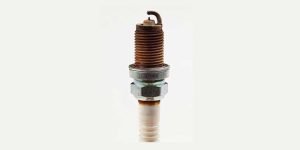
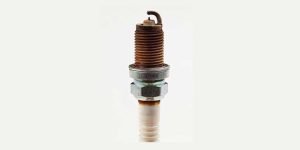
Good fuel burns cleaner and more completely, allowing your engine to run smoothly. Dirty or old gasoline can clog carburetors and spark plugs, reducing power and increasing fuel consumption. Have you noticed your mower struggling to start or cutting unevenly? It might be time to check the fuel quality you’re using.
Emissions And Environmental Effects
Using fresh, high-quality fuel reduces harmful emissions from your lawn mower. Lower emissions mean less pollution and a healthier environment around your home. Choosing fuel with fewer additives and contaminants helps your engine burn cleaner, minimizing the release of toxins into the air.
Fuel Stability And Storage
Fuel that sits too long loses its effectiveness and can damage your mower’s engine. Gasoline can break down and form varnish or gum, which blocks fuel lines and filters. To avoid this, store fuel in a cool, dry place and use it within 30 days or add a fuel stabilizer if you plan to keep it longer.
Credit: www.schilllandscaping.com
Fuel Maintenance Tips
Keeping your lawn mower running smoothly depends a lot on how you maintain its fuel. Poor fuel care can lead to engine problems, starting issues, and costly repairs. Paying attention to how you store and handle gas makes a big difference in the mower’s performance and lifespan.
Proper Storage Practices
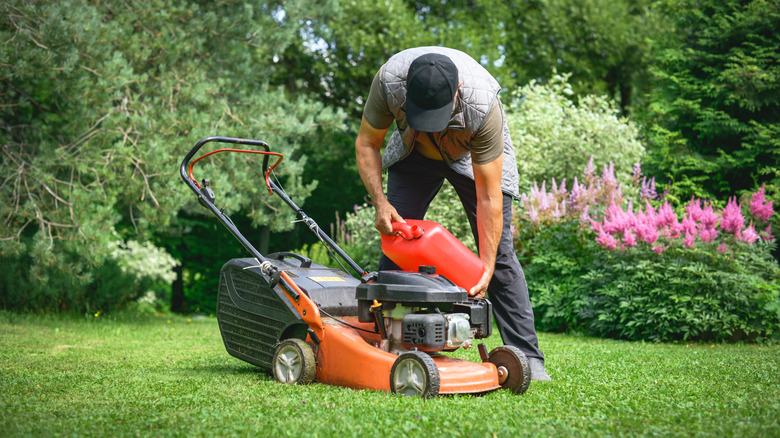
Store your gas in a cool, dry place away from direct sunlight and heat sources. This helps prevent evaporation and chemical breakdown that can ruin the fuel. Use approved containers made of sturdy materials to avoid leaks and contamination.
Have you noticed how old gas smells stronger or looks darker? That’s a sign it’s breaking down. Keeping fuel sealed tightly and stored properly slows this process, so your mower gets clean, fresh gas every time.
Using Fuel Stabilizers
Fuel stabilizers are additives that keep gas fresh longer, especially if you don’t use your mower often. Adding stabilizer to fresh fuel can extend its life up to 12 months. This is a smart move if you’re storing your mower over winter or during long breaks.
Make sure to mix the stabilizer with gas before filling your mower’s tank. This ensures even protection and prevents gum and varnish buildup inside the engine.
Avoiding Old Or Contaminated Gas
Never use gas that’s older than 30 days for your lawn mower. Old fuel loses its combustibility and can clog the carburetor. If you suspect contamination, like water or dirt in the gas, drain it immediately.
Have you ever faced trouble starting your mower and found dirty fuel to blame? Avoid this hassle by always checking the fuel’s clarity and smell before use. Clean, fresh gas helps your mower start on the first try and run efficiently.
Common Fuel Mistakes To Avoid
Choosing the right fuel for your lawn mower is key to keeping it running smoothly. Many make simple mistakes that harm the engine. Avoid these common fuel errors to protect your mower and save money on repairs.
Using Gas With High Ethanol Content
Gasoline with high ethanol can damage small engines. Ethanol attracts moisture, causing rust and corrosion inside the tank. It also leads to poor engine performance and starting problems. Use fuel with less than 10% ethanol or buy ethanol-free gas when possible.
Mixing Different Fuel Types
Combining different fuels can cause serious engine issues. Mixing old and fresh gas or different octane levels leads to inconsistent combustion. This causes rough running or even engine failure. Always use the fuel type recommended by the manufacturer.
Ignoring Engine Specifications
Each lawn mower engine has specific fuel requirements. Ignoring these can reduce engine life and efficiency. Check your owner’s manual to find the right fuel type and grade. Using the correct fuel ensures your mower runs smoothly and lasts longer.
Credit: www.hunker.com
Alternative Fuels For Lawn Mowers
Alternative fuels for lawn mowers offer options beyond traditional gasoline. These fuels can reduce pollution and save money. They also help users avoid frequent trips to the gas station. Many alternative fuels are cleaner and quieter. They can make lawn care easier and more eco-friendly.
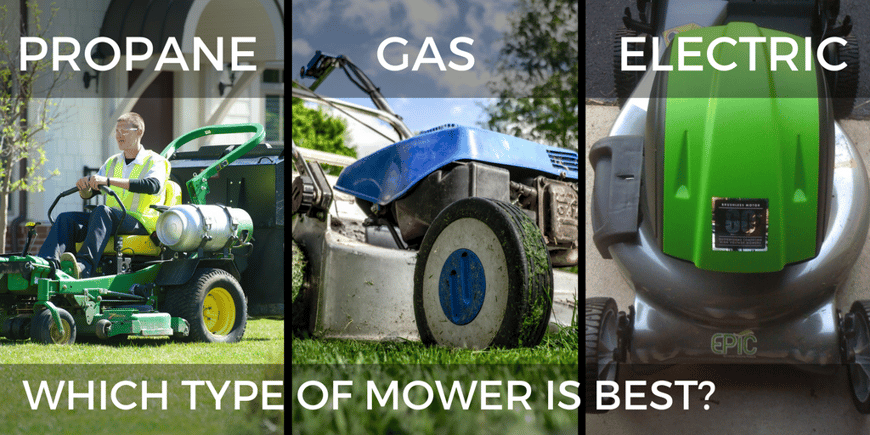
Propane-powered Mowers
Propane is a clean-burning fuel. It produces fewer emissions than gasoline. Propane mowers start quickly and run smoothly. This fuel is stored in small tanks, easy to refill. Many commercial landscapers prefer propane for its cost savings. It also extends engine life by reducing carbon buildup.
Electric And Battery Alternatives
Electric mowers use rechargeable batteries or plug-in power. They are quiet and produce no exhaust fumes. Battery-powered mowers allow freedom of movement without cords. Charging times vary but modern batteries last longer. Electric mowers require less maintenance than gas models. They are ideal for small to medium lawns.
Biofuel Options
Biofuels come from plants or animal fats. Common types include biodiesel and ethanol blends. They burn cleaner than traditional gas. Biofuels reduce greenhouse gas emissions. Many lawn mower engines can run on biofuels with minor adjustments. This option supports renewable energy and reduces fossil fuel use.

Credit: medium.com
Frequently Asked Questions
What Type Of Gas Is Best For Lawn Mowers?
Regular unleaded gasoline with 87 octane is best for most lawn mowers. Avoid using gas with more than 10% ethanol as it can damage small engines. Always check your mower’s manual for specific fuel recommendations to ensure optimal performance and longevity.
Can I Use Ethanol-free Gas In My Mower?
Yes, ethanol-free gas is ideal for lawn mowers. It prevents engine issues caused by ethanol, like corrosion and phase separation. Using ethanol-free fuel improves engine life and performance, especially if you store your mower for long periods without use.
How Often Should I Use Fresh Gas In Mowers?
Use fresh gas every 30 days for best mower performance. Old gasoline can degrade and cause starting problems or poor engine function. If storing your mower, drain the gas or add a fuel stabilizer to keep the fuel fresh and stable.
Is Mixed Gas Needed For 2-stroke Lawn Mowers?
Yes, 2-stroke lawn mowers require a gas and oil mixture. Typically, mix 50:1 gas to oil ratio as per manufacturer instructions. This mix lubricates the engine properly, preventing damage and ensuring smooth operation.
Conclusion
Choosing the right gas keeps your lawn mower running well. Use fresh, clean fuel for the best results. Avoid old or mixed gasoline to prevent damage. Check your mower’s manual for specific fuel needs. Proper fuel helps your mower start easily and work longer.
Keep your lawn looking neat with the right care. Simple steps lead to a healthy, green yard. Take good care of your mower and fuel. Your grass will thank you with every cut.