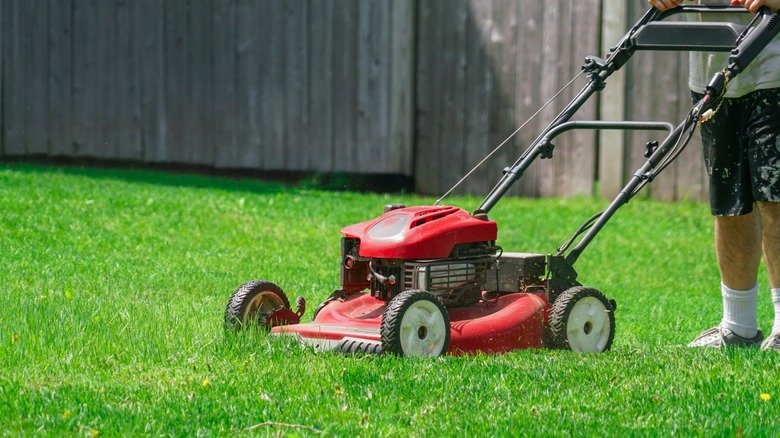
Are you ready to give your lawn the care it deserves but find yourself puzzled by the question, “What gas do lawn mowers take?” You’re not alone.
This is a common query that many homeowners face, especially when aiming to maintain a lush, green yard without a hitch. The right fuel not only powers your mower efficiently but also prolongs its life. Imagine confidently strolling down the fuel aisle, knowing exactly what to pick for your trusty lawn mower.
This article will guide you through the types of gas suitable for your lawn mower and help you avoid common pitfalls. Read on to discover how to keep your mower humming smoothly and your lawn looking pristine.
Types Of Gas For Lawn Mowers
Choosing the right gas for your lawn mower is important for its performance and life. Different types of gas work differently in engines. Knowing these types helps you pick the best fuel for your mower. This section explains common gas options for lawn mowers.
Regular Unleaded Gas
Regular unleaded gas is the most common fuel for lawn mowers. It has an octane rating of about 87. This gas works well with most small engines. It burns clean and provides good power. Regular gas is affordable and easy to find. Most manufacturers recommend using this type for standard mowers.
Premium Gasoline
Premium gasoline has a higher octane rating, usually 91 or above. It can help engines run smoother and reduce knocking. Some high-performance mowers may ask for premium gas. Using premium gas in regular engines does not always improve performance. It costs more and is less common at gas stations. Check your mower’s manual before choosing premium fuel.
Ethanol-blended Fuels
Ethanol-blended fuels mix gasoline with ethanol, a type of alcohol. Common blends include E10, which contains 10% ethanol. Ethanol helps reduce pollution but can cause problems in small engines. It absorbs water and may damage fuel lines over time. Some mowers run fine on E10, but avoid blends with more than 10% ethanol. Always check the mower’s fuel recommendations to avoid engine issues.

Credit: www.youtube.com
Choosing The Right Gas
Choosing the right gas for your lawn mower is key to keeping it running smoothly. The correct fuel type protects the engine and ensures the mower works at its best. Using the wrong gas can cause damage and reduce the mower’s lifespan. Understanding what gas to use helps you avoid costly repairs and saves time.
Manufacturer Recommendations
Always check the mower’s manual for fuel advice. Manufacturers specify the best gas type for each model. Most push mowers use regular unleaded gasoline with an octane rating of 87. Some newer models may need ethanol-free fuel to prevent engine problems. Following these guidelines keeps the warranty valid and protects the engine parts.
Impact On Engine Performance
The right gas boosts engine power and starts the mower easily. Using higher octane gas than recommended does not improve performance. Low-quality or old fuel can cause the engine to stall or run roughly. Ethanol blends above 10% can damage small engines by absorbing moisture. Clean, fresh gas keeps the mower running smoothly every time.
Effects On Fuel Efficiency
Proper fuel helps the mower use gas efficiently. The right octane and fresh fuel reduce fuel consumption. Old or incorrect gas lowers efficiency and increases emissions. Regularly refilling with recommended fuel saves money on gas. Well-maintained fuel systems extend the mower’s life and reduce running costs.
Two-stroke Vs Four-stroke Engines
Lawn mowers use two main types of engines: two-stroke and four-stroke. Understanding the fuel needs of each helps keep your mower running smoothly. Both engines have different ways they use fuel and oil. This affects how you prepare the gas before filling the mower. Knowing these differences can save time and avoid engine damage.
Fuel Requirements For Two-stroke
Two-stroke engines need a mix of gas and oil. The oil lubricates the engine while it runs. Pure gasoline alone will damage the engine quickly. Usually, a ratio of 50:1 or 40:1 gas to oil is required. This means 50 parts gas to 1 part oil. Use high-quality two-stroke oil for best results.
Fuel Requirements For Four-stroke
Four-stroke engines use only regular unleaded gasoline. Oil is kept separate in a different compartment. You do not mix oil with the gas. These engines have a crankcase that holds the oil. It lubricates the engine internally. Using straight gasoline without mixing is essential.
Mixing Oil And Gas
Mixing oil and gas is necessary only for two-stroke engines. Use a clean container to mix the fuel. Add the correct amount of oil to gas. Shake the container gently to blend them well. Avoid using old or stale gasoline. Always prepare fresh fuel mix before use.

Credit: powersmartusa.com
Common Gas Mistakes To Avoid
Using the wrong type or condition of gas can damage your lawn mower and shorten its lifespan. Many people overlook simple fuel mistakes that lead to poor engine performance or costly repairs. Knowing what to avoid can save you time, money, and frustration when maintaining your mower.
Using Old Or Contaminated Gas
Gasoline doesn’t stay fresh forever. When you use old gas that’s been sitting in your mower or gas can for months, it can cause starting problems or rough running. Contaminated gas with dirt, water, or debris can clog the fuel system and damage engine parts.
Have you ever noticed your mower sputtering after sitting unused for a season? That’s often the result of stale fuel. Always check the gas before pouring it in, and if it smells sour or looks cloudy, don’t use it.
Incorrect Fuel Mixtures
Many lawn mowers require a specific mix of gasoline and oil, especially two-stroke engines. Using the wrong ratio can lead to poor lubrication, overheating, or excessive smoke. On the other hand, four-stroke engines need straight gasoline without oil mixed in.
Mixing fuels incorrectly can be confusing, but your mower’s manual has the exact ratios. Are you sure you’re mixing right? Taking a moment to double-check can prevent costly engine damage.
Ignoring Fuel Stabilizers
If you don’t plan to use your mower for several weeks or months, untreated gas can break down and cause engine problems. Fuel stabilizers keep gasoline fresh longer and prevent varnish buildup in the fuel system. Adding stabilizer is a simple step that many overlook.
Next time you store your mower for winter, ask yourself: did you add fuel stabilizer? This small action can make restarting your mower in spring much easier and extend its life.
Maintaining Fuel Quality
Maintaining fuel quality is key for lawn mower performance. Fresh, clean fuel helps the engine run smoothly. Old or contaminated gas can cause starting problems and engine damage. Proper care of your mower’s fuel keeps it working well and lasting longer.
Proper Gas Storage
Store gas in a cool, dry place away from sunlight. Use an approved container designed for fuel. Keep the container sealed tightly to prevent air and moisture entry. Avoid storing gas for more than 30 days. Old gas loses its power and can clog the mower.
Using Fuel Additives
Fuel additives help keep gas fresh and clean. They prevent buildup of gum and varnish in the engine. Additives also stop fuel from breaking down over time. Use only additives made for small engines and follow the product instructions carefully.
Seasonal Fuel Care Tips
- Before winter, drain the fuel tank or add stabilizer to the gas.
- Run the mower until it stops to clear fuel lines.
- Check and replace old fuel before the mowing season starts.
- Keep fuel fresh by buying small amounts for regular use.

Credit: medium.com
Environmental And Safety Tips
Using the right gas for your lawn mower is just one part of the equation. How you handle fuel impacts both your safety and the environment. Simple habits can make a big difference in reducing risks and protecting the planet.
Safe Gas Handling
Always use a proper gas container designed for fuel storage. Avoid filling your mower indoors or near open flames to prevent fire hazards.
Keep fuel away from children and pets. If you spill gas, clean it up immediately to avoid slipping or accidental ignition.
Have you ever tried to start a mower that smells strongly of fuel? That usually means overfilling or a leak. Pay attention to these signs to keep things safe.
Reducing Emissions
Using fresh, clean gasoline can help your mower run efficiently and emit fewer pollutants. Old or mixed fuel often burns poorly and produces more smoke.
Consider switching to mowers with newer, low-emission engines or electric models to cut down harmful gases.
Regular maintenance like cleaning air filters and changing spark plugs also lowers emissions. When was the last time you tuned up your mower?
Disposing Of Old Fuel
Never pour old gas down drains or onto the ground. It contaminates soil and water, harming wildlife and plants.
Most communities have hazardous waste disposal sites where you can drop off leftover fuel safely. Check local guidelines to find the nearest location.
Storing old fuel indefinitely can be dangerous as it degrades and becomes unstable. Plan to use or dispose of it within 30 days to avoid problems.
Frequently Asked Questions
What Type Of Gas Do Most Lawn Mowers Use?
Most lawn mowers use regular unleaded gasoline with an octane rating of 87 or higher. Avoid using ethanol blends above 10%, as they can damage the engine.
Can I Use Diesel Or Propane In A Lawn Mower?
No, diesel and propane are not suitable for standard lawn mowers. Most mowers are designed specifically for gasoline or electric power.
Is It Safe To Use Old Gasoline In A Lawn Mower?
Using old gasoline can cause engine problems. Gas older than 30 days may degrade, so always use fresh fuel for optimal performance.
How Much Oil Should I Mix With Gas For A 2-stroke Mower?
Mix 2-stroke engines with oil and gasoline at a 50:1 ratio. This ensures proper lubrication and prevents engine damage.
Conclusion
Choosing the right gas keeps your lawn mower running well. Most mowers use regular unleaded gasoline. Avoid using old or mixed fuels to protect the engine. Proper fuel helps your mower start quickly and cut grass smoothly. Always check your mower’s manual for the best fuel type.
Clean fuel means less trouble and longer mower life. Simple care goes a long way in lawn maintenance. Now you know what gas lawn mowers take. Keep your mower happy and your yard neat.