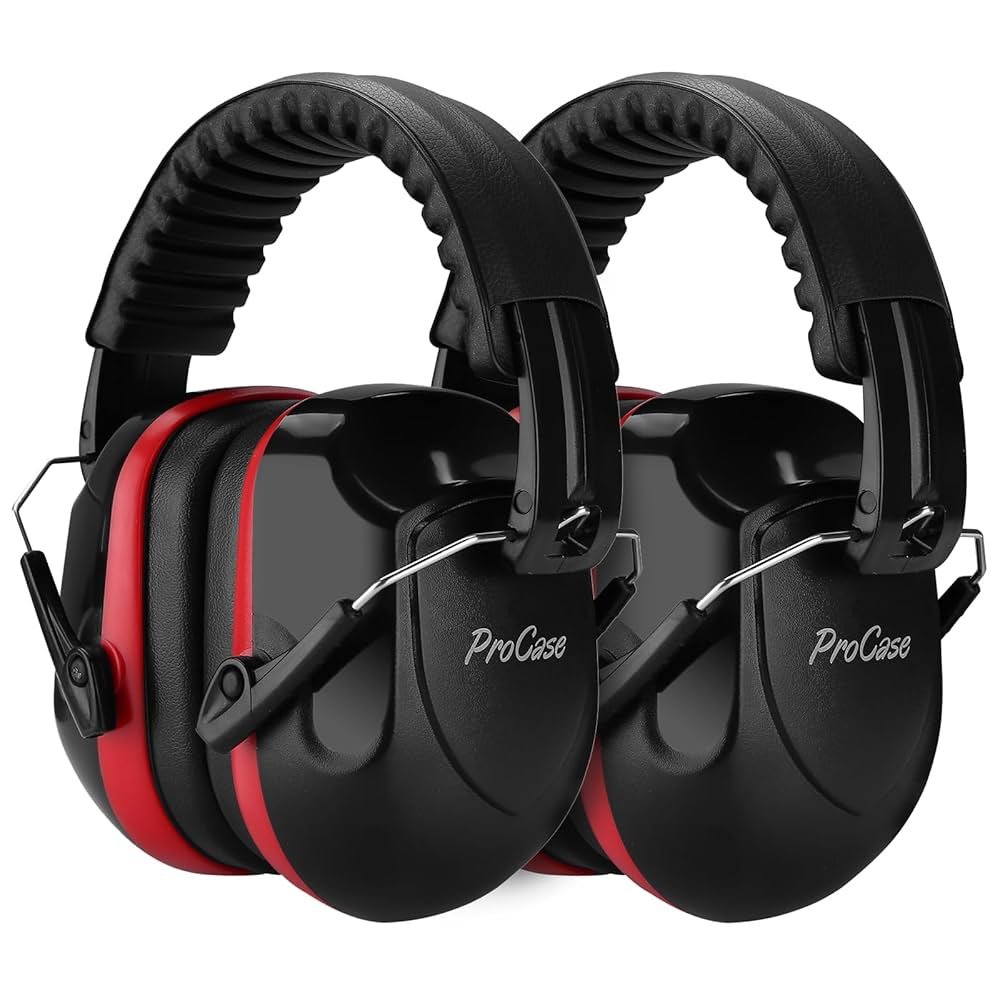
Are you tired of the ringing in your ears after mowing the lawn? Protecting your hearing is more important than you might think, especially when using noisy equipment like lawn mowers.
Choosing the right ear protection can make a huge difference in keeping your ears safe and comfortable. But with so many options out there, how do you know which one is best for you? Keep reading to discover simple, effective ways to shield your ears and enjoy mowing without the noise worries.
Noise Risks While Mowing
Mowing machines make loud sounds. These sounds are measured in decibels (dB). A normal conversation is about 60 dB. A lawn mower can reach up to 90 to 100 dB. This noise can hurt your ears if you stay near for a long time.
Sounds above 85 dB can cause hearing damage. The louder the sound, the faster the damage happens. Even short exposure to very loud noise can be harmful. Hearing loss from noise is often permanent. Protecting your ears while mowing is very important.

Credit: www.amazon.com
Types Of Ear Protection
Earplugsare small and fit inside the ear canal. They block loud sounds well. Earplugs are light and easy to carry. Some are disposable, while others can be reused after cleaning.
Earmuffscover the whole ear. They are bigger than earplugs but often more comfortable. Earmuffs work well for long mowing sessions. They also protect from wind and dust.
Electronic Ear Protectionuses special technology. It lowers loud sounds but lets you hear quiet noises. This helps stay alert to your surroundings. Some models have volume control and Bluetooth features.
Choosing The Right Protection
Choosing ear protection that fits well ensures long-term comfort. Look for adjustable headbands or soft ear cushions. These help avoid pressure on your ears during mowing. Lightweight designs reduce fatigue and make wearing easier.
Noise Reduction Rating (NRR)shows how much sound the protection blocks. Higher NRR means better noise blocking. Aim for at least 25 decibels to protect your ears from loud mower noise. Check the NRR label before buying.
| Feature | Details |
|---|---|
| Durability | Strong materials resist wear and tear for long use. |
| Maintenance | Easy to clean and store to keep fresh and effective. |

Credit: www.amazon.com
Using Ear Protection Effectively
Choosing ear protection with a high noise reduction rating helps prevent hearing damage while mowing. Comfortable earmuffs or earplugs fit well and block loud sounds effectively. Proper use ensures safer and more pleasant mowing experiences.
Proper Insertion And Fit
Wearing ear protection correctly is crucial. Earplugs should be inserted snugly into the ear canal. They should not fall out when you move. Earmuffs should cover the ears completely. Adjust the headband for a snug fit. If they feel loose, readjust them.Cleaning And Care Tips
Keep your ear protection clean for best results. Wash earplugs with soap and water. Let them dry before using again. Wipe earmuffs with a damp cloth. Avoid submerging in water. Store them in a clean, dry place. This keeps them in good condition longer. `Additional Safety Tips
Combining ear protection with other safety gearhelps protect against many risks while mowing. Use eye protectionlike goggles to shield from debris. Wear glovesto guard your hands from cuts and blisters. Choose long pants and closed shoesto protect your legs and feet.
Safe mowing practicesreduce accidents and injuries. Always check the mower for loose partsbefore use. Clear the area of stones, sticks, and toysto avoid flying debris. Mow across slopes, not up and down, to prevent slipping. Turn off the mower before crossing gravel or paths.

Credit: www.amazon.com
Frequently Asked Questions
What Type Of Ear Protection Is Best For Mowing?
The best ear protection for mowing is earmuffs or earplugs with high noise reduction ratings. They effectively block loud mower sounds, protecting your hearing from damage during prolonged use.
Are Noise-canceling Headphones Good For Lawn Mowing?
Noise-canceling headphones reduce background noise but may not fully block mower noise. Specialized earmuffs or earplugs designed for loud environments are better for mowing.
How Loud Is A Typical Lawn Mower?
A typical lawn mower produces noise around 85 to 100 decibels. This level can cause hearing damage, making proper ear protection essential during mowing.
Can Earplugs Protect My Hearing While Mowing?
Yes, high-quality earplugs reduce noise exposure and protect hearing. They are affordable, portable, and effective for blocking loud mower sounds.
Conclusion
Choosing the right ear protection keeps your ears safe while mowing. Earplugs are small and easy to use. Earmuffs offer more comfort and block more noise. Think about how long you mow and your comfort needs. Protecting your hearing prevents problems later.
Quiet mowing makes the job more pleasant too. Always wear protection to avoid damage. Your ears will thank you after each mowing session. Stay safe, stay comfortable, and enjoy a peaceful yard.





