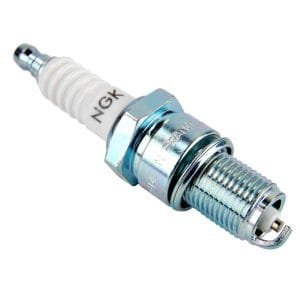
Have you ever wondered what really happens under your car’s hood when you turn the key? It might surprise you to learn that one small component, the spark plug, plays a crucial role in bringing your engine to life.
Without it, your car simply wouldn’t start. You’re about to discover the fascinating world of spark plugs and how they work their magic. Imagine the thrill of knowing exactly how this tiny device ignites your engine, empowering you with the knowledge to keep your vehicle running smoothly.
Stay with us as we delve deeper into the heartbeat of your car, and you’ll never look at your vehicle the same way again. Are you ready to fuel your curiosity? Let’s dive in!
Credit: www.youtube.com
Role Of Spark Plugs
The role of spark plugs in your engine is more important than many realize. They act as the tiny but powerful triggers that keep your vehicle running smoothly. Without them, the entire process of turning fuel into motion would fail.
Ignition Process
Spark plugs create the spark needed to ignite the air-fuel mixture inside the engine cylinders. This tiny spark happens at just the right moment to start the engine’s combustion cycle.
Think about the last time your car struggled to start—chances are, weak spark plugs were part of the problem. A strong and consistent spark ensures your engine fires up quickly every time.
Fuel Combustion
Once the spark plug ignites the mixture, fuel combustion begins. This controlled explosion generates heat and pressure, pushing the pistons down and creating energy.
Fuel combustion depends on the spark plug’s ability to produce a reliable spark under high pressure and temperature. If the spark is weak or delayed, fuel burns inefficiently, wasting gas and reducing power.
Power Generation
The energy from combustion moves the pistons, which in turn rotate the crankshaft. This rotation is what powers your car’s wheels and everything else connected to the engine.
Without properly working spark plugs, power generation drops, and your vehicle may feel sluggish or stall. Have you ever noticed a drop in acceleration? It could be your spark plugs not doing their job right.

Credit: beachautomotive.com
Components Of Spark Plugs
Spark plugs have several key parts. Each part plays a role in making your engine run smoothly. Understanding these parts helps you see how spark plugs work.
Electrodes
Electrodes create the spark that ignites the fuel. There are two electrodes: the center and ground. The center electrode carries electricity from the ignition coil. The ground electrode is attached to the metal shell. The spark jumps between these two to start combustion.
Insulator
The insulator surrounds the center electrode. It keeps electricity from escaping. Usually made of ceramic, it resists heat and electricity well. This part ensures the spark happens only at the electrodes.
Shell
The shell is the metal body of the spark plug. It screws into the engine’s cylinder head. The shell helps conduct heat away from the insulator. It also holds the spark plug firmly in place.
How Spark Plugs Affect Engine Performance
Understanding how spark plugs affect your engine’s performance can save you time and money. These small components play a crucial role in how smoothly and efficiently your vehicle runs. Let’s break down the main areas where spark plugs make a big difference.
Fuel Efficiency
Worn or faulty spark plugs can cause incomplete combustion, meaning your fuel doesn’t burn fully. This wastes fuel and lowers your miles per gallon. If you notice your car guzzling gas more than usual, old spark plugs might be the culprit.
Replacing spark plugs regularly can restore proper combustion. This helps your engine use fuel more effectively, saving you money at the pump. Have you checked your spark plugs lately?
Engine Power
Every time your engine fires, spark plugs ignite the air-fuel mixture. If the spark is weak or inconsistent, your engine struggles to produce power. You might feel sluggish acceleration or hesitation when you press the gas pedal.
New, clean spark plugs deliver a strong spark that improves combustion. This means better throttle response and smoother driving. Think about the last time your car felt really powerful—spark plugs likely played a key role.
Emissions Control
Poorly functioning spark plugs can increase harmful emissions. When fuel doesn’t burn completely, it releases more pollutants into the air. This can lead to failed emissions tests and harm the environment.
Maintaining good spark plugs helps your engine burn fuel cleaner. It lowers emissions and keeps your vehicle running within legal limits. Are you doing enough to reduce your car’s environmental impact?
Signs Of Worn Spark Plugs
Worn spark plugs can silently affect your vehicle’s performance. Recognizing the signs early can save you from costly repairs and frustrating drives. Let’s look at some clear indicators that your spark plugs may need attention.
Starting Issues
Have you noticed your car struggling to start or taking longer than usual to fire up? This can be a direct sign of worn spark plugs. They provide the spark needed to ignite the fuel-air mixture, so if they’re weak or damaged, starting becomes difficult.
Sometimes, the engine might crank but fail to start right away. This delay often points to spark plugs that aren’t delivering a strong, consistent spark. If you’ve experienced this, it’s worth checking your spark plugs before other costly components.
Poor Acceleration
Is your car slow to respond when you press the gas pedal? Worn spark plugs can cause misfires, leading to sluggish acceleration. Your engine needs precise timing and power from the spark plugs to run smoothly, and when they wear out, performance drops noticeably.
Think about the last time your vehicle didn’t feel as peppy as usual on the road. If you’ve felt that lag, it might be time to inspect those spark plugs. Fixing them can restore the quick response you expect from your car.
Increased Fuel Consumption
Have you checked your fuel usage lately? Worn spark plugs can cause your engine to burn more fuel than necessary. When plugs misfire, the combustion process is incomplete, wasting fuel and reducing efficiency.
This means more trips to the gas station and higher expenses. If your mileage suddenly drops without a clear reason, worn spark plugs could be the culprit. Replacing them often leads to noticeable fuel savings and a smoother ride.
Choosing The Right Spark Plugs
Choosing the right spark plugs can make a big difference in how your engine performs. The right spark plug ensures efficient combustion, better fuel economy, and a smoother ride. But how do you decide which one fits your vehicle and driving style best?
Material Types
Spark plugs come in various materials, each with its own benefits. Copper plugs offer excellent conductivity but wear out faster. Platinum and iridium plugs last longer and provide better performance, especially in modern engines.
Think about your driving habits. If you often drive in stop-and-go traffic, a durable iridium plug might save you frequent replacements. On the other hand, if you’re on a budget and have an older car, copper plugs can be a practical choice.
Heat Range
The heat range of a spark plug tells you how quickly it can get rid of heat from the combustion chamber. A plug that runs too hot can cause engine knocking, while one that runs too cold might foul easily.
It’s tempting to pick a plug with a cooler heat range for performance, but matching the heat range to your engine’s requirements is crucial. Have you checked your vehicle’s manual or talked to a mechanic about the right heat range for your driving conditions?
Compatibility
Not all spark plugs fit every engine. Thread size, reach, and seat type must match your vehicle’s specifications. Using the wrong spark plug can damage your engine or cause poor performance.
Before buying, verify the plug’s compatibility with your car’s make, model, and year. Online tools and manufacturer guides make this easier than ever. Have you ever bought a plug that didn’t fit? Avoid that hassle by double-checking first.
Credit: www.westsideauto.com.au
Spark Plug Maintenance Tips
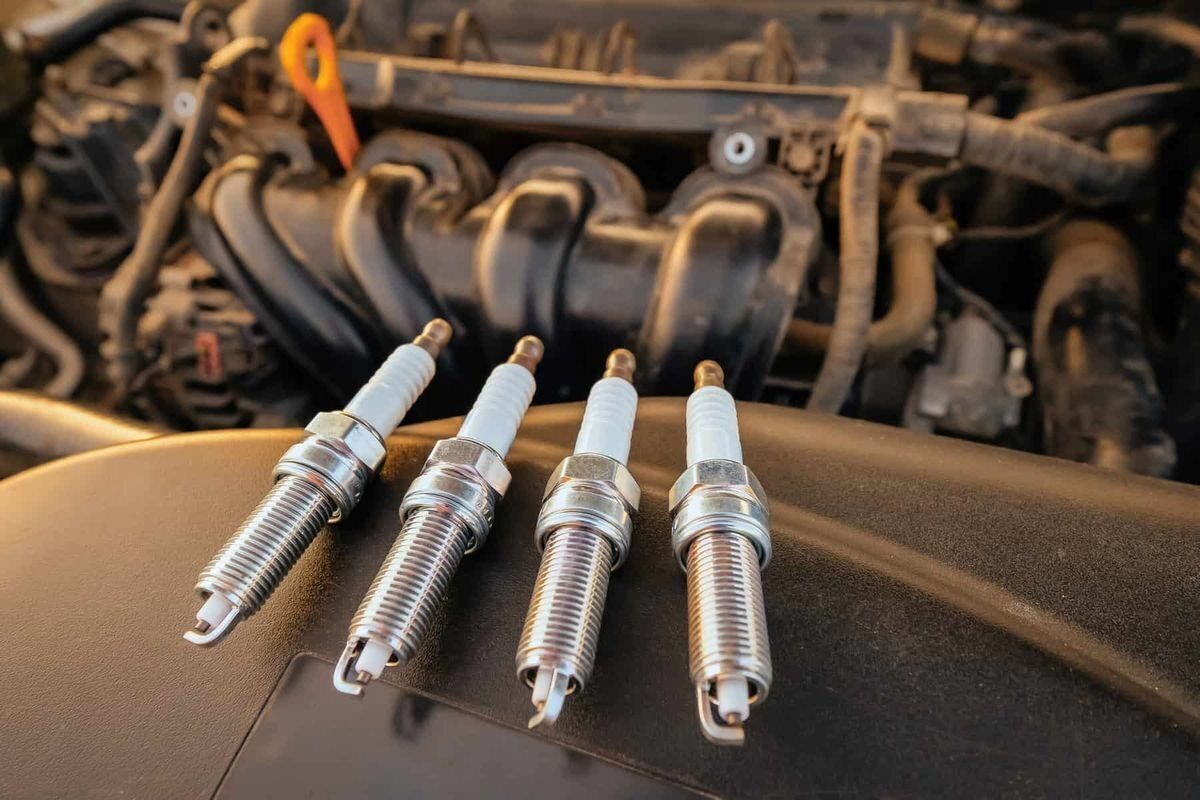
Maintaining spark plugs ensures your engine runs smoothly and efficiently. Poor spark plug care can cause misfires, lower fuel economy, and rough idling. Simple maintenance keeps your vehicle healthy and saves repair costs.
Regular Inspection
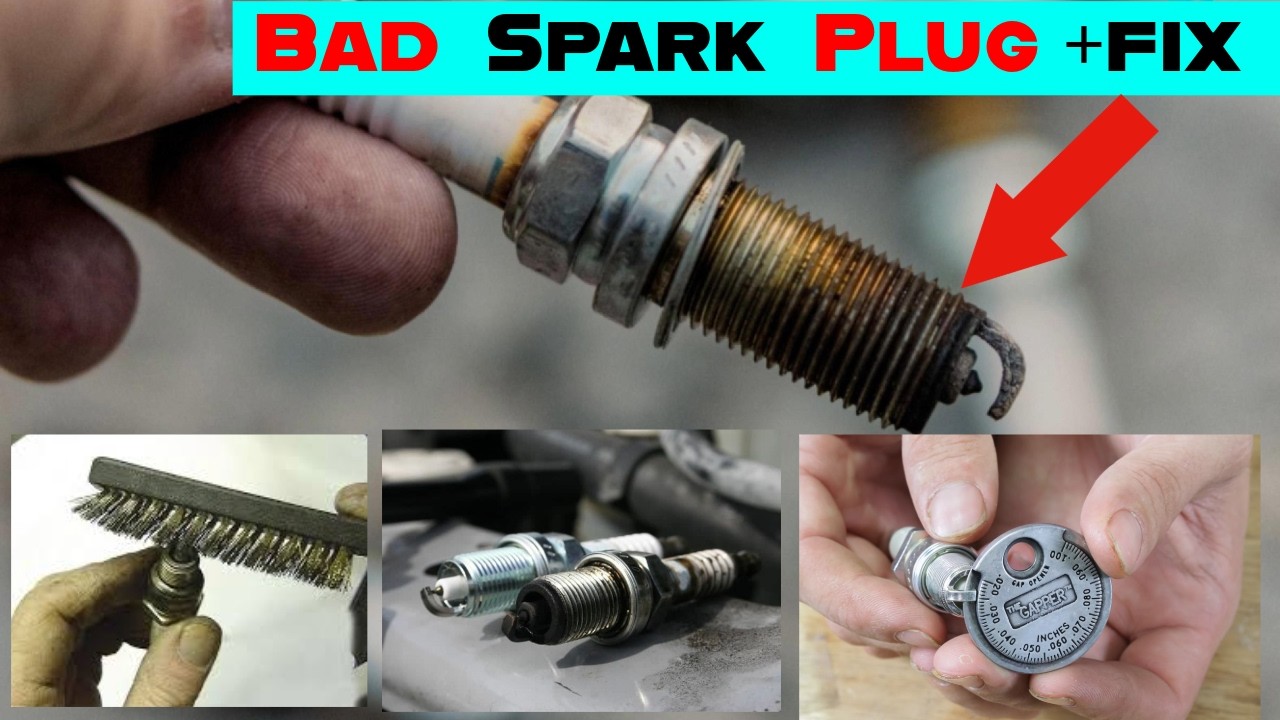
Check spark plugs every 30,000 miles or during routine service. Look for signs of wear like cracks, deposits, or erosion on the electrodes. Inspect the gap between electrodes; an incorrect gap affects ignition. Use a flashlight and a spark plug socket for a clear view. Early detection avoids engine problems.
Cleaning Methods
Remove dirt and carbon buildup with a wire brush or spark plug cleaner. Avoid using harsh abrasives that damage the electrode. Use a spray carburetor cleaner to dissolve tough deposits. Dry the spark plug thoroughly before reinstalling. Clean plugs improve spark efficiency and engine performance.
Replacement Frequency
Replace spark plugs every 30,000 to 100,000 miles, depending on the type and vehicle. Copper plugs wear out faster, while platinum and iridium last longer. Follow your vehicle’s manual for recommended intervals. Fresh spark plugs ensure better fuel economy and smoother starts.
Frequently Asked Questions
What Does A Spark Plug Do In An Engine?
A spark plug ignites the air-fuel mixture inside the engine’s cylinder. This ignition starts the combustion process, powering the engine. It ensures efficient fuel burning for smooth vehicle operation and optimal performance.
How Often Should Spark Plugs Be Replaced?
Spark plugs should typically be replaced every 30,000 to 100,000 miles. This depends on the type and vehicle manufacturer’s recommendations. Regular replacement maintains engine efficiency and prevents misfires or poor fuel economy.
Can Bad Spark Plugs Affect Fuel Efficiency?
Yes, bad spark plugs cause incomplete combustion, lowering fuel efficiency. They lead to engine misfires, rough idling, and higher fuel consumption. Replacing faulty spark plugs helps restore optimal engine performance and saves fuel.
What Are The Signs Of Worn-out Spark Plugs?
Common signs include engine misfires, rough idle, poor acceleration, and difficulty starting. You might also notice decreased fuel efficiency and increased exhaust emissions. Timely inspection helps avoid costly engine repairs.
Conclusion
Spark plugs help start your car’s engine by creating sparks. They ignite the fuel and air mix inside the engine. This process powers your vehicle and keeps it running. Clean and working spark plugs improve fuel efficiency and reduce emissions.
Worn-out plugs can cause engine problems or make it hard to start. Checking spark plugs regularly keeps your car healthy and smooth. Understanding their role helps you care better for your vehicle. Simple maintenance can save money and avoid bigger repairs.
Spark plugs play a small but vital part in driving.





