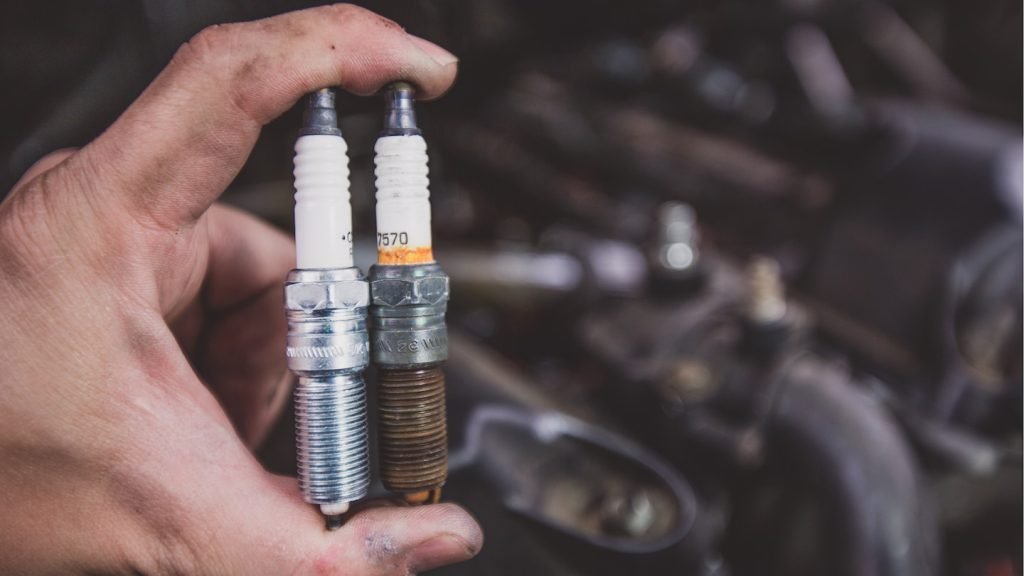
Have you ever wondered what keeps your car’s engine humming smoothly? It’s not just the fuel or the oil; there’s a tiny but mighty component at work— the spark plug.
This small device might seem insignificant, but it plays a crucial role in your vehicle’s performance. Imagine being able to boost your car’s efficiency and power by simply understanding this essential part. By the end of this article, you’ll gain insights into how spark plugs work and why they are vital for your car.
Dive in to discover how a little knowledge can make a big difference in maintaining your vehicle’s health and ensuring a smoother ride every time.

Credit: carfromjapan.com
Role In Engine Performance
The spark plug plays a vital role in engine performance. It ensures the engine runs smoothly and efficiently. Without a properly working spark plug, the engine may misfire or lose power. The spark plug’s main job is to ignite the air-fuel mixture inside the engine cylinders. This ignition creates the power needed to move the vehicle.
Ignition Of Air-fuel Mixture
The spark plug creates a small spark inside the engine cylinder. This spark lights the air-fuel mixture. The burning mixture produces energy that powers the engine. A strong, consistent spark ensures smooth engine operation. Weak or irregular sparks cause poor engine performance and rough idling.
Spark Timing And Efficiency
Correct spark timing is crucial for engine efficiency. The spark must occur at the right moment during the engine cycle. Early or late sparks reduce power and cause knocking. The spark plug helps control this timing for optimal combustion. Proper timing improves engine response and reduces emissions.
Impact On Fuel Economy
Efficient spark plugs help save fuel. By igniting the mixture properly, they ensure complete combustion. Complete combustion means less wasted fuel and fewer emissions. Worn or dirty spark plugs cause incomplete burning. This results in higher fuel consumption and more pollution.
How Spark Plugs Work
Understanding how spark plugs work is key to appreciating their role in your vehicle’s engine. These small components create the spark needed to ignite the air-fuel mixture inside the engine cylinders. This ignition powers your car and keeps it running smoothly.
Components Of A Spark Plug
A spark plug may look simple, but it has several important parts:
- Terminal:Connects to the ignition system to receive electrical power.
- Insulator:Made of ceramic, it isolates the central electrode and withstands high temperatures.
- Central Electrode:Carries the electrical current and helps create the spark.
- Ground Electrode:Positioned near the central electrode; the spark jumps across this gap.
- Metal Shell:Screws into the engine and provides heat dissipation.
Each part must work perfectly for the spark plug to perform its job efficiently.
Generation Of Spark
The spark starts when your car’s ignition system sends a high-voltage current to the spark plug.
This current flows through the central electrode and jumps across the small gap to the ground electrode, creating a spark.
The spark ignites the compressed air and fuel mixture inside the cylinder, causing a controlled explosion that pushes the piston down.
Have you ever noticed how a single misfire can make your engine rough? That’s because the spark plug failed to generate that vital spark at the right time.
Heat Range And Its Importance
The heat range of a spark plug describes how well it can dissipate heat from the combustion chamber.
A plug that runs too hot can cause pre-ignition and engine damage, while one that’s too cold may foul easily and reduce engine efficiency.
Choosing the correct heat range is crucial for your engine’s performance and longevity. Are you sure your spark plugs match your engine’s needs?
Types Of Spark Plugs
Choosing the right spark plug can make a big difference in your engine’s performance and efficiency. Spark plugs come in several types, each with unique features and benefits. Understanding these types helps you decide which one fits your vehicle and driving style best.
Copper Spark Plugs
Copper spark plugs are known for their excellent conductivity. They allow electricity to flow easily, creating a strong spark to ignite the fuel-air mixture.
However, copper plugs wear out faster because their core material is softer. They are best suited for older engines or vehicles that require a colder plug to avoid overheating.
If you want a budget-friendly option and don’t mind replacing plugs more often, copper could work well for you.
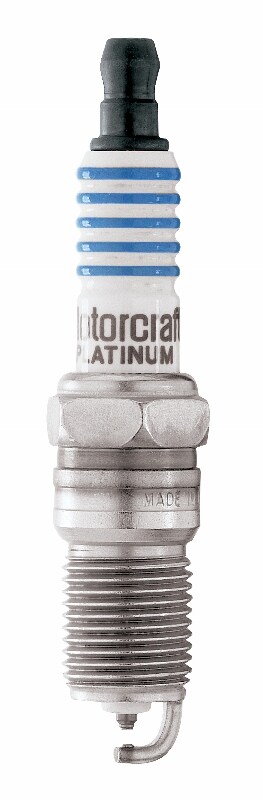
Platinum Spark Plugs
Platinum spark plugs last longer than copper ones due to their harder metal tip. This means fewer replacements and more consistent performance over time.
They handle higher temperatures better and improve fuel efficiency. Many modern cars come equipped with platinum plugs because of their durability.
Think about how much time and money you could save by choosing platinum plugs for daily driving or long trips.
Iridium Spark Plugs
Iridium plugs are the most durable and provide the strongest spark. Iridium is a very hard metal, which allows the plugs to last much longer than copper or platinum types.
They also improve engine starting, reduce misfires, and boost overall performance. You might notice smoother acceleration and better fuel economy after switching to iridium.
Isn’t it worth investing in iridium plugs if you want reliability and top-notch engine efficiency?
Signs Of Faulty Spark Plugs
Knowing the signs of faulty spark plugs can save you from unexpected car troubles and costly repairs. Spark plugs play a crucial role in your engine’s performance, so when they start to fail, your vehicle will show clear symptoms. Paying attention to these signs helps you act quickly and maintain smooth driving.
Engine Misfires
One of the most common signs of bad spark plugs is engine misfires. You might feel your car jerk or hesitate during acceleration, which means the spark plugs aren’t firing properly. This can cause rough idling or difficulty starting your engine, making your daily drive frustrating.
Have you ever noticed your car shaking unexpectedly? That’s often a clue your spark plugs need checking. Ignoring misfires can lead to bigger engine problems, so don’t wait to get them inspected.
Reduced Acceleration
If your car feels sluggish or slow to respond when you press the gas pedal, faulty spark plugs might be the culprit. Worn or dirty plugs struggle to ignite the fuel-air mixture efficiently, which directly reduces engine power. This drop in acceleration can be especially noticeable on hills or when carrying heavy loads.
Think about your last drive—did your car hesitate or lag? If yes, a quick spark plug check can restore your vehicle’s responsiveness and keep you confident behind the wheel.
Poor Fuel Efficiency
Are you filling up your gas tank more often than usual? Faulty spark plugs can lower your fuel efficiency by causing incomplete combustion. When fuel isn’t burned properly, your engine wastes gas, and your wallet feels the impact.
Tracking your mileage can reveal if your spark plugs are underperforming. Simple maintenance, like replacing worn plugs, often boosts fuel economy and reduces emissions, benefiting both your budget and the environment.
Maintenance Tips
Keeping your spark plugs in good shape is key to ensuring your engine runs smoothly and efficiently. Proper maintenance not only extends the life of your spark plugs but also helps avoid unexpected breakdowns. Let’s dive into some practical tips that will help you care for these small but mighty components.
When To Replace Spark Plugs
Knowing when to swap out your spark plugs can save you time and money. Most manufacturers recommend replacing them every 30,000 to 50,000 miles, but this can vary based on your vehicle and driving habits.
If you notice your engine misfiring, rough idling, or decreased fuel efficiency, it might be time to check your spark plugs. Don’t wait for a warning light—regular inspections can catch wear early.
Cleaning Techniques
Sometimes, a thorough cleaning can restore your spark plugs instead of replacing them immediately. Use a wire brush or spark plug cleaner to remove carbon deposits gently.
Be careful not to damage the electrode or insulator during cleaning. After cleaning, check the gap and adjust it if necessary to maintain optimal performance.
Choosing The Right Spark Plug
Picking the correct spark plug for your vehicle can make a big difference in how it runs. Check your owner’s manual for the recommended type and heat range.
Consider factors like driving style and local climate. For example, a colder climate might require a different heat range than a warmer one. Have you ever thought about how a simple part like a spark plug could impact your daily drive?
Credit: www.billcolwellford.com
Upgrading For Better Performance
Upgrading your spark plugs can be a game changer for your engine’s performance. Choosing the right high-performance spark plugs can improve ignition efficiency, leading to smoother starts and better fuel economy. But before you swap out your old plugs, it’s important to understand the benefits, compatibility, and installation details to get the most out of your upgrade.
Benefits Of High-performance Plugs
High-performance spark plugs ignite fuel more efficiently, which can boost engine power and responsiveness. You might notice quicker acceleration and a steadier idle after upgrading. They also tend to last longer, saving you time and money on replacements.
Some plugs reduce fouling and corrosion, helping your engine stay clean and run cooler. This means fewer misfires and less wear on other engine parts. Have you ever experienced rough idling that just won’t smooth out? A better spark plug might be the simple fix you need.
Compatibility With Engine Types
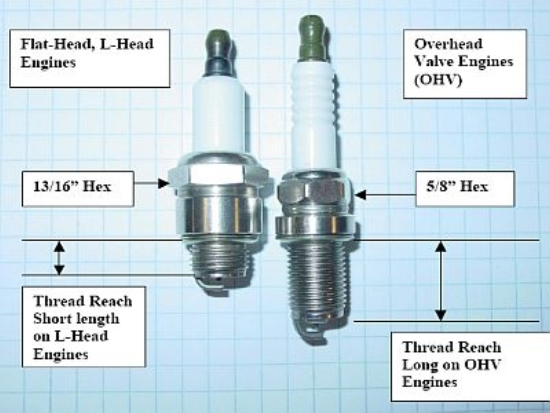
Not all high-performance spark plugs fit every engine. Your car’s make, model, and engine design influence which plugs will work best. Using plugs that don’t match your engine specifications can cause poor performance or even damage.
Check your vehicle’s manual or consult a trusted mechanic to find the right heat range and size. For example, turbocharged engines often require plugs with a different heat rating than naturally aspirated ones. Matching the plug to your engine ensures optimal combustion and reliability.
Installation Considerations
Installing spark plugs isn’t just about screwing them in. Proper torque and gap settings are crucial for performance and longevity. Over-tightening can damage the threads, while under-tightening may cause poor contact and misfires.
Use a torque wrench to tighten plugs to the manufacturer’s specifications, and double-check the electrode gap before installation. If you’re unsure, it’s worth having a professional do the job to avoid costly mistakes. Would you want to risk your engine’s health over a small but critical detail?
Credit: www.vanguardpower.com
Frequently Asked Questions
What Is The Main Function Of A Spark Plug?
A spark plug ignites the air-fuel mixture in the engine’s combustion chamber. It creates a spark to start combustion. This process powers the engine and keeps the vehicle running efficiently.
How Does A Spark Plug Affect Engine Performance?
A clean, well-functioning spark plug ensures efficient combustion. It improves fuel economy, reduces emissions, and prevents engine misfires. Faulty spark plugs can cause rough idling and poor acceleration.
When Should You Replace Spark Plugs?
Spark plugs typically need replacement every 30,000 to 100,000 miles, depending on type. Signs include engine misfires, difficulty starting, or reduced fuel efficiency. Regular checks help maintain optimal engine performance.
Can Bad Spark Plugs Cause Engine Problems?
Yes, bad spark plugs can cause misfires, rough idling, and poor acceleration. They increase fuel consumption and emissions. Replacing faulty spark plugs restores smooth engine operation and efficiency.
Conclusion
A spark plug helps start your car’s engine by creating a spark. This spark lights the fuel inside the engine. Without it, the engine will not run. Spark plugs also keep the engine running smoothly. They need regular checks and replacement to work well.
Clean and good spark plugs save fuel and reduce pollution. Understanding spark plugs helps you care for your vehicle better. Simple but important parts make a big difference in car performance. Keep them in good shape for a reliable ride every time.





