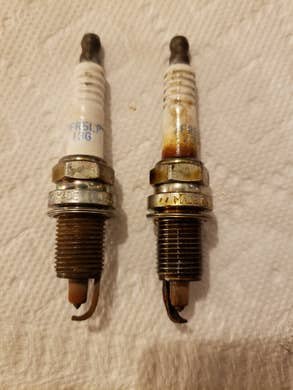
Have you ever popped the hood of your car, taken a look at your engine, and noticed something unusual? Maybe you saw oil on your spark plugs and wondered, “What does this mean for my car?”
If so, you’re not alone. Finding oil on your spark plugs can be alarming, but understanding what it signifies is crucial for your car’s health. We’re going to dive into why oil might be showing up on your spark plugs and what it could mean for your vehicle’s performance.
Could it be a sign of a minor issue, or is it a red flag for something more serious? Stick with us, and you’ll discover everything you need to know to keep your car running smoothly and avoid costly repairs down the road. Let’s take a closer look at what your spark plugs are trying to tell you!

Credit: www.reddit.com
Causes Of Oil On Spark Plugs
Oil on spark plugs signals that oil is entering the combustion chamber. This problem can cause misfires, poor engine performance, and higher emissions. Understanding the causes helps in fixing the issue quickly.
Worn Valve Seals
Valve seals stop oil from entering the combustion chamber. Over time, these seals wear out or crack. Worn seals allow oil to leak down the valve guides. This oil then coats the spark plugs, causing fouling.
Damaged Piston Rings
Piston rings seal the gap between pistons and cylinder walls. Damaged or broken rings let oil seep into the combustion chamber. This oil contaminates the spark plugs and reduces engine efficiency. It also leads to increased oil consumption.
Valve Cover Gasket Leaks
The valve cover gasket seals the valve cover to the engine. A damaged gasket can leak oil onto spark plugs or ignition coils. This external oil can cause misfires and poor engine start. Regular checks can catch gasket leaks early.
Pcv Valve Issues
The PCV valve controls engine pressure and directs gases. A clogged or faulty PCV valve causes oil to be pushed into the intake manifold. This oil can reach the spark plugs, leading to fouling. Replacing a bad PCV valve stops this problem.

Credit: www.reddit.com
Symptoms Of Oily Spark Plugs
Oily spark plugs often signal a deeper issue in your engine. Recognizing the symptoms early helps avoid costly repairs. Below are common signs that your spark plugs might be oily and need attention.
Engine Misfires
An oily spark plug can cause the engine to misfire. The oil disrupts the spark needed for combustion. This leads to uneven engine performance and loss of power.
Poor Fuel Efficiency
Oil on spark plugs reduces the engine’s ability to burn fuel properly. This causes your car to use more fuel than usual. Expect to visit the gas station more often than normal.
Rough Idling
When spark plugs are oily, the engine may run rough at idle. You might feel vibrations or hear unusual sounds. The engine struggles to maintain a steady speed.
Difficulty Starting
Oily spark plugs can make starting your car hard. The oil fouls the plugs, preventing a strong spark. This results in slow or failed engine starts.
Effects On Engine Performance
Oil on the spark plugs affects how the engine runs. It can cause several problems that reduce the engine’s efficiency. These issues impact power, emissions, and the engine’s overall health.
Reduced Power Output
Oil fouling on spark plugs causes weak or no sparks. This leads to incomplete combustion of fuel. The engine loses power and runs roughly. Acceleration slows down and the car feels sluggish. The engine may hesitate or stall during driving.
Increased Emissions
Oil on spark plugs causes poor fuel burning. Unburned fuel turns into harmful gases. These gases exit the exhaust system as pollution. The car fails emission tests more easily. It releases more smoke and has a bad odor.
Potential Engine Damage
Oil on spark plugs can indicate oil leaks inside the engine. This leaks cause dirt buildup and wear parts faster. The engine may overheat or suffer internal damage. Ignoring this issue can lead to costly repairs. Early checks help avoid serious engine problems.
Diagnosing The Problem
Finding oil on your spark plugs signals a problem that needs quick attention. Diagnosing the cause helps you avoid bigger engine issues and costly repairs. Let’s look at how you can identify the source with some straightforward tests and inspections.
Visual Inspection
Start by removing the spark plugs and carefully examining them. Look for wet, oily deposits on the ceramic insulator or the electrode. This oil can indicate worn piston rings or valve seals allowing oil to seep into the combustion chamber.
Check the color and texture of the oil. Fresh, shiny oil suggests a recent leak, while burnt, dark oil points to long-term contamination. This simple step often gives you the first clues about what’s wrong.
Compression Testing
A compression test measures how well each cylinder holds pressure. Low compression in one or more cylinders often means damaged piston rings or cylinder walls. These issues let oil leak past and coat the spark plugs.
Use a compression gauge and follow your vehicle’s manual to perform the test. Compare readings between cylinders—significant differences can pinpoint the faulty area. It’s a quick way to assess internal engine health without disassembly.
Leak-down Test
The leak-down test helps you find exactly where compression is lost. By pressurizing each cylinder and listening for escaping air, you can detect leaks in valves, piston rings, or head gaskets. This test is more precise than compression testing alone.
When you hear air hissing from the oil filler cap, it suggests worn piston rings. Air escaping from the intake or exhaust indicates valve leaks. Identifying the exact leak source saves time and money on repairs.
Fixing Oil Contamination
Fixing oil contamination on spark plugs is crucial to keep your engine running smoothly. Oil on the spark plugs can cause misfires, poor fuel economy, and rough idling. Understanding how to address the root causes can save you time and money, and prevent further damage.
Replacing Valve Seals
Worn valve seals often cause oil to leak into the combustion chamber and coat the spark plugs. Replacing these seals stops oil from entering the cylinder, preventing contamination. This repair requires removing the cylinder head, so it’s best handled by a professional unless you have experience with engine work.
Changing Piston Rings
Damaged piston rings allow oil to pass into the combustion chamber, leading to oil on the spark plugs. Changing the piston rings involves removing the pistons and installing new rings to restore the seal. This fix improves compression and reduces oil consumption, but it’s a labor-intensive job that usually requires a mechanic.
Fixing Gasket Leaks
Oil leaks from faulty gaskets, like the head gasket or valve cover gasket, can drip onto spark plugs or seep into the combustion chamber. Inspecting and replacing these gaskets stops oil from leaking. If you notice oil around your spark plug wells or on the plugs themselves, checking the gaskets is a smart first step.
Pcv Valve Replacement
A clogged or malfunctioning PCV (Positive Crankcase Ventilation) valve can cause pressure buildup, pushing oil into the combustion chamber. Replacing the PCV valve is a simple, inexpensive fix that often clears up oil contamination issues. It’s a good idea to check the PCV valve regularly as part of your maintenance routine.

Credit: www.subaruoutback.org
Preventive Maintenance Tips
Preventive maintenance helps avoid oil buildup on spark plugs. It keeps the engine running smoothly and saves repair costs. Simple habits protect your vehicle from damage and improve its lifespan.
Regular Oil Changes
Change engine oil as the manufacturer suggests. Old oil loses its ability to lubricate and protect parts. Clean oil reduces the chance of leaks and stops oil from reaching spark plugs. Use the right oil type for your car to maintain engine health.
Scheduled Engine Checks
Visit a mechanic regularly for engine inspections. They spot leaks and worn seals early. Checking valve guides and piston rings prevents oil from entering the combustion chamber. Early fixes keep spark plugs clean and engine performance steady.
Using Quality Engine Parts
Choose high-quality spark plugs and seals for your vehicle. Cheap parts wear out faster and may not fit well. Good parts create a proper seal, stopping oil from leaking. Investing in quality parts reduces spark plug fouling and engine troubles.
Frequently Asked Questions
What Causes Oil On Spark Plugs?
Oil on spark plugs usually indicates worn valve seals or piston rings. These parts let oil leak into the combustion chamber, causing misfires and poor engine performance. Early detection helps avoid expensive repairs and keeps your engine running smoothly.
How Does Oil Affect Spark Plug Performance?
Oil on spark plugs disrupts the spark needed for combustion. This leads to misfires, reduced fuel efficiency, and rough engine idling. Cleaning or replacing affected spark plugs restores proper ignition and improves overall engine health.
Can Oil On Spark Plugs Damage My Engine?
Yes, oil on spark plugs can cause engine misfires and poor combustion. Over time, this leads to increased emissions and potential engine damage. Addressing the root cause promptly prevents costly repairs and maintains engine longevity.
How To Check For Oil On Spark Plugs?
Remove and inspect spark plugs for oily, black deposits or wetness. Use a socket wrench to access plugs safely. If oil is present, further engine diagnostics are necessary to identify the leak source.
Conclusion
Oil on the spark plugs means your engine needs attention. It can cause poor performance and hard starts. Checking the spark plugs helps find engine problems early. Fixing oil leaks stops further damage. Regular maintenance keeps your car running smooth and safe.
Don’t ignore signs like oil on plugs; act quickly. A healthy engine saves money and time. Keep your vehicle in good shape for better driving.





