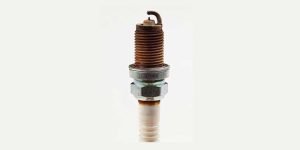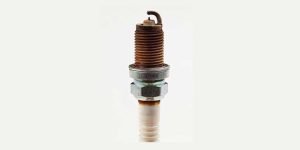
Have you ever taken a closer look at your spark plugs and noticed oil on them? If you have, you might be wondering what that means for your vehicle.
Oil on a spark plug is more than just a dirty part—it can be a sign that something isn’t quite right under your hood. Understanding what oil on your spark plug means can save you time, money, and stress by helping you spot issues early.
You’ll discover why oil appears on spark plugs, what problems it could indicate, and what steps you can take next. Keep reading to protect your engine and keep your car running smoothly.
Signs Of Oil On Spark Plug
Noticing oil on your spark plug is more than just a visual concern; it signals a deeper issue with your engine. Recognizing the signs early can save you from costly repairs and keep your vehicle running smoothly. Let’s look at what you might observe both visually and in how your car performs.
Visual Clues
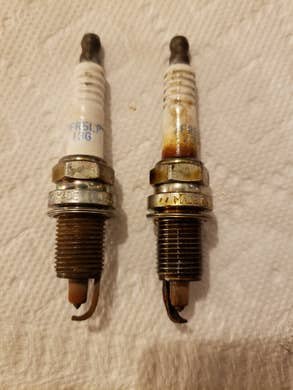
When you remove a spark plug, oil residue is often easy to spot. The electrode or insulator may appear wet, shiny, or darkened with oily deposits. This oil coating can look like a thick, black sludge or a glossy film covering the plug’s tip.
Sometimes, the plug might even have a burnt or fouled appearance alongside the oil. If you’ve ever seen this, you might wonder, “Why is my spark plug soaked in oil?” It’s a red flag that oil is leaking into the combustion chamber.
Performance Issues
Oil on spark plugs rarely comes alone—it usually affects how your engine runs. You might notice rough idling, where your engine shakes or stutters when stationary. Starting your car could become harder, requiring multiple attempts.
There’s also a drop in power and fuel efficiency. The engine might misfire, causing jerky acceleration or hesitation. These symptoms show the spark plug is not firing correctly because the oil disrupts the spark.
Have you experienced these issues but ignored them? Dealing with oil on your spark plugs early can prevent bigger engine problems down the road.

Credit: www.reddit.com
Common Causes
Finding oil on a spark plug can be puzzling and frustrating. It signals that something in your engine isn’t working right. Understanding the common causes helps you pinpoint the problem before it gets worse.
Worn Valve Guides Or Seals
Valve guides and seals keep oil from leaking into the combustion chamber. Over time, they wear out and allow oil to seep onto the spark plugs. If you notice oil on the spark plug, this wear could be the culprit.
Have you ever checked your valve seals during routine maintenance? Catching this early can save you from costly repairs later.
Damaged Piston Rings
Piston rings maintain compression and prevent oil from entering the combustion area. When they get damaged or worn, oil can slip past and foul the spark plug. This not only affects engine performance but also increases emissions.
Imagine driving with reduced power and wondering why your fuel efficiency drops—damaged piston rings might be the answer.
Faulty Cylinder Head Gasket
The cylinder head gasket seals the engine block and cylinder head tightly. A faulty gasket can let oil leak into places it shouldn’t, including the spark plug wells. This issue can lead to overheating and serious engine damage if ignored.
Does your engine overheat or lose coolant? A bad head gasket might be behind the oil contamination on your spark plug.
Overfilled Engine Oil
Too much oil in the engine can cause excess pressure and force oil into the combustion chamber. This results in oil fouling the spark plugs. Checking your oil level regularly is a simple step you can take to avoid this problem.
Have you ever checked the dipstick only to find the oil level above the recommended mark? That small oversight could cause big headaches.
Effects On Engine Performance
Oil on a spark plug can seriously affect your engine’s performance. It’s more than just a minor nuisance—this issue can cause several problems that reduce how smoothly your engine runs. Understanding these effects helps you spot trouble early and avoid costly repairs.
Misfires And Rough Idling
Oil on the spark plug disrupts the spark needed for proper combustion. This often leads to misfires, where the fuel-air mixture doesn’t ignite correctly. You might notice your engine idling roughly or hesitating when you accelerate, which can be frustrating and unsafe.
Have you ever felt your car shaking while stopped at a light? That’s a common sign of misfires caused by oily spark plugs. Fixing this quickly can restore smooth engine operation and prevent further damage.
Reduced Fuel Efficiency
When spark plugs get fouled with oil, your engine burns fuel less efficiently. This means your car uses more gas to produce the same amount of power. You might find yourself visiting the gas station more often without understanding why.
Imagine driving the same distance but paying noticeably more for fuel. Cleaning or replacing oil-covered spark plugs can help you save money by improving your miles per gallon (MPG).
Increased Emissions
Oil on spark plugs can cause incomplete combustion, leading to higher emissions. This not only harms the environment but may also cause your vehicle to fail emissions tests. It’s a problem that affects both your wallet and the planet.
Consider the impact of your car emitting more pollutants simply because of a dirty spark plug. Addressing this issue promptly supports cleaner air and keeps your vehicle compliant with regulations.
Diagnosing The Problem
Oil on a spark plug signals an underlying engine issue. Diagnosing it early helps prevent serious damage. You need to check several parts of the engine to find the cause. Focus on the spark plugs, engine compression, and oil levels to get a clear picture.
Inspecting Spark Plugs
Remove the spark plugs carefully. Look for wet, oily deposits on the plug’s tip and threads. These deposits mean oil is leaking into the combustion chamber. Note the color and amount of oil. This helps identify if the problem is minor or severe. Also, check for carbon buildup or damage on the plug.
Performing Compression Tests
Compression tests measure the engine’s cylinder pressure. Low pressure in one or more cylinders may cause oil leaks. Use a compression gauge and follow the manufacturer’s instructions. Compare the readings to the engine’s normal range. Uneven or low compression points to worn piston rings or valve seals. These parts allow oil to enter the combustion chamber.
Checking Oil Levels
Check the oil level using the dipstick. High oil levels may cause excess oil to reach the spark plugs. Too much oil can harm engine parts and lead to leaks. Look for signs of oil contamination, such as a milky color or dirt. Also, inspect the oil cap and surrounding areas for leaks. Regular oil changes keep the engine running smoothly and reduce spark plug oil issues.
Repair Options
Seeing oil on a spark plug is a clear sign that something needs fixing under your car’s hood. The repair options vary depending on the cause, but addressing the problem early can save you from bigger expenses. Let’s break down what you can do to get your engine running smoothly again.
Replacing Valve Seals Or Guides
Valve seals prevent oil from leaking into the combustion chamber. When these seals wear out, oil can drip onto the spark plug, causing misfires and poor engine performance.
Replacing valve seals or guides requires removing the cylinder head and carefully installing new seals. If you’ve noticed oil fouling your spark plugs and a smoky exhaust, this repair might be the key.
Think about whether you’ve experienced rough idling or increased oil consumption lately. These symptoms often point to valve seal problems.
Fixing Piston Rings
Piston rings keep oil out of the combustion chamber and maintain compression. Worn or broken piston rings allow oil to slip past, resulting in oil deposits on your spark plugs.
This repair is more involved, often requiring engine disassembly. However, fixing piston rings restores engine efficiency and reduces oil burning.
Ask yourself if your engine is losing power or if you spot blue smoke from the exhaust. These are strong signs that piston rings need attention.
Changing Head Gasket
A blown head gasket can cause oil to seep into cylinders and onto spark plugs. This happens because the gasket no longer seals the oil and coolant passages properly.
Replacing a head gasket is a precise job that involves removing the cylinder head and installing a new gasket. It’s critical to avoid engine overheating and further damage.
Have you noticed coolant loss along with oil on the plugs? This combination often signals a head gasket failure.
Adjusting Oil Levels
Sometimes, oil on the spark plug is a simpler problem caused by overfilling your engine oil. Too much oil can cause excess pressure, pushing oil where it shouldn’t go.
Check your oil level with the dipstick and adjust it if it’s above the recommended mark. Maintaining the correct oil level can prevent oil fouling and protect your engine parts.
Do you regularly check your oil level? Small habits like this can prevent many engine troubles before they start.

Credit: www.subaruoutback.org
Preventive Measures
Oil on a spark plug often signals engine trouble. Taking steps early can stop damage and keep your car running well. Preventive measures focus on care and attention to your engine parts.
Regular Maintenance
Check and change engine oil as the car manual says. Clean or replace spark plugs on time to avoid buildup. Regularly inspect air filters to keep dirt out of the engine. These small acts keep parts working well and prevent oil leaks onto spark plugs.
Using Quality Oil
Choose engine oil that matches your car’s make and model. High-quality oil reduces engine wear and blocks oil from reaching spark plugs. Avoid cheap oils; they may break down fast and cause problems. Proper oil helps the engine stay clean and efficient.
Timely Engine Checks
Look for oil leaks around the engine often. Listen for odd sounds that might show internal damage. Test engine compression to find worn seals or rings early. Catching problems early stops oil from contaminating spark plugs and harming engine performance.
Credit: www.fordgt500.com
Frequently Asked Questions
What Causes Oil On A Spark Plug?
Oil on a spark plug usually means oil is leaking into the combustion chamber. This can be due to worn valve guides, piston rings, or a faulty valve cover gasket. It causes misfires and poor engine performance.
Can Oil On Spark Plugs Damage My Engine?
Yes, oil on spark plugs can cause engine misfires and reduce fuel efficiency. Prolonged oil contamination may damage the ignition system and catalytic converter, leading to costly repairs.
How To Clean Oil Off Spark Plugs?
To clean oil off spark plugs, remove them carefully and wipe with a clean cloth. Use a spark plug cleaner or replace plugs if heavily fouled. Always fix the oil leak source before reinstalling.
Does Oil On Spark Plugs Affect Fuel Economy?
Oil on spark plugs causes incomplete combustion, leading to poor fuel economy. The engine burns more fuel to compensate for misfires, reducing overall efficiency and increasing emissions.
Conclusion
Oil on spark plugs signals engine trouble. Ignoring it may lead to costly repairs. Regular checks help catch issues early. Clean or replace affected plugs promptly. Consult a mechanic for persistent problems. Engines need care to run smoothly. Preventing oil leaks saves money and stress.
Understand the signs and act quickly. This ensures your vehicle stays reliable. Keeping the engine healthy is key. A little attention goes a long way. Regular maintenance helps avoid bigger problems. Stay informed and proactive. Your car will thank you.