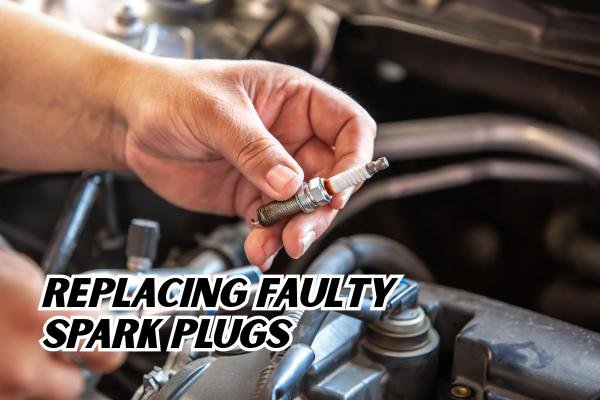
Ever wondered what really happens when you change your spark plugs? You might be surprised to learn just how much this simple maintenance task can impact your vehicle’s performance and efficiency.
Spark plugs play a crucial role in igniting the air-fuel mixture that powers your engine, and when they wear out, you can experience issues like poor fuel economy, sluggish acceleration, and even engine misfires. By understanding the benefits of changing your spark plugs, you can make informed decisions that keep your car running smoothly and save you money in the long run.
Stick around to discover how this small change can make a big difference in your driving experience.

Credit: carfromjapan.com
How Spark Plugs Affect Engine Power
Changing spark plugs can greatly influence your engine’s power. Spark plugs ignite the fuel-air mix inside the engine cylinders. If they are worn out, the ignition weakens. This leads to less power and poor performance. Clean, new spark plugs create a strong spark, ensuring better combustion and more engine power.
Role Of Spark Plugs In Combustion
Spark plugs produce the spark that lights the fuel-air mix. This combustion drives the pistons, creating engine power. Weak or dirty plugs cause misfires or incomplete combustion. This reduces the energy produced by each explosion inside the cylinder. Replacing spark plugs restores proper ignition and consistent combustion.
Impact On Fuel Efficiency
Efficient combustion saves fuel. Bad spark plugs waste fuel because of weak ignition. The engine burns more fuel to maintain power. New spark plugs improve fuel use by ensuring full combustion. This means your car runs better and uses less gas.
Connection To Engine Smoothness
Worn spark plugs cause rough engine running and vibrations. Misfires make the engine hesitate or jerk during driving. Fresh spark plugs create a steady, smooth engine rhythm. This results in better acceleration and a comfortable ride.
Credit: www.terrylabontechevy.com
Signs You Need New Spark Plugs
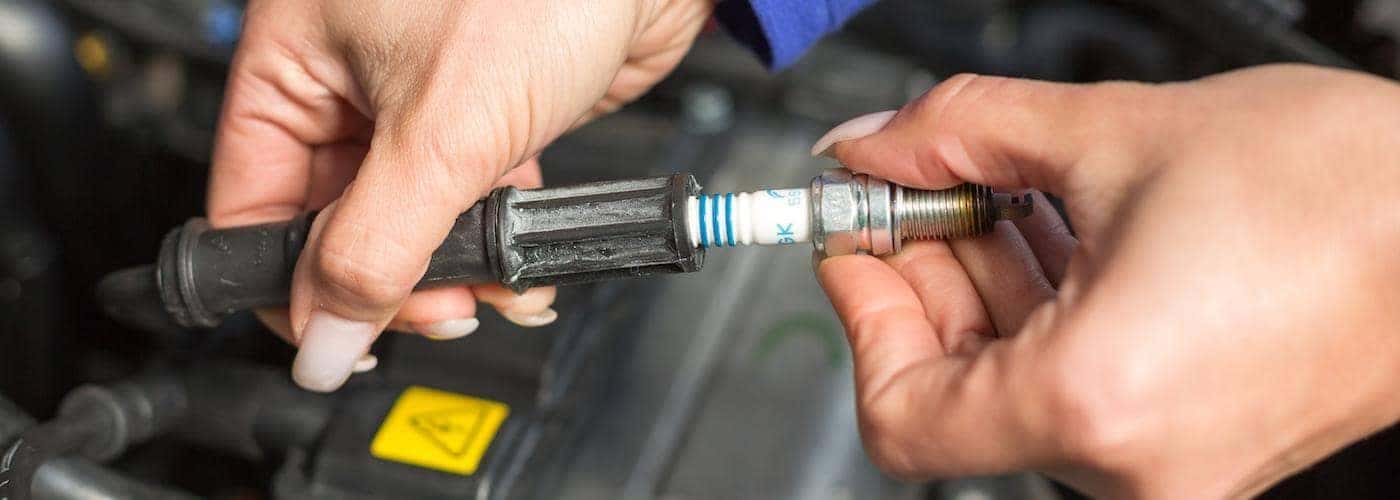
Knowing the signs that your spark plugs need replacing can save you from costly repairs and keep your car running smoothly. Spark plugs play a crucial role in igniting the fuel-air mixture inside your engine. When they start to fail, your vehicle will show clear symptoms that you shouldn’t ignore.
Engine Misfires And Rough Idling
If you notice your engine stuttering or misfiring, it could be your spark plugs struggling to ignite the fuel properly. Rough idling, where the engine shakes or hesitates when the car is stationary, is another common sign. These issues often mean your spark plugs aren’t delivering a consistent spark, affecting engine performance.
Reduced Acceleration
Have you felt your car lagging when you press the gas pedal? Poor acceleration is a strong hint that your spark plugs might be worn out. When spark plugs fail, the combustion process weakens, making it harder for your engine to deliver power quickly and efficiently.
Poor Fuel Economy
Are you filling up your gas tank more often than usual? Worn spark plugs can cause incomplete combustion, wasting fuel and reducing mileage. If your car’s fuel economy drops suddenly, checking the spark plugs should be one of your first steps.
Benefits Of Replacing Spark Plugs
Replacing spark plugs offers several key benefits for your vehicle. Fresh spark plugs keep the engine running smoothly and efficiently. They help maintain power and reduce fuel waste. Regular replacement protects your engine from damage and costly repairs.
Improved Engine Performance
New spark plugs provide a strong spark to ignite the fuel-air mix. This leads to faster starts and smoother acceleration. The engine runs more evenly without misfires. Overall, your car feels more responsive and powerful.
Enhanced Fuel Efficiency
Worn spark plugs cause incomplete combustion, wasting fuel. Replacing them improves the burn process. Your engine uses fuel more effectively, lowering consumption. This saves money at the pump and reduces trips to the gas station.
Lower Emissions
Better combustion means fewer harmful gases released. New spark plugs reduce exhaust pollution. This helps your vehicle meet emission standards. Cleaner emissions contribute to healthier air and environment.
Credit: www.chase.com
Choosing The Right Spark Plugs
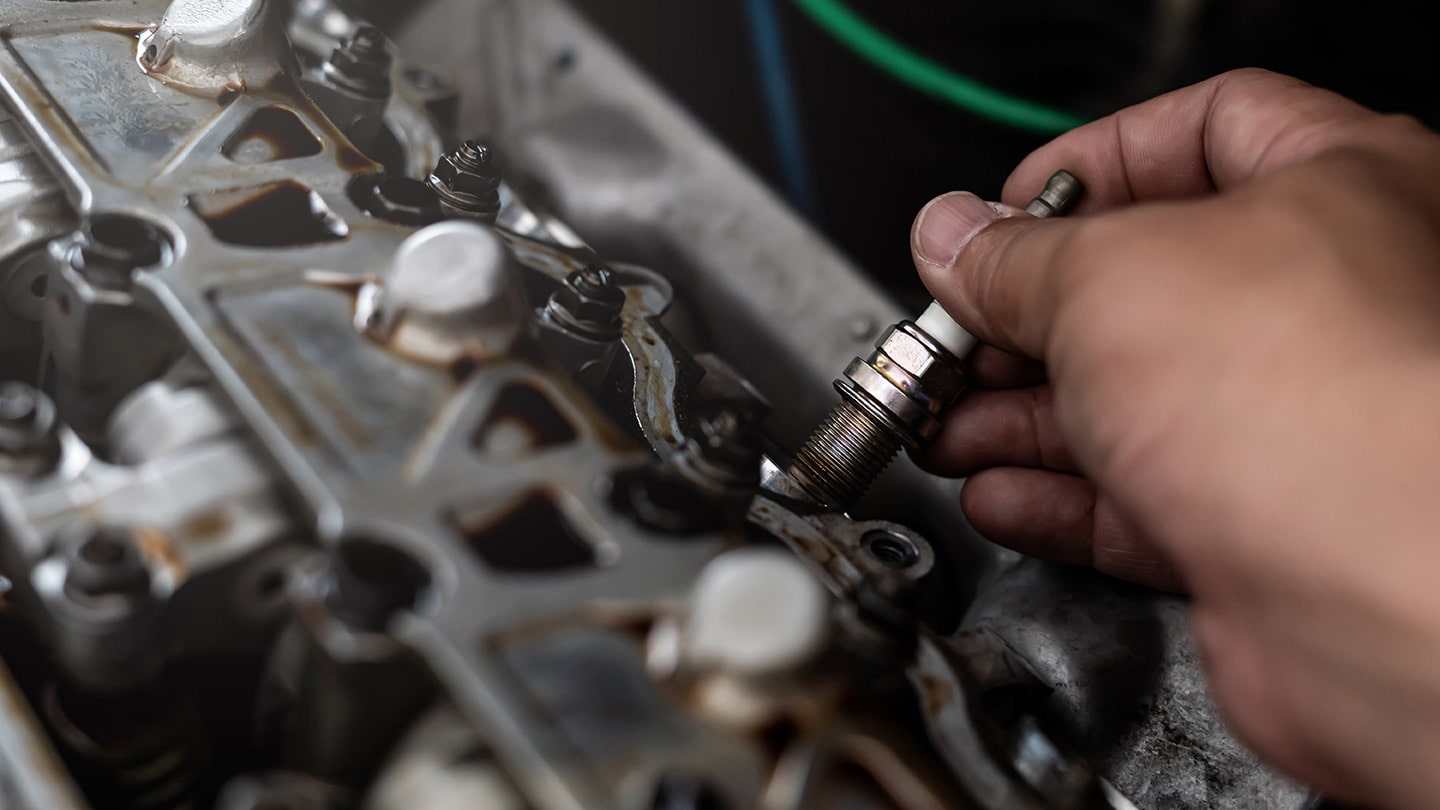
Choosing the right spark plugs affects your car’s performance and fuel efficiency. The correct spark plugs ensure smooth engine operation and longer engine life. Picking the wrong type can cause misfires, poor mileage, and engine damage. Understanding the types, materials, and compatibility helps make the best choice for your vehicle.
Types Of Spark Plugs
Spark plugs come in several types, each with unique features:
- Standard copper plugs – cost-effective and reliable for older cars.
- Platinum plugs – last longer and resist corrosion better.
- Iridium plugs – offer the best durability and performance.
- Double platinum or iridium – designed for modern engines with advanced ignition systems.
Choosing the correct type depends on your car’s make and driving needs.
Material Differences
Spark plug materials impact lifespan and efficiency. Copper plugs conduct electricity well but wear out faster. Platinum plugs resist wear and heat better than copper. Iridium plugs last the longest and maintain a stable spark. The material choice affects ignition quality and maintenance intervals.
Compatibility With Your Vehicle
Every vehicle needs specific spark plugs. Check your owner’s manual for recommended types and gap sizes. Using incompatible plugs can cause engine knocking and poor starting. Consider engine type, fuel type, and driving conditions. Always match spark plug specifications to your vehicle’s requirements.
Step-by-step Spark Plug Replacement
Changing spark plugs is a simple process that improves engine performance and fuel efficiency. Follow clear steps to replace spark plugs safely and correctly. This guide breaks down the task into easy parts anyone can do.
Tools Needed
- Spark plug socket wrench
- Ratchet wrench
- Extension bar (optional)
- Gap gauge tool
- Torque wrench
- Anti-seize compound (optional)
- Dielectric grease (optional)
- Compressed air or brush for cleaning
Removing Old Spark Plugs
Start by opening the hood and locating the spark plugs. Remove the spark plug wire or ignition coil carefully. Use compressed air to clean around the plug area to prevent dirt from falling inside. Attach the spark plug socket to the ratchet wrench and turn counterclockwise to loosen and remove the old spark plug. Repeat for all spark plugs.
Installing New Spark Plugs
Check new spark plugs for damage before installation. Apply a small amount of anti-seize compound on the threads if recommended. Insert the spark plug into the socket and carefully thread it into the engine by hand. Avoid cross-threading. Use the torque wrench to tighten the plug to the manufacturer’s specification. Reconnect the spark plug wire or ignition coil securely.
Checking And Adjusting Gap
Use the gap gauge tool to measure the space between the electrodes on the spark plug. Compare the gap to the vehicle’s specifications found in the owner’s manual. Adjust the gap gently by bending the electrode if needed. A proper gap ensures strong sparks and better engine function. Double-check the gap before installing the plug.
Maintenance Tips For Longevity
Proper maintenance extends the life of spark plugs and improves engine performance. Regular care helps avoid costly repairs and keeps your vehicle running smoothly. Simple habits make a big difference in spark plug longevity.
Regular Inspection Intervals
Check spark plugs every 30,000 miles or as recommended by the car manual. Frequent inspections catch early signs of damage. Use a clean cloth and a light to see the plug condition clearly. Record findings to track wear over time.
Signs Of Wear To Watch
- Carbon buildup on the plug tip
- Cracks or chips on the ceramic insulator
- Worn or eroded electrodes
- Oil or fuel deposits on the plug
- Difficulty starting the engine or rough idling
Spotting these signs early helps prevent engine misfires and poor fuel economy.
Preventive Care Practices
- Use the correct spark plug type for your vehicle
- Tighten plugs to the right torque to avoid damage
- Keep the ignition system clean and dry
- Replace spark plugs in sets, not just one
- Use fuel additives to reduce carbon deposits
Following these steps keeps spark plugs working efficiently for longer periods.
Frequently Asked Questions
What Does Changing Spark Plugs Improve In A Car?
Changing spark plugs improves engine performance and fuel efficiency. It ensures better ignition, smoother starts, and reduced emissions. Worn plugs can cause misfires, rough idling, and poor acceleration, so timely replacement keeps your car running smoothly.
How Often Should Spark Plugs Be Replaced?
Spark plugs typically need replacement every 30,000 to 100,000 miles, depending on the type. Consult your vehicle’s manual for specific intervals. Regular checks help maintain optimal engine function and prevent costly repairs due to worn or faulty plugs.
Can Changing Spark Plugs Save Fuel?
Yes, changing spark plugs can save fuel. New plugs provide better combustion and efficient burning of fuel. This reduces wastage and improves mileage. Old or dirty plugs cause incomplete combustion, leading to higher fuel consumption.
What Are Signs That Spark Plugs Need Changing?
Common signs include engine misfires, rough idling, poor acceleration, and difficulty starting. Increased fuel consumption and engine knocking also indicate worn spark plugs. Regular inspection helps catch these issues early for better vehicle performance.
Conclusion
Changing spark plugs keeps your engine running smooth and strong. It helps your car start easier and saves fuel. Clean, working spark plugs stop misfires and reduce pollution. Regular changes prevent engine problems and costly repairs later. Simple maintenance like this protects your vehicle’s health.
Don’t wait until your car shows signs of trouble. Take care of spark plugs to enjoy better driving every day. Small steps make a big difference in car performance.





