Have you ever wondered why your car is misfiring or not starting smoothly? The culprit might be a bad spark plug.
Knowing what a bad spark plug looks like can save you time, money, and frustration. You’ll discover the clear signs that your spark plug needs attention. Understanding these signs will help you keep your engine running strong and avoid costly repairs.
Keep reading to learn exactly what to look for and how to spot a failing spark plug before it causes bigger problems.
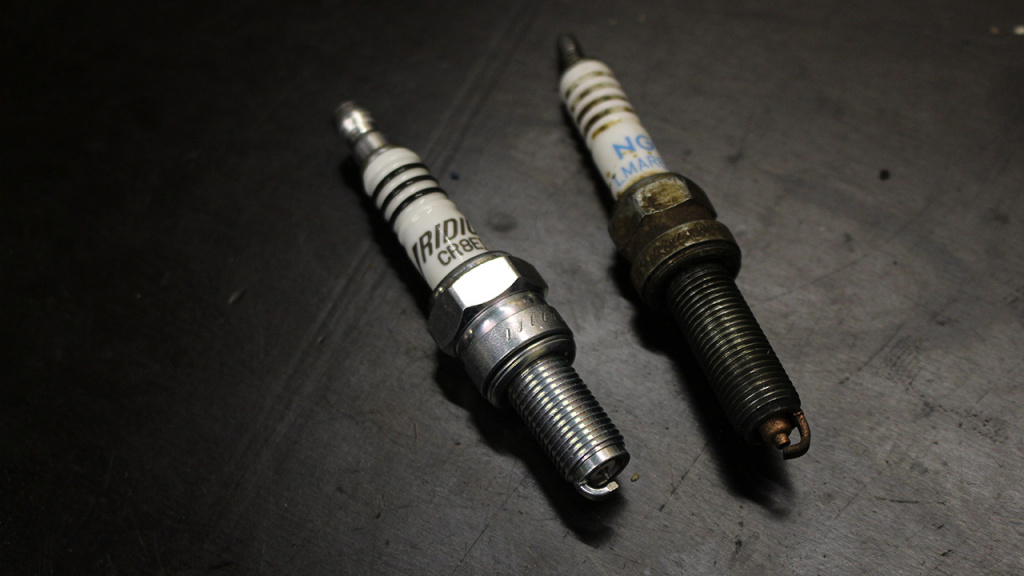
Visual Signs Of A Bad Spark Plug
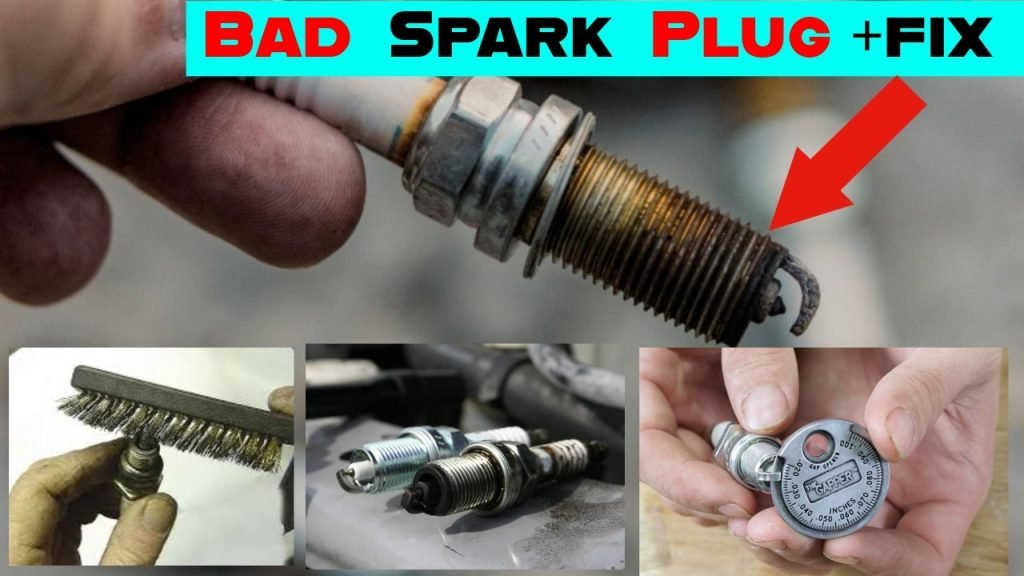
Identifying a bad spark plug is easier by spotting visual signs. These clues help understand the plug’s condition and engine health. A quick look can reveal if the spark plug needs replacement or cleaning. Recognizing these signs saves time and prevents engine issues.
Carbon Fouling
Carbon fouling appears as a black, dry, and sooty layer on the spark plug tip. It shows incomplete combustion or rich fuel mixture. This build-up blocks the spark and causes misfires. The plug looks dirty and dull. Cleaning or replacing it improves engine performance.
Oil Deposits
Oil deposits look like wet, oily, and dark stains on the spark plug. It means oil is leaking into the combustion chamber. This can happen from worn piston rings or valve guides. Oil fouling reduces spark efficiency and causes rough engine running. The spark plug needs attention to fix oil leaks.
Worn Electrodes
Worn electrodes appear rounded, thin, or eroded. The gap between the center and ground electrode grows larger. This weakens the spark and causes poor engine start or power loss. Regular use wears down the electrodes. Replacing the spark plug restores proper ignition.
Cracked Insulator
The insulator can have visible cracks or chips. These cracks cause misfires or weak sparks by allowing electricity to leak. Cracked insulators often result from overheating or physical damage. A damaged insulator always means the spark plug should be replaced immediately.
Credit: finntrail.com
Performance Issues Linked To Bad Spark Plugs
Bad spark plugs can cause a range of performance problems in your vehicle. If you notice your car isn’t running as smoothly as it used to, the spark plugs might be the culprit. Recognizing these issues early can save you from costly repairs and keep your engine in top shape.
Engine Misfires
One of the most obvious signs of bad spark plugs is engine misfires. Your engine may hesitate or jerk when accelerating, which feels like a sudden loss of power.
This happens because the spark plug fails to ignite the fuel-air mixture properly. If you’ve ever experienced a jerky ride or strange noises from the engine, checking the spark plugs should be your first step.
Poor Fuel Economy
Have you noticed that your fuel gauge drops faster than usual? Worn-out spark plugs can cause incomplete combustion, wasting fuel in the process.
This means your car burns more gas to produce the same amount of power. Fixing or replacing bad spark plugs often leads to immediate improvements in mileage, saving you money at the pump.
Difficulty Starting
Struggling to start your car can be frustrating, especially on cold mornings. Bad spark plugs make ignition harder because they don’t create a strong enough spark to start the engine.
If you find yourself turning the key multiple times before the engine catches, it’s a clear sign to inspect your spark plugs. Addressing this early prevents being stranded unexpectedly.
Rough Idling
When your car idles roughly or shakes while stopped, it might be due to faulty spark plugs. A weak spark causes inconsistent firing in the cylinders, leading to vibrations and uneven engine sound.
Pay attention to how your car feels at red lights or in traffic. If the idle isn’t smooth, checking the spark plugs could reveal the issue and restore your engine’s balance.
Common Causes Of Spark Plug Damage
Spark plugs face many challenges inside an engine. These challenges can cause damage that affects car performance. Understanding common causes of spark plug damage helps in spotting problems early. It also guides proper maintenance and replacement timing.
Overheating
Excessive heat damages spark plugs quickly. High engine temperatures burn the plug’s electrodes. This leads to melted or cracked parts. Overheating often results from wrong heat range plugs or engine issues. Signs include blistered or white insulator tips.
Incorrect Gap
The spark plug gap must be precise. A gap too wide or too narrow affects spark quality. Poor spark causes misfires and rough idling. Incorrect gaps also increase wear on electrodes. Regular checks ensure the gap matches vehicle specifications.
Contaminants
Oil, fuel, and carbon deposits dirty spark plugs. Contaminants coat the electrodes and insulator. This blocks the spark or reduces its strength. Oil fouling appears as black, oily deposits. Carbon fouling looks like dry, black soot. Both cause weak or no ignition.
Wear And Tear
Spark plugs wear out over time. The electrodes erode with each spark. This widens the gap and lowers performance. Normal wear causes reduced fuel efficiency and starting issues. Replacing plugs at recommended intervals avoids these problems.

Credit: www.toyotanation.com
Tools To Inspect Spark Plugs
Inspecting spark plugs is crucial to understand their condition and decide if they need replacement. Having the right tools can make this task easier and more accurate. You don’t have to be a mechanic to check your spark plugs effectively; simple tools and clear techniques will get you there.
Visual Inspection Techniques
Start by looking at the spark plug closely. Use a magnifying glass if you have one to spot any cracks, heavy deposits, or worn electrodes. A healthy spark plug usually has a light tan or grayish color on the insulator tip.
Look out for signs like black soot, oily residue, or melted electrodes. These indicate specific engine problems, such as fouling or overheating. Keep a flashlight handy to see the details clearly, especially if you’re working in low light.
Using A Spark Plug Tester
A spark plug tester helps you check if the plug can generate a strong spark. It’s a simple device where you connect the spark plug and crank the engine. Watching the spark inside the tester’s glass tube tells you immediately if the plug is firing correctly.
This tool saves you from guesswork and helps confirm if your spark plug is dead or just dirty. You can find affordable testers online or at auto parts stores. It’s a handy addition to your toolkit if you check your vehicle often.
Measuring Electrode Gap
The gap between the center and ground electrode is critical for proper ignition. Use a feeler gauge to measure this gap accurately. Each vehicle has a recommended gap size, which you can find in the owner’s manual or online.
If the gap is too wide or narrow, the spark won’t be strong enough, leading to engine misfires or poor fuel economy. Adjusting the gap with a spark plug gap tool can restore performance without buying new plugs immediately. Have you checked your spark plug gap recently?
When To Replace Spark Plugs
Knowing when to replace your spark plugs can save you from unexpected breakdowns and costly repairs. Spark plugs wear out over time, and ignoring the signs can affect your vehicle’s performance. Let’s look at clear indicators to help you decide the right time for a replacement.
Mileage Guidelines
Most spark plugs last between 30,000 to 100,000 miles, depending on the type and your driving conditions. Copper spark plugs usually need replacement closer to 30,000 miles, while platinum and iridium plugs can last up to 100,000 miles. Check your vehicle’s manual for manufacturer recommendations, but also consider your driving habits—stop-and-go traffic or frequent short trips can wear plugs faster.
Signs Of Severe Damage
Visual inspection can reveal a lot about your spark plugs’ condition. Look for:
- Black, oily deposits:This could mean oil is leaking into the combustion chamber, which needs immediate attention.
- Worn or eroded electrodes:If the electrode tip looks rounded or damaged, the spark plug can’t fire properly.
- Cracks or chips in the ceramic insulator:Physical damage here usually means the plug is beyond repair.
Have you ever noticed rough idling or difficulty starting your car? These can be direct results of severely damaged spark plugs.
Impact On Engine Health
Bad spark plugs reduce engine efficiency and fuel economy. Misfires caused by worn plugs can lead to increased emissions and even damage the catalytic converter. Ignoring spark plug health puts extra strain on your ignition system and can shorten the lifespan of other engine components.
Ask yourself: Is it worth risking engine damage to save a few dollars on spark plug replacement? Timely change keeps your engine running smoothly and avoids bigger repair bills down the road.

Credit: www.reddit.com
Preventing Spark Plug Problems
Preventing spark plug problems is key to keeping your engine running smoothly. Spark plugs might be small, but they play a huge role in your vehicle’s performance. Paying attention to how you care for them can save you from unexpected breakdowns and costly repairs.
Regular Maintenance Tips
Check your spark plugs regularly, especially if your car feels sluggish or starts misfiring. Clean any dirt or deposits you find on the plugs to maintain good contact and spark quality. Replacing spark plugs at the intervals recommended in your vehicle’s manual helps avoid buildup that can cause poor ignition.
Have you ever ignored a small engine hiccup, only to face bigger issues later? Catching spark plug wear early can prevent that. Keep an eye on the color and condition of the plugs during routine checks; a healthy plug usually has a light tan or gray color.
Choosing The Right Spark Plug
Not all spark plugs are the same. Using the correct type and heat range specified for your engine makes a big difference. If you’re unsure, consult your owner’s manual or ask a trusted mechanic to avoid problems like fouling or pre-ignition.
Think about how different driving conditions affect your spark plugs. For example, if you often drive in dusty or wet environments, you might need plugs designed for more durability. Choosing the right plug can improve fuel efficiency and engine responsiveness.
Proper Installation Practices
Installing spark plugs correctly is crucial. Make sure to gap the plugs to the manufacturer’s specifications before installation. Incorrect gap size can lead to weak sparks or misfires.
Use a torque wrench to tighten spark plugs to the proper level. Over-tightening can damage the threads, while under-tightening may cause poor electrical contact. Taking your time with installation prevents future engine troubles and keeps your car running efficiently.
Frequently Asked Questions
What Are The Common Signs Of A Bad Spark Plug?
A bad spark plug often shows carbon buildup, oil fouling, or worn electrodes. It may cause engine misfires, rough idling, and poor fuel economy. Inspecting spark plugs regularly helps detect these issues early and maintain engine performance.
How Does A Damaged Spark Plug Affect Engine Performance?
A damaged spark plug can cause misfires, hard starts, and reduced power. It disrupts proper combustion, leading to inefficient fuel use and increased emissions. Replacing faulty spark plugs improves engine smoothness and fuel efficiency.
Can A Bad Spark Plug Cause Poor Fuel Economy?
Yes, bad spark plugs cause incomplete combustion, wasting fuel. This leads to higher fuel consumption and increased emissions. Regular spark plug maintenance ensures better mileage and cleaner engine operation.
What Does A Spark Plug With Carbon Deposits Indicate?
Carbon deposits on spark plugs indicate a rich fuel mixture or weak ignition. This causes misfires and poor engine performance. Cleaning or replacing the spark plug resolves the issue and restores efficiency.
Conclusion
Bad spark plugs can cause engine trouble. Recognize the signs early. Dark deposits, visible wear, or cracked insulators indicate problems. Regular checks and replacements ensure smooth engine performance. Ignoring spark plug issues leads to costly repairs. Understand what bad spark plugs look like.
It saves time and money. Keep your vehicle running efficiently. Maintain a safe and reliable ride. Simple maintenance goes a long way. Stay informed and proactive. Your car depends on it. Happy driving!