Have you ever found yourself staring at a toolbox, wondering which tool you need to replace your car’s spark plugs? It’s a common puzzle, and you’re not alone.
The spark plug socket might just be the unsung hero you’re looking for. But what exactly does a spark plug socket look like, and why is it essential for your car maintenance? You’ll discover the answer to these questions and more.
Picture this: a smooth, hassle-free car maintenance experience, where you have the right tools at your fingertips. Understanding what a spark plug socket looks like is your first step to achieving that goal. By the end of this read, you’ll not only know how to identify this crucial tool but also why having the right one is vital for your vehicle’s performance. Dive in, and let’s demystify the spark plug socket together.
Credit: www.craftsman.com
Basic Shape And Design
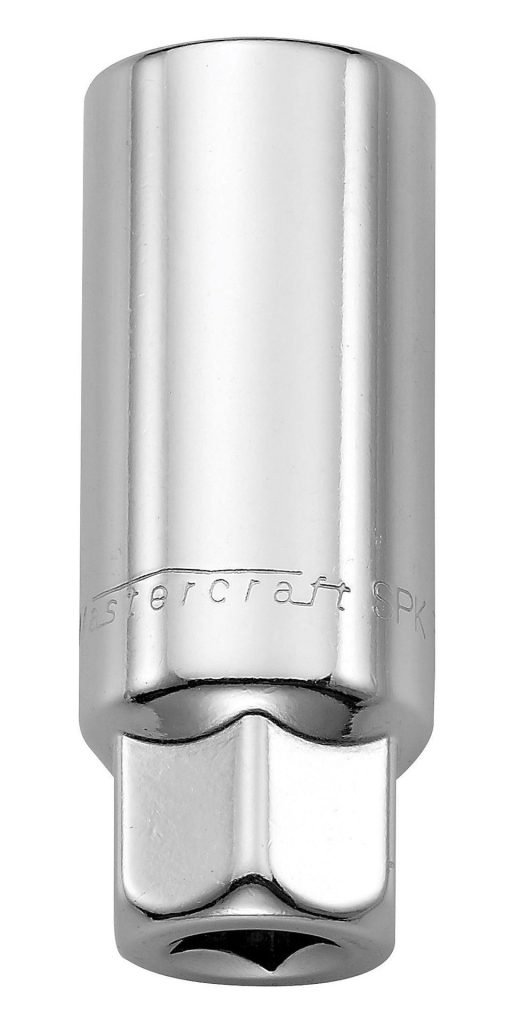
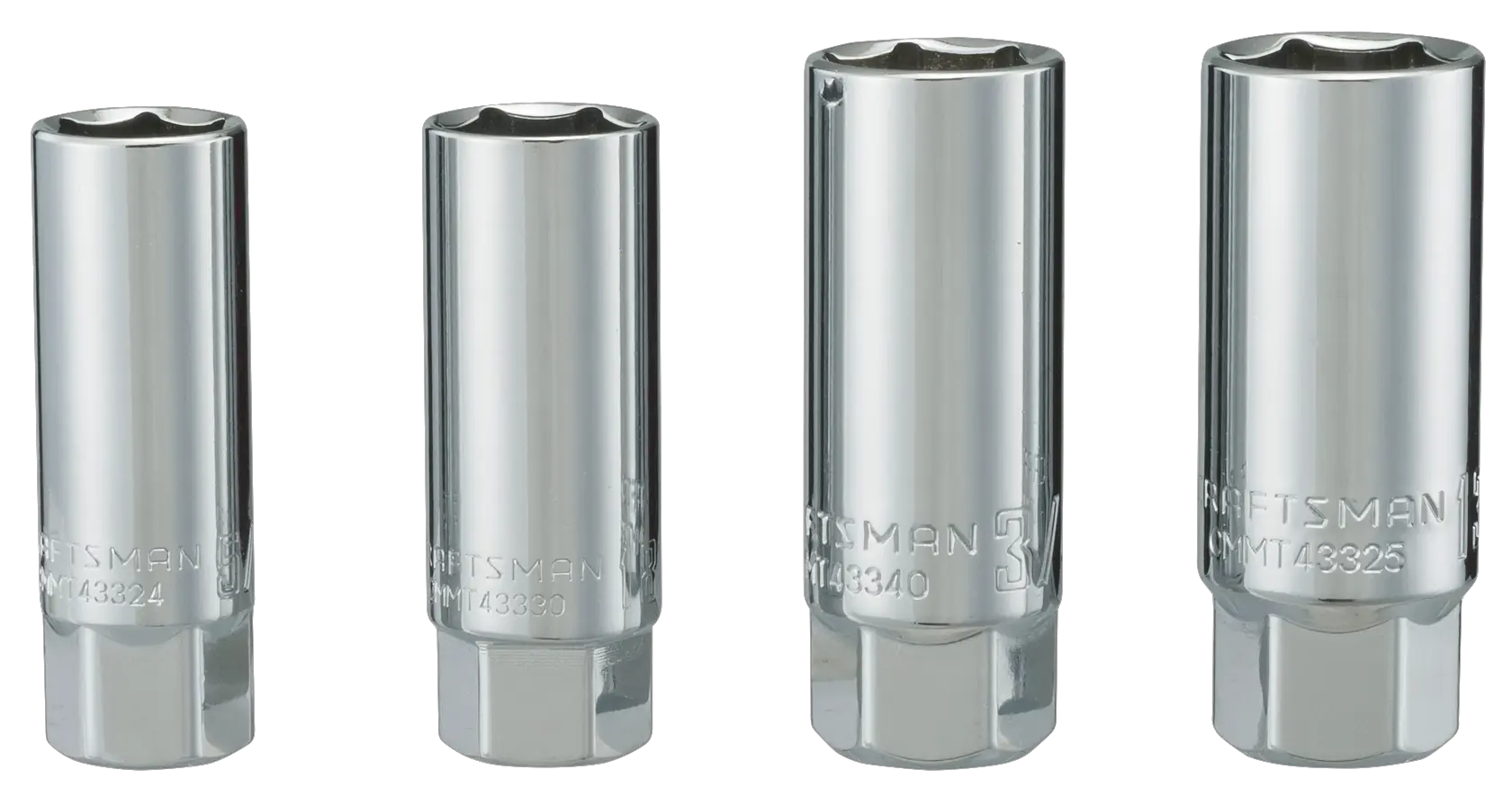
A spark plug socket has a distinct shape designed for easy use and durability. Its design helps grip the spark plug firmly and allows safe removal or installation. The shape and design vary slightly but follow basic principles to fit spark plugs precisely.
The socket is hollow, allowing it to fit over the spark plug’s ceramic insulator and metal shell. It usually has a hexagonal opening that matches the spark plug’s hex shape. This design ensures a tight grip and prevents slipping during work.
Common Socket Shapes
- Hexagonal:The most common shape, matching the spark plug’s hex head.
- Deep sockets:Longer than standard sockets to reach spark plugs recessed in the engine.
- Rubber or foam insert:Inside the socket to hold the spark plug securely during removal or installation.
Material And Finish
- Steel construction:Most spark plug sockets are made from high-quality steel for strength.
- Chrome plating:A shiny finish that resists rust and corrosion.
- Matte or satin finish:Some sockets have a non-reflective surface for better grip and reduced glare.
Socket Sizes And Fits
Spark plug sockets come in various sizes and fits to match different spark plugs. Choosing the correct size ensures a secure grip and prevents damage to the spark plug or socket. Understanding these sizes helps in selecting the right tool for your vehicle maintenance.
Standard Sizes
Spark plug sockets commonly come in two standard sizes: 5/8 inch and 13/16 inch. These sizes fit most passenger cars and light trucks. Some sockets also have a 3/8 inch drive or a 1/2 inch drive, which matches the ratchet or wrench size you use.
- 5/8 inch (16mm) – Fits many small and medium spark plugs
- 13/16 inch (21mm) – Used for larger or heavy-duty spark plugs
- 3/8 inch drive – Works with most ratchets for light tasks
- 1/2 inch drive – Provides more torque for tougher jobs
Sockets may have a rubber insert or a magnetic core. Both help hold the spark plug firmly during removal or installation.
Compatibility With Spark Plugs
Sockets must fit snugly over the spark plug’s hexagonal shape. This fit prevents slipping and rounding off the plug’s edges. Using the right socket size matches the hex size of the spark plug.
Some spark plugs have unique sizes or designs. In these cases, specialized sockets are needed. Always check the spark plug’s specifications before choosing a socket.
Proper fit also protects the ceramic insulator of the plug. A well-fitting socket reduces the risk of cracking or breaking the plug during work.
Key Features
A spark plug socket has special features that help remove and install spark plugs easily. These features protect the spark plug and make the job faster. Understanding these key features helps you choose the right tool for your car or machine.
Rubber Insert Or Foam Liner
Most spark plug sockets have a rubber insert or foam liner inside. This soft lining holds the spark plug firmly. It stops the plug from slipping or falling out during use. The lining also protects the ceramic part of the spark plug from cracking.
Magnetic Holders
Some spark plug sockets include a magnet inside. The magnet grabs the spark plug and holds it tight. This helps when working in tight spaces. It keeps the spark plug from dropping while you move it into place.
Drive End Types
The drive end is where the socket attaches to a wrench or ratchet. Spark plug sockets come in different drive sizes. Common sizes are 3/8 inch and 1/2 inch. The right drive size matches your tool for better control and power.
Credit: www.homehardware.ca
How To Identify A Spark Plug Socket
Identifying a spark plug socket is easy with a few simple tips. These sockets have unique features that set them apart from other tools. Knowing these details helps you pick the right socket quickly. This saves time and prevents damage to spark plugs or engines.
Visual Clues
Spark plug sockets look different from regular sockets. They are usually deeper to fit the length of a spark plug. The inside often has a rubber insert or foam to hold the spark plug securely. This insert prevents the plug from falling out during installation or removal.
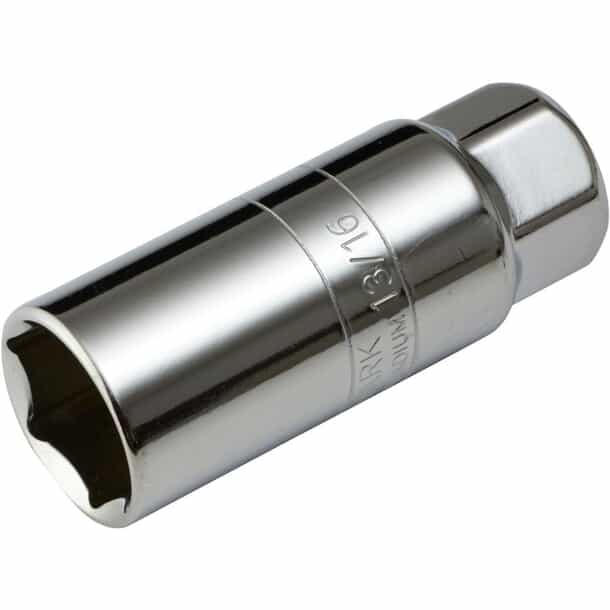
Most spark plug sockets have a hex shape on the outside for easy turning. The size is commonly 5/8 inch or 13/16 inch, which fits most spark plugs. The socket’s length ranges from 2 to 3 inches or more, making it longer than normal sockets.
Markings And Labels
Check for size markings on the socket’s side. Spark plug sockets often show measurements like “5/8” or “13/16” in clear print. Some sockets also have the brand name or part number stamped on them. These markings help confirm the socket’s purpose and size.
Look for labels indicating “spark plug” or “deep socket.” These labels make identification easier, especially in a mixed toolbox. The presence of a rubber or foam insert is another sign that the socket is for spark plugs.
Comparison With Regular Sockets
The spark plug socket looks similar to regular sockets but has unique features. It is designed specifically for spark plugs, which need careful handling. Comparing it with regular sockets highlights these differences and benefits. This helps understand why a special tool is needed for spark plug tasks.
Design Differences
- Spark plug sockets have a rubber insert inside to grip the plug.
- Regular sockets lack this rubber or foam insert.
- Spark plug sockets often have a deeper design to fit long plugs.
- Regular sockets are usually shorter and meant for bolts or nuts.
- The drive size of spark plug sockets matches standard ratchets but their shape differs.
Functional Advantages
- The rubber inside protects the spark plug from damage during removal.
- It holds the plug firmly, preventing it from falling out.
- Deeper sockets provide better access to spark plugs in tight engine spaces.
- Regular sockets may slip or break the plug if used instead.
- Spark plug sockets make installation and removal easier and safer.
Using Spark Plug Sockets Safely
Using spark plug sockets safely is important for both your tools and engine parts. These sockets are designed to fit spark plugs perfectly. Handling them carefully prevents damage and ensures your engine runs smoothly.
Proper Handling Tips
- Always wear gloves to protect your hands and grip better.
- Use the correct size socket for your spark plug.
- Attach a ratchet or breaker bar firmly to avoid slipping.
- Turn slowly and steadily to loosen or tighten spark plugs.
- Keep the socket clean to ensure a good fit.
Avoiding Damage To Spark Plugs
- Do not apply too much force to avoid breaking the plug.
- Use a socket with a rubber insert to cushion the plug.
- Check the spark plug threads for dirt before removal.
- Remove spark plugs straight without tilting the socket.
- Replace worn or damaged sockets to prevent slipping.

Credit: www.amazon.ca
Frequently Asked Questions
What Does A Spark Plug Socket Look Like?
A spark plug socket is a deep, cylindrical tool with a rubber insert. It fits snugly around spark plugs for easy removal or installation. The socket often has a hexagonal outer shape to connect with a ratchet or wrench.
How Is A Spark Plug Socket Different From Regular Sockets?
Spark plug sockets are deeper and have a rubber or foam insert. This insert protects the spark plug’s ceramic body during removal. Regular sockets lack this cushioning and are generally shallower.
What Sizes Do Spark Plug Sockets Come In?
Common spark plug socket sizes are 5/8 inch (16mm) and 13/16 inch (21mm). The size depends on the vehicle’s spark plug dimensions. Choosing the right size ensures a proper fit and avoids damage.
Can I Use A Spark Plug Socket With A Ratchet?
Yes, spark plug sockets are designed to work with ratchets. Their hexagonal outer shape fits standard ratchet drives, making spark plug removal and installation easier and more efficient.
Conclusion
A spark plug socket has a simple, useful design. It looks like a deep, hollow cylinder. The socket holds the spark plug firmly while you twist it. Many have a rubber insert to protect the plug. Sizes vary but most fit common spark plugs.
Knowing its shape helps you pick the right tool. This tool makes spark plug changes easier and safer. Remember, using the right socket saves time and prevents damage. Keep this tool in your car kit for quick repairs. Understanding its look and use helps every car owner.





