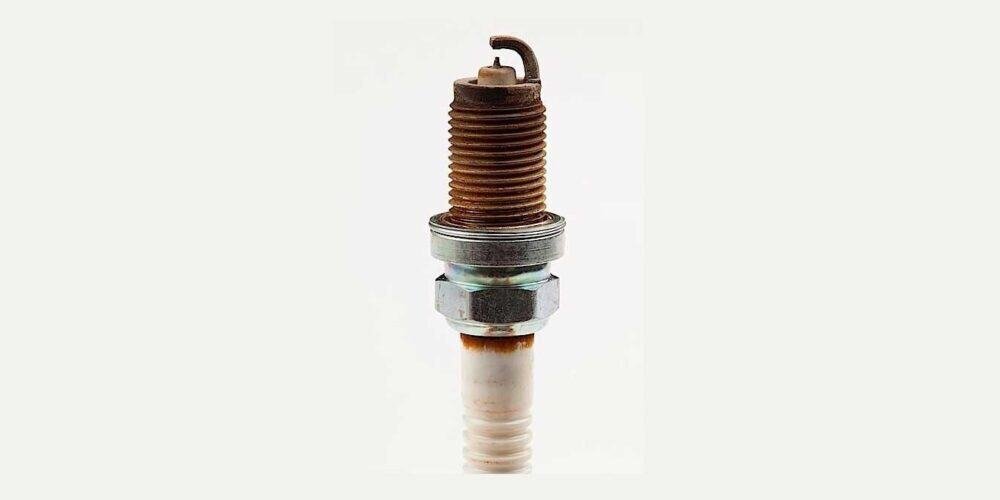
Have you ever wondered what a spark plug looks like and why it’s so important for your vehicle? If you’re curious about this small but powerful part, you’re in the right place.
Understanding what a spark plug looks like can help you spot problems early and keep your engine running smoothly. Keep reading, and you’ll discover the key features of a spark plug and why it matters to your car’s performance. You might be surprised by how this tiny component plays a big role in your daily drive.
Credit: carfromjapan.com
Basic Shape And Size
Understanding the basic shape and size of a spark plug helps you identify and choose the right one for your engine. Spark plugs might seem simple, but their design plays a crucial role in their function and fit. Knowing what to look for can save you time and prevent damage when you’re replacing or inspecting them.
Typical Dimensions
Spark plugs usually range in length from about 2 to 4 inches (50 to 100 mm). The threaded section, which screws into the engine, typically measures between 0.75 and 1.25 inches (19 to 32 mm) long. Diameter sizes also vary, but the most common thread diameters are 10mm, 12mm, and 14mm.
Have you ever tried fitting a spark plug only to realize it was too long or too short? That’s why these measurements matter. A plug that’s too long can damage the engine, while one that’s too short won’t ignite fuel properly.
Common Shapes
Most spark plugs share a basic shape: a metal threaded shell, an insulator made of ceramic, and a central electrode that sparks. The top usually has a terminal nut or a threaded post where the ignition wire connects.
- Standard plugs:Straight and cylindrical, these fit most cars and small engines.
- Resistor plugs:Look similar but include an internal resistor to reduce electrical noise in electronic systems.
- Projected tip plugs:Have a longer center electrode that extends into the combustion chamber for better ignition in some engines.
Recognizing these shapes helps you pick the right type for your vehicle. Have you noticed how some plugs have a flat end while others taper? That difference can affect engine performance and efficiency.
Main Components
The main components of a spark plug work together to create the tiny spark needed to ignite your engine’s fuel. Understanding these parts helps you identify issues and choose the right spark plug for your vehicle. Each component has a specific role, and even a small fault can affect your engine’s performance.
Metal Shell
The metal shell is the outer casing of the spark plug. It screws into the engine’s cylinder head, securing the plug in place. This part also helps dissipate heat away from the combustion chamber to prevent overheating.
Insulator
The insulator is usually made of ceramic and sits inside the metal shell. Its job is to keep the high voltage from escaping, directing the electrical energy through the center electrode instead. Have you ever noticed a spark plug with a cracked insulator? That small crack can cause misfires and engine trouble.
Center Electrode
The center electrode runs through the middle of the insulator. It carries the electrical current that jumps across the gap to the ground electrode, creating the spark. The material and design of this electrode impact how well your engine runs and how long the plug lasts.
Ground Electrode
The ground electrode extends from the metal shell toward the center electrode. The spark jumps from the center electrode to this ground electrode to ignite the fuel-air mix. If this gap is too wide or too narrow, your engine might misfire or lose power.
Material And Finish
The material and finish of a spark plug play a crucial role in its performance and durability. Understanding what these components are made of can help you choose the right spark plug for your vehicle and maintain it better. Let’s look closely at the key materials and finishes that make spark plugs work efficiently.
Metal Types Used
The central electrode is usually made from metals like copper, nickel, platinum, or iridium. Copper offers excellent conductivity but wears out faster.
Nickel is more durable but doesn’t conduct heat as well. Platinum and iridium are prized for their strength and ability to withstand high temperatures, making them common in high-performance spark plugs.
Have you noticed how some spark plugs last much longer? It’s often due to these precious metals in the electrode.
Ceramic Insulator
The white part of a spark plug is the ceramic insulator, made from aluminum oxide. This material is chosen for its ability to handle extreme heat and electrical insulation.
Its smooth finish helps prevent dirt and moisture from causing shorts or misfires. Think of it as the spark plug’s shield, keeping everything running smoothly inside your engine.
Coatings And Plating
Coatings on spark plugs protect against corrosion and wear. Common coatings include nickel plating on the metal shell to resist rust and heat damage.
Some spark plugs also have special finishes like anti-seize coatings, which make removal easier after long use. This small detail can save you time and frustration during maintenance.
Have you ever struggled to remove a spark plug? A good coating can make that job much simpler.
Credit: www.themotorombudsman.org
Types Of Spark Plugs
Understanding the types of spark plugs can help you choose the right one for your vehicle and improve engine performance. Each type has unique features that affect durability, efficiency, and cost. Knowing these differences can save you money and headaches during maintenance.
Copper Spark Plugs
Copper spark plugs have a solid copper core, which allows excellent heat conductivity. This helps them cool quickly, making them suitable for older engines or those with low-compression. However, they tend to wear out faster than other types, so you may need to replace them more often.
If you drive a classic car or a budget-friendly vehicle, copper plugs might be a good fit. Have you noticed your spark plugs wearing out sooner than expected? Copper could be why.
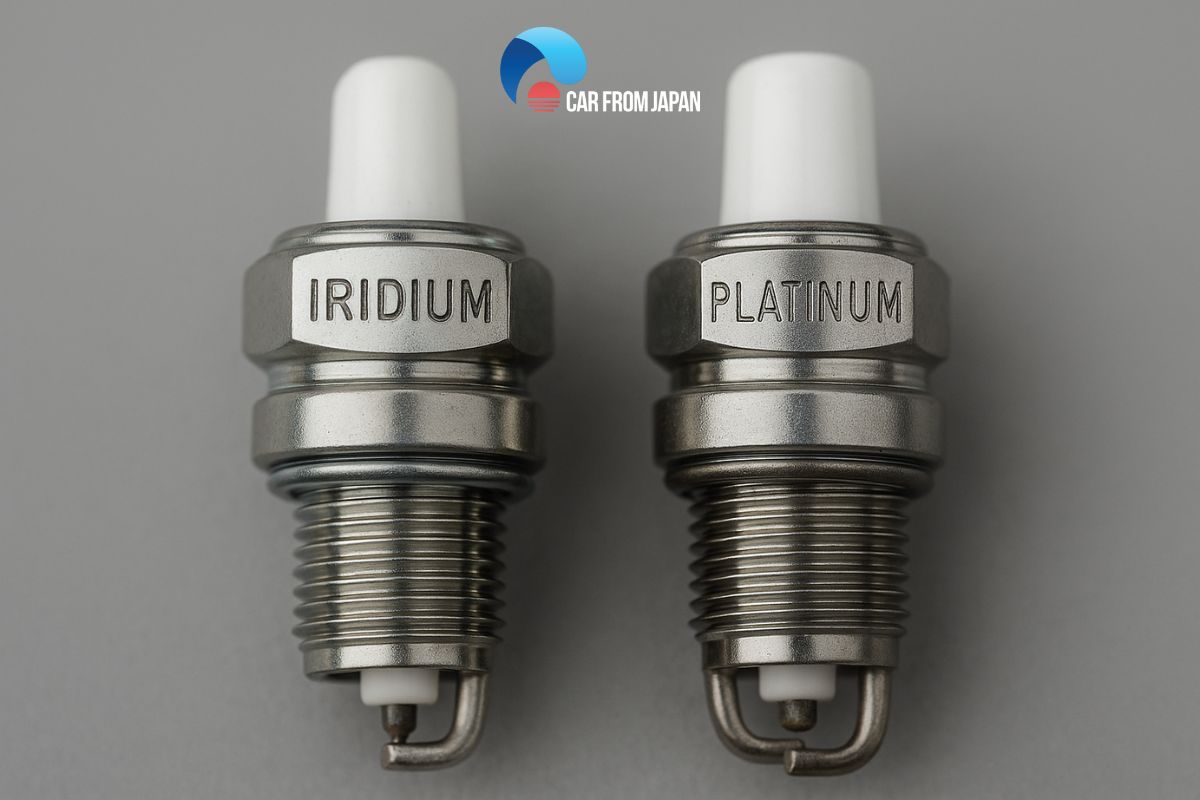
Platinum Spark Plugs
Platinum spark plugs feature a thin platinum disc welded to the center electrode. This makes them more durable and resistant to erosion compared to copper. They last longer, often doubling the lifespan of copper plugs.
Many modern cars use platinum plugs because they provide stable performance and require less frequent changes. If you want a balance between cost and durability, platinum could be the smart choice for your engine.
Iridium Spark Plugs
Iridium spark plugs have a very fine iridium tip, which is harder and melts at a higher temperature than platinum. This gives them the longest lifespan and best performance, especially in high-performance or turbocharged engines.
Though iridium plugs cost more upfront, they often pay off through improved fuel efficiency and fewer replacements. Are you pushing your engine hard or looking for maximum reliability? Iridium plugs might be worth the investment.
Visual Indicators Of Wear
Visual signs on a spark plug reveal a lot about its health and performance. Paying close attention to these indicators can help you spot issues before they cause bigger problems. Let’s look closely at what changes to watch for and what they mean for your engine.
Color Changes
The color of your spark plug’s tip tells a story. A healthy plug usually has a light tan or grayish color. Dark black or oily deposits suggest your engine is burning too rich or there’s oil leaking into the combustion chamber.
Have you ever noticed a spark plug turning white or blistered? That often means the engine is running too hot. Checking these colors regularly can save you from costly repairs down the road.
Electrode Erosion
Look closely at the electrodes—the metal parts at the end of the plug. Over time, these can wear down or become rounded. This erosion increases the gap, making it harder for the spark to jump and reducing engine efficiency.
If your engine feels sluggish or misfires, the worn electrodes might be the culprit. Replacing plugs before they wear out completely keeps your engine running smoothly.
Deposits And Fouling
Deposits on the spark plug can take many forms, such as carbon build-up, ash, or oil residue. Carbon fouling looks like a dry, black soot and often points to incomplete combustion. Oil fouling appears wet and shiny, indicating oil leaks.
These deposits affect how well the spark plug fires. Cleaning or replacing fouled plugs can restore your engine’s performance quickly. Have you checked your plugs for deposits lately? It might be time to take a closer look.

Credit: craigscarcare.com
How Spark Plug Design Affects Performance
Spark plugs look small, but their design impacts engine performance a lot. Each part of a spark plug plays a role in how well your engine runs. Understanding these design features helps you choose the right spark plug for your vehicle.
Heat Range
The heat range shows how fast a spark plug can remove heat from the combustion chamber. A plug with a high heat range stays cooler. A low heat range plug runs hotter. Choosing the correct heat range prevents engine knocking and fouling. It also helps maintain smooth engine operation.
Gap Size
The gap size is the space between the center and ground electrode. This gap controls the spark that ignites the air-fuel mix. A smaller gap needs less voltage but may produce a weaker spark. A larger gap creates a stronger spark but needs more voltage. Proper gap size improves fuel efficiency and engine start-up.
Electrode Shape
Electrode shape affects spark strength and durability. Some electrodes are flat, while others are pointed or have multiple tips. Pointed electrodes focus the spark better, helping ignition. Multiple tips increase spark chances under tough conditions. The right shape can reduce wear and improve engine power.
Frequently Asked Questions
What Are The Main Parts Of A Spark Plug?
A spark plug has a metal shell, ceramic insulator, central electrode, and ground electrode. These parts work together to ignite fuel in an engine.
How Big Is A Typical Spark Plug?
Most spark plugs are around 2 to 3 inches long. They are small but crucial for engine performance.
What Color Is A Spark Plug’s Insulator?
The insulator is usually white or light gray. It helps isolate the electrical current within the spark plug.
Can You Identify A Spark Plug By Its Shape?
Yes, spark plugs have a cylindrical shape with a threaded metal shell and a protruding electrode tip.
Conclusion
Understanding spark plugs is important for car maintenance. These small parts play a big role in engine performance. Recognizing their look helps with timely replacements. They resemble small metal cylinders with threaded ends. A ceramic insulator is present in the middle.
This knowledge can save you from engine troubles. Regular checks ensure your car runs smoothly. Remember, taking care of spark plugs benefits your vehicle. It also helps in maintaining fuel efficiency. Keep an eye on them for a better driving experience.
Simple steps lead to better engine health. Stay informed and enjoy a smoother ride.





