Have you ever wondered what a lean spark plug looks like and why it matters for your engine’s health? If you want to keep your vehicle running smoothly, understanding the signs of a lean spark plug is key.
It’s not just about spotting wear and tear; it’s about knowing how your engine is performing and preventing costly damage. You’ll discover exactly what a lean spark plug looks like, how to identify it easily, and what steps you can take next.
Keep reading, because your engine’s performance depends on it.
Appearance Of A Lean Spark Plug
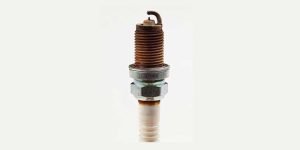
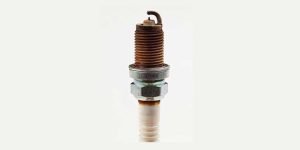
The appearance of a lean spark plug reveals important clues about engine performance. A lean spark plug indicates the engine is running with too much air and not enough fuel. This condition affects the spark plug’s look, especially on the electrode and insulator. Observing these changes helps diagnose fuel mixture issues and prevent engine damage.
Color Changes On The Electrode
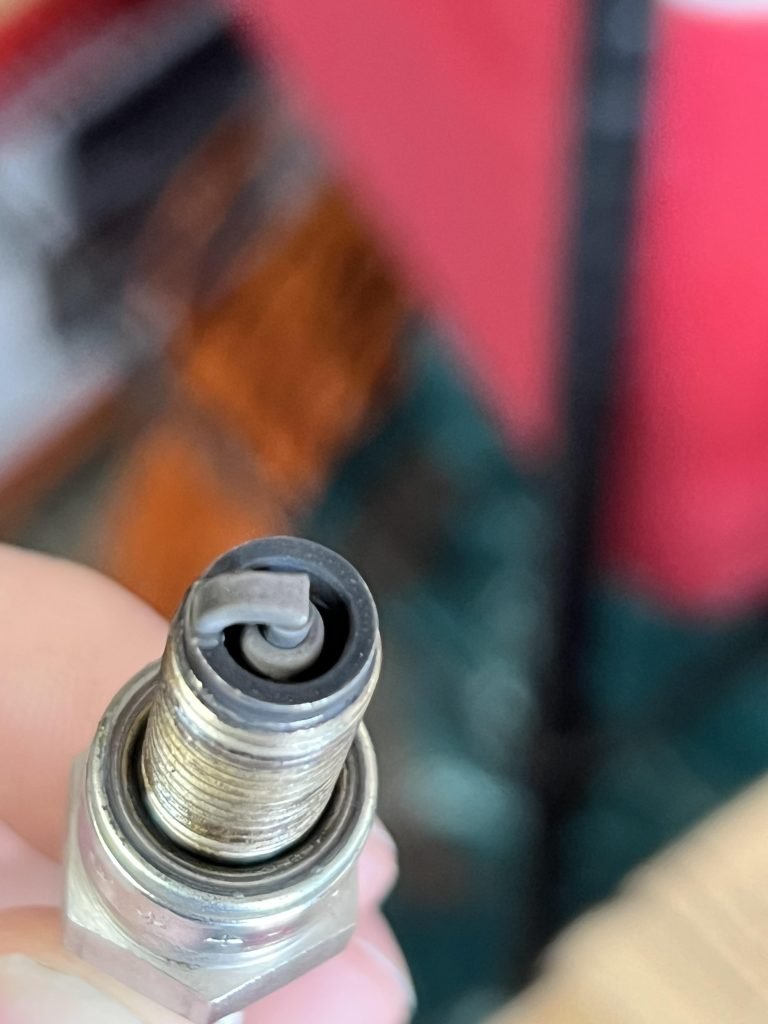
The electrode of a lean spark plug usually shows a light tan or white color. This pale color means the spark plug runs hotter than normal. A healthy spark plug often has a gray or light brown color. If the electrode looks very clean and white, the engine is likely running too lean. Dark or black coloration suggests a rich mixture, not lean.
Deposits And Residue Patterns
Lean spark plugs have very little carbon deposits on the electrode. The deposits appear thin and dry. The insulator tip might show small blister-like marks or heat spots. These marks indicate high combustion temperatures. Heavy soot or oily deposits are rare on lean plugs. Instead, small white or gray ash deposits might build up.
Electrode Wear And Damage
Excessive heat from a lean mixture can cause electrode wear. The electrode tip may look eroded or melted. Cracks or chips can appear due to overheating. The gap between electrodes may widen as the metal burns away. Severe damage lowers the spark plug’s efficiency and can lead to engine misfires.

Credit: www.reddit.com
Causes Of A Lean Spark Plug
A lean spark plug shows signs of too much air and not enough fuel in the engine. This imbalance can harm engine performance and cause damage. Several issues can cause a spark plug to run lean. Understanding these causes helps identify and fix the problem quickly.
Air-fuel Mixture Imbalance
The air-fuel mixture is crucial for engine health. Too much air or too little fuel makes the mixture lean. This can happen if the carburetor or fuel injection system is not adjusted properly. A dirty air filter can also let in excess air, upsetting the balance.
Fuel Delivery Issues
Fuel delivery problems reduce the amount of fuel reaching the engine. A clogged fuel filter limits fuel flow. Faulty fuel injectors spray less fuel than needed. Low fuel pressure from a weak pump also causes lean conditions. These issues cause the spark plug to burn hotter and leaner.
Ignition System Problems
The ignition system affects how the spark plug fires. Weak or inconsistent sparks can cause incomplete combustion. This leads to a lean burn on the spark plug. Faulty ignition coils, worn spark plug wires, or a bad distributor can create ignition problems. Proper spark strength is vital for a balanced burn.
Effects On Engine Performance
Understanding the effects of a lean spark plug on engine performance is crucial for anyone who wants their vehicle to run smoothly and efficiently. A lean spark plug doesn’t just look different—it impacts how your engine behaves in several noticeable ways. Let’s break down the key issues you might face and what they mean for your daily driving experience.
Misfires And Rough Idling
A lean spark plug often causes the engine to misfire or idle roughly. This happens because the spark plug isn’t firing correctly, leading to incomplete combustion. You might feel your car shaking or hear it sputtering, especially when it’s at a stop or low RPM.
Have you ever been stuck in traffic and noticed your car jerking or hesitating? That could be a sign your spark plugs need checking. Fixing this can restore smoothness and prevent further damage to the engine.
Engine Overheating
When the spark plug is too lean, it can cause the engine to run hotter than normal. The extra heat comes from incomplete fuel burning, which puts more stress on engine components. Over time, this can lead to serious problems like warped cylinders or damaged valves.
Think about how your car feels after a long drive—if it’s consistently overheating, don’t ignore it. Checking your spark plugs should be one of the first steps to diagnose the issue.
Reduced Fuel Efficiency
You might expect better fuel economy with a lean spark plug, but the opposite is often true. Incomplete combustion wastes fuel, forcing your engine to work harder to produce the same power. This inefficiency shows up as more frequent trips to the gas station.
Imagine saving money on gas by simply replacing or cleaning your spark plugs. Small maintenance like this can make a noticeable difference in your vehicle’s fuel consumption and your wallet.
Diagnosing Lean Spark Plug Issues
Diagnosing lean spark plug issues is key to keeping your engine running smoothly and efficiently. A lean spark plug indicates that the engine is running with too much air and not enough fuel, which can lead to poor performance or even damage. Understanding how to spot these issues early helps you avoid costly repairs and maintain optimal engine health.
Visual Inspection Tips
Start by removing the spark plug and examining its tip closely. A lean spark plug often has a white or very light gray color on the electrode and insulator.
Look for signs of overheating, such as blistering or melting on the ceramic part. This discoloration means the engine is running too hot, often because of a lean mixture.
Compare your spark plug to a healthy one to spot subtle differences. Have you noticed any unusual colors or damage on your plugs before?
Using Diagnostic Tools
A visual check is helpful, but tools can give you a clearer picture. A spark plug gap gauge can measure if the gap has widened due to wear, which affects performance.
Use an OBD-II scanner to check for engine codes related to lean conditions, like P0171 or P0174. These codes indicate your engine’s air-fuel mixture is off balance.
Fuel pressure testers and air flow meters can also help confirm if your engine is running lean. Have you ever used a scanner to catch hidden engine problems early?
When To Replace The Spark Plug
Replace your spark plug if you see persistent white deposits or physical damage like cracks. These signs mean the plug can no longer perform efficiently.
Even if the plug looks okay, follow your vehicle’s maintenance schedule. Over time, wear and carbon buildup reduce spark quality, affecting fuel combustion.
Remember, a worn spark plug can mask other engine problems. Have you considered how a simple spark plug change might restore your engine’s power?
Preventing Lean Spark Plug Conditions
Preventing lean spark plug conditions is crucial for engine health. A lean spark plug means the engine runs with too little fuel or too much air. This can cause overheating and damage. Regular care helps avoid these problems and keeps the engine running smoothly. Simple steps can make a big difference.
Regular Maintenance Practices
Check spark plugs often. Replace worn or damaged plugs quickly. Inspect air filters and replace when dirty. Clean or replace fuel filters to keep fuel flow steady. Use quality oil and change it on time. These habits keep the engine balanced and prevent lean conditions.
Fuel System Cleaning
Clean the fuel injectors and carburetor regularly. Dirt or buildup can block fuel flow. Use fuel additives to dissolve deposits. Flush the fuel system to remove grime. A clean fuel system ensures the right fuel mix reaches the engine.
Proper Tuning And Adjustments
Adjust the air-fuel mixture correctly. Follow manufacturer guidelines for tuning. Check and set the idle speed properly. Test the engine for smooth running and no hesitation. Proper tuning stops the engine from running too lean and protects spark plugs.

Credit: www.m109riders.com

Credit: www.reddit.com
Frequently Asked Questions
What Are The Visual Signs Of A Lean Spark Plug?
A lean spark plug appears white or very light gray on the insulator. It shows little to no carbon deposits. This indicates the engine is running with too much air and not enough fuel. Early detection helps prevent engine damage.
How Does A Lean Spark Plug Affect Engine Performance?
A lean spark plug causes engine overheating and misfires. It reduces power and acceleration. Fuel combustion is incomplete, leading to poor efficiency. Addressing lean conditions improves fuel economy and engine longevity.
Can A Lean Spark Plug Damage The Engine?
Yes, a lean spark plug can cause engine damage. Excessive heat from lean fuel mixtures may warp valves or damage pistons. Timely diagnosis and repair prevent costly engine repairs and maintain optimal performance.
What Causes A Spark Plug To Run Lean?
Common causes include vacuum leaks, clogged fuel injectors, or faulty sensors. Incorrect air-fuel mixture ratios lead to lean conditions. Regular maintenance and inspections help identify and fix these issues early.
Conclusion
Recognizing a lean spark plug is crucial for engine health. Look for signs like white deposits or eroded electrodes. These indicate a lean fuel mixture. Regular checks help maintain performance. Avoid costly repairs by addressing issues early. A well-maintained spark plug ensures smooth driving.
It also boosts fuel efficiency. Keep an eye on your spark plugs. Your engine will thank you for it. Understanding these signs empowers you. Take charge of your vehicle’s health today. Remember, a little knowledge goes a long way. Stay informed, drive smoothly, and enjoy your journeys.