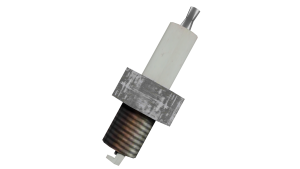
Have you ever wondered what makes your car’s engine roar to life every time you turn the key? The answer lies in a small but powerful part called the spark plug.
Without it, your car wouldn’t start, run smoothly, or deliver the power you rely on. Understanding what spark plugs do can help you keep your car in top shape and avoid unexpected breakdowns. Keep reading, and you’ll discover exactly how this tiny component plays a huge role in your car’s performance.
Credit: www.waynesgarageinc.net
Role In Engine Ignition
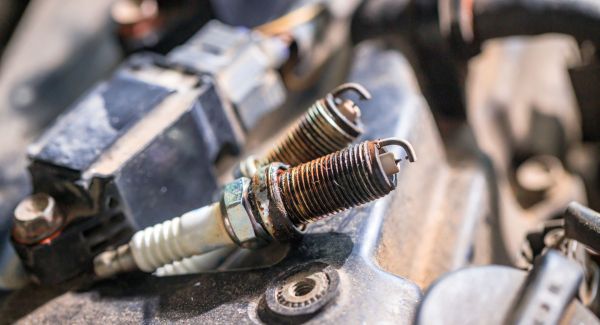
The spark plug plays a vital role in engine ignition. It creates the tiny spark needed to ignite the air-fuel mix inside the engine. This process starts the engine and keeps it running smoothly. Without a spark plug, the engine cannot produce power.
Creating The Spark
Spark plugs produce a high-voltage spark between their electrodes. This spark jumps across a small gap at the plug’s tip. It ignites the compressed air and fuel mixture in the combustion chamber. The spark’s strength and timing are crucial for efficient ignition.
Timing And Combustion
The spark plug fires at the exact moment the engine needs it. This timing ensures the fuel burns properly inside the cylinder. Proper combustion creates the power that moves the car. If the spark is too early or late, engine performance drops.

Credit: craigscarcare.com
Impact On Engine Performance
The spark plugs in your car play a crucial role in how well the engine performs. They ignite the air-fuel mixture, which directly influences how efficiently and powerfully your engine runs. Understanding their impact helps you appreciate why maintaining spark plugs matters beyond just routine car care.
Fuel Efficiency
Good spark plugs ensure a clean and complete burn of the fuel inside the engine. When spark plugs wear out, the ignition can become weak or inconsistent, causing incomplete combustion. This wastes fuel and lowers your car’s miles per gallon, meaning you spend more at the pump.
Think about how you feel when your car hesitates or stutters during acceleration—it’s often a sign the spark plugs aren’t firing properly. Have you noticed a drop in fuel economy lately? It might be time to check those plugs.
Power Output
Your engine’s power depends heavily on the spark plugs delivering a strong, timely spark. Worn or dirty plugs can cause misfires, making the engine run rough and lose power. This affects acceleration and overall driving experience.
Imagine trying to sprint but your legs keep tripping—you wouldn’t perform well. Similarly, your car can’t reach its full potential without healthy spark plugs. Regularly replacing them keeps your engine responsive and powerful.
Emissions Control
Spark plugs also influence how clean your engine runs. Proper combustion reduces harmful emissions like carbon monoxide and hydrocarbons. Faulty plugs lead to incomplete burning, increasing pollution and possibly causing your car to fail emissions tests.
Worried about environmental impact or passing inspection? Keeping spark plugs in top shape is a simple step you can take. It’s a small fix that helps your car run cleaner and greener.
Signs Of Spark Plug Issues
Signs of spark plug issues can affect your car’s performance. Spark plugs ignite the fuel-air mix inside the engine. When they fail, the engine runs poorly or stops running.
Recognizing these signs early can save you from costly repairs. Here are common symptoms that show spark plugs might need attention.
Engine Misfires
Engine misfires happen when spark plugs do not ignite fuel properly. The engine may shake or jerk while driving. You might hear popping sounds from the engine. Misfires reduce fuel efficiency and can cause damage over time.
Difficulty Starting
Faulty spark plugs make starting the car harder. The engine may crank longer before starting. Sometimes, it won’t start at all. This happens because the spark plugs cannot create a strong spark to ignite the fuel.
Poor Acceleration
Worn spark plugs can cause slow acceleration. The car feels sluggish when you press the gas pedal. You may notice a delay in power or weak engine response. This happens due to incomplete combustion inside the engine.
Types Of Spark Plugs
Spark plugs come in different types to match various engine needs. Each type offers unique features that affect engine performance and lifespan. Choosing the right spark plug helps your car run smoothly and efficiently.
Copper
Copper spark plugs have a solid copper core. They provide good heat transfer and strong spark. These plugs are affordable and work well in older cars. However, they wear out faster than other types and need frequent replacement.
Platinum
Platinum spark plugs last longer than copper ones. They have a platinum disc on the electrode tip. This makes the spark plug more durable and resistant to wear. Platinum plugs improve fuel efficiency and reduce emissions. They suit modern cars with electronic ignition systems.
Iridium
Iridium spark plugs offer the best durability and performance. Iridium is a very hard metal, so these plugs last the longest. They create a strong, stable spark for better combustion. Iridium plugs help improve engine power and fuel economy. They are ideal for high-performance and newer vehicles.
Maintenance And Replacement
Keeping your spark plugs in good shape is key to your car running smoothly. Regular maintenance and timely replacement prevent engine misfires and improve fuel efficiency. Understanding how to care for your spark plugs can save you time and money on repairs.
Recommended Intervals
Most manufacturers suggest replacing spark plugs every 30,000 to 100,000 miles, depending on the type. Copper plugs usually need more frequent changes, while platinum or iridium plugs last longer. Check your vehicle’s manual to find the best schedule for your car.
Have you ever noticed rough idling or trouble starting your engine? These signs might mean it’s time for a spark plug check, even if you haven’t hit the mileage mark yet.
Checking And Cleaning
Inspect your spark plugs regularly to spot wear, deposits, or damage. Remove the plug and look for signs like carbon buildup, oil deposits, or worn electrodes. Cleaning can sometimes extend their life but only if the damage is minor.
A wire brush or spark plug cleaner can help remove dirt, but avoid harsh scrubbing that can damage the plug. If the electrodes look eroded or the plug is cracked, replacement is the safer choice.
Choosing The Right Spark Plug
Your car’s performance depends on using the correct spark plug type and size. Using the wrong heat range or material can cause poor combustion or engine damage. Always match the spark plug specifications listed in your owner’s manual.
Consider consulting a mechanic if you’re unsure. They can recommend plugs that suit your driving style and engine condition, ensuring optimal performance and longevity.

Credit: www.chase.com
Frequently Asked Questions
What Do Spark Plugs Do In A Car Engine?
Spark plugs ignite the air-fuel mixture inside the engine’s cylinders. This ignition creates combustion, powering the engine. They are essential for starting the engine and maintaining smooth performance.
How Often Should Spark Plugs Be Replaced?
Spark plugs typically need replacement every 30,000 to 100,000 miles. The exact interval depends on your car model and spark plug type. Regular checks ensure optimal engine performance and fuel efficiency.
Can Bad Spark Plugs Affect Car Performance?
Yes, faulty spark plugs can cause misfires, poor fuel economy, and rough idling. They reduce engine power and increase emissions. Replacing them promptly improves car performance and reliability.
What Are The Signs Of Worn Spark Plugs?
Common signs include difficulty starting, engine misfires, poor acceleration, and increased fuel consumption. You may also notice rough idling and engine knocking. These symptoms indicate spark plug inspection is needed.
Conclusion
Spark plugs play a vital role in your car’s performance. They ignite the air-fuel mix in the engine. This ignition causes the engine to start and run smoothly. Without spark plugs, your car won’t move. Regular checks and maintenance ensure they work well.
A well-functioning spark plug means better fuel efficiency. It also means fewer emissions. So, keep your spark plugs in good shape. Your car will thank you with better performance. Simple, yet essential for every vehicle.