
Have you ever wondered what those tiny components under your car’s hood actually do? Spark plugs might be small, but they play a huge role in keeping your vehicle running smoothly.
Without them, your car simply wouldn’t start. These little devices ignite the fuel-air mixture in your engine, creating the explosions that power your car. Curious about how they work and why they’re essential? You’re in the right place. Understanding spark plugs can make you a more informed driver and might even save you money on repairs down the road.
So, let’s dive into the fascinating world of spark plugs and discover what they really do for your car. You’ll be amazed at how such a small part can have such a big impact!
Role Of Spark Plugs
Spark plugs play a vital role in a car’s engine. They help start the engine and keep it running smoothly. Without spark plugs, the engine cannot ignite the fuel mixture. This makes them essential for a car’s performance and fuel efficiency.
Ignition Of Air-fuel Mixture
Spark plugs create a spark that ignites the air-fuel mixture inside the engine cylinders. This spark must be strong and precise. It lights the mixture at the right moment to produce power.
The air-fuel mixture is compressed in the cylinder. Then, the spark plug fires to start combustion. This ignition causes the fuel to burn and generate energy.
Starting The Combustion Process
The spark plug starts the combustion process by producing an electric spark. This spark causes a small explosion in the cylinder. That explosion drives the piston down and powers the engine.
Each cylinder needs a spark plug to ignite the fuel. The timing of the spark is very important. Proper timing ensures efficient fuel burning and engine power.
Credit: www.themotorombudsman.org
Spark Plug Components
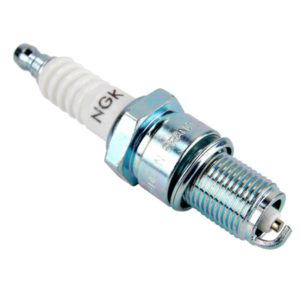
Spark plugs are more than just small parts in your car’s engine—they are carefully designed components that play a critical role in igniting the air-fuel mixture. Understanding what makes up a spark plug helps you appreciate how it works and why quality matters. Let’s break down the main components that keep your engine firing smoothly.
Electrodes And Insulators
The heart of the spark plug lies in its electrodes. These are metal parts where the electrical spark jumps across a small gap, igniting the fuel. The center electrode is connected to the ignition system, while the ground electrode is attached to the metal body of the plug.
Surrounding the electrodes is the insulator, usually made of ceramic. This insulator keeps the high voltage from leaking out and ensures the spark happens exactly where it should. If the insulator cracks or wears down, your spark plug won’t perform well, causing misfires or poor engine performance.
Materials Used
The choice of materials in spark plugs affects durability and efficiency. Electrodes are often made from copper, platinum, or iridium. Copper is great for good conductivity but wears out faster. Platinum and iridium last longer and provide more reliable sparks over time.
Ceramic insulators are selected for their ability to withstand high heat and electrical stress. The metal shell is usually made from steel and coated to resist corrosion. When you pick spark plugs, knowing these materials can help you choose the right balance between cost and longevity for your car.
Have you ever wondered why some spark plugs cost more but seem to last much longer? It all comes down to these materials and how they handle the extreme conditions inside your engine.
Impact On Engine Performance
The impact of spark plugs on your engine’s performance is more significant than you might think. These small components play a crucial role in how efficiently and smoothly your engine runs. Understanding their influence can help you maintain your car better and possibly save on fuel and repair costs.
Fuel Efficiency
Good spark plugs ensure that the air-fuel mixture ignites properly every time. When spark plugs are worn or dirty, they can cause incomplete combustion, wasting fuel. Have you noticed your car’s mileage dropping without a clear reason? Faulty spark plugs might be the hidden culprit behind lower fuel efficiency.
Replacing spark plugs at recommended intervals can improve your gas mileage noticeably. This means fewer trips to the pump and more money saved over time.
Power Output
Your engine’s power depends heavily on the timing and strength of the spark. If the spark plugs misfire or produce a weak spark, the engine struggles to deliver maximum power. This can feel like sluggish acceleration or difficulty climbing hills.
Upgrading to high-quality spark plugs can restore lost power and make your car feel more responsive. Have you ever felt your car lagging when you hit the gas? A quick spark plug check might fix that issue.
Smooth Engine Operation
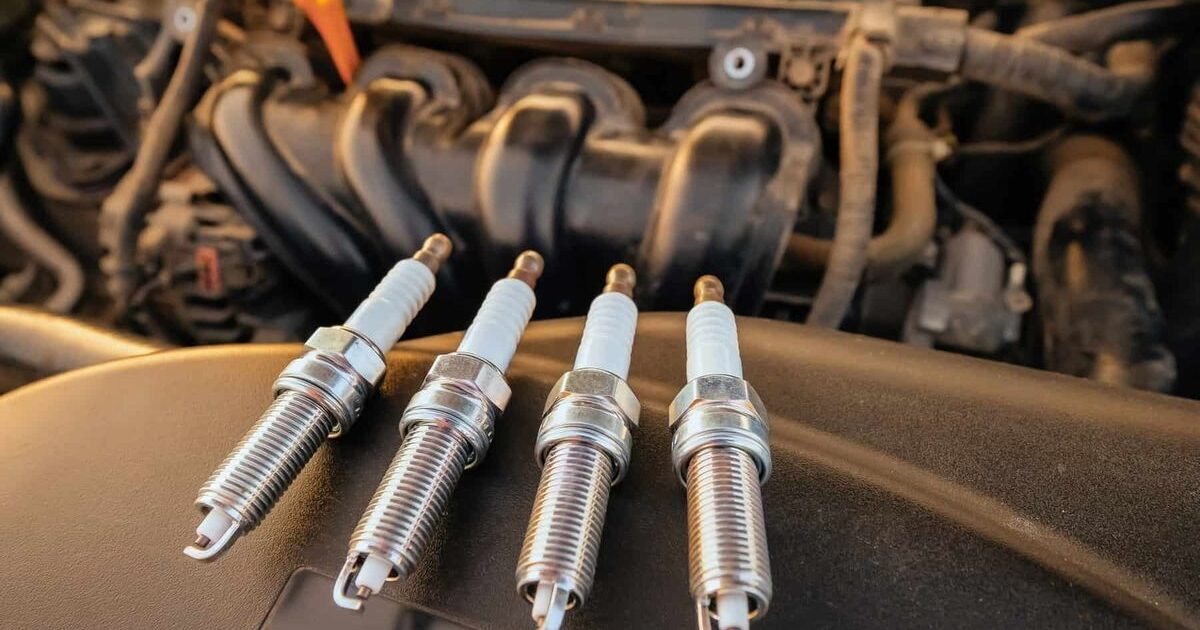
Spark plugs contribute to smooth engine running by igniting the fuel mixture at just the right moment. When plugs are faulty, your engine can misfire, causing rough idling, vibrations, or even stalling. This isn’t just annoying—it can also lead to more serious engine damage over time.
Maintaining healthy spark plugs keeps your engine running quietly and reliably. Think about how much smoother your daily commute could be without those unexpected jerks or stalls.
Credit: www.westsideauto.com.au
Signs Of Worn Spark Plugs
Worn spark plugs can cause serious issues in your car’s performance. They affect how well the engine runs and how smooth your rides feel. Spotting the signs early helps avoid costly repairs and keeps your car efficient.
Watch for these common symptoms that indicate your spark plugs need attention.
Engine Misfires
Engine misfires happen when spark plugs fail to ignite the fuel properly. Your car may jerk or hesitate while driving. This can make the engine sound rough or uneven. Misfires reduce power and cause poor engine performance.
Poor Acceleration
Worn spark plugs struggle to ignite fuel quickly. This leads to slow or weak acceleration. Your car might feel sluggish even when you press the gas pedal hard. It becomes harder to reach higher speeds smoothly.
Increased Fuel Consumption
Bad spark plugs burn fuel inefficiently. Your car uses more gas to maintain normal speed. This results in lower miles per gallon and higher fuel costs. Fuel waste happens because the engine works harder than needed.
Spark Plug Maintenance
Proper spark plug maintenance keeps your car running smoothly. It helps avoid engine misfires and poor fuel economy. Regular care extends the life of your spark plugs and improves overall performance.
Replacement Intervals
Replace spark plugs based on the manufacturer’s schedule. Most cars need new plugs every 30,000 to 100,000 miles. Check your owner’s manual for exact timing. Worn plugs can cause hard starts and rough idling.
Cleaning Techniques
Cleaning spark plugs can restore performance if they are dirty but not worn out. Use a soft wire brush to remove carbon buildup. Avoid harsh chemicals that damage the ceramic insulator. Inspect plugs for cracks or heavy wear before reinstalling.
Choosing The Right Spark Plug
Select spark plugs that match your car’s engine requirements. Consider heat range, thread size, and electrode material. Iridium and platinum plugs last longer and provide better ignition. Using the wrong type can reduce fuel efficiency and cause engine trouble.

Credit: beachautomotive.com
Modern Spark Plug Technologies
Modern spark plug technologies focus on improving efficiency and lifespan. These advancements help cars run cleaner and smoother. New materials and designs have changed how spark plugs perform under different conditions.
Iridium And Platinum Tips
Iridium and platinum tips are common in modern spark plugs. These metals resist wear and heat better than older materials. They allow the spark plug to ignite fuel more reliably. The smaller tip size helps create a stronger spark. This leads to better combustion and improved engine performance.
Enhanced Durability And Performance
Advanced spark plugs last longer and need less maintenance. Their design reduces carbon buildup and corrosion. This keeps the spark consistent over time. Enhanced durability means fewer replacements and less engine trouble. Cars with modern spark plugs often have better fuel economy and lower emissions.
Common Spark Plug Issues
Spark plugs play a crucial role in your car’s engine performance. Over time, they can face common issues that affect how well your engine runs. Knowing these problems helps with timely maintenance and avoids bigger troubles.
Fouling
Fouling happens when dirt, oil, or fuel covers the spark plug tip. This build-up stops the spark from jumping properly. Engines may misfire or run rough because of fouled plugs. It often means the engine is burning too much oil or fuel.
Overheating
Overheating occurs if the spark plug gets too hot. This can cause damage to the plug and the engine. Signs include engine knocking and poor fuel economy. Overheating often results from a wrong heat range or poor cooling.
Incorrect Gap Size
The gap is the space between the spark plug electrodes. If this gap is too wide or too narrow, sparks may weaken or fail. Incorrect gaps lead to hard starts and low power. Checking and adjusting the gap ensures proper engine firing.
Frequently Asked Questions
What Role Do Spark Plugs Play In Car Engines?
Spark plugs ignite the air-fuel mixture inside the engine cylinders. This ignition creates combustion, powering the car. Without spark plugs, the engine won’t start or run efficiently.
How Often Should Spark Plugs Be Replaced?
Typically, spark plugs should be replaced every 30,000 to 100,000 miles. Replacement depends on the spark plug type and driving conditions. Regular checks ensure optimal engine performance and fuel efficiency.
Can Bad Spark Plugs Affect Car Performance?
Yes, worn spark plugs cause misfires, poor acceleration, and rough idling. They reduce fuel efficiency and increase emissions. Replacing faulty spark plugs restores smooth engine operation.
How Do Spark Plugs Impact Fuel Efficiency?
Efficient spark plugs ensure complete fuel combustion, maximizing energy output. Worn plugs cause incomplete burning, wasting fuel and lowering mileage. Maintaining spark plugs helps save fuel and reduce costs.
Conclusion
Spark plugs help cars start and run smoothly. They create sparks that ignite the fuel. This process powers the engine. Good spark plugs improve fuel efficiency and reduce emissions. Worn spark plugs can cause misfires and rough idling. Regular checks keep your car in good shape.
Understanding spark plugs helps you care for your vehicle. Keep them clean and replace them on time. Your car will perform better and last longer. Simple steps make a big difference in car health.





