
Ever wondered what keeps your car running smoothly? It’s easy to focus on the engine, the fuel, or even the tires.
But there’s a small, often overlooked part that’s crucial to your car’s performance: the spark plug. You might have heard about them, but what exactly do spark plugs do for your car? How do they impact your driving experience? You may be surprised to learn just how vital these tiny components are to your vehicle’s efficiency and overall health.
By understanding their role, you can ensure your car remains in top condition, saving you time, money, and hassle. Curious to learn more? Let’s dive deeper into the world of spark plugs and uncover their secrets.
Function Of Spark Plugs
Spark plugs play a crucial role in your car’s engine, acting as the tiny but powerful trigger for the entire combustion process. Without them, your engine wouldn’t start, and your car wouldn’t move. Understanding what spark plugs do can help you appreciate how they keep your vehicle running smoothly and efficiently.
Ignition Of Air-fuel Mixture
At the heart of the spark plug’s job is igniting the air-fuel mixture inside the engine’s cylinder. This mixture needs a precise spark at exactly the right time to combust and create the energy that powers your car. If the spark plug fails to ignite this mixture, your engine may misfire or stall.
Creating The Spark
The spark plug generates a high-voltage electrical spark that jumps across a small gap between its electrodes. This spark is intense enough to ignite the compressed air and fuel mixture. Have you noticed how a worn or dirty spark plug often causes rough starts? That’s because it can’t create a strong enough spark.
Role In Combustion Process
The spark plug’s ignition starts a controlled explosion within the cylinder, pushing the piston down to generate power. This process happens thousands of times per minute while your engine runs. Without a properly functioning spark plug, combustion becomes inefficient, leading to reduced performance and higher fuel consumption.

Credit: beachautomotive.com
Components Of A Spark Plug
Spark plugs are small but vital parts of a car’s engine. They help start the engine by creating a spark. This spark lights the fuel and air mix in the engine cylinder. Each spark plug has key parts that work together to do this job well.
Electrodes
Electrodes are the core parts of a spark plug. They create the spark needed to ignite the fuel. There are two main electrodes: the center electrode and the ground electrode. The spark jumps between these two to start combustion. Electrodes must handle high heat and electricity without wearing out quickly.
Insulator
The insulator surrounds the center electrode. It is made from ceramic material. This part keeps the electrical current inside the spark plug. The insulator stops the spark from escaping to other engine parts. It also helps the spark plug resist heat and pressure from the engine.
Shell And Thread
The shell is the metal body of the spark plug. It protects the internal parts and holds the plug firmly in the engine. The thread allows the spark plug to screw securely into the engine cylinder head. The shell also helps to conduct heat away from the spark plug to keep it cool.
Impact On Engine Performance
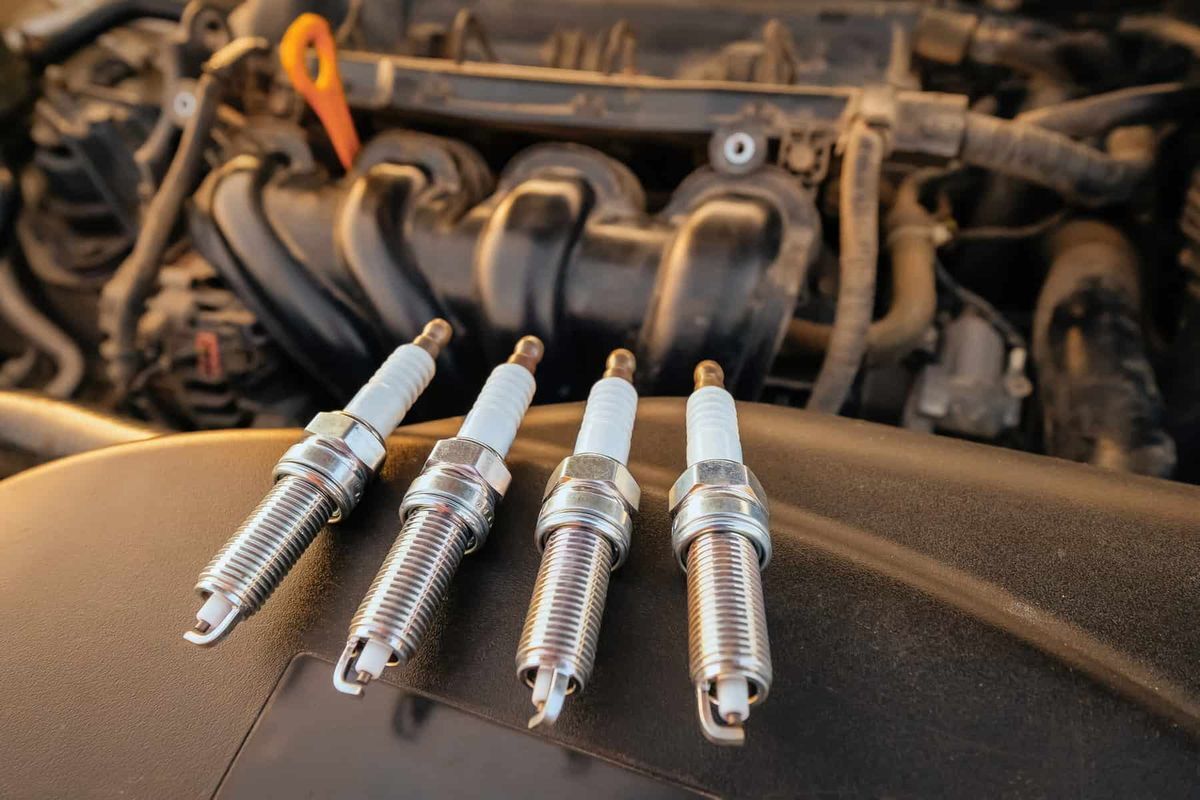
Spark plugs play a vital role in how an engine performs. They create the spark needed to ignite the fuel-air mixture inside the engine cylinders. This ignition starts the power cycle that drives the car. The condition of spark plugs affects many aspects of engine performance.
Clean and well-functioning spark plugs ensure efficient combustion. This improves how the engine uses fuel and how smoothly it runs. Faulty or worn spark plugs can cause misfires, rough idling, and reduced power. Understanding their impact helps maintain a car’s performance and fuel economy.
Fuel Efficiency
Good spark plugs help burn fuel completely. This means the engine uses less fuel for the same distance. Efficient combustion reduces wasted fuel and lowers emissions. Worn plugs cause incomplete combustion, increasing fuel consumption and pollution.
Power Output
Strong sparks from spark plugs create better engine power. Proper ignition leads to a full and quick burn of the fuel-air mix. Weak or dirty plugs cause weak ignition, reducing engine power. This makes acceleration slower and engine response poor.
Smooth Engine Operation
Spark plugs affect how smoothly the engine runs. Good plugs prevent engine misfires and vibrations. They help maintain steady engine speed and reduce noise. Faulty plugs cause rough idling and shaking, making driving uncomfortable.
Credit: www.westsideauto.com.au
Signs Of Worn Or Faulty Spark Plugs
Worn or faulty spark plugs can cause several problems for a car’s engine. Recognizing these signs early helps prevent bigger issues. Poor spark plug performance affects engine efficiency and overall driving experience.
Engine Misfires
Engine misfires happen when spark plugs fail to ignite the fuel-air mix. This causes uneven engine running and shaking. Misfires reduce power and cause rough starts. A misfiring engine also increases emissions and can damage other components.
Poor Acceleration
Faulty spark plugs make it hard for the engine to accelerate smoothly. The car may lag or hesitate when pressing the gas pedal. This delay reduces driving comfort and can be dangerous in traffic. Good spark plugs ensure quick and steady acceleration.
Increased Fuel Consumption
Bad spark plugs cause incomplete fuel burning. The engine then uses more fuel to maintain power. This leads to higher fuel costs and more pollution. Replacing worn plugs helps improve fuel efficiency and saves money over time.
Maintenance And Replacement
Regular maintenance and timely replacement of spark plugs keep your car running smoothly. Spark plugs wear out with use and affect engine performance. Checking them ensures better fuel efficiency and fewer engine problems. Proper care helps avoid costly repairs later.
When To Replace Spark Plugs
Most spark plugs last between 30,000 to 100,000 miles. Signs to replace include:
- Engine misfires or rough idling
- Difficulty starting the car
- Poor fuel economy
- Reduced acceleration
- Visible wear or deposits on the plug
Check your car’s manual for specific replacement intervals. Inspect spark plugs during regular service.
Types Of Spark Plugs
Choosing the right spark plug matters. Common types include:
- Copper:Good conductor, less expensive, shorter life.
- Platinum:Longer lasting, resists wear better than copper.
- Iridium:Most durable, improves ignition and fuel efficiency.
Select plugs that match your vehicle’s engine and driving habits.
Installation Tips
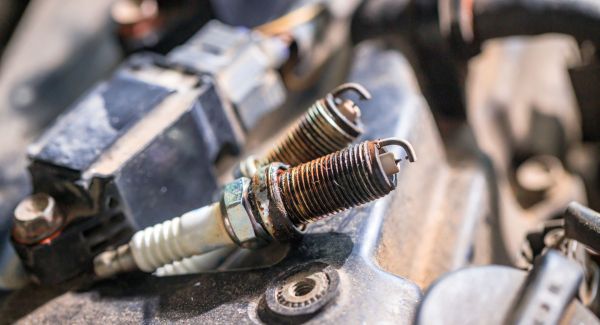
Install spark plugs carefully to avoid damage. Follow these tips:
- Use the right spark plug gap, as per manufacturer specs.
- Apply a small amount of anti-seize lubricant on threads.
- Tighten plugs to the correct torque using a torque wrench.
- Replace one plug at a time to keep track of wires.
- Check for clean threads and no debris in the cylinder head.
Proper installation ensures good engine performance and longer plug life.
Credit: www.waynesgarageinc.net
Frequently Asked Questions
What Role Do Spark Plugs Play In Engine Performance?
Spark plugs ignite the air-fuel mixture in the engine cylinders. This ignition powers the engine and ensures smooth performance. Properly functioning spark plugs improve fuel efficiency and reduce emissions.
How Often Should Spark Plugs Be Replaced?
Typically, spark plugs should be replaced every 30,000 to 100,000 miles. Replacement intervals depend on the type of spark plugs and driving conditions. Regular checks prevent engine misfires and maintain optimal performance.
Can Bad Spark Plugs Cause Car Problems?
Yes, faulty spark plugs can cause misfires, poor fuel economy, and rough idling. They may also lead to difficulty starting the engine. Timely replacement resolves these issues and improves vehicle reliability.
How Do Spark Plugs Affect Fuel Efficiency?
Spark plugs ensure efficient combustion of fuel. Worn plugs cause incomplete combustion, reducing mileage. New spark plugs optimize fuel use, saving money and lowering emissions.
Conclusion
Spark plugs help your car start and run smoothly. They create sparks to ignite fuel in the engine. This process powers your car’s movement. Without good spark plugs, the engine can misfire or stall. Regular checks and replacements keep your car efficient.
Clean, working spark plugs save fuel and reduce emissions. They also make your car’s performance steady and reliable. Taking care of spark plugs means fewer car troubles. It helps your vehicle last longer and run better. Simple maintenance goes a long way for your car’s health.





