Have you ever been driving and noticed a strange noise coming from your engine? If so, you might be dealing with bad spark plugs.
But what do bad spark plugs sound like? Understanding these sounds can save you from costly repairs and keep your vehicle running smoothly. Imagine the peace of mind knowing you can identify these noises before they turn into major issues.
By the end of this article, you’ll be equipped with the knowledge to recognize these sounds and take action. So, stay with us as we dive into the telltale signs that could save your engine and your wallet.

Credit: www.acg.aaa.com
Common Sounds Of Bad Spark Plugs
Bad spark plugs often cause unusual sounds in your vehicle’s engine. These noises signal that something is wrong with the ignition system. Recognizing these sounds early helps prevent engine damage and costly repairs. Here are the common sounds linked to failing spark plugs.
Engine Misfire Noise
A misfire creates a choppy, uneven engine sound. The engine may run rough or hesitate during acceleration. This happens when the spark plug fails to ignite the fuel properly. You might hear a sputtering or coughing noise from the engine bay.
Popping Or Backfiring
Popping sounds in the exhaust or intake indicate incomplete combustion. Backfiring occurs when unburned fuel ignites outside the combustion chamber. This can cause loud pops or bangs, often during acceleration or deceleration. Bad spark plugs can trigger this irregular burning process.
Rattling Or Tapping Sounds
Rattling or tapping noises may come from the engine’s cylinder head area. These sounds suggest the spark plugs are not firing correctly. The ignition delay causes fuel to burn unevenly, creating a tapping rhythm. This noise often increases with engine speed.
Causes Behind Spark Plug Noise
Spark plug noise often signals engine trouble. Understanding the causes helps prevent bigger problems. Noise comes from issues inside the spark plug or its function. These problems affect ignition, causing unusual sounds and poor engine performance.
Worn Electrodes
Electrodes wear down over time due to constant sparking. Worn electrodes create weak sparks or misfires. This leads to irregular engine noise and rough running. The metal gap widens, causing delayed ignition. Engines may sound uneven or sputter during acceleration.
Carbon Buildup
Carbon deposits form on spark plugs from fuel residue and oil leaks. Buildup blocks the spark and interrupts combustion. This causes popping or clicking sounds in the engine. Carbon deposits make the engine work harder. It reduces fuel efficiency and causes rough idling.
Incorrect Gap Size
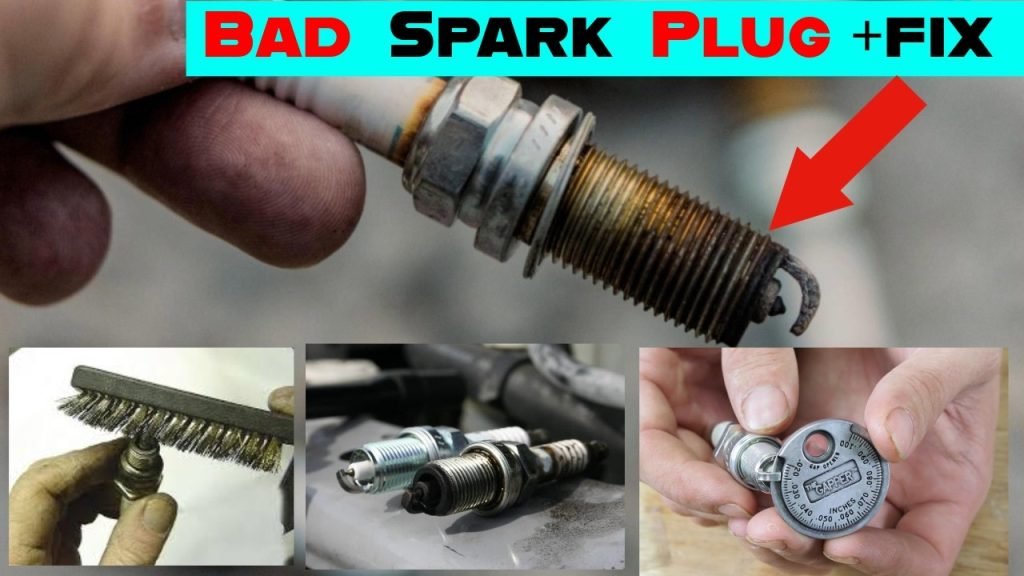
The spark plug gap must match engine specifications. Too wide or too narrow gaps cause weak sparks. This results in misfires and strange noises like knocking or pinging. Incorrect gaps reduce engine power and increase fuel consumption. Proper gap size ensures smooth, quiet engine operation.
Impact Of Faulty Spark Plugs On Engine Performance
Faulty spark plugs can cause serious problems for your engine. These small components play a big role in starting the engine and keeping it running smoothly. When spark plugs fail, the engine struggles to ignite the fuel properly. This leads to reduced performance and can cause long-term damage if ignored.
The impact of bad spark plugs shows up in different ways. You might notice your car uses more fuel or feels sluggish when you press the gas pedal. Sometimes, the engine may have trouble starting or even stall unexpectedly. Understanding these signs helps you catch problems early and avoid costly repairs.
Reduced Fuel Efficiency
Bad spark plugs cause incomplete fuel burning. This wastes fuel and lowers miles per gallon. The engine works harder to produce power, burning more fuel than usual. You may see your fuel costs rise without driving more.
Poor Acceleration
Faulty spark plugs create weak or irregular sparks. This reduces engine power and causes hesitation. Acceleration feels slow or uneven. The car may jerk or stumble when you press the accelerator.
Difficulty Starting Engine
Worn spark plugs struggle to ignite the fuel-air mix. This makes starting the engine tough, especially in cold weather. The engine may crank longer or fail to start at all.

Credit: www.starbikeforums.com
How To Diagnose Spark Plug Issues By Sound
Learning how to diagnose spark plug issues by sound can save you time and money on unnecessary repairs. Your engine’s noise can reveal a lot about the condition of its spark plugs. By tuning your ears to specific sounds, you can catch problems early and avoid bigger engine troubles.
Using A Stethoscope Or Listening Tool
A mechanic’s stethoscope or a simple listening tool can help you pinpoint the exact location of unusual engine noises. Place the tool near each spark plug while the engine is running. This isolates sounds coming directly from each cylinder, making it easier to detect misfires or irregular combustion.
Without these tools, you might miss subtle differences. Have you ever noticed a faint ticking or popping sound but couldn’t tell where it came from? Using a listening device makes this much clearer and more accurate.
Comparing Normal And Faulty Sounds
Normal spark plugs produce a steady, rhythmic clicking sound as they ignite the fuel-air mixture. If you hear uneven or louder clicks, it could mean the spark plug is misfiring or fouled. A sputtering or popping noise often signals that the spark plug isn’t firing properly, causing incomplete combustion.
Try to compare the sound of each cylinder. If one sounds different, it’s likely the spark plug in that cylinder needs attention. This auditory test can be your first clue before digging deeper.
When To Seek Professional Help
If you detect persistent irregular noises or if the engine performance drops noticeably, it’s time to get a professional inspection. Diagnosing by sound is helpful but not always conclusive. A technician can perform tests like spark plug removal and checking the gap or condition to confirm the issue.
Don’t ignore sounds that worsen or come with other symptoms like rough idling or poor acceleration. Have you ever tried to fix spark plugs yourself only to realize the problem was more complex? Professionals can save you from costly mistakes and ensure your engine runs smoothly.
Preventing Spark Plug Problems
Preventing spark plug problems keeps your engine running smooth. It avoids noises and poor performance. Simple care helps extend spark plug life and saves money on repairs.
Regular Maintenance Tips
- Check spark plugs every 30,000 miles or as recommended.
- Clean any dirt or deposits on the plugs during inspection.
- Inspect spark plug wires and replace if cracked or worn.
- Use a spark plug gap tool to ensure the correct gap.
- Keep the engine clean to prevent dirt buildup around plugs.
Choosing The Right Spark Plugs
Select spark plugs that fit your car’s make and model. Use plugs with the right heat range and material for your engine. Copper plugs suit older cars, while iridium or platinum plugs last longer in modern vehicles. Avoid cheap plugs that may cause quick wear or poor performance.
Signs Indicating Replacement Time
- Engine misfires or runs rough.
- Hard starts or trouble starting the engine.
- Decreased fuel efficiency noticed over time.
- Unusual knocking or pinging sounds from the engine.
- Check engine light turns on without other obvious causes.
Credit: www.myjeepcompass.com
Frequently Asked Questions
What Noise Indicates Bad Spark Plugs In A Car?
Bad spark plugs often cause a tapping or clicking sound. You might hear popping or sputtering during acceleration. These noises signal misfires or incomplete combustion, affecting engine performance.
Can Bad Spark Plugs Cause Engine Knocking Sounds?
Yes, worn spark plugs can cause engine knocking. Misfires lead to uneven combustion, resulting in knocking or pinging noises. This can damage your engine if ignored.
How To Distinguish Bad Spark Plug Sounds From Other Engine Noises?
Bad spark plug sounds are often rhythmic and linked to engine RPM. They include tapping, popping, or sputtering. Other noises like belt squeals or exhaust issues sound different and are unrelated to spark plugs.
Do Bad Spark Plugs Affect Car Acceleration Sounds?
Yes, faulty spark plugs cause rough acceleration sounds. You might hear sputtering or hesitation during gas pedal presses. This results from inconsistent firing in the combustion chamber.
Conclusion
Bad spark plugs cause strange engine noises and rough running. You might hear popping, sputtering, or misfiring sounds. These noises signal your car needs attention soon. Changing spark plugs improves engine performance and saves fuel. Don’t ignore odd sounds from your vehicle’s engine.
Regular checks keep your car running smoothly and safely. Stay alert to these warning signs for better driving.





