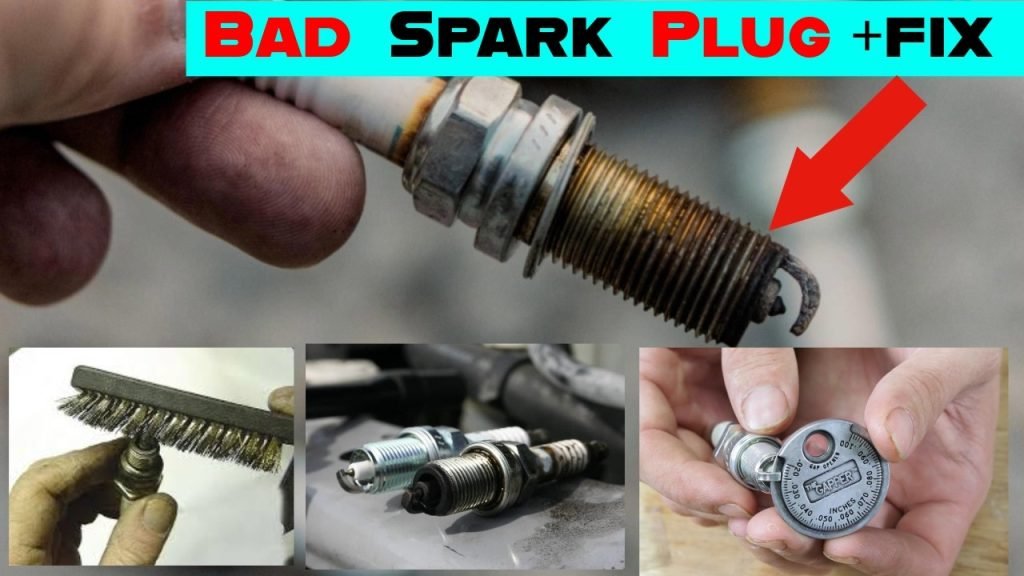
You’ve just started your car, and something feels off. It’s not running as smoothly as it should.
The engine sputters, and you sense a lack of power. These could be signs that your spark plugs are in trouble. But how can you be sure? What do a bad spark plug look like, and why should you care?
Understanding the telltale signs of a failing spark plug can save you time, money, and frustration. By the end of this article, you’ll know exactly what to look for, ensuring your car runs smoothly and efficiently. Let’s dive in and discover the secrets your spark plugs might be hiding from you.
Credit: finntrail.com
Signs Of A Bad Spark Plug
Recognizing the signs of a bad spark plug can save you from unexpected car troubles and costly repairs. Spark plugs play a crucial role in your engine’s performance, so spotting the issues early helps keep your vehicle running smoothly. Let’s look closely at the common visual indicators that suggest your spark plugs need attention.
Visual Damage And Wear
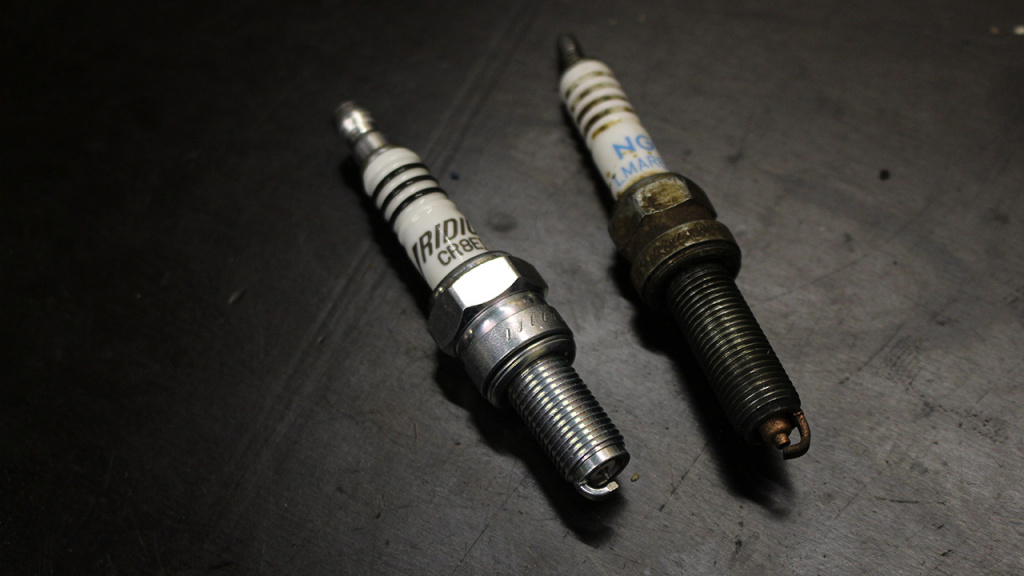
Check the spark plug for any obvious cracks or chips on the ceramic insulator. These damages can cause misfires and poor engine performance. Also, worn electrodes with rounded edges indicate the plug has been used for too long and may not spark efficiently.
Carbon Deposits And Fouling
Black, dry soot on the spark plug tip is a sign of carbon fouling, often caused by a rich fuel mixture or weak ignition. This layer prevents proper sparking and can lead to rough idling or difficulty starting your engine. Cleaning might help, but if the fouling returns quickly, replacement is necessary.
Oil Contamination
If you spot oily deposits on your spark plug, it means oil is leaking into the combustion chamber. This usually points to worn piston rings or valve guides. Oil contamination disrupts the spark and leads to misfires, so don’t ignore this sign if your engine feels sluggish or smoky.
Burned Or Overheated Tips
White, blistered, or melted electrodes indicate your spark plug has overheated. This can happen from incorrect heat range plugs or engine problems like lean fuel mixture. Overheating severely reduces plug life and engine efficiency, so it’s critical to replace damaged plugs and address the root cause.

Credit: www.reddit.com
Symptoms During Vehicle Operation
Noticing symptoms while driving can be your first hint that a spark plug is failing. These signs don’t just affect performance; they can also lead to bigger engine problems if ignored. Paying attention to how your vehicle behaves can save you time and money on repairs.
Engine Misfires
If your engine feels like it’s skipping a beat, that’s a classic symptom of a bad spark plug. You might experience sudden jerks or hesitation during acceleration. This happens because the spark plug isn’t igniting the fuel-air mixture properly, causing incomplete combustion.
Have you ever felt your car stumble right when you hit the gas? That’s a clear warning sign. Ignoring this can lead to damage in the catalytic converter, increasing repair costs.
Poor Fuel Economy
When spark plugs aren’t firing correctly, your engine has to work harder to keep your vehicle running. This extra effort means your car uses more fuel than it should. You’ll notice more frequent trips to the gas station and a shrinking wallet.
Think about the last time you filled up and felt it was more than usual. It might not be the rising gas prices; faulty spark plugs can be the culprit. Monitoring your mileage can help spot this issue early.
Difficulty Starting
Bad spark plugs often make it tough to start your car, especially on cold mornings. You might have to crank the engine longer or try multiple times before it catches. This frustration is due to weak or inconsistent sparks failing to ignite the fuel properly.
If you find yourself pressing the ignition button repeatedly, it’s time to check those plugs. Early replacement can prevent you from getting stranded unexpectedly.
Rough Idling And Stalling
A rough or uneven idle is a telltale sign of spark plug trouble. Your engine might shake or vibrate more than usual when stopped at a light. In worse cases, the engine could stall completely, leaving you stuck in traffic.
Have you ever felt your car shudder at a stop? This isn’t just annoying—it signals your spark plugs may be struggling. Addressing this quickly can keep your engine running smoothly and safely.
Causes Of Spark Plug Damage
Spark plugs face many challenges inside an engine. Damage can happen for several reasons. Understanding these causes helps keep your engine running smooth.
Some causes come from wrong choices. Others come from engine problems or poor maintenance. Each cause leaves different marks on the spark plug.
Incorrect Heat Range
Using the wrong heat range spark plug causes damage. A plug too hot can burn the electrode. A plug too cold may foul easily.
Heat range affects how the spark plug clears deposits. Incorrect heat leads to overheating or carbon buildup. Both shorten spark plug life and hurt engine power.
Improper Installation
Installing spark plugs wrong causes many issues. Over-tightening can crack the ceramic insulator. Loose plugs cause poor ignition and misfires.
Wrong gap size also harms performance. A gap too wide or narrow stops proper sparks. This wastes fuel and lowers engine efficiency.
Engine Oil Leaks
Oil leaks inside the engine reach spark plugs. Oil fouls the plugs and stops sparks from firing. This leads to rough idling and hard starts.
Oil on the plug indicates worn valve guides or seals. Fixing leaks quickly protects spark plugs and engine health.
Fuel Quality Issues
Bad fuel damages spark plugs over time. Low-quality fuel leaves deposits on electrodes. These deposits cause misfiring and rough engine running.
Fuel with too much ethanol or contaminants worsens plug wear. Using clean, proper fuel helps spark plugs last longer.

Credit: www.toyotanation.com
How To Inspect Spark Plugs
Inspecting spark plugs helps find engine problems early. It shows if plugs are dirty, worn, or damaged. Regular checks improve car performance and save money on repairs. Follow simple steps to check spark plugs safely and correctly.
Removing The Spark Plug Safely
Turn off the engine and wait for it to cool. Use a spark plug socket and ratchet for removal. Clean around the plug to avoid dirt falling inside the engine. Pull the plug out gently, without twisting too hard.
Checking Electrode Condition
Look at the metal tip of the spark plug. It should be clean and shiny. A black, oily, or sooty tip means bad combustion. Cracks or chips show the plug needs replacing. White deposits may indicate engine overheating.
Assessing Gap And Wear
Measure the space between the electrodes with a gap tool. The gap must match the vehicle’s specifications. Too wide or too narrow gaps cause misfires and poor fuel use. Check for worn or rounded electrodes and replace if needed.
Using Diagnostic Tools
Use a multimeter to test spark plug resistance. A high reading means the plug is faulty. Scan tools can detect misfire codes related to spark plugs. These tools help confirm if the plug causes engine problems.
Preventive Measures And Maintenance
Taking care of your spark plugs is more than just fixing problems after they appear. Preventive measures and regular maintenance keep your engine running smoothly and avoid unexpected breakdowns. Knowing what to do before issues arise saves you time and money, and keeps your vehicle in top shape.
Regular Replacement Intervals
Spark plugs wear out over time and lose their ability to ignite the fuel efficiently. Check your vehicle’s manual to see the recommended replacement intervals, usually between 30,000 to 100,000 miles depending on the type of spark plug. Ignoring these intervals can lead to poor engine performance and increased fuel consumption.
Have you ever driven a car that suddenly felt sluggish? It might be time to check those spark plugs before it gets worse.
Using Quality Spark Plugs
Not all spark plugs are created equal. Investing in high-quality spark plugs ensures better durability and consistent performance. Cheaper plugs may save money upfront but often wear out faster, causing misfires or rough idling.
Think about your last spark plug purchase. Did you choose based on price or trusted brand? Quality can make a noticeable difference in how your engine runs.
Proper Engine Tune-ups
Regular tune-ups do more than just replace spark plugs; they involve checking and adjusting ignition timing, fuel delivery, and air filters. These steps help spark plugs work at their best. A well-tuned engine reduces stress on the spark plugs and improves overall efficiency.
Have you scheduled a tune-up recently? Small adjustments now can prevent larger, costlier repairs later.
Monitoring Engine Performance
Pay attention to signs like rough idling, poor acceleration, or increased fuel consumption. These symptoms often hint at spark plug issues before complete failure. Using diagnostic tools or visiting a mechanic for regular checks can catch problems early.
How closely do you monitor your engine’s behavior? Early detection through careful observation can save you from a breakdown on the road.
Frequently Asked Questions
What Are The Visible Signs Of A Bad Spark Plug?
A bad spark plug shows black soot, corrosion, or oily deposits. It may have cracks or worn electrodes. These signs indicate poor combustion or engine issues.
How Does A Faulty Spark Plug Affect Engine Performance?
A faulty spark plug causes rough idling, misfires, and reduced acceleration. It lowers fuel efficiency and may increase emissions. Timely replacement improves engine smoothness and power.
Can A Spark Plug Cause Starting Problems?
Yes, a bad spark plug can prevent the engine from starting. It fails to ignite the fuel-air mixture properly. Replacing it often resolves ignition issues quickly.
How Often Should Spark Plugs Be Inspected Or Replaced?
Inspect spark plugs every 30,000 miles or during regular maintenance. Replace them as recommended by your vehicle’s manufacturer. Timely checks prevent engine damage and maintain efficiency.
Conclusion
Bad spark plugs show clear signs like black soot or worn tips. These signs affect engine performance and fuel efficiency. Checking spark plugs regularly helps prevent engine problems. Replace damaged spark plugs to keep your vehicle running smoothly. Simple maintenance saves time and money in the long run.
Stay alert for these signs to avoid bigger issues. Taking care of spark plugs means better engine health and reliability. A small check can make a big difference on the road.





