Are you unsure which charger is the right fit for your mower battery? Choosing the wrong charger can damage your battery or leave you stuck with a dead mower when you need it most.
You want a charger that’s safe, efficient, and gets your mower ready to go quickly. You’ll discover exactly what type of charger works with your mower battery, how to pick the best one, and tips to keep your battery healthy for longer.
Keep reading to make sure your mower is always powered up and ready to tackle the job.
Mower Battery Types
Mower batteries come in different typesbased on their chemistry and size. The most common battery chemistries include:
- Lead-acid: Heavy but affordable. Often used in older mowers.
- Lithium-ion: Lightweight and lasts longer. Common in newer models.
- Nickel-cadmium (NiCd): Durable but less common now.
Each battery has a specific voltagerating, usually 12V or 24V. Capacity is measured in ampere-hours (Ah). This tells how long the battery can power the mower.
| Battery Type | Voltage | Capacity (Ah) | Weight |
|---|---|---|---|
| Lead-acid | 12V or 24V | 10 – 20 Ah | Heavy |
| Lithium-ion | 12V or 24V | 15 – 30 Ah | Light |
| Nickel-cadmium (NiCd) | 12V | 10 – 15 Ah | Medium |

Credit: www.amazon.com
Charger Compatibility Factors
The voltageof the charger must match the mower battery voltage. Using a charger with a higher or lower voltage can damagethe battery or reduce its life. The currentrating also matters; a charger with a proper current ensures safe and efficient charging without overheating.
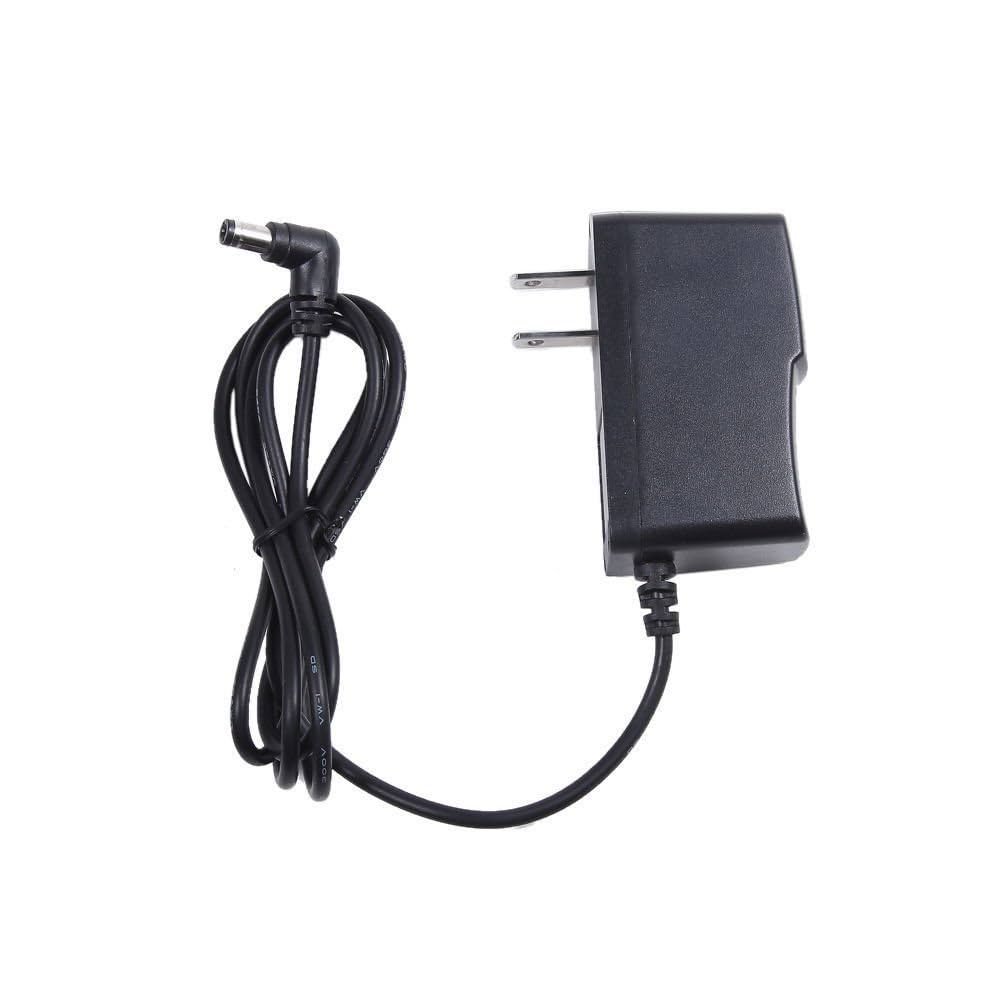
Different mower batteries use different connector types. Common connectors include barrel plugs, Anderson plugs, or proprietary connectors. Choosing the right connector ensures a proper fit and good electrical contact, avoiding sparks or poor charging.
Safety features in chargers protect both the battery and user. Look for chargers with overcharge protection, short circuit prevention, and temperature control. These features prevent accidents and prolong battery life by avoiding excess heat or electrical faults.
Fast Charging Technologies
Pulse charging uses short bursts of electricity to charge the battery. This helps the battery stay cool and last longer. It is a safe and efficient way to charge mower batteries. This method can also help reduce charging time. It’s perfect for those in a hurry.
Smart chargers automatically adjust the power based on the battery’s needs. They can prevent overcharging, which keeps the battery healthy. Smart chargers are easy to use and very convenient. They also stop charging when the battery is full.
Some chargers have temperature regulation features. This helps keep the battery from getting too hot. Heat can damage the battery, so this feature is important. It ensures a safe and long-lasting charge. It also makes charging more reliable.

Credit: www.amazon.ca
Top Charger Picks
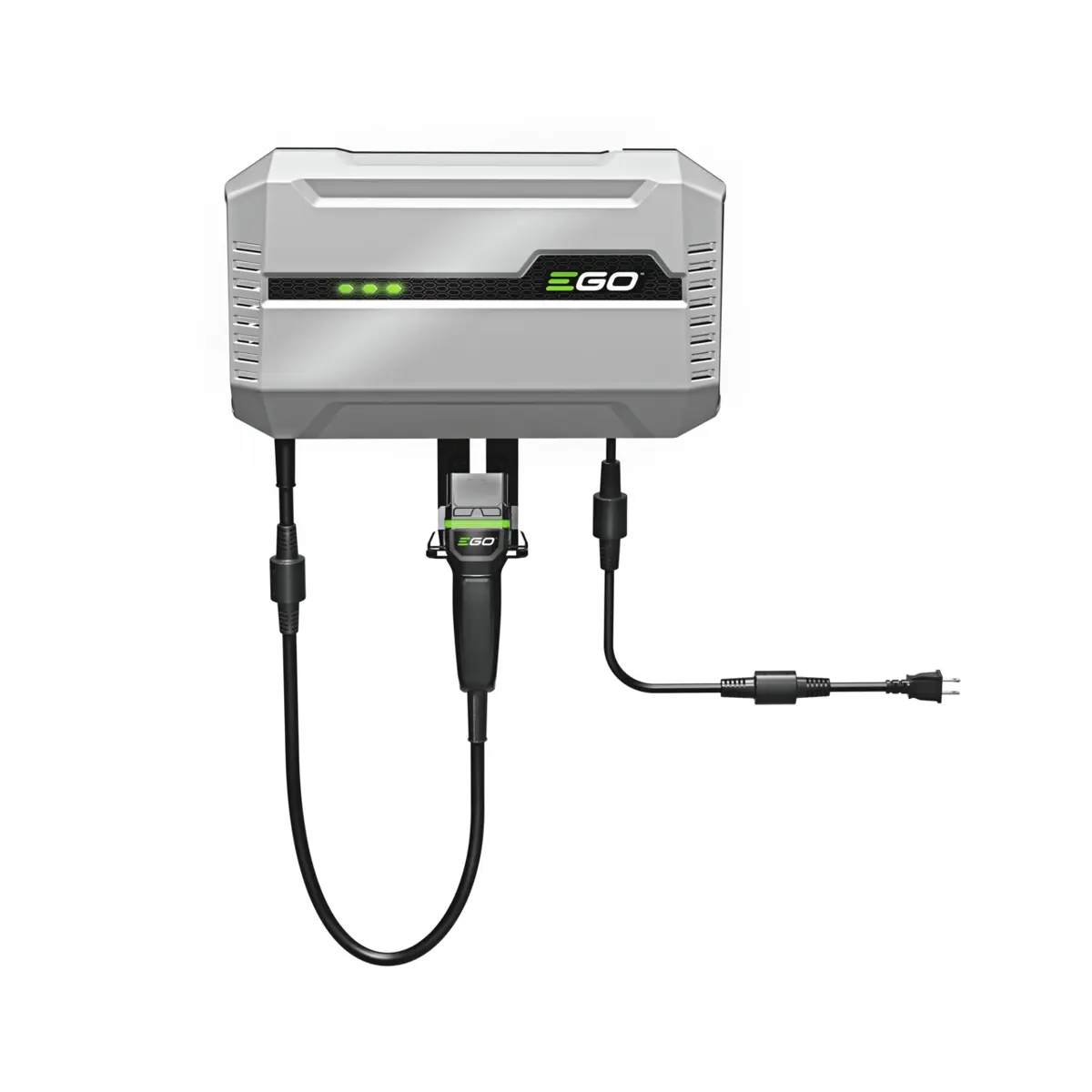
The Best Overall Chargerfits most mower batteries well. It offers steady power and lasts long. It works with many brands and models. This charger is easy to use and safe for batteries.
- Budget-Friendly Optionsare good for saving money.
- They charge batteries at a slower speed.
- These chargers still protect the battery from damage.
- Good for casual or occasional use.
Premium Fast Chargersfill the battery quickly.
They use advanced tech to keep the battery cool.
These chargers cost more but save time.
Best for heavy users who need quick charging.
Tips For Safe Charging
Avoid overchargingby unplugging the charger once the battery is full. Overcharging can reduce battery lifeand cause damage. Use a charger that matches the mower battery’s voltage and type. Check the charger regularlyfor signs of wear or damage to avoid risks.
Store the batteryin a cool, dry place. Avoid places with extreme temperatures. Cold or heat can lower battery performance. Keep the battery clean and dryduring storage.
- Check battery terminals for dirt and corrosion.
- Clean terminals gently with a dry cloth.
- Inspect the battery and charger cables for damage.
- Charge the battery every few months during storage.
Regular maintenance helps keep the battery safe and efficient. It also extends the mower’s life.
Credit: igocordless.ca
Frequently Asked Questions
What Type Of Charger Works With Mower Batteries?
Most mower batteries use a 12-volt charger designed for lead-acid or lithium-ion batteries. Always check your battery’s specifications before purchasing a charger. Using the correct charger ensures safety and prolongs battery life.
Can I Use A Car Battery Charger For My Mower?
Generally, a car battery charger is not suitable for mower batteries. Mower batteries require lower amperage chargers. Using a car charger can damage the mower battery and reduce its lifespan.
How Do I Find The Right Charger For My Mower Battery?
Check the battery label for voltage and chemistry type. Match these details with the charger’s specifications. Refer to the mower’s manual or manufacturer’s website for recommended chargers.
Are Smart Chargers Compatible With Mower Batteries?
Yes, many smart chargers support mower batteries. They adjust charging rates automatically to prevent overcharging. Smart chargers enhance battery health and extend overall battery life.
Conclusion
Choosing the right charger keeps your mower battery healthy. Match the charger voltage and type to your battery. Use only chargers designed for your mower model. This helps avoid damage and extends battery life. Safe charging means your mower stays ready to work.
Remember, a good charger saves time and money. Keep these tips in mind for the best results. Your mower will run smoothly with the right charger. Simple steps make a big difference in battery care.





