Have you noticed your car acting up lately? Maybe it’s sluggish to start or your fuel efficiency has dropped.
The culprit could be your spark plugs wearing out faster than they should. But why does this happen? Understanding what causes spark plugs to go bad fast can save you time, money, and frustration. You’ll discover the common reasons behind premature spark plug failure and how to prevent it.
Keep reading to protect your engine and keep your ride running smoothly.
Common Spark Plug Issues
Spark plugs are vital for your engine’s smooth operation. They ignite the fuel-air mix inside the engine cylinders. Common issues can cause spark plugs to wear out faster than usual. Dirt, oil, and extreme heat often damage them. Poor engine maintenance also speeds up this wear. Understanding these issues helps you spot problems early.
Signs Of Spark Plug Wear
- Engine misfires or runs rough
- Hard starting or no start
- Poor fuel economy
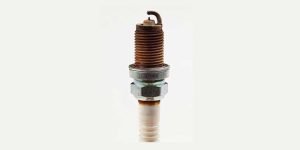
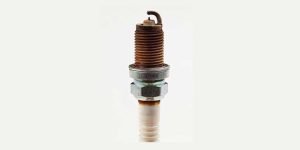
- Black, oily, or sooty deposits on plugs
- Visible cracks or damage on the plug
- Loss of engine power
Impact On Engine Performance
Worn spark plugs reduce engine efficiency. They cause incomplete combustion, leading to lower power. Your car may hesitate during acceleration. Fuel consumption rises as the engine works harder. Emissions increase, harming the environment. Ignition problems also cause vibration and noise. Timely spark plug replacement keeps the engine healthy.

Credit: www.reddit.com
Fuel Quality Effects
Fuel quality plays a major role in how long spark plugs last. Poor fuel can cause spark plugs to wear out quickly and affect engine performance. Understanding fuel quality effects helps keep spark plugs healthy and your vehicle running smoothly.
Contaminants In Fuel
Fuel may contain dirt, water, or other impurities. These contaminants can clog spark plugs and cause misfires. Water in fuel creates rust and corrosion on spark plug parts. Dirt particles cause the electrode to wear down faster. Contaminated fuel leads to rough engine running and poor fuel economy.
Using Low-grade Fuel
Low-grade fuel often burns unevenly in the engine. It leaves behind carbon deposits on spark plugs. These deposits block the spark and reduce ignition efficiency. Using low-grade fuel causes overheating and faster spark plug failure. High-quality fuel helps spark plugs last longer and work better.
Engine Oil Problems
Engine oil problems are a common reason spark plugs fail quickly. Oil plays a vital role in lubricating engine parts. But when oil leaks or circulates where it shouldn’t, it harms spark plugs. This reduces engine performance and causes frequent spark plug replacement.
Oil Leaks On Spark Plugs
Oil leaks occur due to worn valve cover gaskets or piston rings. Oil then seeps onto spark plugs and their wells. This coating blocks the spark plug’s ability to ignite fuel. The oil causes misfires and rough engine running. Oil on spark plugs also leads to carbon build-up. This buildup further reduces spark plug efficiency.
Consequences Of Oil Fouling
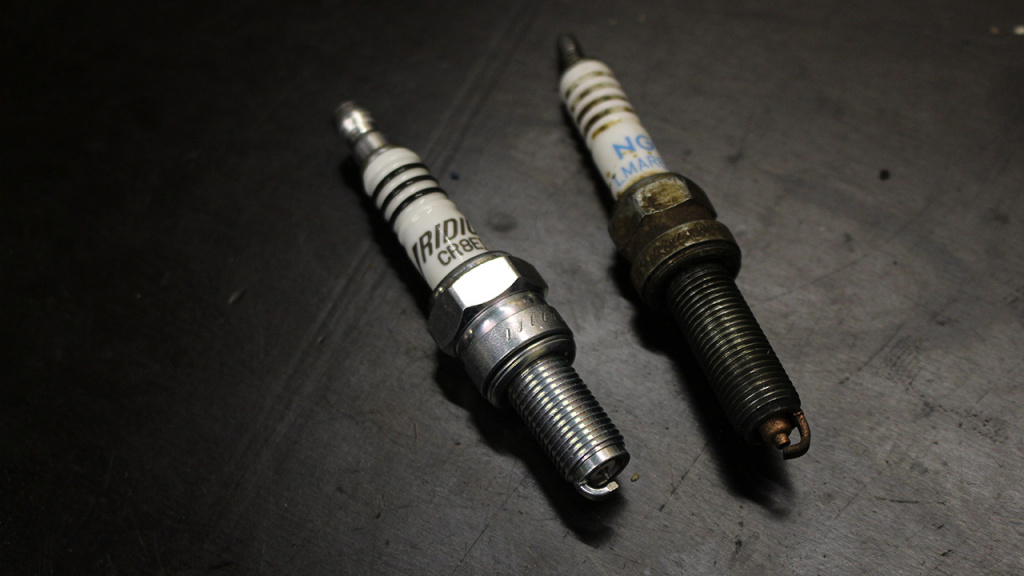
Oil fouling means spark plugs get covered with oil and dirt. Fouled spark plugs fail to create strong sparks. This leads to poor fuel combustion and lower power output. Engine fuel efficiency drops and emissions rise. Over time, fouled spark plugs cause engine knocking and stalling. Replacing spark plugs often becomes necessary to restore engine health.
Credit: finntrail.com
Ignition System Malfunctions
Ignition system malfunctions can cause spark plugs to fail quickly. The ignition system sends electrical power to spark plugs. If any part of this system breaks down, spark plugs do not work well. This leads to poor engine performance and faster wear of spark plugs.
Faulty Ignition Coils
Ignition coils create the high voltage needed for spark plugs to ignite fuel. When coils are faulty, they send weak or inconsistent sparks. This causes incomplete combustion and puts extra stress on spark plugs. Over time, spark plugs wear out faster and may fail prematurely.
Incorrect Spark Timing
Spark timing controls when the spark plug fires inside the engine cylinder. Incorrect timing means the spark fires too early or too late. This causes engine knocking or misfires. Incorrect spark timing increases heat and pressure on spark plugs. It reduces their lifespan and leads to faster damage.
Driving Habits And Conditions
Your driving habits and the conditions you face play a huge role in how quickly spark plugs wear out. These small parts work hard every time you start your engine and keep it running smoothly. But certain patterns and environments can speed up their decline without you even realizing it.
Short Trips And Frequent Starts
Constantly driving short distances can be tough on spark plugs. When your engine doesn’t warm up fully, fuel and carbon deposits build up on the plugs, causing misfires and poor performance.
Think about your daily routine. If you’re making multiple quick stops or short drives, your spark plugs don’t get a chance to clean themselves through normal combustion. This leads to faster wear and tear.
Have you noticed your car struggling to start or running rough after short trips? This could be a sign that your spark plugs are suffering from frequent cold starts. Try combining errands into one longer trip to help extend their life.
Extreme Weather Effects
Both very hot and very cold climates affect spark plug health. High heat can cause the plug electrodes to wear out quicker, while extreme cold can make ignition harder and cause deposits to form.
Living in a place with harsh winters? Your spark plugs face extra strain every time you start a cold engine. On the other hand, desert heat speeds up electrode erosion, reducing spark plug lifespan.
Consider how your local weather impacts your vehicle’s ignition system. Regular checks during seasonal changes can catch issues early and prevent fast spark plug failure.

Credit: www.piloteers.org
Incorrect Spark Plug Installation
Incorrect spark plug installation is a common reason why spark plugs wear out faster than they should. Even if you buy high-quality plugs, a small mistake during installation can lead to poor engine performance and frequent replacements. Understanding the key errors can save you time, money, and frustration.
Wrong Gap Settings
The gap between the spark plug electrodes controls the spark size that ignites the fuel-air mixture. If the gap is too wide, the spark may be weak or inconsistent, causing misfires and inefficient combustion.
On the other hand, if the gap is too narrow, the spark may be too small to ignite the mixture properly, leading to rough idling and increased emissions. Many people overlook this detail, assuming factory settings are perfect for all vehicles.
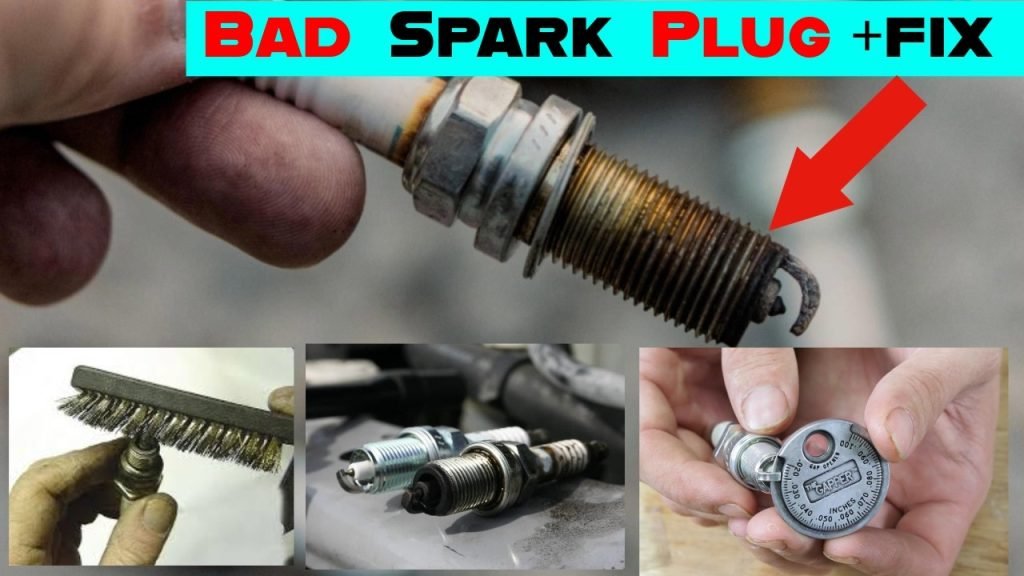
You might ask, have you checked your spark plug gap lately? Using a feeler gauge to set the gap to your vehicle manufacturer’s specifications is crucial. Small adjustments can make a big difference in how your engine runs and how long your plugs last.
Improper Torque Application
Applying the right torque when installing spark plugs is just as important as setting the correct gap. Over-tightening can damage the plug’s threads or crack the ceramic insulator, leading to immediate failure or slow degradation.
Under-tightening, however, can cause poor heat transfer and even allow combustion gases to escape, which can erode the threads and reduce the plug’s lifespan. It’s a delicate balance that many DIYers miss because torque specs aren’t always obvious.
Have you ever used a torque wrench when changing spark plugs? It ensures you apply just the right amount of force. If you don’t have one, consider getting a basic model or following the manufacturer’s recommended tightening technique to avoid costly mistakes.
Engine Mechanical Issues
Engine mechanical issues often cause spark plugs to wear out quickly. These problems affect how well the engine runs and how the spark plugs perform. Faulty engine parts or poor combustion can lead to spark plug damage. Understanding these issues helps prevent frequent spark plug failures.
Overheating Problems
Overheating is a common cause of spark plug failure. High engine temperatures can burn the spark plug’s electrodes. This damage reduces spark plug efficiency and lifespan. Causes of overheating include:
- Coolant leaks
- Faulty thermostat
- Blocked radiator
- Incorrect spark plug heat range
When spark plugs overheat, they may crack or melt. This leads to misfires and poor engine performance.
Excessive Carbon Deposits
Carbon buildup on spark plugs harms their function. This occurs when fuel does not burn completely. Carbon deposits insulate the spark plug, stopping sparks from jumping properly. Common causes include:
- Rich fuel mixture
- Worn piston rings
- Clogged air filters
- Frequent short trips
Too much carbon makes spark plugs dirty and less effective. Regular maintenance helps avoid this issue and keeps spark plugs clean.
Preventive Maintenance Tips
Preventive maintenance helps keep spark plugs healthy and extends their life. Regular care avoids poor engine performance and costly repairs. Simple steps can keep spark plugs working well longer. Follow these tips to maintain your spark plugs effectively.
Regular Inspection And Replacement
Check spark plugs often for wear and damage. Look for cracks, deposits, or worn electrodes. Clean minor deposits with a wire brush. Replace plugs if they are dirty or worn out. Follow the vehicle’s manual for replacement intervals. Timely replacement keeps the engine running smoothly.
Choosing The Right Spark Plug
Select spark plugs made for your car’s engine type. Use the correct size and heat range recommended by the manufacturer. Avoid cheap or generic plugs that may fail quickly. Good quality plugs ensure proper combustion and reduce engine stress. Proper plugs improve fuel efficiency and lower emissions.
Frequently Asked Questions
What Common Factors Cause Spark Plugs To Fail Quickly?
Spark plugs fail quickly due to oil leaks, carbon buildup, and overheating. Poor fuel quality and incorrect gap settings also reduce their lifespan significantly.
How Does Engine Oil Affect Spark Plug Longevity?
Engine oil contaminates spark plugs by causing fouling and misfires. It creates deposits on electrodes, leading to poor ignition and early plug failure.
Can Driving Habits Impact Spark Plug Life Span?
Yes, aggressive driving and frequent short trips cause spark plugs to wear faster. They increase engine stress and deposit buildup, which degrade spark plug performance quickly.
Why Does Overheating Damage Spark Plugs?
Overheating melts spark plug electrodes and insulation. This weakens spark strength, causing misfires and faster deterioration of the plug’s components.
Conclusion
Understanding why spark plugs fail quickly is crucial. Bad fuel quality, incorrect gapping, and overheating are common culprits. Regular maintenance checks can prevent these issues. Replace spark plugs when they show wear signs. This ensures smooth engine performance. Keep an eye on mileage and engine behavior.
Prevention saves money and time. Healthy spark plugs mean a healthy engine. Follow these tips for longer-lasting spark plugs. Enjoy a smoother drive and fewer repairs. Stay proactive with car care. Your car will thank you with better performance.