Have you ever tried to start your riding mower only to find it won’t budge? It’s frustrating, especially when you’re ready to get the job done.
Understanding what causes your riding mower not to start can save you time, money, and a lot of stress. You’ll discover the common reasons behind this problem and simple steps you can take to fix it. Keep reading, and you’ll have your mower running smoothly again before you know it.

Credit: www.searshomeservices.com
Common Starting Issues
Riding mowers often refuse to start due to common mechanical or electrical issues. These problems usually involve parts that wear out or need regular care. Understanding these common starting issues helps in quick diagnosis and repair. This saves time and money while keeping your mower ready to use.
Battery Problems
A weak or dead battery is a frequent cause of starting failure. Batteries lose charge over time or due to cold weather. Loose or corroded battery terminals also stop the mower from starting. Testing the battery voltage and cleaning terminals can often fix this issue.
Fuel System Issues
Old or contaminated fuel blocks the fuel system. Clogged fuel filters reduce fuel flow to the engine. A faulty fuel pump can stop fuel delivery entirely. Regularly replacing fuel and filters prevents these problems.
Ignition System Failures
The ignition switch or wiring may fail and interrupt the start signal. Faulty safety switches, like seat or brake switches, prevent the mower from starting as a safety measure. Checking and repairing these parts restores proper ignition function.
Carburetor Troubles
Dirt and debris build up inside the carburetor, causing poor fuel mixing. This leads to hard starting or stalling. Cleaning or rebuilding the carburetor improves fuel delivery and engine start-up.
Spark Plug Malfunctions
Worn or fouled spark plugs fail to ignite the fuel-air mixture. This stops the engine from starting or causes rough running. Inspecting, cleaning, or replacing spark plugs solves this common problem quickly.
Battery Troubleshooting
Battery issues are a common reason why your riding mower might refuse to start. Before calling a mechanic, it’s worth checking the battery yourself. Understanding simple battery troubleshooting steps can save you time and money while getting your mower back to work quickly.
Checking Battery Charge
Start by testing the battery’s charge with a multimeter. A fully charged 12-volt battery should read around 12.6 volts or more. If the reading is below 12 volts, your battery may be too weak to start the engine.
Another quick way to check is by turning on the headlights or the dashboard lights. If they appear dim or don’t turn on, it’s a strong sign your battery is low or dead. Do you notice your mower’s lights dimming during start attempts? That’s a clue pointing straight to the battery.
Cleaning Battery Terminals
Corrosion on battery terminals often blocks the electrical current needed to start the mower. Look for a white, ashy substance or greenish buildup around the battery posts and cable connectors.
Use a wire brush or an old toothbrush with a mixture of baking soda and water to clean the terminals. After scrubbing, rinse with water and dry thoroughly. Making sure the terminals are clean can instantly improve the connection and might get your mower started right away.
Replacing A Dead Battery
If the battery won’t hold a charge even after cleaning and charging, it’s time to replace it. Batteries have a lifespan of about 3 to 5 years, depending on use and care.
When buying a new battery, check your mower’s manual for the correct size and specifications. Installing the right battery ensures optimal performance and avoids damage to your mower’s electrical system. Have you checked your battery’s age lately? It might be the hidden cause of your starting woes.
Fuel System Fixes
The fuel system plays a crucial role in getting your riding mower started. Problems here are often the main reason why your mower won’t fire up. Tackling fuel system issues can be straightforward if you know where to look and what to fix.
Inspecting Fuel Levels
Before digging into complex repairs, check your fuel tank. Running out of gas is a simple but common reason for no-start issues. Make sure the tank has fresh fuel and the fuel cap is securely closed to maintain pressure.
Have you ever found your mower dead only to realize the fuel gauge was off? It’s a quick fix that can save you time and frustration.
Cleaning Fuel Filters
A clogged fuel filter blocks the flow of gasoline to the engine. Dirt, debris, or old fuel residues can cause buildup inside the filter. Removing and cleaning or replacing the filter often restores proper fuel flow.
Try to inspect the filter regularly, especially if your mower sits unused for long periods. It’s a simple maintenance task that prevents bigger headaches.
Draining Old Fuel
Gasoline degrades over time, turning sticky and less effective. Old fuel can gum up the carburetor and fuel lines, causing your mower to stall or refuse to start. Draining the old fuel and refilling with fresh gasoline often solves stubborn starting problems.
Have you noticed your mower runs fine right after refueling but struggles later? That’s a strong hint that old fuel is the culprit.

Credit: www.searshomeservices.com
Ignition System Repairs
A riding mower may fail to start due to ignition system problems like a faulty spark plug or bad ignition coil. Dirt or wear can block sparks needed to ignite the engine. Checking and repairing these parts often restores proper starting function.
Ignition system repairs are key to starting your riding mower smoothly. If the ignition system fails, your mower will not start. This system includes components like the ignition switch, wiring, and safety switches. Each plays a vital role in starting the engine. Inspecting these parts can help identify issues and restore functionality.Testing The Ignition Switch
The ignition switch is the heart of starting your mower. If it fails, the engine won’t crank. To test, turn the key and listen for clicking sounds. No sound means the switch may be faulty. Use a multimeter to check for continuity. Replace the switch if it shows no continuity. This ensures the mower starts efficiently.Replacing Faulty Wiring
Wiring issues can prevent the ignition system from working. Look for frayed or broken wires. Damaged wires disrupt the electrical flow. Replace any faulty wires with new ones. Ensure connections are tight and secure. This helps maintain proper electrical function.Ensuring Safety Switches Work
Safety switches prevent the mower from starting in unsafe conditions. They are found under the seat or near controls. Check if they engage properly when activated. Malfunctioning switches can stop the engine from starting. Replace any broken safety switches. This ensures the mower operates safely and starts correctly.Carburetor Maintenance
The carburetor plays a crucial role in your riding mower’s ability to start and run smoothly. If your mower won’t start, the carburetor might be the culprit. Regular maintenance ensures fuel and air mix properly, preventing common starting issues.
Cleaning The Carburetor
Dirt, debris, and old fuel can clog the carburetor jets and passages. This buildup restricts fuel flow, causing your mower to stall or fail to start. You can clean it by removing the carburetor and soaking its parts in a carburetor cleaner solution.
Use a soft brush to remove stubborn deposits, and blow out passages with compressed air. Have you checked your carburetor lately? Even a small clog can lead to big problems.
Adjusting Carburetor Settings
Your carburetor has screws that control the air-fuel mixture and idle speed. If these settings are off, the engine may struggle to start or run rough. Adjusting these screws carefully can improve performance significantly.
Try turning the mixture screw slowly until the engine runs smoothly, then fine-tune the idle speed. It’s a simple fix that often gets overlooked but makes a noticeable difference.
Replacing Worn Parts
Over time, parts like gaskets, diaphragms, and needles inside the carburetor wear out. Worn components cause leaks or poor fuel delivery. Inspect these parts regularly and replace any that look damaged or cracked.
Using new, compatible parts restores your carburetor’s function and can save you from costly repairs later. Have you replaced your carburetor parts lately, or are you still hoping a quick clean will do the job?
Spark Plug Solutions
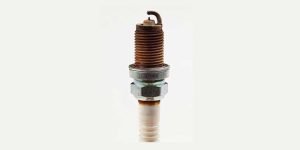
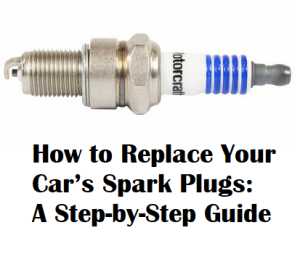
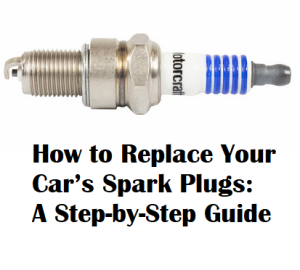
The spark plug plays a key role in starting a riding mower. It delivers the spark needed to ignite the fuel. Problems with the spark plug often cause the mower not to start. Checking and fixing the spark plug can solve many starting issues. This section covers how to inspect, clean, replace, and adjust the spark plug gap for better performance.
Inspecting Spark Plug Condition
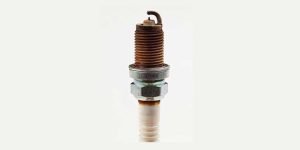
Remove the spark plug from the engine. Look for signs of wear, such as:
- Black soot or carbon build-up
- Oil or fuel fouling
- Cracks or damage on the ceramic insulator
- Worn or corroded electrodes
Any of these signs mean the spark plug may not work properly. A damaged spark plug needs attention before the mower can start reliably.
Cleaning Or Replacing Spark Plugs
Clean the spark plug if it has light deposits. Use a wire brush or spark plug cleaner to remove dirt and carbon. Avoid damaging the electrode while cleaning. If the plug is heavily fouled or damaged, replace it with a new one. Always use the spark plug type recommended by the mower manufacturer.
Checking Spark Plug Gap
The gap between the spark plug electrodes must be correct. This gap controls the spark size and strength. Use a spark plug gap tool or feeler gauge to measure it. Refer to the owner’s manual for the correct gap size. Adjust the gap by gently bending the side electrode. A correct gap helps the engine start smoothly and run well.
Additional Checks
Sometimes, the reason your riding mower won’t start isn’t obvious. After checking the basics like fuel and battery, it’s time to dig a little deeper with additional checks. These extra steps can uncover less common issues that often get overlooked but are crucial for a smooth start.
Examining The Starter Motor
The starter motor is the heart of your mower’s ignition system. If it’s faulty, the engine won’t crank no matter what else you do.
Listen carefully when you turn the key. A clicking noise usually means the starter motor is trying but can’t engage fully. This could be due to worn-out brushes or a bad solenoid. You can test it by gently tapping the starter motor with a rubber mallet—sometimes this frees up stuck parts temporarily.
Have you checked the wiring connections to the starter? Loose or corroded wires can stop it from getting power. Tighten and clean these connections to ensure a solid flow of electricity.
Verifying Safety Interlocks
Riding mowers have built-in safety features to prevent accidents, but these can also stop the engine from starting.
Common interlocks include:
- Seat switch – the mower won’t start if no one is sitting.
- Brake or clutch pedal switch – ensures the mower is in neutral or the brake is engaged.
- Blade engagement switch – prevents starting if blades are engaged.
If one of these switches is faulty or misaligned, it can block the ignition. Try bypassing the switch temporarily to see if the mower starts, but only for testing. Have you ever found that a simple safety switch reset solved your starting problems?
Reviewing The Engine Oil Level
Low or dirty engine oil can cause the mower’s safety system to prevent starting. Many modern mowers have sensors that detect oil levels to protect the engine.
Check the oil dipstick and top up if needed. Use the oil grade recommended in your owner’s manual. Also, consider changing the oil if it looks dark or gritty, as old oil can cause sensor errors.
Have you noticed your mower refuses to start after running low on oil? Regular oil checks not only protect your engine but also save you from frustrating no-start situations.

Credit: www.searshomeservices.com
Frequently Asked Questions
Why Won’t My Riding Mower Start After Winter?
Cold weather can cause battery failure and stale fuel issues. Check the battery charge and replace old fuel to ensure proper starting.
How Does A Bad Spark Plug Affect Mower Start?
A faulty spark plug prevents ignition. Cleaning or replacing the spark plug often restores proper engine start and performance.
Can A Clogged Fuel Filter Stop Mower From Starting?
Yes, a clogged fuel filter blocks fuel flow. Replacing the filter ensures fuel reaches the engine for smooth starting.
What Role Does The Safety Switch Play In Starting?
Safety switches prevent accidental starts. Ensure all switches are engaged correctly to allow the mower to start safely.
Conclusion
A riding mower may not start due to many common problems. Dirty spark plugs, old fuel, or a dead battery often cause issues. Checking these parts regularly can save time and money. Simple fixes can get your mower running again quickly.
Understanding what causes the problem helps you act fast. Keep your mower in good shape for a smooth start every time. Don’t ignore small signs; they prevent bigger troubles later. Stay prepared and enjoy mowing without delays.