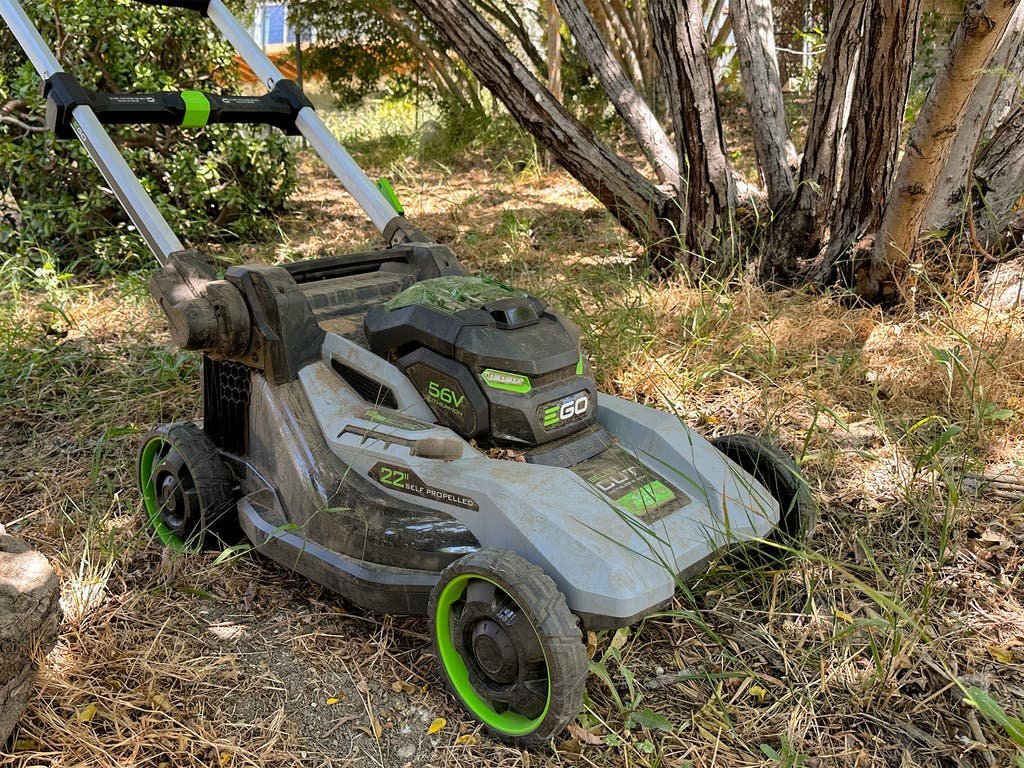
A great-looking lawn starts with the right machine. But with dozens of models on the market—gas, electric, riding, self-propelled—picking one can feel overwhelming. Buy the wrong mower and you'll struggle with tall grass, dead batteries, or a machine that's too heavy for your yard.
The good news? You don't need to spend a fortune or become a lawn equipment expert. You just need a mower that matches your lawn's size, terrain, and your personal preferences. In this guide, we break down the five best lawn mowers for 2026, explain what makes each one stand out, and give you the practical details—deck width, run time, power source—that actually matter when you're cutting grass. For more on this, see our guide on best gas lawn mower for large yard.
How to Choose the Right Lawn Mower for Your Property
Before diving into our top picks, it helps to understand what separates a great mower from a frustrating one. The right choice depends on three main factors: your lawn size, the terrain, and how much maintenance you're willing to do.
Match the Mower Type to Your Lawn Size
| Lawn Size | Recommended Mower Type | Why It Works |
|---|---|---|
| Under ¼ acre | Corded electric or small push mower | Lightweight, affordable, easy to store |
| ¼ to ½ acre | Battery-powered self-propelled | No cords, decent run time, less effort |
| ½ to 1 acre | Gas push mower or small riding mower | More power, wider cutting deck |
| 1+ acres | Riding mower or zero-turn mower | Covers ground fast, comfortable seat |
If you have a smaller yard, check out our guidance on safe operation for small lawns and compact spaces. For larger properties, you'll want the extra power and deck width of a gas model. For more on this, see our guide on best zero turn mower for flat lawns.
Key Features That Matter Most
- Cutting deck width: A wider deck means fewer passes. A 21-inch deck is standard for push mowers; riding mowers often have 42-54 inch decks.
- Height adjustment: Look for single-lever adjustment or even a 7-position system so you can adapt to seasonal grass growth.
- Self-propulsion: Essential if your yard has slopes or covers more than a quarter acre. Front-wheel drive suits flat ground; rear-wheel drive grips hills better.
- Mulching capability: Quality mulching mowers cut clippings fine enough to feed your lawn naturally, returning nitrogen to the soil.
- Bagging option: Useful if you plan to collect clippings, especially in fall when leaves pile up.
Consider Your Budget and Maintenance Willingness
Gas mowers typically cost more upfront and need regular servicing—oil changes, spark plug replacement, air filter cleaning. Electric mowers, especially battery models, require far less upkeep but have a higher initial cost for quality batteries.
If you're on a tight budget, a corded electric model can be surprisingly effective. For those ready to step up, a well-maintained gas mower will last a decade or more. Understanding the correct fluid levels and routine upkeep will extend the life of any engine you buy. For more on this, see our guide on best mower small lawn safe operation.
The Top 5 Lawn Mowers of 2026
We've evaluated dozens of mowers based on cutting performance, build quality, ease of use, and value. These five consistently stand out for different needs and budgets.
1. Best Overall: Honda HRX217VKA
Who it's for: Homeowners with medium to large lawns who want a reliable, versatile mower that handles almost anything. For more on this, see our guide on best lawn mower for medium yard.
The Honda HRX217VKA has earned its reputation as one of the best mowers money can buy. Its 187cc engine starts easily and delivers strong, consistent power even in thick or damp grass. The signature feature is the 4-in-1 Versamow system: you can mulch, bag, discharge, or finely chop leaves without changing attachments.
The NeXite deck—a durable composite material—won't rust or dent like steel. Self-propulsion with Honda's variable-speed transmission lets you match your walking pace, and the blade is designed to create a vacuum effect that lifts grass for a cleaner, more even cut. For more on this, see our guide on best electric lawn mower for small yard.
Key specs:
- Engine: 187cc Honda GCV190
- Deck width: 21 inches
- Cutting positions: 7
- Drive type: Rear-wheel self-propelled
Price range: $$ (premium, but justified by longevity)
The Roto-Stop feature deserves special mention—you can stop the blade without killing the engine, which is handy when you need to clear a stick or move a toy without restarting.
2. Best for Small Lawns: Greenworks 20-Inch 3-in-1 Corded Mower
Who it's for: Owners of compact yards under ¼ acre who want a light, affordable, no-fuss machine.
Small lawns don't need big power. The Greenworks 20-inch corded mower keeps things simple: plug it in, pull the start lever, and push. There's no battery to recharge, no gas to mix, and no pull cord to yank. It weighs just 52 pounds, making it easy to lift and maneuver around flower beds and tight corners.
The 3-in-1 system offers rear bagging, side discharge, and mulching. A single lever adjusts cutting height across seven positions. Because it's electric, it's quiet enough to use early in the morning without annoying neighbors—and it produces zero emissions.
Key specs:
- Power: 12-amp motor
- Deck width: 20 inches
- Cutting positions: 7
- Weight: 52 lbs
Price range: $ (one of the most affordable options available)
The main limitation is the cord. You'll need a heavy-gauge extension cord and to stay within reach of an outlet. For very small, flat lawns, the trade-off is well worth the savings.
3. Best for Large Lawns: Troy-Bilt TB330
Who it's for: Homeowners with more than half an acre who need power and traction on uneven ground.
Large properties demand a mower that covers ground quickly without wearing you out. The Troy-Bilt TB330 pairs a reliable Briggs & Stratton engine with a wide 21-inch cutting deck, so you spend less time going back and forth.
The standout feature is the rear-wheel drive system. When you're pushing uphill, the rear wheels supply the traction—you steer, the mower does the heavy lifting. Front-wheel drive models tend to lose grip on slopes; rear-wheel drive keeps you moving steadily without bogging down.
The 3-in-1 capability (mulch, bag, or discharge) covers seasonal needs, and the 8-position height adjustment lets you adapt as grass grows faster in spring or slows in summer heat. For summer-specific cutting advice, we have a detailed guide on optimal mowing heights during hot weather.
Key specs:
- Engine: 163cc Briggs & Stratton
- Deck width: 21 inches
- Cutting positions: 8
- Drive type: Rear-wheel self-propelled
Price range: $$ (mid-range, strong value)
4. Best Electric: EGO Power+ LM2142SP
Who it's for: Eco-conscious homeowners who want gas-level performance without the emissions, noise, or maintenance.
Battery technology has come a long way, and the EGO Power+ LM2142SP proves it. This 21-inch self-propelled mower delivers up to 80 minutes of run time on a single 7.5 Ah battery—enough for most quarter-acre lawns with power to spare.
The brushless motor is the secret to its longevity. Brushless motors generate less heat and friction than standard motors, meaning longer battery life and fewer breakdowns. It's also remarkably quiet, so you can mow early without disturbing the whole street.
The touch-drive system uses a speed dial on the handle to control self-propulsion, and a fold-down handle makes storage compact. For comparison shopping with top-rated zero-turn models and other electric options, our guide to electric mowers for small yards covers similar ground.
Key specs:
- Power: 56V brushless motor
- Deck width: 21 inches
- Run time: Up to 80 minutes
- Battery: 7.5 Ah (sold separately or as kit)
Price range: $$$ (premium, but the battery system works with other EGO tools)
5. Best Budget: Sun Joe MJ401E-PRO
Who it's for: First-time buyers, renters, or anyone who wants a reliable mower without breaking the bank.
You don't need to spend hundreds to keep a small lawn neat. The Sun Joe MJ401E-PRO proves that an affordable electric mower can handle regular cutting duties with ease. Its 12-amp motor spins a 14-inch steel blade at 3,700 RPM—plenty for weekly cuts.
The 5-position height adjustment ranges from 1.25 to 3.25 inches, and a 9.6-gallon rear bag collects clippings efficiently. The handle folds down for vertical storage, which is a lifesaver if you're working with a small garage or shed.
The trade-offs are obvious: no self-propulsion, corded operation, and a narrower deck. But for flat lawns under ¼ acre, it's a perfectly serviceable machine at a bargain price.
Key specs:
- Power: 12-amp motor
- Deck width: 14 inches
- Cutting positions: 5
- Weight: 24 lbs
Price range: $ (one of the cheapest quality mowers available)
Performance and Efficiency: What Really Makes a Mower Fast
Performance is about more than raw power. It's about how effectively a mower translates that power into a clean, even cut—without wasting your time or energy.
Cutting Power and Speed
The engine or motor's power determines how well a mower handles thick grass, weeds, and damp patches. A 163cc gas engine will power through conditions that would bog down a 12-amp electric motor. But power alone doesn't guarantee a good cut.
Blade design matters just as much. A well-designed blade creates a vacuum that lifts grass upright before cutting it, producing a level finish. The Honda HRX nails this with its MicroCut twin-blade system, which chops clippings into fine particles that decompose quickly and return nutrients to the soil.
Speed settings also play a role. Self-propelled mowers let you adjust ground speed independent of cutting speed, so you can slow down in thick grass without the cut quality suffering.
Battery Life and Fuel Efficiency
For electric mowers, battery life is the critical number. A 7.5 Ah battery at 56V provides roughly 450 watt-hours of energy—enough for extended mowing sessions. Models with multiple battery slots, or those compatible with a shared battery platform, let you swap in a fresh pack and keep going.
Fuel efficiency is less talked about but just as important for gas mowers. Modern four-stroke engines are significantly cleaner than older two-strokes. Look for engines with overhead valves (OHV), which run cooler, last longer, and burn fuel more completely.
Safety and Comfort Features Worth Paying For
Mowing is physically demanding and involves spinning blades—safety shouldn't be an afterthought. The best mowers incorporate features that protect you and make the job less tiring.
Ergonomic Design
- Adjustable handles: Reduce back strain by letting you set the height that matches your stride and posture.
- Cushioned grips: Absorb vibration, reducing hand fatigue during long mowing sessions.
- Central height adjustment: Single-lever systems are far easier than adjusting each wheel individually.
- Balanced weight distribution: A well-balanced mower feels lighter than it actually is, especially on slopes.
Critical Safety Mechanisms
- Blade brake clutch: Stops the blade without killing the engine (found on the Honda HRX). The blade stops spinning in seconds when you release the bail, the engine keeps running.
- Operator presence control: The standard "dead man's switch" that stops the blade when you let go of the handle.
- Self-propelled drive disengagement: Some models automatically cut drive power when you release the handle, preventing runaways.
- Safety shields and deflectors: Keep debris, feet, and hands away from the blade deck.
Noise Levels and Your Hearing
Electric and battery mowers operate at roughly 75-80 decibels—comparable to a vacuum cleaner. Gas mowers typically run 90-95 decibels, which approaches the threshold where hearing damage can occur with prolonged exposure. If you're using a gas mower, especially for extended sessions, consider ear protection.
Maintenance That Extends Your Mower's Life
A mower is only as good as its upkeep. Simple, regular maintenance keeps the engine running smoothly, the cut clean, and the machine safe to operate.
Cleaning and Proper Storage
After each use, clear grass clippings from the deck with a brush or scraper. A clogged deck reduces airflow and cutting efficiency, and wet clippings left in place accelerate corrosion. A garden hose attachment or a dedicated deck scraper makes this job easier—check out our guide on the best way to clean mower deck for the do's and don'ts.
Store the mower in a dry, sheltered location. Moisture is the enemy of metal components and electrical connections. For long-term storage (over 30 days), either drain the fuel or add a fuel stabilizer to prevent gumming in the carburetor.
Blade Care: Sharpening and Replacement
Sharp blades cut cleanly; dull blades tear grass, leaving browned, ragged tips that invite disease. Inspect your blade every 6-8 mowing sessions. If it has nicks, or if the edge feels rounded, sharpen it with a file or bench grinder. Replace the blade if it's bent, cracked, or severely worn.
Common Troubleshooting Fixes
- Mower won't start: Check the spark plug first. Remove it and inspect for carbon deposits. Also confirm fresh fuel—gas that sits for more than 30 days begins to degrade.
- Rough running or stalling: A clogged air filter restricts airflow. Clean or replace the filter according to manufacturer recommendations.
- Vibration or loud noise: This often signals a loose or damaged blade. Inspect the blade mount bushing as well as the blade itself.
- Poor cut quality: Dull blade is the usual culprit. Sharpening restores performance.
Frequently Asked Questions
What is the best type of lawn mower for a typical suburban yard?
For most suburban lawns between ¼ and ½ acre, a self-propelled gas or battery mower is the sweet spot. The self-propulsion reduces physical effort, and a 20-21 inch deck covers ground efficiently without being unwieldy.
Should I buy a gas or electric lawn mower in 2026?
Battery technology has matured to the point where electric mowers match gas models for most residential lawns. Choose electric if you value low maintenance, quiet operation, and zero emissions. Choose gas if you have a very large lawn, deal with extremely thick grass, or need maximum power without worrying about battery life.
How often should I replace my lawn mower?
With proper maintenance, a quality mower lasts 8-10 years or longer. If repair costs approach half the value of the mower, it's usually smarter to replace rather than keep investing in an old machine.
Is a self-propelled mower worth the extra money?
If your yard is flat and under ¼ acre, a push mower is fine. For slopes, larger lawns, or if you simply want less fatigue, self-propulsion is absolutely worth the upgrade.
Conclusion
The best lawn mower for you comes down to your yard's size, your physical comfort, and how much time you want to spend on maintenance. The Honda HRX217VKA remains the gold standard for versatility and durability. The Greenworks corded model delivers unbeatable value for small properties. The Troy-Bilt TB330 tackles large, sloping yards with confidence. The EGO Power+ proves electric mowers are ready for mainstream duty. And the Sun Joe offers a dependable entry point for budget-conscious buyers.
Whichever you choose, pair it with good mowing habits—cutting at the right height, keeping blades sharp, and cleaning the deck after each use. For seasonal advice on spring scheduling and summer height adjustments, our lawn care guides can help you get the timing right. A quality mower, properly maintained, will give you a greener, healthier lawn for years to come.





