
Have you ever wondered what makes your car’s engine roar to life every time you turn the key? The secret lies in a small but mighty part called the spark plug.
But what exactly are spark plugs made of, and why does it matter to you? Understanding the materials inside your spark plugs can help you choose the right ones, improve your engine’s performance, and even save you money. Keep reading to discover the surprising elements that power your drive and how they affect your vehicle’s health.
Spark Plug Basics
Spark plugs are small yet vital components in your vehicle’s engine. They create the spark needed to ignite the air-fuel mixture inside the engine cylinders. Understanding the basics of spark plugs helps you appreciate their role and make better decisions for your car’s maintenance.
Role In Engine Performance
The spark plug’s main job is to deliver a strong, consistent spark at the right moment. This ignition starts the combustion process, powering your engine and keeping your car running smoothly.
If the spark plug is faulty or worn out, you might notice rough idling, poor fuel economy, or trouble starting your engine. You want your spark plugs to fire efficiently to maintain optimal engine performance and reduce emissions.
Types Of Spark Plugs
Spark plugs come in different types, mainly based on the materials used in their construction. Choosing the right type can affect your engine’s performance and lifespan.
- Copper Spark Plugs:These are the most common and affordable. They offer good conductivity but wear out faster.
- Platinum Spark Plugs:More durable than copper, platinum plugs last longer and provide better performance in modern engines.
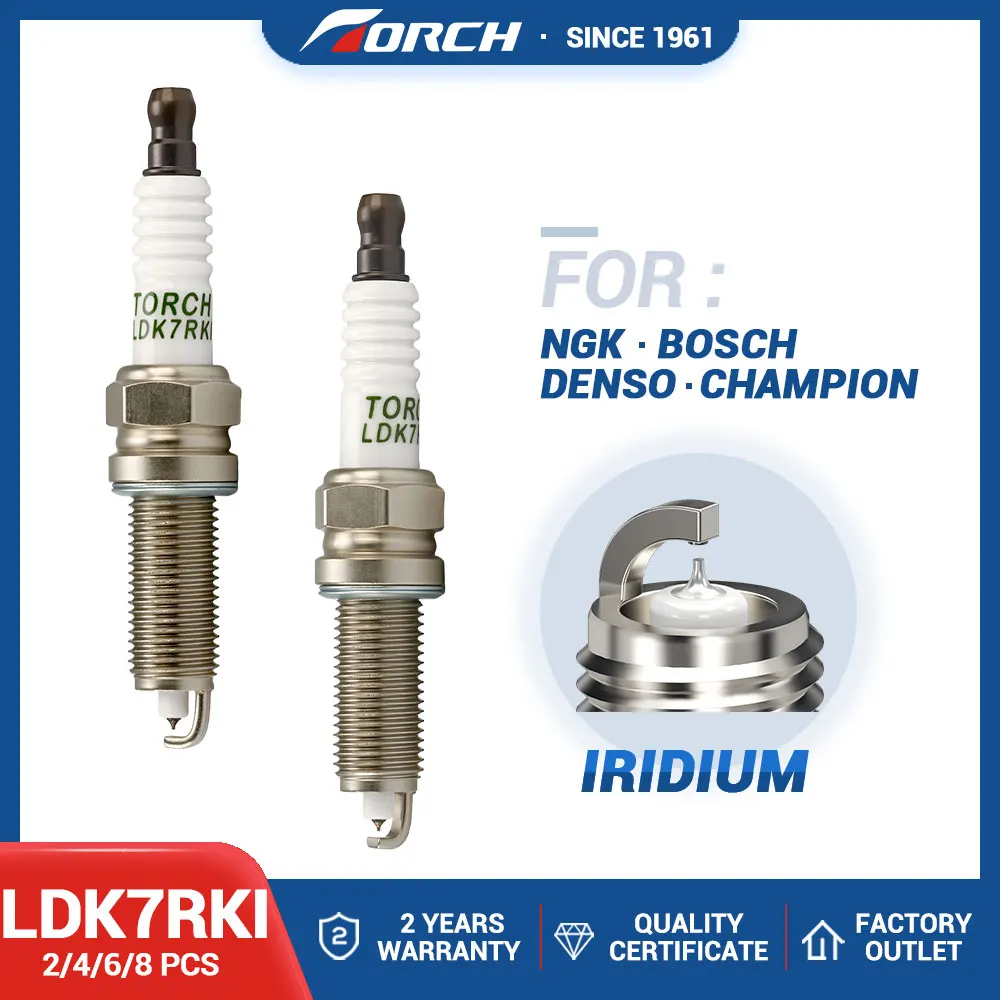
- Iridium Spark Plugs:Known for their longevity and strong spark, iridium plugs are often used in high-performance vehicles.
Have you checked your spark plugs lately? Knowing their type and condition can save you from unexpected engine troubles.

Credit: parts.chevrolet.com
Core Materials
Spark plugs have several core materials that work together to create the spark needed for engine ignition. Each part plays a vital role in performance and durability. Understanding these materials helps to appreciate how spark plugs function.
Ceramic Insulator
The ceramic insulator surrounds the central electrode. It resists heat and electrical flow. This material keeps the spark focused and prevents short circuits. Ceramics also handle high temperatures inside the engine.
Metal Shell
The metal shell provides strength and protection. It screws into the engine’s cylinder head. This shell helps transfer heat away from the spark plug. Usually, steel or nickel alloys are used for durability.
Central Electrode
The central electrode delivers the electrical spark. It is made from conductive metals like copper, nickel, or precious metals. These materials ensure good conductivity and resist corrosion. The electrode’s quality affects spark efficiency and engine performance.
Electrode Materials
The electrode material in a spark plug plays a crucial role in its performance and lifespan. It directly affects the spark’s strength, durability, and how well the plug handles heat. Choosing the right material can make a noticeable difference in how smoothly your engine runs.
Copper Electrodes
Copper is one of the most common materials used for spark plug electrodes. It offers excellent electrical conductivity, which helps create a strong spark to ignite the fuel-air mixture. However, copper electrodes tend to wear out faster than other materials, especially under high-temperature conditions.
If you drive a vehicle with a standard engine or have an older model, copper electrodes might work well for you. They are also more affordable, which is a plus if you replace spark plugs frequently.
Platinum Electrodes
Platinum electrodes last longer than copper because platinum resists wear and corrosion better. This means you can go longer without changing your spark plugs, saving you time and effort. The spark generated remains consistent over time, which helps maintain engine efficiency.
Many modern vehicles use platinum spark plugs for their balance of performance and durability. If you want fewer replacements without sacrificing spark quality, platinum electrodes are a solid choice.
Iridium Electrodes
Iridium is a premium material known for its incredible strength and durability. It has a very high melting point, so iridium electrodes can handle extreme heat and pressure better than copper or platinum. This makes them ideal for high-performance engines or vehicles driven under tough conditions.
Although iridium spark plugs cost more upfront, they often last much longer, sometimes over 100,000 miles. If you want the best spark plug material for reliability and performance, iridium might be worth the investment.
Insulator Design And Materials
The insulator is a key part of a spark plug. It surrounds the central electrode and stops electricity from escaping. This part must handle high voltage and extreme heat inside the engine. Its design and materials affect the spark plug’s performance and life.
Alumina Ceramic Properties
Alumina ceramic is the main material for spark plug insulators. It is very strong and hard. This ceramic resists cracking and breaking under pressure. It also does not conduct electricity, which keeps the spark focused. Alumina ceramic is lightweight and helps keep the spark plug cool.
Heat Resistance
Spark plugs work in very hot environments. The insulator must handle heat without melting or breaking. Alumina ceramic can withstand temperatures over 1600°C (2900°F). This heat resistance helps prevent engine misfires and damage. It also helps maintain stable engine performance over time.
Sealing And Gasket Components
Sealing and gasket components play a vital role in spark plug performance. They ensure no gases escape from the combustion chamber. A tight seal keeps the engine running smoothly and efficiently. These parts also protect the spark plug from dirt and moisture. Their materials must withstand high heat and pressure inside the engine.
Steel Shell Coating
The steel shell forms the outer body of a spark plug. It must resist corrosion and heat damage. Manufacturers coat the steel with materials like nickel or zinc. These coatings prevent rust and extend the spark plug’s life. The coating also helps the plug fit tightly in the engine’s cylinder head.
Sealing Washer Materials
The sealing washer sits between the steel shell and the engine. Its job is to create a gas-tight seal. Common materials include copper and aluminum. Copper is popular due to its excellent heat conductivity. Aluminum offers a lightweight and cost-effective option. Both materials deform slightly to fill gaps and prevent leaks.
Advancements In Spark Plug Materials
The materials used in spark plugs have evolved significantly to meet the demands of modern engines. These advancements help your vehicle perform better and last longer. Understanding what makes these materials special can change how you think about routine maintenance.
Improved Durability
Manufacturers now use precious metals like iridium and platinum to make spark plugs last much longer. These metals resist wear and high temperatures better than traditional copper electrodes. You might notice fewer replacements and less frequent engine misfires thanks to this improvement.
Have you ever had a spark plug fail unexpectedly? Upgrading to plugs with these advanced materials can reduce that risk. They maintain their sharpness and effectiveness over tens of thousands of miles, saving you time and money.
Enhanced Conductivity
Better conductivity means a stronger, more reliable spark to ignite the fuel-air mixture in your engine. Materials like iridium and platinum don’t just last longer—they also conduct electricity efficiently. This leads to smoother engine starts and improved fuel efficiency.
Think about how frustrating it is when your car struggles to start on cold mornings. Spark plugs made from these high-conductivity materials help eliminate that problem. They deliver consistent performance, so your engine runs cleaner and with fewer emissions.
Material Impact On Spark Plug Lifespan
The materials used in spark plugs play a crucial role in their lifespan. Different materials affect how long a spark plug can last and how well it performs. Understanding these materials helps in choosing the right spark plug for your vehicle. The right material can resist wear, fight corrosion, and handle extreme conditions better.
Wear And Corrosion Resistance
Spark plugs face constant friction and heat. Materials like iridium and platinum are very hard and resist wear better than standard metals. These metals keep the spark plug tip sharp for a longer time. This means the spark plug can create sparks more efficiently over many miles.
Corrosion can damage spark plugs quickly. Platinum and iridium resist corrosion well. This resistance protects the spark plug from rust and chemical damage inside the engine. Steel and copper plugs wear out faster because they corrode more easily.
Performance Under Extreme Conditions
Engines run hot and under pressure. Spark plugs must endure these tough conditions without breaking down. Iridium spark plugs tolerate very high temperatures. They remain strong and stable even during intense engine use.
Platinum plugs also perform well under heat but may not last as long as iridium. Copper plugs offer good conductivity but wear out faster in extreme heat. Using spark plugs made from materials that handle heat well improves engine reliability.
Credit: www.aliexpress.com

Credit: www.made-in-china.com
Frequently Asked Questions
What Materials Are Spark Plugs Commonly Made Of?
Spark plugs are commonly made of copper, nickel, platinum, or iridium. Copper offers good conductivity but wears fast. Platinum and iridium provide longer life and better performance due to higher durability.
Why Are Iridium Spark Plugs Preferred?
Iridium spark plugs are preferred for their high melting point and durability. They last longer and provide stable sparks. This improves engine efficiency and reduces maintenance frequency.
How Does Platinum Improve Spark Plug Performance?
Platinum enhances spark plug performance by resisting wear and corrosion. It maintains a sharp electrode tip, ensuring consistent sparks. This leads to better fuel combustion and engine efficiency.
Are Copper Spark Plugs Still Used Today?
Yes, copper spark plugs are still used for their excellent conductivity. However, they wear out faster than platinum or iridium plugs. They are often chosen for older or budget vehicles.
Conclusion
Spark plugs use metals like copper, platinum, and iridium. These materials help create sparks to ignite fuel in engines. Each metal offers different benefits, such as durability and better performance. Knowing what spark plugs are made of can help you choose the right one.
Good spark plugs keep engines running smoothly and save fuel. Understanding their parts makes car care easier and smarter. Keep your engine healthy by picking quality spark plugs. Simple parts, big impact.





