
Have you ever wondered what spark plugs do for your car? These tiny components play a crucial role in getting your engine started and keeping it running smoothly.
Without them, your vehicle wouldn’t even start. If you’ve ever struggled with car troubles or just want to understand more about how your car works, you’re in the right place. We’ll break down everything you need to know about spark plugs and why they’re essential for your car’s performance.
Discover how a small spark can make a big difference in your driving experience. Stay with us, and you’ll gain insights that could save you time, money, and hassle the next time you’re at the mechanic. Curious to learn more? Keep reading!

Credit: craigscarcare.com
Role Of Spark Plugs
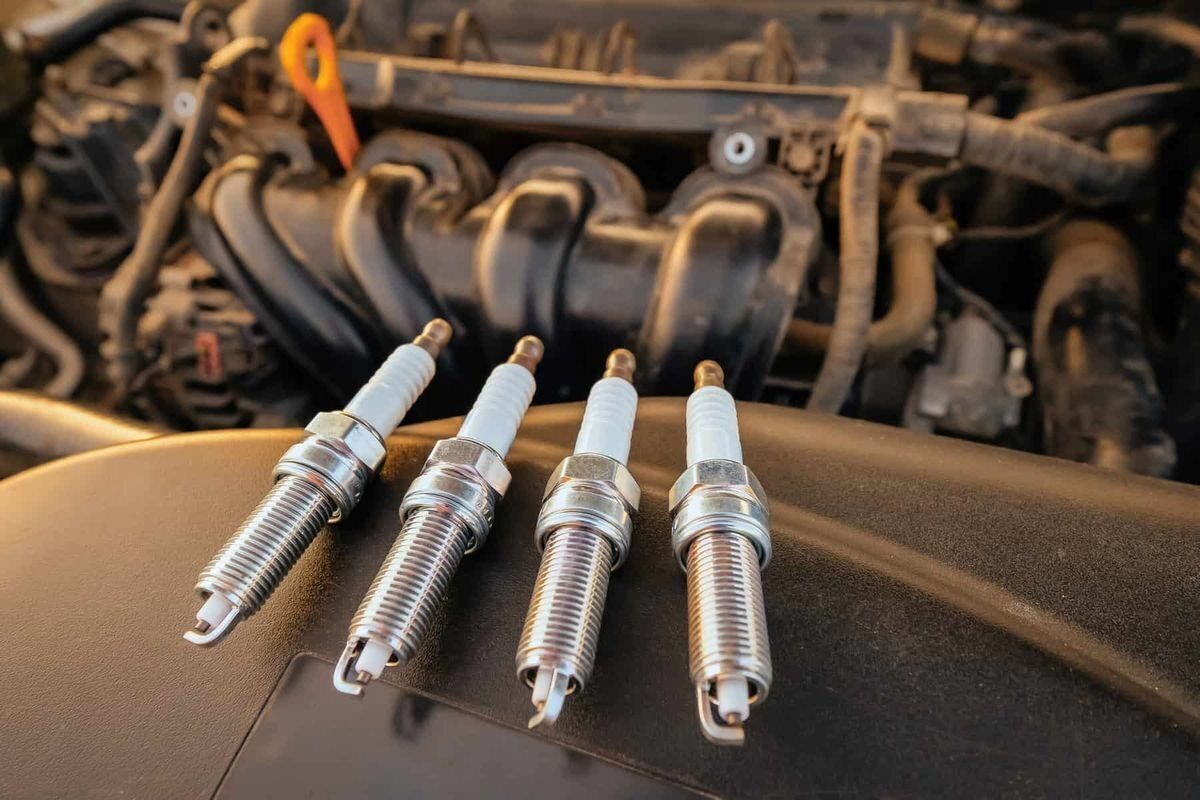
Spark plugs play a crucial role in a car’s engine. They create the spark needed to ignite the fuel-air mixture. This ignition powers the engine and keeps the car running smoothly. Without spark plugs, the engine would not start or function properly.
Ignition Process In Engines
The spark plug generates a small electrical spark inside the engine cylinder. This spark ignites the compressed fuel and air mixture. The resulting explosion pushes the piston down, creating power. This power drives the car’s wheels.
Each cylinder in the engine has a spark plug. The timing of the spark is very precise. It must occur at the right moment for efficient combustion.
Connection To Engine Performance
Good spark plugs improve fuel efficiency and engine power. Worn or dirty plugs can cause misfires or rough idling. This reduces engine performance and increases fuel consumption.
Regular spark plug checks help maintain smooth engine operation. They support better acceleration and reduce harmful emissions.
Credit: www.westsideauto.com.au
Types Of Spark Plugs
Spark plugs come in different types. Each type has unique materials and features. Choosing the right spark plug helps your car run better. Understanding these types can guide you in making a good choice.
Copper Spark Plugs
Copper spark plugs have a solid copper core. They provide excellent heat conductivity. These plugs heat up quickly and cool down fast. Copper plugs are affordable and reliable for older cars. They wear out faster than other types. Ideal for engines with low to moderate performance.
Platinum Spark Plugs
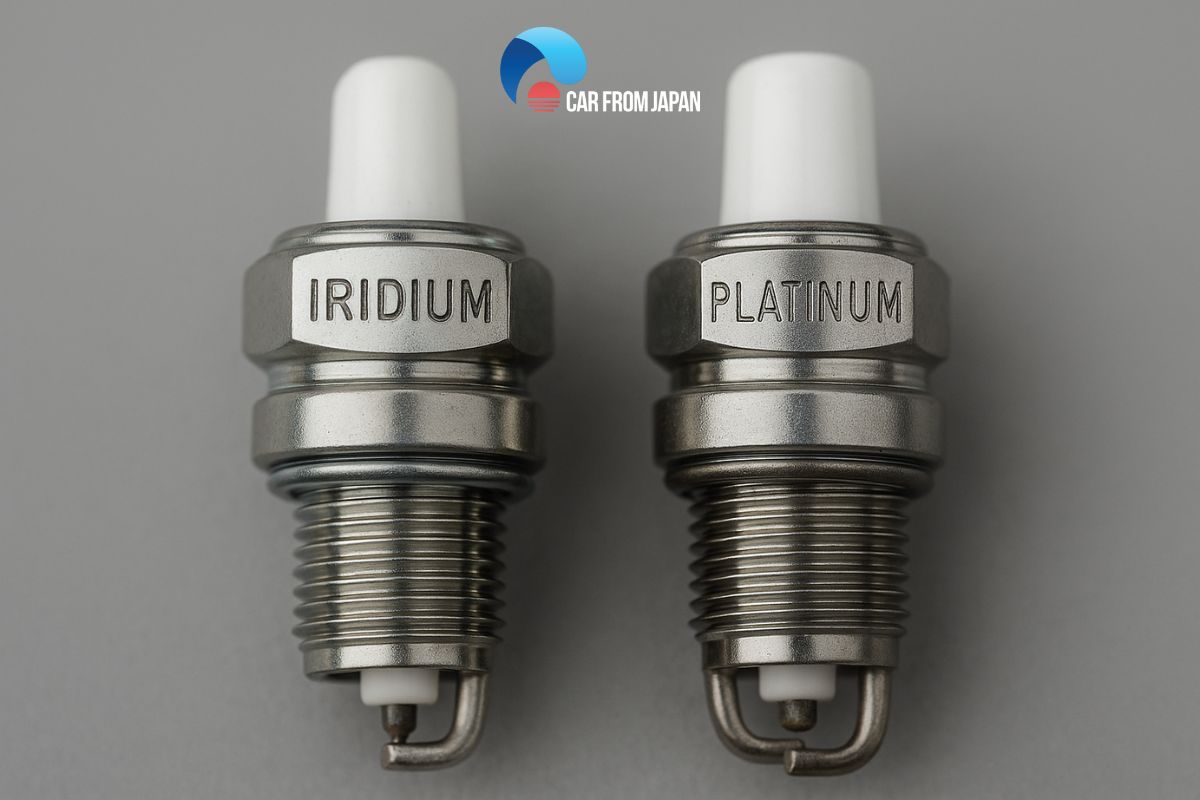
Platinum spark plugs use a platinum disc on the center electrode. They last longer than copper plugs. These plugs resist corrosion and wear well. Platinum plugs improve fuel efficiency slightly. They work well in modern engines with electronic ignition. A good balance between price and durability.
Iridium Spark Plugs
Iridium spark plugs feature a thin iridium tip on the electrode. Iridium is harder and more durable than platinum. These plugs last the longest among common types. They offer better ignition and fuel economy. Iridium plugs perform well in high-performance engines. They cost more but provide excellent value over time.
Signs Of Worn Spark Plugs
Worn spark plugs can quietly disrupt your car’s performance before you even realize there’s an issue. Recognizing the signs early helps you avoid costly repairs and keeps your engine running smoothly. Here are some common symptoms that indicate your spark plugs might need attention.
Engine Misfires And Rough Idle
If your engine suddenly stumbles or hesitates during acceleration, worn spark plugs could be the culprit. Misfires happen when the spark plug fails to ignite the fuel-air mixture properly, causing uneven combustion.
You might also notice the engine idling roughly or shaking more than usual. Have you felt your car’s engine vibrating at a stoplight? That’s a classic sign of spark plug trouble.
Reduced Fuel Efficiency
Is your fuel gauge dropping faster than it used to? Old spark plugs can reduce the efficiency of your engine’s combustion process. This means your car uses more fuel to go the same distance.
Pay attention if you find yourself refueling more often without changing your driving habits. It’s a clear hint that your spark plugs might be worn out and costing you money at the pump.
Difficulty Starting The Engine
Does your car take longer to start, or does it require multiple attempts to catch? Worn spark plugs can cause weak or inconsistent sparks, making ignition harder.
Think about the last time you struggled to start your vehicle on a cold morning. That frustrating delay can often be traced back to spark plug issues.
Choosing The Right Spark Plug
Choosing the right spark plug is essential for your car’s performance. The correct spark plug ensures smooth engine operation and better fuel efficiency. Picking the wrong spark plug can cause misfires and poor mileage. Understanding key factors helps make the best choice for your vehicle.
Matching Manufacturer Specifications
Always check your car’s manual for spark plug recommendations. Manufacturers specify plug types that fit the engine design. Using the exact type avoids damage and maintains engine health. Pay attention to size, thread pitch, and electrode design. Following these specs guarantees proper fit and function.
Considering Driving Conditions
Driving style affects spark plug choice. Short trips and stop-and-go traffic require plugs that resist fouling. Long highway drives need plugs that handle high temperatures well. Harsh weather or dusty areas may call for more durable spark plugs. Match plugs to your driving habits for best results.
Evaluating Heat Range
Heat range shows how fast a spark plug dissipates heat. A plug too hot can cause pre-ignition and engine knocking. A plug too cold may foul quickly and reduce performance. Choose a heat range that matches your engine’s operating temperature. Correct heat range keeps the engine running smoothly and safely.
Spark Plug Maintenance Tips
Keeping your spark plugs in top shape is key to maintaining your car’s performance. Neglecting them can lead to rough idling, poor fuel economy, and even engine misfires. Let’s look at some practical tips to help you take care of your spark plugs effectively.
Regular Inspection Intervals
Check your spark plugs regularly to catch issues before they become costly. Most manufacturers suggest inspecting them every 30,000 miles, but this varies based on your car model and driving habits.
Look for signs like worn electrodes, heavy deposits, or cracks. Have you noticed your engine running rough or struggling to start? Those could be red flags signaling it’s time for an inspection.
Proper Cleaning Techniques
Cleaning spark plugs can extend their life, but it must be done carefully. Avoid harsh wire brushes; instead, use a soft brush or spark plug cleaner designed for this purpose.
Remove carbon buildup and oil deposits gently to avoid damaging the electrodes. Remember, a clean spark plug fires better and improves your engine’s efficiency.
Correct Installation Procedures
Installing spark plugs correctly is just as important as maintaining them. Always use the right torque to avoid over-tightening or under-tightening, which can damage the plug or the engine.
Apply a small amount of anti-seize compound on the threads to prevent them from sticking. Do you have the right tools ready before you start? Proper preparation makes a big difference.
Performance Benefits
Understanding the performance benefits of spark plugs can change how you view your car’s maintenance. These small components play a big role in how efficiently your engine runs. Let’s break down what happens when your spark plugs are doing their job well and why it matters to you.
Improved Fuel Economy
Good spark plugs ignite the fuel-air mixture more efficiently. This means your engine burns fuel more completely, wasting less gas. Have you noticed your fuel gauge dropping faster than usual? It could be time to check your spark plugs.
With better combustion, your car needs less fuel to generate the same power. This leads to noticeable savings at the pump over time. Imagine driving longer distances without having to stop as often for fuel.
Enhanced Engine Power
When spark plugs work perfectly, your engine responds faster and smoother. The spark timing is precise, leading to stronger and more reliable power output. Ever felt your car lag or hesitate? Worn spark plugs might be the culprit.
Replacing old spark plugs can restore your engine’s punch, making acceleration feel sharper. This improvement is especially noticeable during uphill drives or when carrying heavy loads. Don’t you want your car to perform at its best every time you hit the road?
Reduced Emissions
Efficient spark plugs help reduce harmful exhaust emissions. By ensuring complete fuel combustion, they lower the amount of unburned fuel released into the air. This not only benefits the environment but also helps your car pass emission tests.
Cleaner combustion means less buildup inside the engine, which can extend its lifespan. How often do you think about the environmental impact of your daily drive? Paying attention to spark plugs is a simple way to make a difference.
Upgrading Spark Plugs
Upgrading spark plugs can make a noticeable difference in how your car runs. It’s more than just routine maintenance—choosing the right spark plugs can improve engine efficiency and even boost performance. But how do you know when it’s time to upgrade, and what should you look for in performance spark plugs?
When To Upgrade
Pay attention to your car’s performance. If you notice rough idling, difficulty starting, or decreased fuel efficiency, your spark plugs might be due for an upgrade.
Also, check your owner’s manual for the recommended replacement interval. Most spark plugs last between 30,000 and 100,000 miles, depending on the type.
Don’t wait for problems to get worse—upgrading at the right time can save you from costly repairs down the line.
Choosing Performance Spark Plugs
Performance spark plugs come in various materials like iridium, platinum, and copper. Iridium plugs last longer and provide a stronger spark, ideal for high-performance or newer engines.
Consider your driving style too. If you push your car hard or use it for towing, performance plugs can handle the extra stress better.
- Iridium plugs: Longer lifespan, better ignition
- Platinum plugs: Good balance of cost and durability
- Copper plugs: Less expensive but wear out faster
Impact On Vehicle Longevity
Upgrading spark plugs isn’t just about immediate performance—it also protects your engine’s health. Clean, efficient sparks reduce carbon buildup and prevent misfires.
By keeping your engine running smoothly, you lower the risk of damaging other components like the catalytic converter.
Have you ever thought that a simple spark plug upgrade could extend your car’s life? It’s a small change with big benefits for your vehicle’s future.
Credit: carfromjapan.com
Frequently Asked Questions
What Is The Main Function Of Spark Plugs In A Car?
Spark plugs ignite the air-fuel mixture inside the engine cylinders. This ignition creates the explosion needed to power the engine. Without spark plugs, the engine won’t start or run efficiently.
How Often Should Spark Plugs Be Replaced?
Spark plugs typically need replacement every 30,000 to 100,000 miles. The exact interval depends on the vehicle and spark plug type. Regular replacement ensures optimal engine performance and fuel efficiency.
Can Faulty Spark Plugs Cause Engine Problems?
Yes, faulty spark plugs can cause misfires, poor acceleration, and rough idling. They may also reduce fuel efficiency and increase emissions. Timely maintenance prevents these common engine issues.
Are All Spark Plugs The Same For Every Car?
No, spark plugs vary by vehicle make, model, and engine type. Using the correct spark plug ensures proper engine performance and longevity. Always check the manufacturer’s recommendations before replacement.
Conclusion
Spark plugs help your car start and run smoothly. They create sparks that ignite the fuel inside the engine. Without good spark plugs, your car may run poorly or not start at all. Regularly checking and changing spark plugs keeps your engine healthy.
Clean and working spark plugs improve fuel efficiency and reduce emissions. Remember, simple care for spark plugs saves you time and money later. They are small parts with a big job in your car. Take care of them, and your car will thank you.





