Are you noticing your car acting up lately? Maybe it’s struggling to start, or the engine feels rough when you’re driving.
These could be warning signs that your spark plugs are failing. Spark plugs play a crucial role in your car’s performance, and when they go bad, it affects everything from fuel efficiency to engine power. If you want to avoid costly repairs and keep your vehicle running smoothly, it’s important to recognize the signs early.
Keep reading to discover the key symptoms of bad spark plugs and what you should do next.

Credit: www.reddit.com
Engine Misfires
Engine misfires are a clear sign that your spark plugs may be failing. When a spark plug doesn’t fire correctly, the fuel-air mixture in the cylinder won’t ignite properly. This causes the engine to run unevenly, which you’ll often feel as a sudden jerk or hesitation while driving.
Causes Of Misfires
Misfires often occur because the spark plugs are worn out or dirty. Carbon buildup, oil leaks, or incorrect spark plug gaps can stop the spark from jumping across the plug’s electrodes. Sometimes, faulty ignition coils or damaged wiring play a role, but bad spark plugs are usually the main culprit.
Impact On Performance
When your engine misfires, you’ll notice a drop in power and fuel efficiency. The car might struggle to accelerate smoothly, making everyday driving frustrating. Plus, continuous misfires can damage the catalytic converter, leading to more expensive repairs down the road.

Credit: www.reddit.com
Poor Fuel Economy
Poor fuel economy is a common sign of bad spark plugs. When spark plugs fail, they affect how efficiently your engine burns fuel. This leads to more fuel use and higher costs at the pump. Noticing a drop in miles per gallon can save you money and trouble.
How Spark Plugs Affect Fuel Use
Spark plugs create the spark needed to ignite the fuel-air mix in the engine. If they are worn or dirty, the spark is weak or inconsistent. This causes incomplete fuel burning. The engine then uses extra fuel to make up for lost power. Bad spark plugs can lower fuel efficiency by 10% or more.
Also, poor ignition leads to rough engine performance. Your car may feel sluggish or hesitate during acceleration. These issues push the engine to work harder and consume more fuel.
Detecting Fuel Efficiency Drops
Watch your fuel gauge closely. If you fill up often but drive the same distance, spark plugs might be the cause. Pay attention to these signs:
- More frequent trips to the gas station
- Lower miles per gallon than usual
- Engine misfires or rough idling
- Difficulty starting the engine
Keep a log of your fuel use. Compare current data with past records. Sudden drops in fuel economy often point to spark plug problems.
Difficulty Starting The Engine
Difficulty starting your engine can be frustrating, especially when you need your car to be reliable. One common cause is bad spark plugs, which play a crucial role in the ignition process. If your engine struggles to start, it’s a clear sign that your spark plugs might need attention.
Role Of Spark Plugs In Ignition
Spark plugs create the spark that ignites the air-fuel mixture inside the engine’s cylinders. This ignition is what powers your engine and gets it running. Without a strong, consistent spark, your engine won’t start smoothly or may fail to start at all.
Think of spark plugs as tiny ignition switches. When they wear out, the spark weakens or becomes inconsistent. This leads to incomplete combustion and makes the engine work harder to start.
Signs Of Hard Starts
When spark plugs are failing, you might notice your engine cranking longer than usual before it fires up. Sometimes, it may not start on the first try, requiring multiple attempts. Have you ever turned the key and heard your engine sputter or cough before starting? That’s a red flag.
Other signs include:
- Engine hesitation or stalling right after starting
- Rough idling or unusual noises during startup
- Increased fuel consumption as the engine struggles to ignite properly
Next time your car hesitates to start, ask yourself: Could worn spark plugs be the culprit? Checking and replacing them could save you from being stranded unexpectedly.
Credit: www.waynesgarageinc.net
Rough Idling
Rough idling is one of the most noticeable signs that your engine isn’t running smoothly. When your car engine shakes or vibrates unusually while idling, it often means something is off with the combustion process. This can lead to a frustrating driving experience and might indicate deeper mechanical problems.
Symptoms Of Rough Idle
You might notice your vehicle shaking or trembling more than usual when stopped at a light or in park. The engine sound may change, becoming louder or uneven with occasional sputtering. Sometimes, the RPM gauge fluctuates erratically, showing inconsistent engine speed.
- Car vibrates or shakes noticeably while idling
- Engine sound becomes rough or uneven
- Occasional stalling or sputtering at stop
- Fluctuating RPMs on the dashboard
Have you ever felt your car trembling just as you release the clutch or brake? That’s a common example of rough idle in action, and it usually hints at underlying engine issues that need attention.
Connection To Spark Plug Issues
Spark plugs play a key role in igniting the air-fuel mixture inside your engine. When spark plugs wear out or get fouled, the ignition becomes weak or inconsistent. This leads directly to rough idling because the engine cylinders aren’t firing properly.
Bad spark plugs can cause misfires, which feel like sudden jerks or pauses in engine power. If you ignore these signs, your fuel efficiency drops and engine performance worsens. Have you checked your spark plugs lately? It might be time to inspect or replace them to restore smooth idling and better driving comfort.
Reduced Acceleration
Reduced acceleration is one of the first signs you might notice when your spark plugs start to fail. Your car doesn’t respond as quickly when you press the gas pedal, and it may struggle to reach higher speeds. This sluggishness can make driving frustrating, especially if you rely on quick bursts of power for merging or overtaking.
Performance Loss Indicators
Have you felt your car hesitate or jerk during acceleration? That’s a common sign of worn-out spark plugs. Other indicators include:
- Engine misfires or rough idling
- Poor fuel efficiency even after a full tank
- Difficulty starting the engine
Each of these symptoms points toward your spark plugs not firing properly. Ignoring them can lead to bigger engine problems down the road.
Spark Plug Impact On Power
Your spark plugs are essential for igniting the air-fuel mixture in the engine’s cylinders. If they’re dirty or damaged, the combustion process becomes weak or inconsistent.
This leads directly to less power being produced. Imagine trying to run a race with one shoe untied—your performance drops, right? Your vehicle experiences the same drop in power due to faulty spark plugs.
Have you checked your spark plugs lately? Sometimes, simply replacing them can restore your car’s acceleration and overall driving experience.
Check Engine Light Activation
The check engine light is one of the most common warnings you might see on your dashboard. It often signals that something is wrong with your vehicle’s engine or emissions system. But did you know that bad spark plugs can trigger this light?
Ignoring the check engine light can lead to bigger problems. Understanding why it comes on can help you act quickly and avoid costly repairs. Let’s look at what this light means and how it relates to your spark plugs.
What The Light Means
The check engine light activates when your car’s computer detects an issue affecting engine performance or emissions. It doesn’t specify the problem but points you to an area that needs attention.
This light can turn on due to many reasons like a loose gas cap, oxygen sensor failure, or misfiring cylinders. If your spark plugs are worn or damaged, they may cause the engine to misfire, which trips the check engine light.
Have you ever noticed a sudden drop in fuel efficiency or rough idling just before the light came on? These symptoms often accompany spark plug problems and can help you identify the cause faster.
Spark Plug Related Codes
When the check engine light is on, a diagnostic trouble code (DTC) is stored in your car’s computer. Some of these codes directly point to spark plug issues.
- P0300– Random/Multiple Cylinder Misfire Detected
- P0301– Cylinder 1 Misfire Detected
- P0302– Cylinder 2 Misfire Detected
- P0303– Cylinder 3 Misfire Detected
- P0304– Cylinder 4 Misfire Detected
These misfire codes often indicate that spark plugs are not firing properly. Worn electrodes or fouling can cause this failure. Checking these codes with an OBD-II scanner can help you confirm if spark plugs are the culprit.
Have you ever checked your codes yourself? It’s a simple step that could save you time and money by pointing directly to the spark plugs before replacing other parts.
Visual Inspection Signs
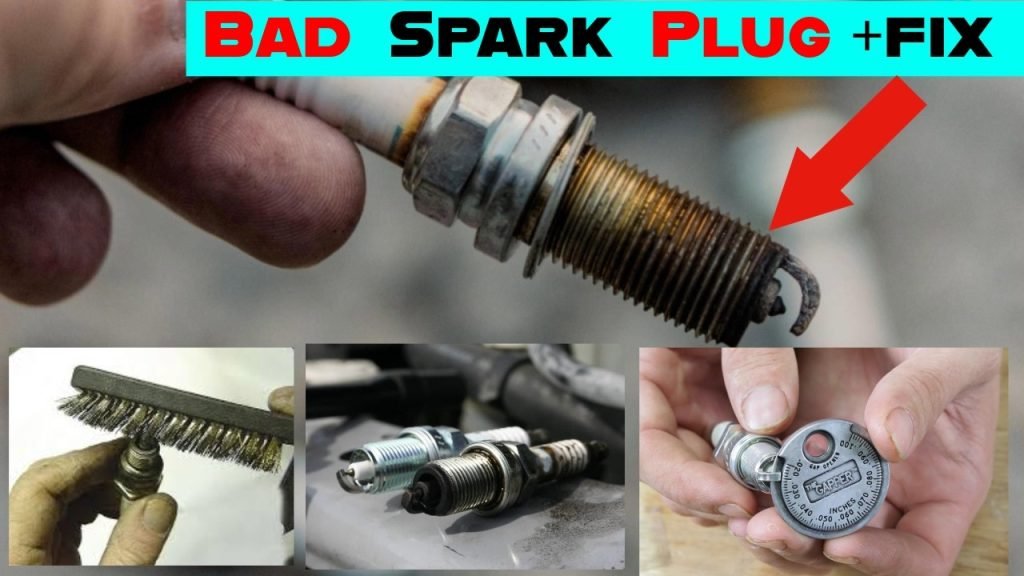
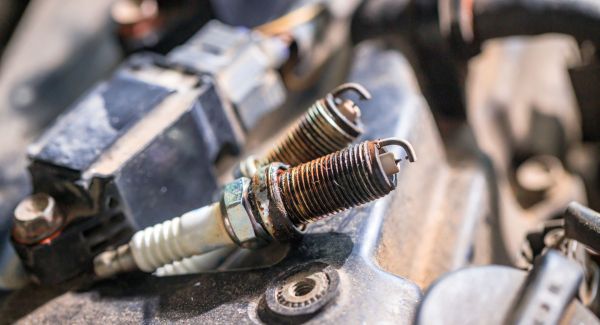
Visual inspection is a simple way to check spark plugs for problems. By removing the spark plug from the engine, you can look for clear signs of wear or damage. These signs help identify if a spark plug needs replacement. Visual cues are often the first hints of engine issues. Here are common visual inspection signs to watch for.
Carbon Deposits
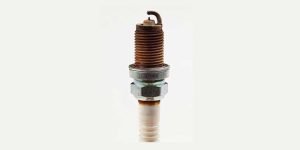
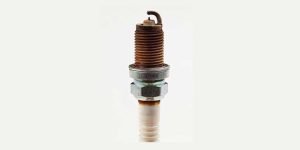
Carbon deposits appear as black, dry soot on the spark plug tip. This buildup blocks the spark and reduces engine efficiency. It often means the engine is running too rich or the air filter is dirty. Heavy carbon deposits cause misfires and poor fuel economy. Cleaning or changing the spark plugs can fix this problem.
Worn Or Damaged Electrodes
Electrodes wear down over time from constant sparking. Look for rounded or eroded edges on the center and ground electrodes. Cracked or broken electrodes also signal trouble. Worn electrodes create weak sparks that lead to rough idling and hard starts. Replacing spark plugs with damaged electrodes restores smooth engine performance.
Noise And Vibration Changes
Changes in noise and vibration are often the first signs your spark plugs might be failing. These small components play a big role in how smoothly your engine runs. When they start to go bad, you’ll notice shifts in the sounds and feelings coming from your vehicle.
Unusual Engine Sounds
Have you ever heard a popping or sputtering noise coming from your engine? This can happen when spark plugs misfire or struggle to ignite the fuel properly. The engine might sound rough or uneven, especially when idling or accelerating.
Listen closely for:
- Knocking or pinging sounds
- Backfiring noises
- Unsteady engine rhythm
These unusual sounds indicate that combustion isn’t happening smoothly. Ignoring them can lead to lower fuel efficiency and even engine damage over time.
Vibration Patterns Linked To Spark Plugs
Do you feel more vibrations than usual when driving or at a stoplight? Faulty spark plugs can cause your engine to run unevenly, creating noticeable shaking or trembling.
Common vibration signs include:
- Shaking in the steering wheel
- Vibrations felt through the pedals or seat
- Rough idling that makes the car feel unstable
These vibrations happen because the engine cylinders aren’t firing at the right time. If you experience this, it’s a good idea to have your spark plugs checked before the problem worsens. Have you noticed any new noises or shakes lately? Paying attention now can save you costly repairs later.
Frequently Asked Questions
What Are Common Symptoms Of Bad Spark Plugs?
Bad spark plugs cause engine misfires, rough idling, and poor acceleration. You may also notice reduced fuel efficiency and difficulty starting your vehicle.
How Do Bad Spark Plugs Affect Engine Performance?
They disrupt the combustion process, leading to uneven power delivery. This results in sluggish acceleration, engine hesitation, and increased emissions.
Can Bad Spark Plugs Cause Engine Misfires?
Yes, worn or fouled spark plugs often cause engine misfires. Misfires can damage the catalytic converter and reduce overall engine reliability.
How Often Should Spark Plugs Be Replaced?
Typically, spark plugs should be replaced every 30,000 to 100,000 miles. Check your vehicle’s manual for specific recommendations to maintain optimal performance.
Conclusion
Spotting bad spark plugs is crucial for your car’s health. They affect engine performance and fuel efficiency. Misfires, rough idling, and slow acceleration signal issues. Regular checks help catch problems early. Replace spark plugs as needed to avoid costly repairs.
Keeping your car running smoothly depends on it. Simple maintenance can prevent bigger headaches down the road. Be proactive and attentive. Your vehicle will thank you with better performance and longevity. Stay informed and drive safely. Always listen to your car.
It speaks to you through its performance.