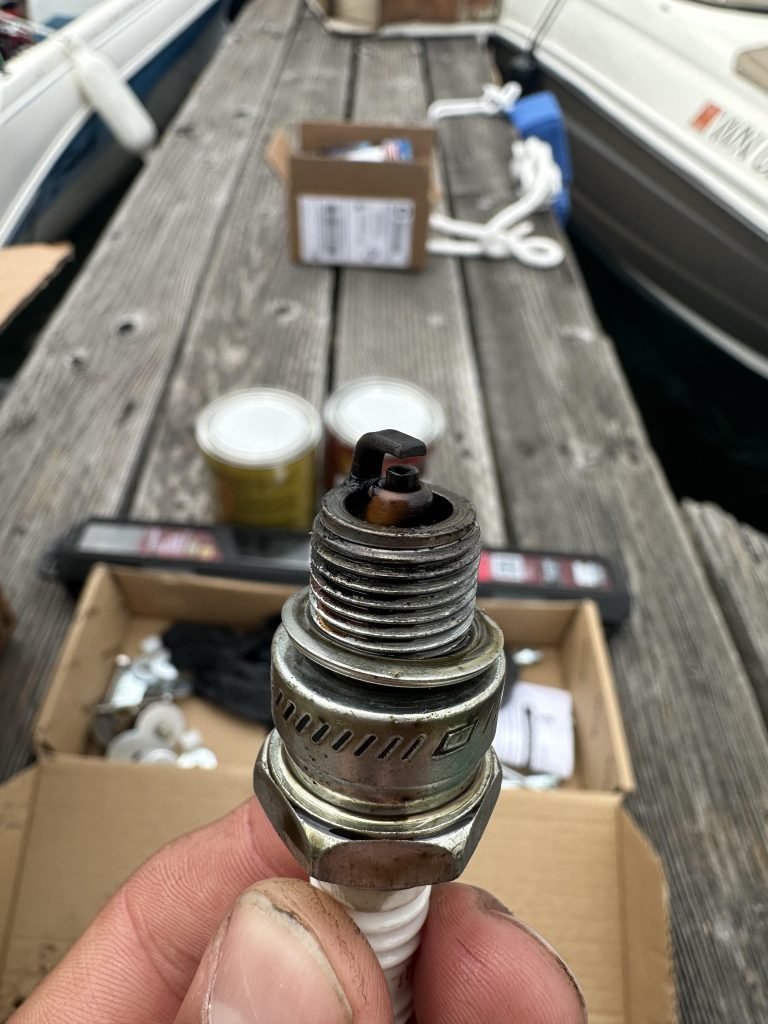
Have you ever noticed your car struggling to start or running rough? The culprit might be fouled spark plugs.
These small but vital parts play a huge role in your engine’s performance. When they get dirty or damaged, your car can lose power, waste fuel, or even stall unexpectedly. Understanding what fouled spark plugs are and how they affect your vehicle can save you time, money, and stress.
Keep reading to learn how to spot the signs, what causes this problem, and what you can do to fix it before it becomes a bigger issue.

Credit: www.youtube.com
Fouled Spark Plugs Explained
Understanding fouled spark plugs is crucial for anyone who wants to keep their vehicle running smoothly. These small but vital components can cause big problems when they don’t work right. Let’s break down what fouled spark plugs really are and why they matter to your car’s performance.
What Are Fouled Spark Plugs?
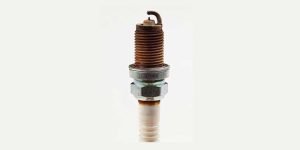
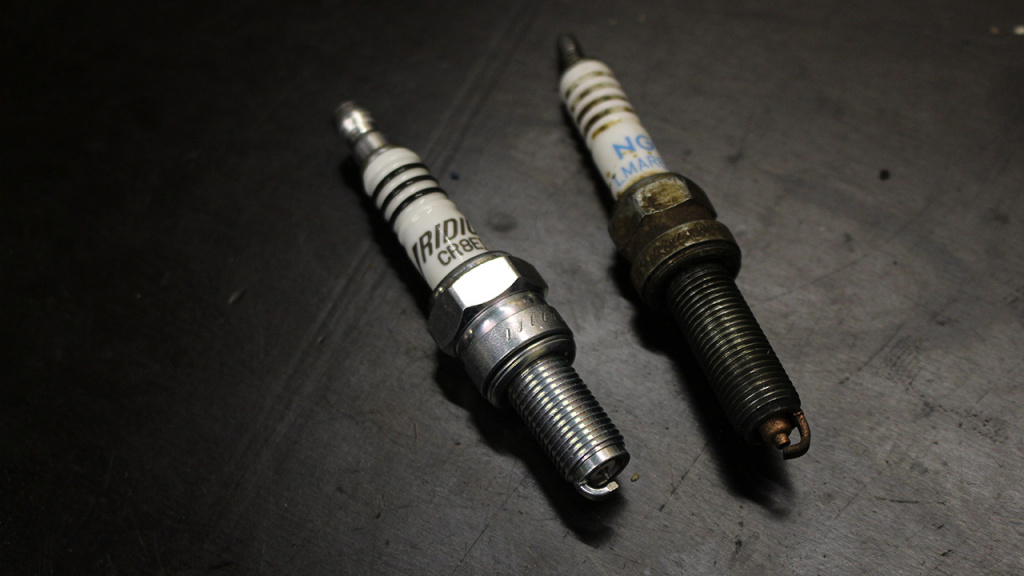
Fouled spark plugs are spark plugs that have become dirty or coated with substances like oil, carbon, or fuel deposits. This buildup prevents the spark plug from firing properly, which can cause misfires or trouble starting your engine.
Think of a spark plug as the ignition source for your engine’s combustion. When it’s fouled, that spark weakens or disappears, impacting your car’s power and fuel efficiency.
Common Causes Of Fouled Spark Plugs
Several things can foul spark plugs, including:
- Excessive oil leaking into the combustion chamber
- Rich fuel mixtures that leave carbon deposits
- Worn-out or damaged ignition components
- Short trips that don’t allow the engine to reach proper temperature
Have you ever noticed your car stalling after short drives? That could be your spark plugs struggling with fuel residue buildup.
Signs Your Spark Plugs May Be Fouled
You might notice your engine running rough, reduced acceleration, or increased fuel consumption. Sometimes, the check engine light comes on as a warning.
Pay attention to how your car behaves after fueling up or during cold starts—these moments often reveal spark plug troubles.
How Fouled Spark Plugs Affect Engine Performance
When spark plugs are fouled, your engine doesn’t burn fuel efficiently. This leads to poor acceleration, rough idling, and higher emissions.
Imagine trying to light a campfire with wet matches—it’s a similar struggle for your engine’s combustion process.
Preventing Spark Plug Fouling
Regular maintenance is key. Use the right fuel mixture, change oil on time, and replace spark plugs as recommended by your vehicle’s manual.
Address engine problems early—ignoring oil leaks or ignition issues invites fouled plugs and bigger repairs.
Common Causes Of Fouling
Fouled spark plugs can cause your engine to misfire, lose power, or even stall unexpectedly. Understanding what causes fouling helps you avoid these issues before they damage your vehicle. Let’s dive into some of the most common reasons spark plugs get fouled and how they affect your engine’s performance.
Oil Contamination
Oil on the spark plug can prevent it from firing properly. This usually happens when worn valve guides or piston rings allow oil to leak into the combustion chamber. If you notice black, greasy deposits on your spark plugs, oil contamination might be the culprit.
Have you checked your engine oil level recently? Too much oil or poor engine condition could lead to this problem. Fixing oil leaks early can save you from frequent spark plug replacements.
Carbon Buildup
Carbon deposits form when fuel doesn’t burn completely. This leaves a dry, black soot on the spark plug’s electrode and insulator. Driving short distances or idling too often can cause this buildup since the engine doesn’t reach optimal temperature.
Think about your daily driving habits. Are you mostly stuck in traffic or running quick errands? Changing these habits can help reduce carbon fouling and improve your engine’s efficiency.
Fuel Additives
Certain fuel additives can leave behind residues that coat the spark plug. While additives are meant to clean the engine, some may react poorly under specific conditions. Overusing or mixing incompatible additives can lead to deposits that foul the spark plug.
Do you rely on fuel additives regularly? Consider cutting back or switching brands if you notice fouling. Your spark plugs will thank you with better performance and longer life.
Rich Fuel Mixture
A fuel mixture with too much gasoline and not enough air is called “rich.” This causes unburned fuel to coat the spark plug, leading to wet, black fouling. Problems like a clogged air filter or faulty fuel injectors often cause rich mixtures.
Have you checked your air filter or fuel system lately? Simple maintenance can prevent rich fuel mixtures and keep your spark plugs clean. It’s a small step with a big impact on your engine’s health.
Signs Your Spark Plugs Are Fouled
Recognizing the signs of fouled spark plugs early can save you from costly repairs and keep your vehicle running smoothly. Spark plugs play a crucial role in igniting the air-fuel mixture in your engine, and any issues with them can disrupt your car’s performance. Paying attention to subtle changes in how your car behaves can help you spot fouled spark plugs before they cause bigger problems.
Engine Misfires
One of the most common signs of fouled spark plugs is engine misfires. Your engine may hesitate or jerk during acceleration, making your drive feel unstable. Have you noticed your car suddenly losing power or stuttering when you hit the gas? This often means the spark plugs aren’t firing correctly, causing incomplete combustion.
Poor Fuel Economy
If your fuel efficiency drops suddenly, fouled spark plugs might be to blame. Dirty or damaged plugs burn fuel less efficiently, which means your engine needs more gas to run. This problem can quietly eat away at your wallet, so keep an eye on your mileage to catch any unexpected drops.
Difficulty Starting
When spark plugs foul, starting your engine can become a real challenge. You might find yourself turning the key longer than usual or hearing unusual sounds before the engine fires up. If your car hesitates or fails to start quickly, it’s a strong signal that your spark plugs need attention.
Rough Idling
Does your car shake or vibrate when idling? Rough idling often points to fouled spark plugs not firing consistently. This can cause uneven engine performance and make your vehicle feel less stable when stopped. Paying attention to how your car behaves at a standstill can reveal early spark plug trouble.

Credit: www.reddit.com
Quick Fixes For Fouled Spark Plugs
Fouled spark plugs cause poor engine performance and trouble starting your vehicle. Quick fixes can restore smooth running and save time. These simple steps help clear the problem fast.
Cleaning Spark Plugs
Remove the spark plugs carefully from the engine. Use a wire brush to clean off carbon deposits and dirt. Spray spark plug cleaner on stubborn grime. Let the plugs dry completely before reinstalling. Clean plugs improve ignition and fuel efficiency.
Replacing Spark Plugs
Sometimes cleaning is not enough. Old or damaged spark plugs need replacement. Choose the correct spark plug type for your engine. Use a spark plug socket to remove the old plugs. Install new plugs by hand first, then tighten with a wrench. New plugs ensure reliable sparks and better engine power.
Adjusting Fuel Mixture
Rich fuel mixtures cause spark plug fouling. Adjust the carburetor or fuel injection system to fix this. Lower the fuel mixture slightly to reduce carbon buildup. Proper fuel balance helps plugs last longer and improves engine performance.
Regular Maintenance Tips
- Check spark plugs every 10,000 miles or as recommended.
- Inspect ignition wires and replace if worn.
- Keep air filters clean to prevent dirt entering the engine.
- Use high-quality fuel to reduce deposits.
- Follow the vehicle’s maintenance schedule strictly.
Preventing Future Fouling
Preventing fouled spark plugs is key to keeping your engine running smoothly and avoiding costly repairs. Once you understand the common causes, you can take simple steps to protect your spark plugs from future fouling. These tips focus on daily habits and maintenance routines that make a real difference.
Using Quality Fuel
Choosing the right fuel for your vehicle is more important than you might think. Low-quality fuel can leave deposits on spark plugs, causing misfires and poor engine performance.
Try to fill up at reputable stations and consider fuels with detergents that help keep your engine clean. Have you noticed a difference in engine response after switching to higher-grade fuel?
Timely Engine Tune-ups
Regular tune-ups allow mechanics to catch issues that lead to spark plug fouling early. Replacing air filters, adjusting ignition timing, and checking fuel injectors all help your engine burn fuel efficiently.
Skipping tune-ups may save time now, but it often leads to spark plugs fouling faster. Think about how much smoother your car runs after a professional check—wouldn’t that be worth the effort?
Avoiding Short Trips
Short trips don’t give your engine enough time to reach optimal operating temperature. This can cause incomplete fuel combustion, leaving residue on your spark plugs.
Try combining errands or taking longer drives occasionally to fully warm up your engine. Have you ever noticed your car running rough after frequent short stops?
Monitoring Engine Oil
Dirty or low engine oil can contribute to spark plug fouling by increasing engine deposits. Checking your oil level and quality regularly helps prevent this problem.
Change your oil based on your vehicle’s schedule or sooner if you drive in harsh conditions. When was the last time you checked your oil—could it be overdue?
Credit: finntrail.com
Frequently Asked Questions
What Causes Spark Plugs To Become Fouled?
Spark plugs foul due to oil, carbon, or fuel deposits. Poor combustion, worn piston rings, or rich fuel mix cause buildup. Fouling blocks spark, reducing engine efficiency and causing misfires.
How Do Fouled Spark Plugs Affect Engine Performance?
Fouled spark plugs cause rough idling, poor acceleration, and reduced fuel efficiency. Misfires increase emissions and can damage the catalytic converter. Timely replacement ensures smooth engine operation.
Can Fouled Spark Plugs Be Cleaned Or Should They Be Replaced?
Light fouling can be cleaned using a wire brush or spark plug cleaner. However, heavy fouling or damaged plugs should be replaced to ensure proper engine function.
How Often Should Spark Plugs Be Checked For Fouling?
Check spark plugs every 30,000 miles or during regular maintenance. Frequent checks prevent fouling issues and maintain optimal engine performance.
Conclusion
Fouled spark plugs can impact your car’s performance. Regular checks are essential. Keeping spark plugs clean ensures smooth engine function. It also helps save fuel and money. Ignoring fouled plugs might lead to bigger issues. So, always pay attention to them.
A small fix can prevent major repairs. Understanding symptoms can help you act fast. Remember, your engine’s health depends on good spark plugs. Taking care of them is simple and beneficial. Keep your vehicle running efficiently with this basic maintenance.
Your car will thank you.