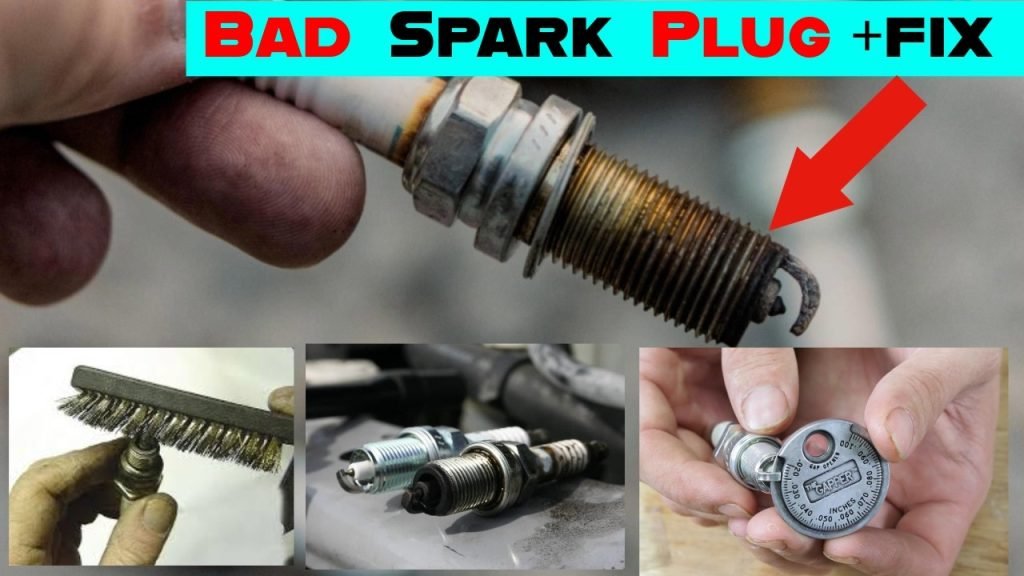
Imagine you’re driving down the highway, and suddenly your car starts to sputter and lose power. It’s a frustrating experience, right?
One common culprit could be a bad spark plug. But how can you tell if your spark plug is the one causing the trouble? Recognizing the signs of a failing spark plug can save you time, money, and a lot of headaches.
By the end of this article, you’ll know exactly what to look for and how to identify a spark plug that’s gone bad. Don’t let a simple problem turn into a costly repair. Stick around to learn how you can keep your engine running smoothly and your drive uninterrupted.

Credit: www.reddit.com
Common Signs Of A Bad Spark Plug
Bad spark plugs can cause many engine problems. They affect how your car runs and uses fuel. Recognizing common signs of a bad spark plug helps avoid bigger issues. Watch for these symptoms to keep your engine healthy.
Engine Misfires
An engine misfire happens when the spark plug fails to ignite the fuel properly. This causes the engine to run unevenly or jerk. You might feel a sudden pause or loss of power while driving. Misfires can damage other engine parts if not fixed quickly.
Poor Fuel Economy
Bad spark plugs waste fuel by not burning it fully. Your car may need more gas to run the same distance. This leads to more trips to the gas station and higher costs. Checking spark plugs can improve fuel efficiency.
Difficulty Starting Engine
Worn spark plugs make it hard to start the engine. The car may take longer to start or fail to start at all. This happens because the spark is weak or missing. Replacing bad plugs can fix this problem fast.
Rough Idling
A bad spark plug can cause rough idling, making the engine shake or sound uneven. The engine may run louder or feel unstable when stopped. This can make driving uncomfortable and signal the need for maintenance.

Credit: www.toyotanation.com
Visual Indicators On Spark Plugs
Visual signs on spark plugs reveal much about engine health. These indicators help spot issues early. Checking spark plugs can save time and money. Below are key visual clues of a bad spark plug.
Carbon Fouling
Carbon fouling looks like a black, dry soot on the plug tip. This happens when the engine runs too rich or the air filter is dirty. Fouling causes weak sparks and poor engine performance. The plug may feel rough or chalky.
Oil Deposits
Oil deposits appear as wet, oily spots on the spark plug. This means oil is leaking into the combustion chamber. Oil fouling causes misfires and rough idling. The plug tip looks shiny and dark with a slick texture.
Worn Electrodes
Worn electrodes show rounded or eroded edges on the metal parts. This happens from long use and high mileage. Worn electrodes increase the gap, reducing spark strength. The spark plug may struggle to ignite the fuel-air mix.
Cracked Insulator
The insulator is the white ceramic part around the electrode. Cracks here are easy to spot as lines or breaks. A cracked insulator causes misfires and poor engine starts. It also allows electrical leaks, reducing spark efficiency.
Effects Of Ignoring Bad Spark Plugs
Ignoring bad spark plugs can lead to a series of problems that directly affect your vehicle’s health and your driving experience. These small components play a huge role in how your engine runs. Over time, failing to replace worn-out spark plugs can cause noticeable issues that won’t just disappear on their own.
Engine Performance Decline
Have you noticed your car struggling to start or hesitating during acceleration? Bad spark plugs can cause misfires that make your engine run rough or stall unexpectedly. This decline in performance means your engine isn’t firing efficiently, which can leave you frustrated on the road.
Moreover, poor spark plug condition can reduce fuel efficiency. You might find yourself visiting the gas station more often without understanding why. Paying attention to spark plug health helps keep your engine responsive and your wallet happier.
Increased Emissions
Are you concerned about your vehicle’s environmental impact? Worn spark plugs can cause incomplete combustion, increasing harmful emissions. This not only affects air quality but may also cause your car to fail emissions tests.
Higher emissions mean your engine is burning fuel inefficiently. This can lead to a buildup of carbon deposits inside your engine, creating a cycle of worsening performance and pollution. Would you want your car to contribute more pollution just because of a small overlooked part?
Potential Engine Damage
Ignoring bad spark plugs doesn’t just affect daily driving—it can cause serious engine damage over time. Misfires and rough running put extra strain on your engine components, potentially leading to costly repairs.
Think about the last time your engine struggled. That stress can cause overheating or damage the catalytic converter. Catching spark plug issues early can save you from expensive fixes and keep your engine running smoothly for years.
Tips For Inspecting Spark Plugs
Inspecting spark plugs can tell you a lot about your engine’s health. Knowing what to look for saves you from costly repairs and keeps your vehicle running smoothly. Here are some straightforward tips to help you check your spark plugs like a pro.
Removing Spark Plugs Safely
Always make sure your engine is cool before you start. Hot engines can cause burns and damage spark plugs when removed.
Use a proper spark plug socket and a ratchet wrench to avoid stripping the plug or damaging the threads. Turn slowly and steadily to loosen the plug.
If a plug feels stuck, avoid forcing it. Apply a small amount of penetrating oil and wait a few minutes before trying again. This prevents breaking the plug inside the engine.
What To Look For
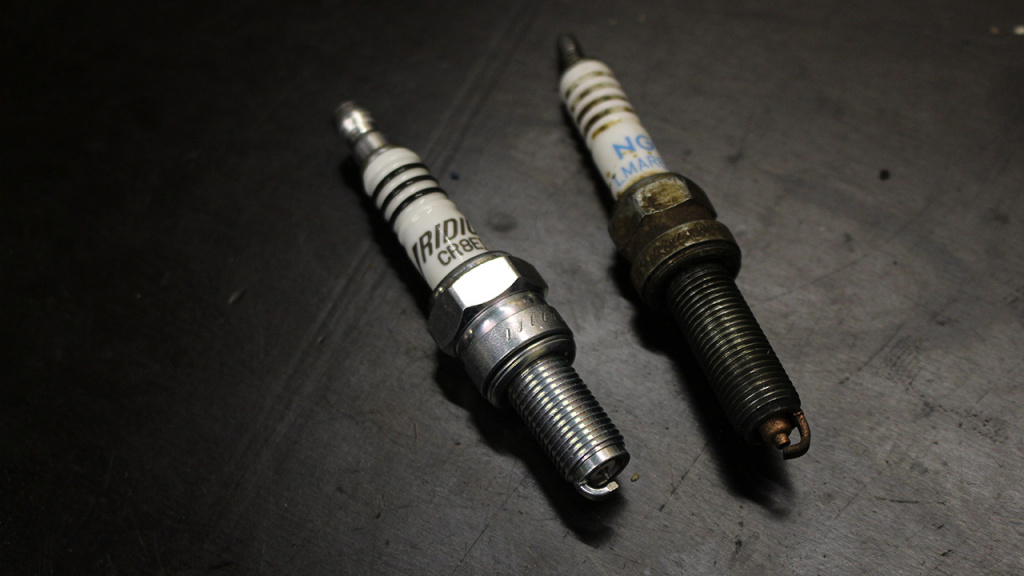
Look closely at the electrode and insulator. A healthy spark plug has a light tan or gray color.
Check for signs like:
- Black, sooty deposits– may indicate a rich fuel mixture or weak ignition.
- Oily residue– could mean oil is leaking into the combustion chamber.
- Cracked or broken insulator– a sign the plug needs immediate replacement.
- Worn electrodes– the gap widens with use, reducing spark quality.
Have you ever noticed your car struggling to start after inspecting these signs? That’s your engine telling you something’s off.
When To Replace
If your spark plug shows any damage or heavy deposits, replacement is necessary. Even if the plug looks okay, check your vehicle’s manual for recommended intervals.
Replacing plugs regularly keeps your engine efficient and can improve fuel economy. Don’t wait until your car sputters or stalls.
Remember, a simple spark plug inspection might save you from unexpected breakdowns. When was the last time you checked yours?
Credit: finntrail.com
Frequently Asked Questions
What Are Common Signs Of A Bad Spark Plug?
A bad spark plug shows signs like rough idling, poor acceleration, and engine misfires. It may also cause difficulty starting your vehicle. Visual cues include worn electrodes and heavy deposits. These symptoms affect engine performance and fuel efficiency.
How Can I Visually Identify A Bad Spark Plug?
Look for carbon fouling, oil deposits, or burnt electrodes on the spark plug. A healthy plug is clean with a light tan color. Cracks or melted electrodes indicate severe damage. Such visual signs confirm the spark plug needs replacement.
Can A Bad Spark Plug Cause Engine Misfires?
Yes, bad spark plugs often cause engine misfires by disrupting the ignition process. Misfires lead to rough running and reduced power. Replacing faulty plugs restores smooth engine performance and prevents further damage.
How Often Should Spark Plugs Be Checked For Damage?
Spark plugs should be inspected every 30,000 miles or as recommended by your vehicle’s manufacturer. Regular checks help catch early wear and prevent engine issues. Timely replacement ensures optimal engine efficiency and longevity.
Conclusion
Bad spark plugs can cause many car problems. You might notice rough idling or poor fuel economy. Checking spark plugs helps keep your engine healthy. Clean and well-functioning plugs improve performance and save money. Pay attention to signs like worn or dirty plugs.
Replace them on time to avoid bigger issues. Taking care of spark plugs extends your car’s life. Simple steps can prevent costly repairs later. Stay aware, and your vehicle will run smoothly.





