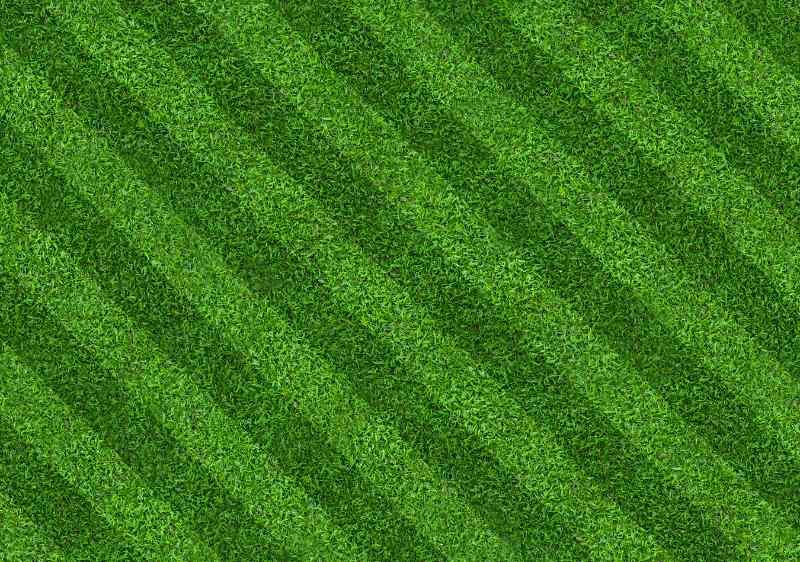
Want to make your lawn stand out with eye-catching diagonal stripes? You’re in the right place.
Creating perfect diagonal lawn stripes isn’t as hard as it sounds, and with the right tips, your yard can look professionally manicured in no time. Imagine your neighbors stopping by just to ask how you got that flawless pattern. Keep reading, and you’ll discover simple tricks that turn your ordinary grass into a stunning masterpiece you’ll be proud of every time you step outside.
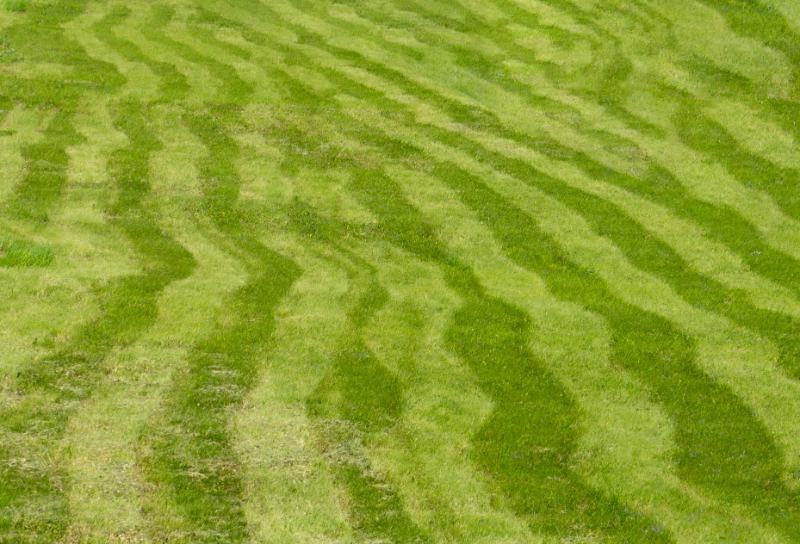
Credit: www.lawnstarter.com
Choosing The Right Grass
Choosing the right grassis key for clear diagonal lawn stripes. Some grasses bend easily, showing better stripe patterns. Cool-season grasses like Kentucky Bluegrassand Perennial Ryegrasswork well for stripes. They have a fine textureand grow densely. Warm-season grasses such as Bermuda grassand Zoysia grassalso create sharp stripes due to their stiff blades. A mix of these types suits different climates and lawns.
| Grass Type | Climate | Stripe Quality |
|---|---|---|
| Kentucky Bluegrass | Cool-season | Excellent |
| Perennial Ryegrass | Cool-season | Good |
| Bermuda grass | Warm-season | Very Good |
| Zoysia grass | Warm-season | Good |
Healthy grass shows stripes clearly. Mow regularly with a sharp blade to avoid tearing. Water the lawn deeply but less often to promote strong roots. Fertilize based on grass type and soil needs to keep the turf green. Control weeds and pests to prevent damage. Aerate soil yearly to improve air and water flow. These steps keep grass thick and striped.

Credit: www.youtube.com
Essential Tools
Lawn mowers with striping kitshelp create neat diagonal stripes. These kits have rollers that bend grass blades in different directions. This bending shows light and dark stripes on your lawn. Most striping kits fit on many mower models. They are easy to attach and use. The rollers also make stripes more visible and sharp. Mowing slowly improves stripe quality. Keep blades sharp for a clean cut.
Alternative striping toolsinclude lawn rollers and striping mats. Rollers press grass down for a smooth pattern. Striping mats can be dragged behind a mower or by hand. Both tools work well on flat lawns. Patterns depend on the tool’s width and weight. Using these tools after mowing makes stripes clearer. They offer a cost-friendly way to stripe lawns without special kits.
Preparing The Lawn
Set the mower heightto a level that suits your grass type. A height between 2.5 and 3.5 inches usually works best for stripes. Cutting too short can hurt the grass and ruin the pattern.
Remove sticks, stones, and leavesbefore mowing. These obstacles can damage your mower and create uneven stripes. Clear the lawn fully for a smooth finish.
Marking Diagonal Lines
String lineshelp in creating straight paths. Stretch a string across the lawn. Fix it with stakes at both ends. Check if the string is tight and straight. Chalk lines work similarly. They leave a visible mark on the grass. This helps guide the mower. Always follow the linefor neat stripes.
Measuring is keyfor even lawn stripes. Use a tape measure for accuracy. Measure the distance between stripes. Keep the distance equal for all lines. This ensures your lawn looks tidy and consistent. Adjust the mower’s path if needed. Recheck measurements often. This helps maintain beautiful diagonal stripes.
Mowing Techniques
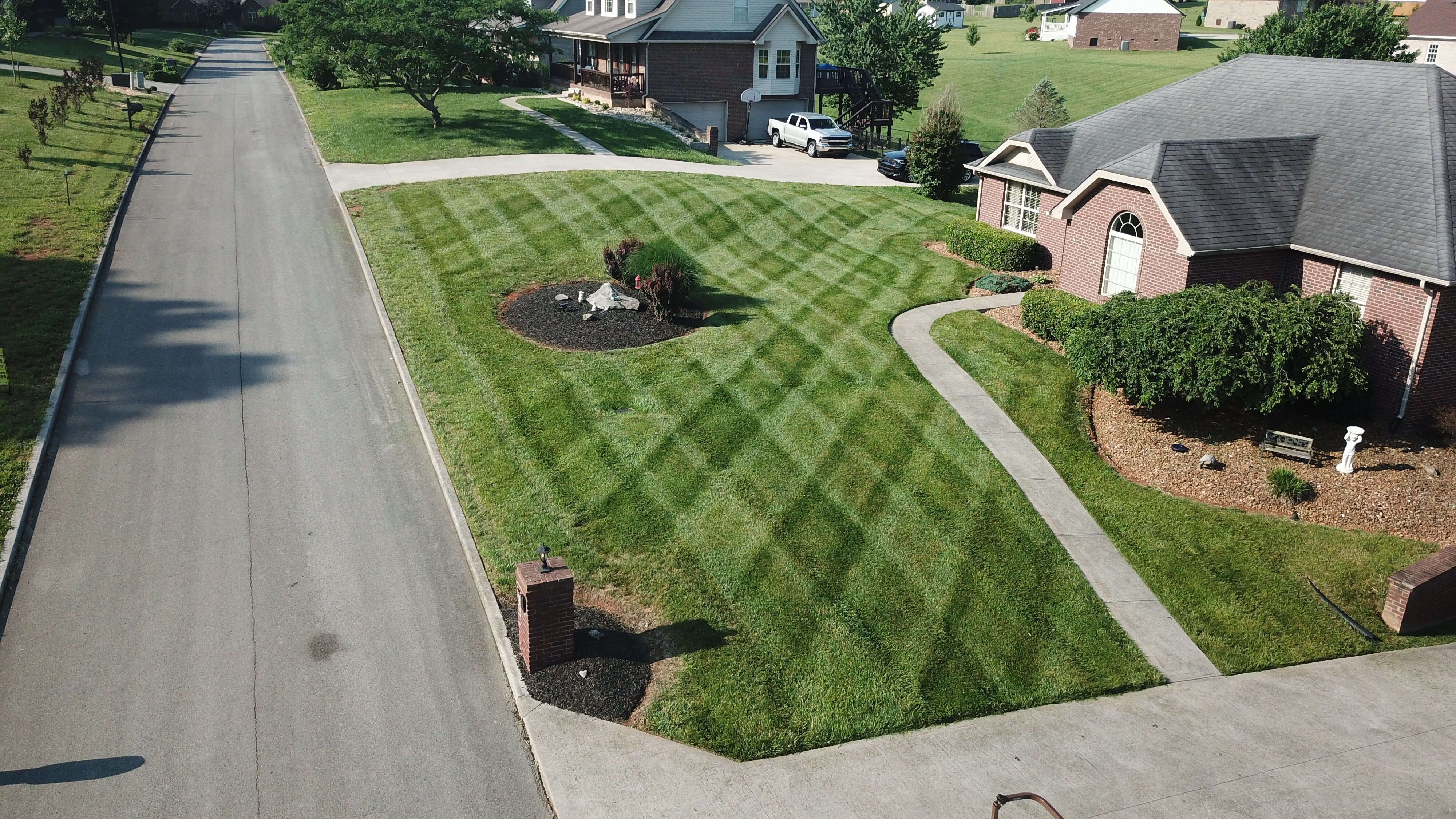
Choose a clear starting pointto keep stripes even. Begin at one corner of the lawn for best results. Mow in a diagonal directionacross the grass, not straight lines. This angle makes stripes stand out more.
To maintain straight lines, watch the edge of the mower closely. Focus on the path ahead, not the mower itself. Overlap each pass slightly to avoid gaps between stripes. Consistent speed helps keep lines smooth and clean.
- Slow down when turning sharp corners.
- Lift the mower slightly to avoid damaging grass edges.
- Use gentle, controlled movements to keep stripes crisp.
- Plan your turns before you reach the edge to stay on track.
Credit: blog.grasshoppermower.com
Enhancing Stripe Contrast
Adjusting mowing speedhelps create sharper diagonal lawn stripes. Slower speed allows the mower to bend grass blades better. This bending creates darker and lighter areas. Faster speed may reduce the contrast between stripes. Try mowing slower on the stripe edges for clear lines. Consistent speed keeps stripes even and neat.
Using sunlight to your advantagemakes stripes more visible. Mow when the sun is low, like early morning or late afternoon. The low sun angle casts longer shadows on bent grass blades. These shadows deepen the stripe contrast. Avoid mowing at noon when the sun is high. Bright light flattens the stripes and reduces their effect.
Troubleshooting Common Issues
Achieving diagonal lawn stripes can be challenging. Ensure your mower blades are sharp for clean cuts. Adjust the mowing height to prevent uneven stripes. Regularly check tire pressure for consistent striping patterns.
Fixing Uneven Stripes
Uneven stripes can happen if the mower wheels slip or the grass is too tall. Cut the grass evenly before starting. Walk at a steady pace and make straight lines. Adjust your mower blades if stripes look faint. Use a roller after mowing to press the grass down for sharper stripes.
Preventing Grass Damage
- Avoid mowing wet grass to prevent clumping and tearing.
- Use sharp mower blades to cut cleanly and avoid pulling grass.
- Change mowing directions regularly to reduce soil compaction.
- Water the lawn deeply but less often to keep roots strong.
- Do not mow too short; leave at least 2-3 inches of grass height.
Maintaining Stripes Over Time
Maintaining diagonal lawn stripesneeds a regular mowing schedule. Mow your lawn at least once a week during the growing season. Keep the mower blades sharp for clean cuts. Change your mowing direction regularly to keep stripes fresh. Avoid cutting more than one-third of the grass height at once. This helps the lawn stay healthy and striped.
- Water deeply but less often to promote strong roots.
- Fertilize during spring and fall for lush growth.
- Remove weeds to keep stripes clear and neat.
- Watch for pests and treat early to prevent damage.
Seasonal care is key. In spring, rake leaves and debris before mowing. Summer needs more watering and mowing to keep stripes bright. Fall is perfect for aeration and overseeding. Winter care means keeping foot traffic low to avoid damage.
Frequently Asked Questions
How Do I Create Perfect Diagonal Lawn Stripes?
Start by mowing in straight lines at a 45-degree angle. Use a roller or striping kit to bend grass blades. Alternate directions for each stripe for contrast and sharpness.
What Type Of Grass Suits Diagonal Lawn Stripes Best?
Cool-season grasses like Kentucky bluegrass and fescue work well. Their blades bend easily, enhancing the striped effect. Warm-season grasses like Bermuda also respond nicely in summer.
How Often Should I Mow For Maintaining Diagonal Stripes?
Mow once or twice weekly during the growing season. Keep mower blades sharp for clean cuts. Frequent mowing keeps stripes visible and the lawn healthy.
Can I Make Diagonal Stripes On Uneven Lawn Surfaces?
It’s challenging but possible with careful mowing. Adjust speed and mower height to handle slopes. Stripes may appear less defined on rough terrain.
Conclusion
Diagonal lawn stripes add a fresh look to any yard. Keep your mower blades sharp for clean lines. Mow slowly and steadily to maintain the pattern. Use a guide to stay on track and avoid mistakes. Regular watering helps grass stay healthy and green.
Practice these tips to create beautiful, neat stripes every time. Enjoy the pride of a well-kept lawn that stands out. Simple steps can make your lawn look professional and neat. Give your yard a stylish touch with diagonal stripes.