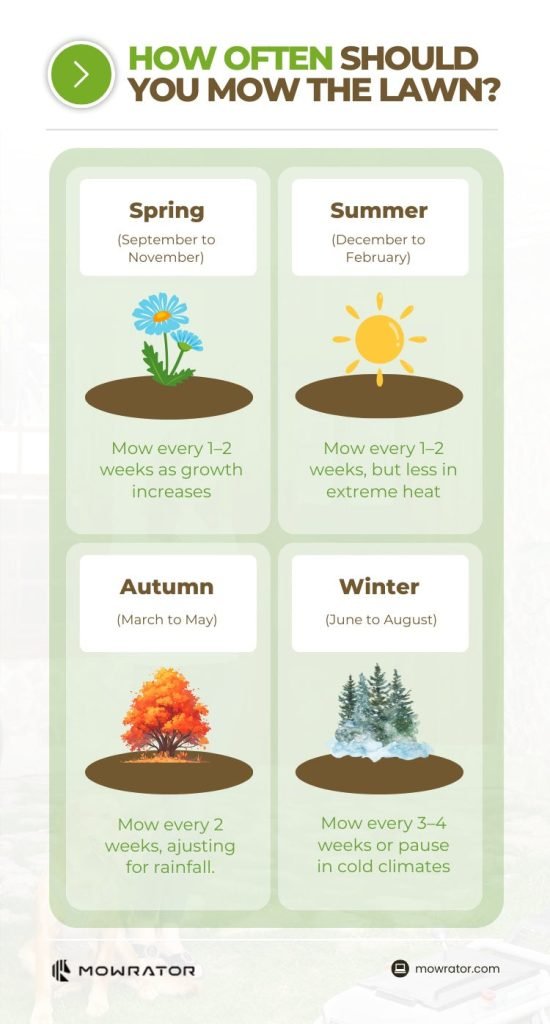
Are you mowing your lawn more often than you should? Finding the right mowing frequency can save you time, money, and help your grass stay healthy.
Imagine having a lush, green lawn without the constant hassle of mowing every few days. This isn’t just good for your yard—it’s better for the environment too. You’ll discover how to choose the perfect mowing schedule that keeps your lawn thriving while supporting sustainability.
Ready to transform your lawn care routine? Let’s dive in.
Credit: www.yarbo.com
Benefits Of Sustainable Mowing
Sustainable mowinghelps keep your lawn healthy and green. Cutting grass less often lets it grow stronger roots. These roots hold water better and fight weeds naturally. Grass can also recover from stress like heat and drought.
Water conservationis another big benefit. Mowing less means grass stays taller, which shades the soil. This slows water evaporation, so you need to water less. Saving water helps the environment and lowers your bills.
By mowing sustainably, you also reduce pollution. Less frequent mowing means fewer gas emissions from lawnmowers. It also means less noise and fewer chemicals used for lawn care. This creates a cleaner, safer space for everyone.
Factors Influencing Mowing Frequency
Grass typegreatly affects how often mowing is needed. Some grasses grow faster and need more frequent cutting. Others grow slowly and can be mowed less. Warm-season grasses grow quickly in summer but slow down in cooler months.
Seasonal changesalso change mowing frequency. Grass grows faster in spring and summer. In fall and winter, growth slows down. Mowing less in cold months saves energy and supports grass health.
Soil conditionsimpact grass growth too. Good soil with enough nutrients helps grass grow strong and fast. Poor soil can slow growth and reduce how often mowing is needed. Well-drained soil prevents problems like root rot, supporting healthy grass.
Optimal Mowing Practices
Cutting grassat the right height helps keep it healthy. Too short cuts can hurt the roots. Leaving grass a bit longer holds moisture better.
Sharp mower bladesmake clean cuts. This stops tearing and damage to grass. Dull blades can cause brown tips and weak growth.
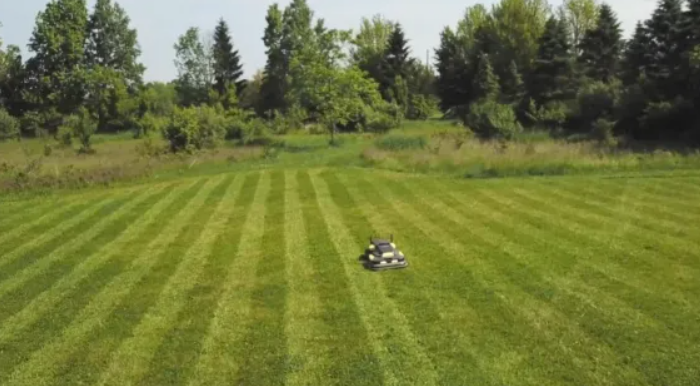
Changing mowing patternsprevents soil compaction. It also stops grass from leaning one way. This helps grass grow evenly and stay strong.

Credit: seascapeinc.com
Time-saving Tips For Lawn Care
Mowing your lawn less often saves time and helps grass grow stronger. Spacing out cuts keeps soil healthy and reduces water use. This eco-friendly approach makes lawn care easier and better for nature.
Planning helps save time and energy. Mow the lawn once a week. Early mornings or late afternoons are best. Grass is dry and easy to cut. Avoid midday mowing. Sun is too hot then. Modern tools make mowing easy. Choose a lightweight mower. Easy to push and control. Electric mowers are quiet and eco-friendly. Battery-powered mowers are also good. No cords to handle. Mulching keeps the lawn healthy. Grass clippings act as natural fertilizer. They add nutrients back to the soil. Less need for store-bought fertilizers. Mulching saves time and money. `Common Mowing Mistakes To Avoid
Cutting grass too shortweakens the lawn. It stops grass from making food. This leads to dry, brown patches and weeds growing faster. Grass needs some length to stay healthy and green.
Mowing when the grass is wetcauses clumps of clippings. These clumps block sunlight and air. Wet mowing also spreads diseases easily. Always wait for the grass to dry before mowing.
- Ignoring lawn health signalscan cause big problems.
- Yellow or brown spots mean water or nutrient issues.
- Slow growth may show poor soil or pests.
- Watch the lawn’s color and texture closely.
Credit: medium.com
Adapting Mowing Frequency For Climate
In drier climates, grass grows slowly due to less water. Mowing should be less frequent to avoid stressing the grass. Let the grass blades grow longer to hold moisture better. Water deeply but less often to keep roots healthy.
In humid regions, grass grows faster because of more rain and moisture. Mowing should happen more often to prevent overgrowth. Keeping grass at the right height helps stop disease and pests. Make sure mower blades are sharp for clean cuts.
| Season | Mowing Frequency | Notes |
|---|---|---|
| Spring | Weekly | Grass grows quickly; mow often |
| Summer | Every 10-14 days | Adjust for heat and dryness |
| Fall | Weekly to biweekly | Grass slows down but still grows |
| Winter | Rarely or not at all | Grass goes dormant in cold |
Frequently Asked Questions
What Is Sustainable Mowing Frequency?
Sustainable mowing frequency means cutting grass at intervals that support lawn health and environment. It avoids over-cutting and promotes grass growth. This practice conserves water, reduces soil erosion, and maintains biodiversity. It balances aesthetic lawn appearance with ecological benefits.
How Often Should I Mow For Sustainability?
Mow your lawn every 7 to 14 days for sustainability. Adjust frequency based on grass growth and season. Avoid cutting more than one-third of grass height at once. This approach preserves grass vitality and minimizes environmental impact.
Why Is Mowing Frequency Important For Lawn Health?
Mowing frequency affects grass root strength and disease resistance. Proper intervals prevent stress and promote thick, healthy turf. Over-mowing weakens grass and invites pests. Sustainable mowing supports long-term lawn resilience and reduces maintenance needs.
Can Sustainable Mowing Reduce Environmental Impact?
Yes, sustainable mowing reduces fuel use and emissions from lawn equipment. It also conserves water by promoting deeper roots. Less frequent mowing supports beneficial insects and soil organisms. Overall, it creates an eco-friendlier lawn care routine.
Conclusion
Sustainable mowing helps keep your lawn healthy and green. Cutting grass too often can harm roots and waste energy. Letting grass grow a bit longer saves water and supports soil life. Mow only when needed, and set your mower blade high.
This simple habit protects nature and reduces work. A balanced mowing plan makes your yard look better over time. Small changes create a big difference for the environment. Choose smart mowing for a lawn that thrives and lasts.