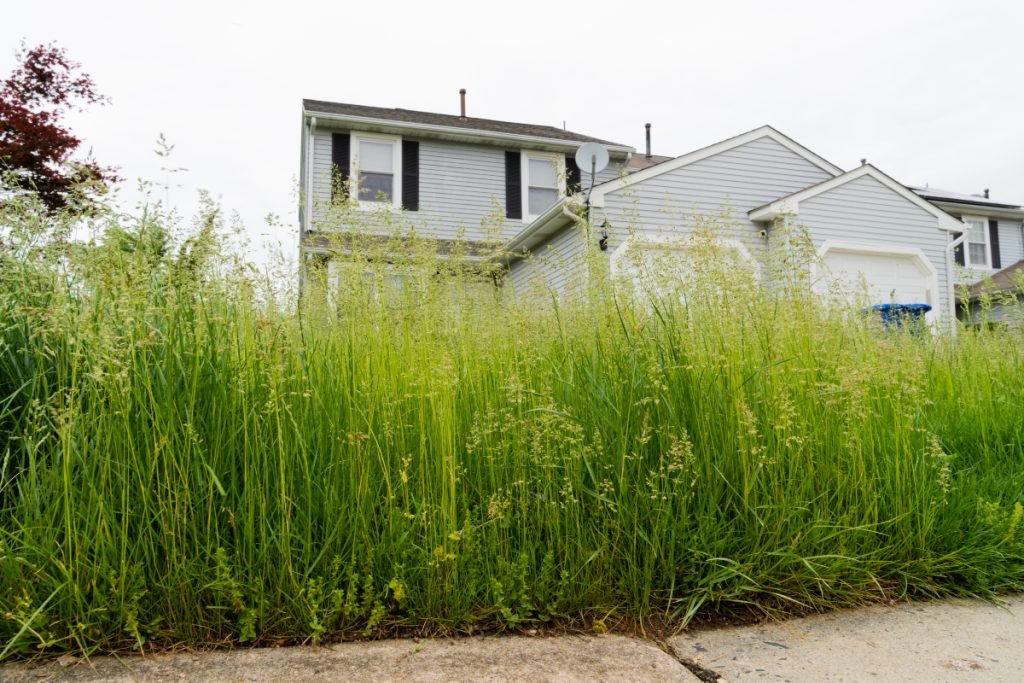
Imagine your lawn not just as a patch of grass, but as a vibrant haven buzzing with life. What if your mowing routine could help protect the tiny pollinators that keep our gardens and food growing?
Sustainable mowing is a simple change that can make a huge difference for bees, butterflies, and other essential insects. You’ll discover easy ways to adjust how you mow your lawn, so you support pollinators while still keeping your yard neat and tidy.
Ready to make your lawn a lifeline for nature? Let’s dive in.
Benefits Of Sustainable Mowing
Sustainable mowinghelps keep areas healthy for pollinators like bees and butterflies. It creates safe spaceswhere these insects can live and find food. By mowing less often and at the right times, plants can bloom fully, offering more flowersand nectar. This supports many types of pollinators.
Using sustainable mowing also promotes plant diversity. Different plants grow well with less frequent cutting. This variety of plants means pollinators get a range of food sources and shelter. A mix of flowers and grasses makes the environment richer and more balanced.
Reducing mowing frequency and using eco-friendly tools lowers environmental impact. It saves fuel and cuts pollution from machines. It also helps soil stay strong and prevents water waste. This way, the land stays healthy for plants, animals, and people.
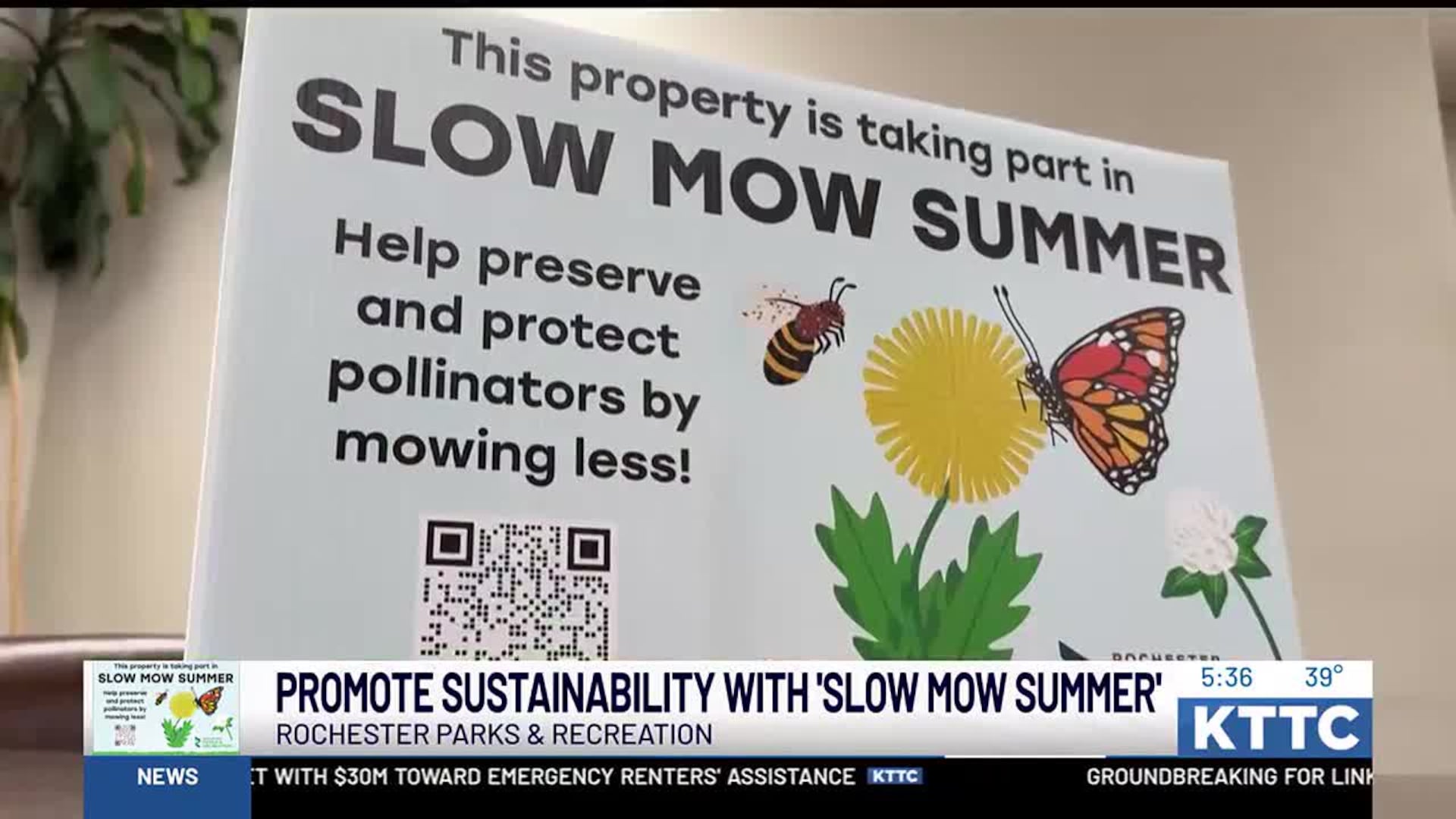
Credit: www.kttc.com
Key Practices For Eco-friendly Mowing
Adjusting mowing frequencyhelps flowers and plants grow better. Mow less often to let wildflowers bloom. This supports bees and butterflies. Too much mowing harms their homes and food.
Selecting appropriate mower typesmatters. Use electric or hand mowers to reduce noise and pollution. These mowers are safer for small animals and insects. Avoid gas-powered mowers that cause more harm.
Timing mowing to support wildlifeis key. Mow after flowers have finished blooming and after birds finish nesting. This gives pollinators time to gather food and raise young. Mow in late summer or fall for best results.
Plant Selection For Pollinator Support
Native flowering plantsare key to supporting local pollinators. They provide familiar food and shelter. These plants grow well with less care and water. Bees, butterflies, and other pollinators prefer them over non-native species.
Creating continuous bloom cyclesmeans choosing plants that flower at different times. This keeps pollinators fed all season long. Early, mid, and late bloomers together ensure steady nectar supply.
Incorporating nectar-rich speciesattracts more pollinators. Plants like clover, goldenrod, and milkweed offer abundant nectar. They help maintain healthy pollinator populations and improve garden health.
- Choose native flowers suited for your region.
- Plant a mix for blooms from spring to fall.
- Include plants with high nectar output.

Credit: www.reddit.com
Managing Lawn Zones For Wildlife
No-mow areasare places where grass grows freely. These spots attract many insects. Bees and butterflies love these areas. They find food and shelter there. No-mow zones are easy to create. Just stop cutting the grass. Let nature take over. Watch as wildlife visits your lawn.
Buffer stripsare narrow grass bands. They sit between lawns and gardens. These strips protect wildlife habitats. They also prevent soil erosion. Buffer strips can have native plants. Birds and insects enjoy these plants. They find food and safety there. Keep buffer strips wide enough for animals.
Wildflower meadowsbring color to lawns. They also support pollinators. Bees and butterflies love wildflowers. Plant seeds for diverse blooms. Different flowers attract different insects. Meadows need little care. Just water and sunlight. Enjoy watching wildlife visit your yard.
Monitoring And Adapting Practices
Regularly check how pollinators respond to mowing patterns and adjust timing accordingly. Adapting practices helps protect their habitats and supports their survival.
Tracking Pollinator Activity
Observe the number of bees, butterflies, and other pollinators in your area. Note their visits during different times of the day. Use simple tools like a notebook or phone to record these sightings. This helps understand which plants attract more pollinators.
Assessing Plant Health
Check your plants for signs of good health such as vibrant leaves and flowers. Look for any damage or stress caused by mowing. Healthy plants support more pollinators and provide better food sources.
Adjusting Mowing Based On Observations
Change mowing schedules based on what you see. If pollinators visit less, try mowing less often or at different times. Leave some areas unmowed to allow flowers to bloom fully. This balance helps both plants and pollinators thrive.
Community Engagement And Education
Organizing local workshops helps people learn about sustainable mowing. These workshops teach simple ways to protect pollinatorslike bees and butterflies. Hands-on activities make learning fun and easy to understand. People can share ideas and ask questions.
Promoting sustainable mowing awareness includes sharing tips through flyers, social media, and community boards. Clear messages explain why less mowingand letting wildflowers growhelp pollinators. Small changes in yards and parks make a big difference.
Collaborating with environmental groups brings more knowledge and support. These groups offer expert advice and resources. Together, communities can plan events and create pollinator-friendly spaces. Working as a team builds stronger, greener neighborhoods.

Credit: actforealing.org
Frequently Asked Questions
What Is Sustainable Mowing For Pollinators?
Sustainable mowing means cutting grass in a way that protects pollinators. It avoids frequent, low cuts that destroy flowers and insect habitats. This practice encourages healthy ecosystems by preserving wildflowers and nesting sites for bees, butterflies, and other beneficial insects.
How Does Mowing Affect Pollinator Populations?
Frequent mowing can reduce flower availability and nesting spots for pollinators. This leads to fewer food sources and shelter, harming their survival. Sustainable mowing balances grass maintenance with pollinator needs by allowing flowers to bloom and habitats to thrive.
When Is The Best Time To Mow For Pollinators?
Mow after wildflowers finish blooming, typically late summer or early fall. This timing lets pollinators collect nectar and complete their life cycles. Avoid mowing during peak flowering periods to protect food sources and support pollinator health.
Can Sustainable Mowing Improve Biodiversity?
Yes, sustainable mowing promotes plant diversity and pollinator abundance. By preserving wildflowers and reducing mowing frequency, diverse habitats develop. This supports a wide range of insects, birds, and wildlife, enhancing overall ecosystem resilience.
Conclusion
Sustainable mowing helps protect pollinators and their homes. It supports flowers and plants that bees and butterflies need. Mowing less often gives insects time to gather food. This simple change makes a big difference for nature. Everyone can help by mowing with care and thought.
Small steps add up to a healthier garden and world. Keep pollinators buzzing by mowing in a gentle, smart way. Your lawn can be a safe place for many creatures. Try these tips and watch life grow around you.