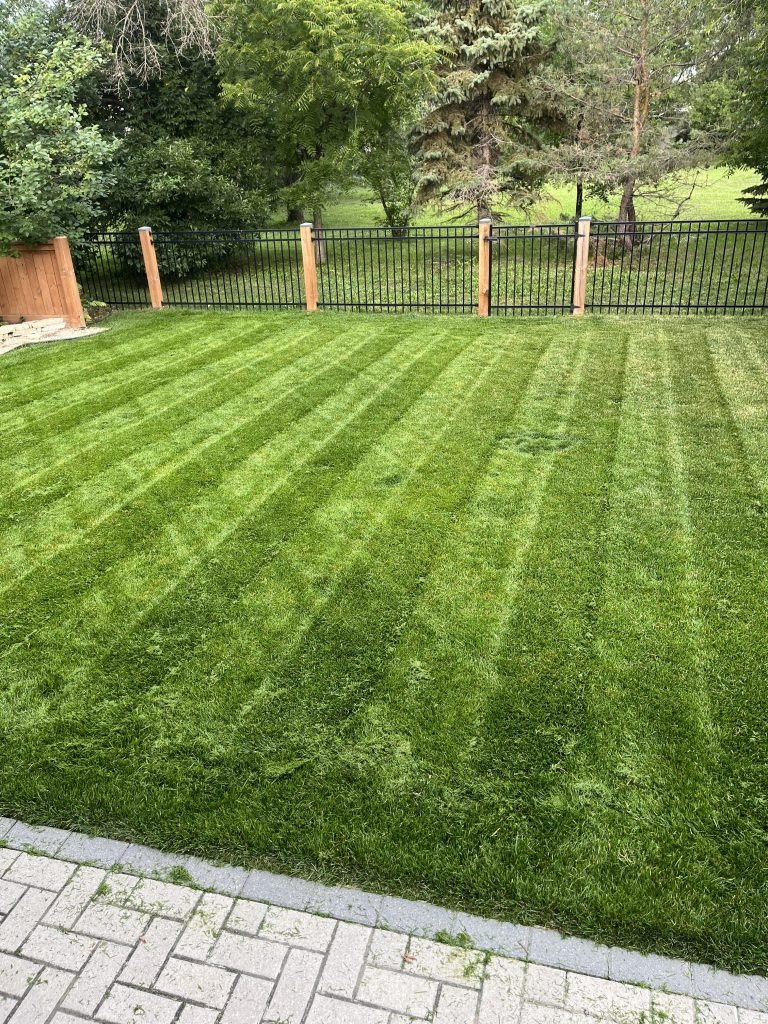
Are you wondering if you should water your lawn before striping it? This simple step could make a big difference in how your lawn looks.
Imagine those perfect, bold stripes that catch everyone’s eye. But what if watering could help you achieve even better results? You’ll discover why watering your lawn before striping matters, how it affects the health of your grass, and the best way to do it.
Keep reading to learn the secrets to a stunning, striped lawn that stands out every time.
Benefits Of Lawn Striping
Lawn stripingcreates a neat, striped look that impresses. It changes the way light hits the grass, showing different shades of green. This makes the lawn look well cared for and fresh.
Striping also helps grass grow healthier. Rolling the lawn gently smooths the grass blades. This can help grass stand up straighter and grow evenly. It may also improve air and water flowto the roots.
- Enhances curb appealwith a professional look
- Promotes stronger grassby encouraging upright growth
- Helps spot uneven areasneeding care
- Improves lawn textureand smoothness

Credit: www.reddit.com
Timing Your Lawn Watering
Watering your lawn at the right time helps keep grass healthy and green. Early morning is the best timeto water because the sun is not too hot. This allows water to soak deep into the soil and reach the roots.
Watering in the evening can make grass stay wet for too long. That can cause diseaseand fungus. Avoid watering in the middle of the day to prevent water from evaporating quickly.
| Pros of Watering Before Striping | Cons of Watering Before Striping |
|---|---|
|
|
Impact Of Moisture On Striping
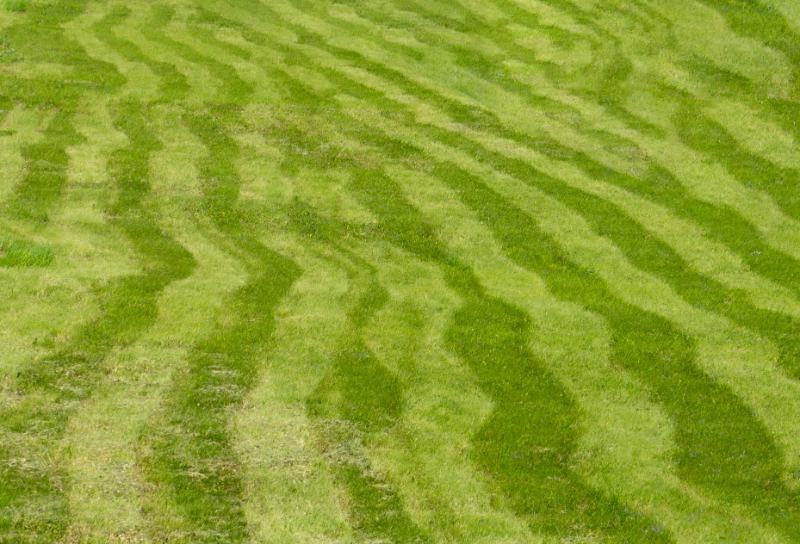
Moistureaffects how grass bends during striping. Wet grass is softer and bends more easily. This helps create clear and smooth stripe patterns. Dry grass is stiff and may not bend well. This can cause uneven stripes or damage the grass blades.
Too much water can make the lawn muddy. This can cause mower wheels to slip, ruining the stripe effect. Light watering before striping can improve grass flexibilityand help make clean, sharp lines.
| Moisture Level | Effect on Grass | Impact on Striping |
|---|---|---|
| Wet | Soft and flexible | Clear, smooth stripes but risk of mud |
| Dry | Stiff and less bendable | Uneven stripes, possible blade damage |
| Lightly Watered | Flexible without mud | Sharp, well-defined stripes |
Choosing The Right Equipment
Choosing the right equipment affects how well your lawn stripes show. Watering before striping helps grass stay firm and easier to cut evenly. Wet soil also reduces damage from heavy machines, keeping your lawn healthy.
Striping Tools And Materials
A good lawn striping kit is important. A lawnmower with a striping kit works best. The roller attached behind the mower creates stripes. Some prefer heavy rollers for deeper stripes. Grass height affects striping. Taller grass shows stripes better. Always use a sharp blade on the mower. This ensures a clean cut.Equipment Adjustments For Wet Lawns
Wet lawns need special care. Adjust the mower height for wet grass. Set the mower higher to avoid damage. Wet grass can clump and block the mower. Clean the mower deck often. Wet grass sticks and causes problems. Avoid mowing when the lawn is very wet. This protects both the mower and the lawn. `Weather Considerations
Striping a lawnis easier on dry grass. Wet grass can cause tire marksand uneven lines. Mowers might slip on wet soil, which could damage the lawn.
Watering before striping helps if the grass is too dry. Dry grass can look brittleand break easily. But watering too much makes the soil soft and mower tracksmay appear.
| Condition | Effect on Striping | Advice |
|---|---|---|
| Dry | Grass may break; lines are clear | Water lightly before striping |
| Wet | Slippery mower; uneven stripes | Wait for grass to dry |
| Too Wet | Soil soft; mower tracks damage lawn | Avoid striping after heavy rain |
Strong sun and heat can dry the grass quickly. Striping in hot weather may stress the lawn. Early morning or late evening is best. Avoid mowing during weather extremesto keep the lawn healthy.
Expert Watering Tips
Water the lawn enough to moisten the soil about 6 inches deep. This helps grass roots grow strong and keeps the soil firm for striping. Avoid soaking the lawn too much; wet grass can get damaged easily during striping.
Water early in the morning or late in the afternoon. This timing reduces water loss from evaporation. It also helps the lawn dry before evening, lowering the chance of disease.
| Best Time | Reason |
|---|---|
| Early Morning | Water soaks in well and dries quickly |
| Late Afternoon | Cooler temperatures reduce evaporation |
Maintaining Striped Lawns
Watering the lawn before striping helps soften the grass blades. This makes it easier to bend and create sharp stripes. Avoid overwatering, as too much water can cause damage and muddy the soil.
After striping, the lawn needs proper care to keep the stripes clear and healthy. Water the grass deeply but less often to encourage strong roots. Mow regularly using a sharp blade to prevent tearing the grass.
Long-term care keeps the lawn lush and striped. Follow these tips:
- Fertilize seasonally with balanced nutrients.
- Aerate soil to improve air and water flow.
- Control weeds to reduce competition for nutrients.
- Water early in the morning to reduce evaporation.
- Use a roller for sharper stripe lines occasionally.

Credit: www.reddit.com
Credit: www.lawnstarter.com
Frequently Asked Questions
Should I Water My Lawn Before Striping?
Yes, watering your lawn before striping helps soften the grass. It makes the blades more flexible and easier to bend. This results in cleaner, more defined stripe patterns on your lawn.
How Long Before Striping Should I Water My Lawn?
Water your lawn about 24 hours before striping. This allows the soil to absorb moisture without being too wet. Proper timing ensures better striping results and prevents damage to the grass.
Can Overwatering Affect Lawn Striping Quality?
Overwatering can cause the grass to become too soft and muddy. This leads to uneven stripes and potential turf damage. Proper watering balance is key to achieving sharp, attractive lawn stripes.
Does Watering Improve Grass Health For Striping?
Yes, well-watered grass is healthier and more resilient. Healthy grass bends easily and recovers quickly from striping stress. Regular watering supports vibrant, striped lawn patterns and overall turf health.
Conclusion
Watering your lawn before striping helps grass bend without breaking. It makes the stripes clear and neat. Avoid watering too much to prevent muddy patches. Early morning watering works best for healthy grass. Keep the soil moist but not soggy for best results.
Proper care leads to a beautiful, striped lawn that stands out. Try these tips to improve your lawn’s look today. Simple steps make a big difference in lawn striping success.