Are you looking for simple ways to save water without sacrificing a healthy lawn? You might be surprised to learn that mowing your lawn less often could be a key step.
It’s not just about cutting back on watering—how often you mow affects your grass’s health and its need for water. You’ll discover why changing your mowing habits could help you save water, keep your lawn greener, and even reduce your yard work.
Keep reading to find out if mowing less often is the smart choice for your lawn and your water bill.
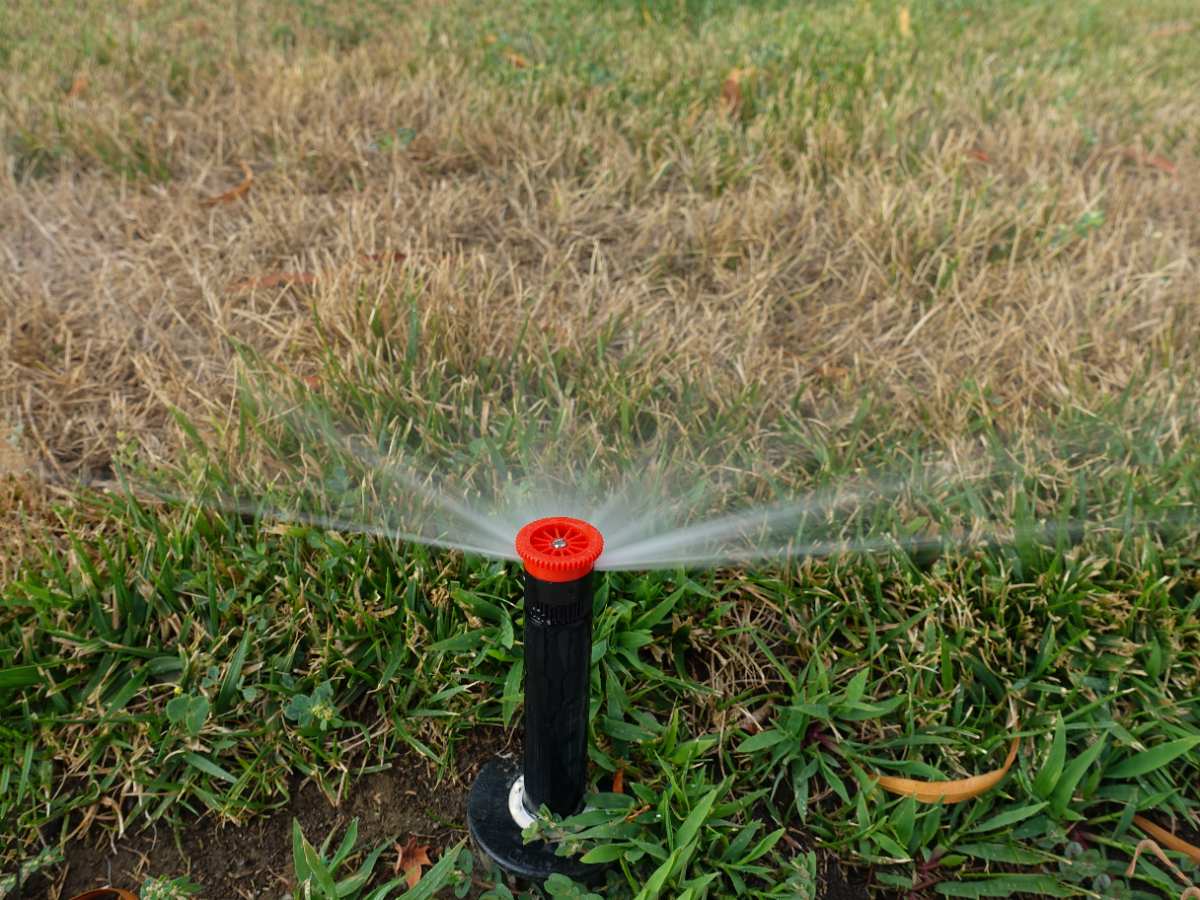
Credit: www.lawnstarter.com
Benefits Of Mowing Less Often
Mowing less often helps save waterby reducing evaporation. Grass blades stay longer and shade the soil better. This keeps moisture in the ground for more days. Less watering is needed to keep the lawn green.
Grass grows healthierwith less stress from frequent cuts. Longer blades collect more sunlight, helping roots grow deeper. Strong roots absorb water better during dry times.
- Reduces stresson grass by avoiding frequent trimming.
- Supports deeper root growthfor strong grass.
- Helps lawn stay greenwith less water.
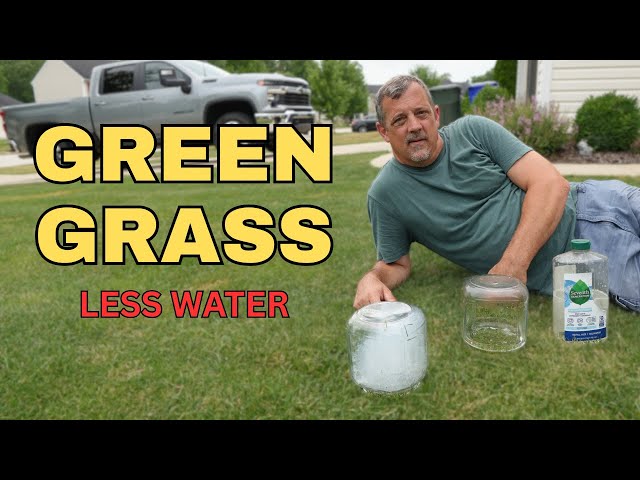
Credit: www.youtube.com
Ideal Mowing Frequency
Ideal mowing frequencydepends on several important factors. Grass grows at different speeds. Mowing too often can stress the lawn. Mowing too little can cause weeds and pests. A good rule is to cut no more than one-third of the grass height at a time. This helps keep the lawn healthy and green.
| Factors Influencing Mowing Schedule | Details |
|---|---|
| Seasonal Adjustments | Grass grows faster in spring and summer, slower in fall and winter. Mow more often in warm months, less in cold months. |
| Grass Type Considerations | Cool-season grasses like fescue grow slower, need less mowing. Warm-season grasses like Bermuda grow faster, need more frequent cutting. |
Smart Lawn Care Tips
Optimal grass heighthelps keep your lawn healthy and saves water. Taller grass shades the soil, which reduces evaporation. This means the soil stays moist longer. Cutting grass too short can stress the plantsand make them use more water.
Set your mower blade at the right height to avoid cutting too much. A blade too low can hurt roots. A proper setting keeps grass strongand helps it grow deep roots that hold water well.
Mowing at the best time matters. Early morning is ideal because the grass is dry and the sun is not too hot. This reduces stress on grass and prevents water loss. Avoid mowing during the hottest part of the day.

Credit: www.aol.com
Watering Strategies
Deep wateringhelps grass develop strong roots. It encourages roots to grow deeper into the soil. Frequent wateringkeeps roots shallow and weak. This makes grass less drought-tolerant.
Water early in the morningto reduce evaporation. The cooler air helps water soak into soil better. Avoid watering at noon or night. Watering at these times wastes water and can cause disease.
Mulchkeeps soil moist by reducing evaporation. It also keeps soil cool and stops weed growth. Use organic mulch like wood chips or grass clippings around plants and garden beds to hold moisture.
Alternative Lawn Options
Drought-resistant grassesneed less water. These grasses are tough and stay green. They grow well in dry places. Some popular types are Bermuda, Zoysia, and Buffalo grass. These types save water and look good. They are easy to care for. They can help the environment too.
Ground covers spread fast and cover soil. They need less water. Native plants grow naturally in your area. They are strong and healthy. They need less care and water. Some good choices are clover and creeping thyme. These plants can replace grass in your yard.
Artificial turflooks like real grass. It needs no water. It stays green all year. It can be a good choice for saving water. This turf is easy to clean. It lasts a long time. It can make your yard look neat and tidy.
Common Mistakes To Avoid
Cutting grass too shortweakens the lawn and wastes water. Grass needs leaves to hold moisture and stay cool. Keep your mower blade high to protect roots and soil.
Mowing wet grasscan cause clumping and damage the lawn. Wet grass blades tear instead of cut cleanly. This makes the lawn more open to disease and water loss.
Ignoring soil healthleads to poor water retention. Healthy soil holds water and feeds grass roots well. Use compost or mulch to improve soil quality and reduce watering needs.
Frequently Asked Questions
How Does Mowing Frequency Affect Lawn Water Needs?
Mowing less often allows grass to grow taller, which helps shade soil. This reduces evaporation and keeps soil moist longer. Taller grass also develops deeper roots, improving drought resistance and reducing watering needs.
Can Taller Grass Save Water During Dry Seasons?
Yes, taller grass shades the soil surface, reducing water loss from evaporation. It also encourages deeper root growth, enabling the lawn to access moisture deeper in the ground and survive dry periods better.
What Are The Benefits Of Mowing Lawn Less Frequently?
Less frequent mowing reduces water use by promoting stronger, deeper roots. It also lowers lawn maintenance time and improves soil moisture retention, leading to a healthier and more drought-resistant lawn.
Does Mowing Height Impact Water Conservation?
Absolutely. Maintaining a higher mowing height helps conserve water by shading soil and reducing evaporation. It also improves grass health, making the lawn more resilient during dry spells.
Conclusion
Mowing your lawn less often can help save water. Grass stays healthier and uses water better. Longer grass shades soil and keeps moisture in. This means less need to water your lawn. You also reduce the time and effort spent mowing.
Try this simple change to help the environment. Watch your lawn grow strong with less water. Small steps make a big difference in saving water. Give it a try and see the results yourself.