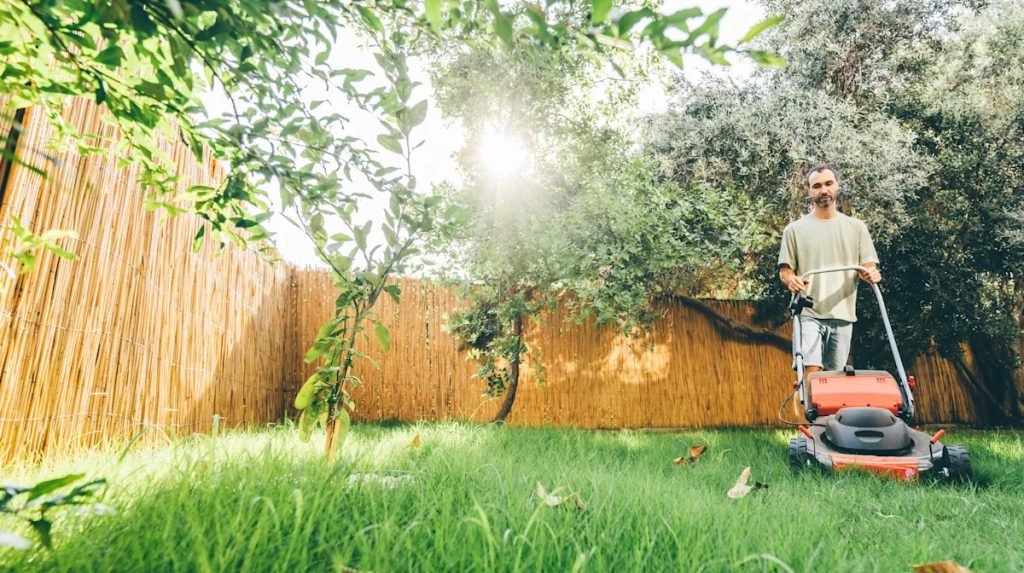
Have you ever wondered if mowing your lawn less often could help you save energy and cut down on your bills? You might think that skipping a few mowing sessions could make your yard look messy, but what if it actually benefits both your lawn and the environment?
You’ll discover surprising reasons why mowing less might be the smarter choice. Keep reading to find out how changing your mowing habits can save you time, money, and energy—all while keeping your lawn healthy and green.

Credit: www.yahoo.com
Benefits Of Mowing Less Often
Mowing less often helps save energyby using lawn mowers less. This reduces fuel consumptionand electricity usefor electric mowers. Less mowing means fewer emissions and less noise pollution.
It also benefits the environment. Less frequent mowing protects soiland wildlife habitats. It keeps the grass roots strongand helps maintain soil moisture. This supports better ecosystem health.
Grass grows healthierwhen cut less often. Longer grass blades shade the roots and reduce water loss. This leads to a stronger lawnthat resists weedsand diseases. It creates a lush, green yard with less effort.

Credit: fairwaylawns.com
Factors Affecting Mowing Frequency
Grass typeaffects how often lawns need mowing. Some grasses grow fast, like Bermuda and ryegrass. Others, like fescue, grow slower and need less cutting. Knowing the type helps save energy and time.
Seasonal changesalso impact mowing frequency. Grass grows quickly in spring and summer. Mowing less in fall and winter can save energy because grass grows slower or stops growing.
Weather conditionsplay a big role. Dry weather slows grass growth, so mowing less is fine. Wet weather can cause grass to grow faster, needing more mowing. Adjust mowing to weather to keep lawn healthy and save energy.
Smart Mowing Techniques
Adjusting the mower height helps save energy and keeps grass healthy. Cutting grass too short stresses the lawn. Taller grass holds moisture and grows stronger. Set the mower blade to a higher level to reduce the number of times you mow.
Manual mowers use no fuel and need physical effort, saving energy completely. Electric mowers are cleaner than gas ones and use less energy. Both types reduce pollution compared to gas mowers. Choose based on your lawn size and energy goals.
Timing your mowing sessions in the early morning or late afternoon is best. Grass is cooler and less stressed then. Avoid hot midday hours to save energy and protect grass. Mowing less often but at the right time helps the environment and your lawn.

Credit: mowrator.com
Alternative Lawn Care Methods
Mulching helps keep the soil moist. It reduces the need for water. Mulch also prevents weeds from growing. Less weeds mean less work for you. It adds nutrients back to the soil. This keeps your lawn healthy. Mulching is a simple way to care for your lawn.
These plants need less water to grow. They save water and time. Drought-resistant plants look good all year. They are strong and can survive tough weather. Planting them helps the environment. Your garden will be green, even in dry times.
Natural fertilizers are good for the soil. They are safe for pets and kids. These fertilizers help plants grow strong. They do not harm the environment. Using natural options keeps your lawn green and healthy. It’s a smart choice for lawn care.
Common Mistakes To Avoid
Cutting grass too shortcan hurt your lawn. It weakens roots and makes grass dry out fast. Grass should stay about 2.5 to 3 inches tall to stay healthy and save water.
Mowing wet grassis bad. It causes uneven cuts and can damage the mower. Wet grass clumps can clog the mower and leave a messy lawn.
- Ignoring lawn healthleads to weak grass. Check soil and water regularly.
- Use fertilizer to keep grass strong and green.
- Remove weeds so grass grows well.
Frequently Asked Questions
Does Mowing Lawn Less Often Save Energy?
Yes, mowing less often reduces fuel and electricity use. It lowers carbon emissions and conserves natural resources, benefiting the environment.
How Often Should You Mow For Energy Efficiency?
Mow your lawn every 1-2 weeks in growing season. This balances lawn health and energy savings without overusing equipment.
Can Longer Grass Improve Lawn Energy Use?
Longer grass shades soil, reducing water evaporation. This means less watering and energy use for irrigation.
Does Mowing Frequency Affect Lawn Health?
Mowing less often can improve lawn resilience. It encourages deeper roots and better drought tolerance, saving water and energy.
Conclusion
Mowing your lawn less often can save energy and cut costs. Grass grows better when cut at the right height. It also helps keep soil moist and healthy. You still need to mow regularly, but not too often. This simple change supports a greener yard and a cleaner planet.
Try adjusting your mowing schedule and see the benefits yourself. Small steps like these make a big difference over time.