Are you wondering whether you should mow your lawn before fertilizing in the fall? It’s a simple question, but the answer can make a big difference in how healthy and green your grass looks next spring.
If you want to get the most out of your fertilizer and keep your lawn thriving, understanding the right steps is key. Keep reading to learn exactly what you need to do to prepare your lawn and make your fall fertilizing count.
Your lawn will thank you!
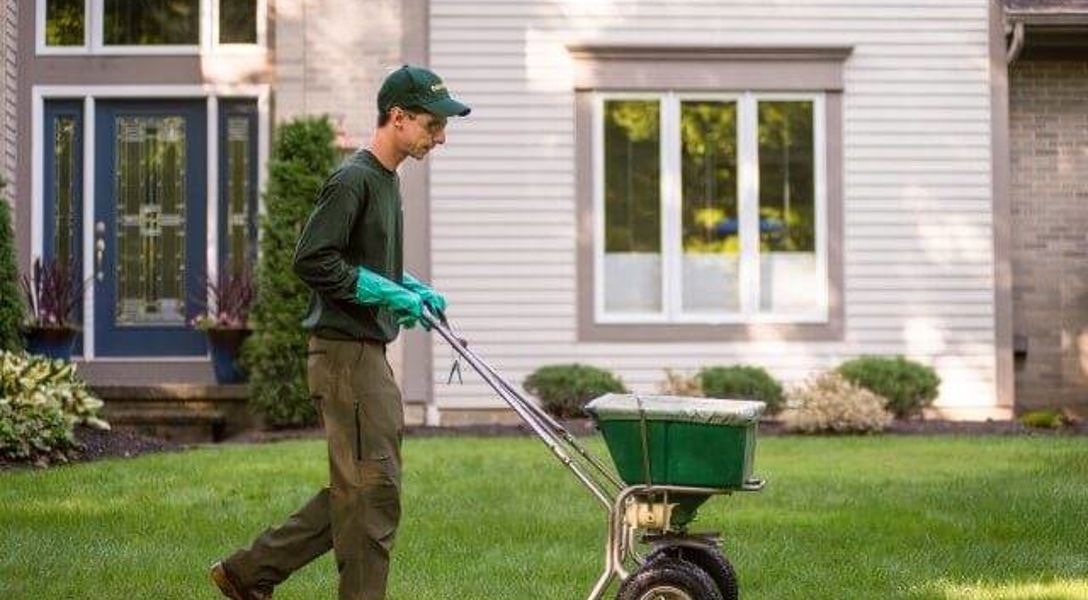
Credit: blog.davey.com
Benefits Of Fall Fertilizing
Fall fertilizinghelps lawns grow strong roots. These roots store food for winter. This makes grass healthier in spring.
Fertilizer helps soil hold important nutrients. Grass can take in these nutrients easily. This boosts growthand color of your lawn.
Fertilizing in fall prepares grass for cold winter months. It helps grass rest well and stay alive. This means less damage from frost and snow.
Timing Lawn Mowing In Fall
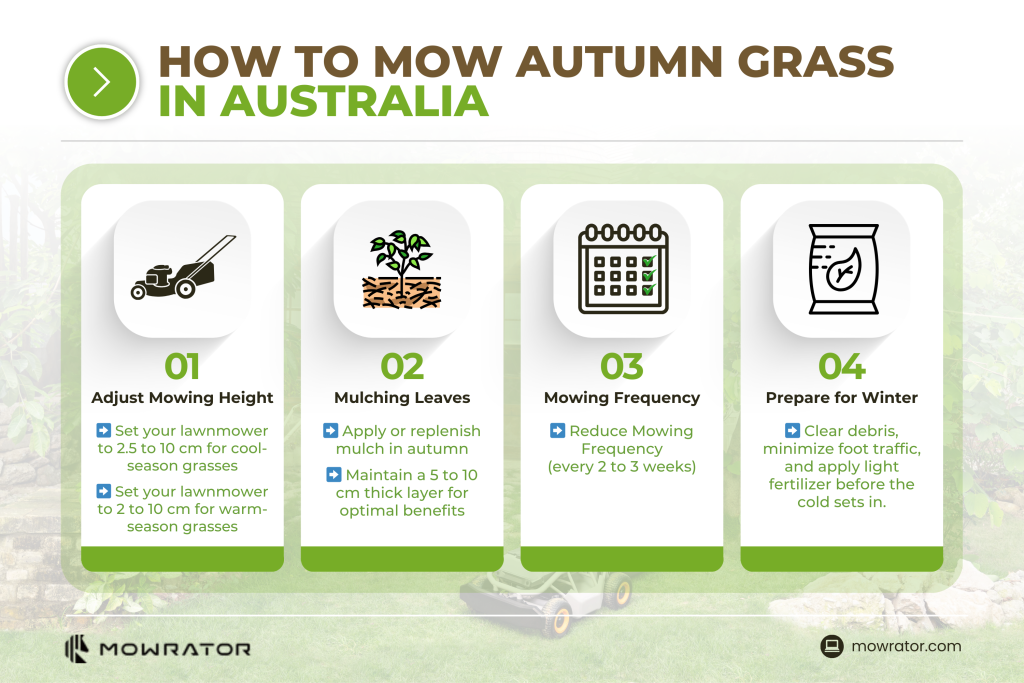
Ideal mowing heightin fall helps grass stay strong. Keep grass blades around 2.5 to 3 inches tall. This length protects roots and holds moisture well. Cutting too short can stress grass and slow growth.
Cut grass a few days before fertilizing. This allows the lawn to absorb nutrients better. Avoid mowing right after spreading fertilizer to stop damage to grass blades.
Regular mowing keeps grass healthy and thick. It removes dead parts and stops weeds. Healthy grass absorbs fertilizer faster and grows deep roots.
Mowing Before Fertilizing: Pros And Cons
Mowing before fertilizinghelps fertilizer reach the soil better. Shorter grass blades allow nutrients to soak into the ground faster. This can make fertilizer work more effectively.
Cutting grass too short, though, might stress the lawn. Grass needs leaves for food through photosynthesis. If stressed, grass can turn brown or weak.
Healthy grassabsorbs nutrients better. Mowing just right, not too short, helps grass take in fertilizer well. Avoid mowing right before a frost or dry spell, as this can harm the lawn.
Step-by-step Fall Fertilizing Process
Mowing your lawn before fertilizing in fall helps the fertilizer reach the grass roots better. Keep the grass short but not too close to avoid stress. This simple step improves nutrient absorption and promotes a healthier lawn.
Preparing The Lawn
Mow the lawn before applying fertilizer. This helps nutrients reach the soil. Remove any leaves or debris from the grass. Ensure the lawn is dry before starting. This prevents the fertilizer from sticking to wet grass.Choosing The Right Fertilizer
Select a fertilizer suitable for fall. Look for one with higher potassium. Potassium strengthens grass roots. Check the label for application rates. Avoid over-fertilizing as it can harm the lawn.Application Techniques
Use a spreader for even distribution. Walk steadily across the lawn. Follow a pattern to avoid missing spots. Water the lawn after applying fertilizer. This helps nutrients soak into the soil. Keep pets and kids off the lawn for a day. `Common Mistakes To Avoid
Fertilizing too early or latecan harm your lawn. Fertilizer works best in the fall when grass is still growing. Applying it too early wastes nutrients. Applying it too late means the grass won’t absorb them well.
Mowing too shortstresses the grass. Cutting grass very low weakens roots. It also makes the lawn more vulnerable to cold and disease. Keep your grass at a moderate height before fertilizing.
Over-application of fertilizerleads to problems. Too much fertilizer can burn the grass. It also causes nutrient runoff, harming the environment. Follow the recommended amount on the fertilizer package carefully.

Credit: www.youtube.com
Expert Tips For Best Results
Soil testinghelps know what nutrients your lawn needs. Collect soil samples from different spots. Send them to a local extension office or use a home test kit. Testing shows pH levelsand nutrient content. This guides which fertilizer to pick. Avoid guessing to prevent over-fertilizing or wasting money.
Choose a day with dry weatherand mild temperatures. Wet grass can cause uneven fertilizer spread. Avoid windy days to reduce fertilizer drift. Early fall is best, giving grass time to absorb nutrients. Fertilizing before a rain helps nutrients soak into the soil.
- Water lawn lightly after fertilizing to start nutrient absorption.
- Wait a few days before mowing again to let fertilizer work.
- Remove grass clippings only if they are thick; otherwise, leave them to add nutrients.
- Keep foot traffic low for a few days to avoid soil compaction.

Credit: www.reddit.com
Frequently Asked Questions
Should I Mow Lawn Before Applying Fall Fertilizer?
Yes, mowing before fertilizing ensures even nutrient absorption. It removes tall grass, allowing fertilizer to reach soil better and promotes healthier growth during fall.
How Soon After Mowing Can I Fertilize My Lawn?
You should fertilize immediately or within 24 hours after mowing. This timing helps fertilizer penetrate soil effectively and supports strong grass recovery in fall.
Does Mowing Affect Fertilizer Effectiveness In Fall?
Yes, mowing removes excess grass blades that block fertilizer. It improves fertilizer contact with soil, enhancing nutrient uptake and promoting a healthier lawn during fall.
What Grass Height Is Best Before Fall Fertilizing?
Mow your grass to about 2. 5 to 3 inches before fertilizing. This height balances root growth and nutrient absorption for optimal fall lawn health.
Conclusion
Mowing the lawn before fertilizing in fall helps nutrients reach the soil better. Short grass allows fertilizer to work more effectively. It also prevents clumps that block sunlight and water. Taking this simple step leads to a healthier, greener lawn next spring.
Remember to mow at the right height, not too short. A well-prepared lawn absorbs fertilizer faster and grows stronger. Small efforts now bring big results later. Give your lawn the best chance to thrive this fall.