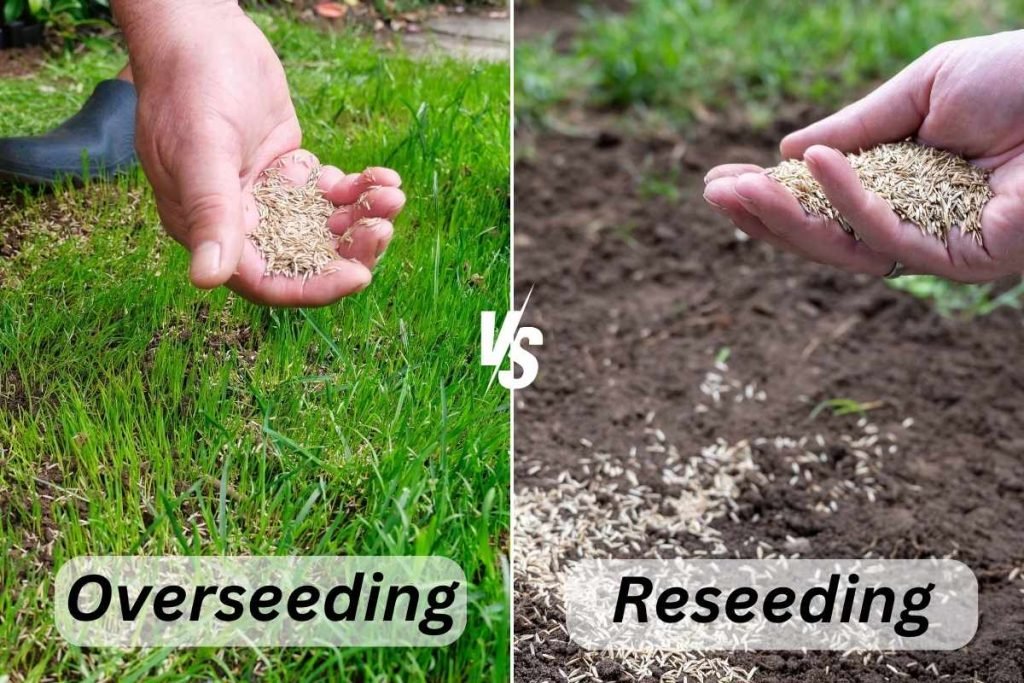
Are you wondering if you should mow your lawn after overseeding in spring? It’s a common question that many homeowners face.
The right mowing routine can make a big difference in how well your new grass grows. If you mow too soon or too late, you might damage those tiny seedlings you worked hard to plant. But don’t worry—this guide will clear up the confusion and help you make the best choice for your lawn.
Keep reading to find out exactly when and how to mow after overseeding, so your lawn can thrive all season long.
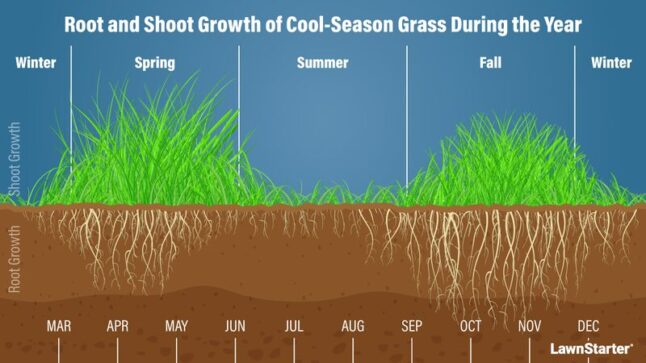
Credit: www.lawnstarter.com
Benefits Of Overseeding In Spring
Overseeding in springhelps make lawns thicker and fuller. It fills bare spots and makes grass grow close together. This improves lawn densityso it looks green and healthy.
New grass seeds bring fresh life to old lawns. They improve the health of the grassby adding strong, young plants. This also helps the lawn resist pests and dry weather better.
Thick grass from overseeding stops weeds from growing. Weeds find it hard to grow when grass is close and strong. This means fewer weeds and less work for you.

Credit: getlawnbright.com
When To Mow After Overseeding
After overseeding, wait until the grass reaches about 3 inches tallbefore mowing. Cutting too early can pull out new seedlings and harm growth. The ideal grass height for mowing is around 3 to 4 inches. Mow only the top third to avoid stressing young grass.
Signs your lawn is ready for mowing include seeing the new grass blades standing strong and the lawn looking evenly thick. Soil should feel dry enough to walk on without leaving footprints. Avoid mowing when the grass is wet to prevent damage.
- Wait 2 to 3 weeks after overseeding before mowing.
- Ensure grass height is at least 3 inches.
- Check if new grass looks healthy and firm.
- Make sure soil is dry, not muddy.
- Cut only the top third of grass blades.
Mowing Techniques Post-overseeding
Keep the mower blade highafter overseeding. Set the mower to the highest settingto avoid cutting new grass sprouts. This helps protect young grass from damage and stress.
Mow only when the grass is dry and not too tall. Grass should be about 3 to 4 inchesbefore the first cut. Cutting too soon can pull out seeds or young grass.
- Mow less oftenright after overseeding to let grass grow strong.
- Gradually increase mowing frequencyas grass thickens.
- Use a sharp bladeto avoid tearing new grass.
- Avoid heavy traffic on the lawn to prevent damage.
Patienceis key. Let grass establish before lowering mower height. This helps build a healthy, thick lawn.

Credit: ca.style.yahoo.com
Common Mistakes To Avoid
Cutting the lawn too soon after overseeding can harm new grass growth. Avoid mowing until seedlings are strong enough to handle it. Waiting helps seeds root well and ensures a healthy lawn.
Mowing Too Early
Mowing too soon can harm the new grass. The grass needs time to grow strong. Wait until it is at least 3 inches tall. This helps the roots grow deep and healthy. Patience is key for a lush lawn.
Cutting Grass Too Short
Short grass can stress the lawn. It may not get enough sunlight. Keep grass height at 3 inches for best health. Taller grass also fights weeds better. A healthy lawn is a happy lawn.
Using Dull Mower Blades
Dull blades tear the grass. Tearing can cause brown tips and weak plants. Use sharp blades for a clean cut. A clean cut helps the grass heal faster. Check and sharpen blades before mowing.
Additional Lawn Care Tips After Overseeding
Wateringis key after overseeding. Keep the soil moistbut not soggy. Water lightly 2-3 times a dayfor the first two weeks. Gradually reduce to once a day as grass sprouts. Early morning watering is best to avoid disease.
Use a balanced fertilizerto help new grass grow strong. Choose one high in phosphorusto boost root growth. Apply fertilizer about 4-6 weeksafter overseeding for best results. Avoid over-fertilizing, which can harm young grass.
Keep foot trafficlow on the lawn during seed germination. Walking on new grass can damageor kill young shoots. Use signs or barriers if needed to protect the area. Patience helps grass fill in fully.
Frequently Asked Questions
When Should I Mow After Overseeding In Spring?
Mow when grass reaches about 3 inches tall. This helps protect new seedlings and encourages strong growth. Avoid mowing too early to prevent uprooting young grass.
How Often Should I Mow After Overseeding?
Mow regularly, about once a week. Keep grass at a height of 2. 5 to 3 inches. Frequent mowing supports healthy turf development without stressing new seedlings.
Can Mowing Harm New Grass Seedlings?
Mowing too soon or too short can damage seedlings. Wait until grass is established before mowing. Use sharp mower blades and raise the cutting height to protect young grass.
Should I Adjust Mower Height After Overseeding?
Yes, raise the mower height to about 3 inches. Higher cutting height reduces stress on new grass. Gradually lower the mower height as grass matures.
Conclusion
Mowing your lawn after overseeding helps grass grow strong and healthy. Wait until new grass reaches about 3 inches tall before mowing. Use a sharp mower blade and cut only the top third of the grass. This keeps seeds safe and roots undamaged.
Regular mowing encourages thick, green grass and stops weeds. Patience pays off with a lush lawn by summer. Take care and enjoy your fresh, green yard soon.