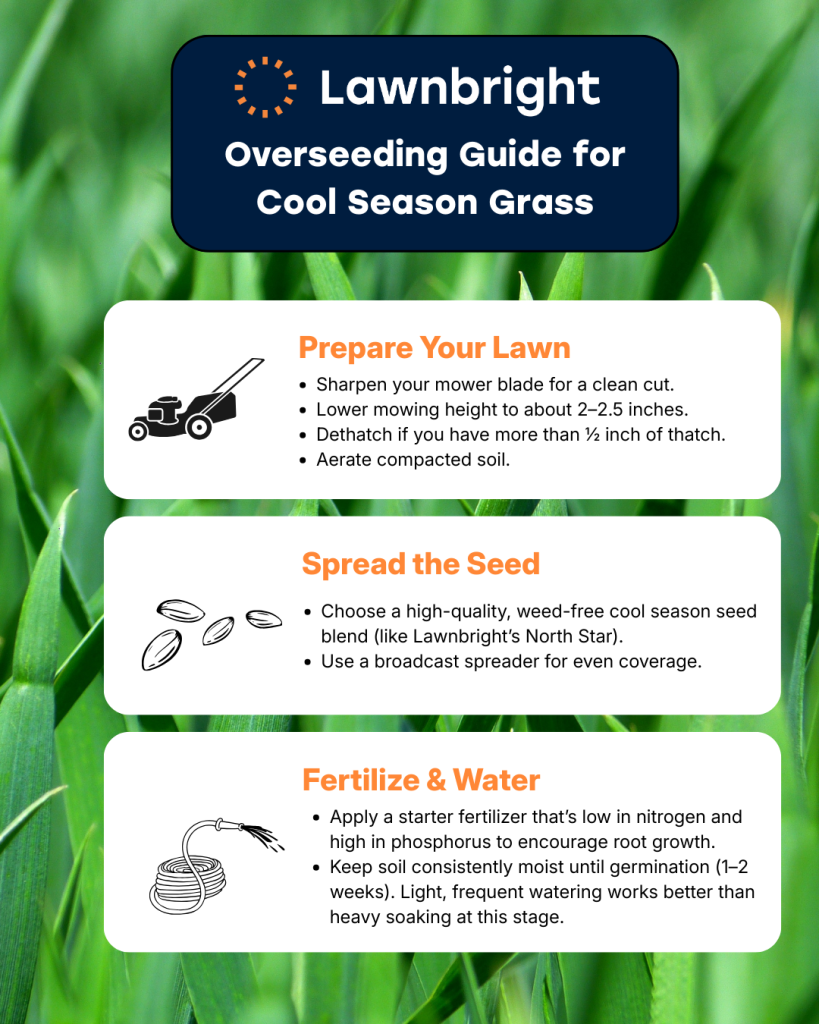
You’ve just overseeded your lawn this fall, and now you’re wondering—should you mow it or let it be? It’s a question that can make a big difference in how thick and healthy your grass grows next spring.
Mowing at the wrong time or in the wrong way might ruin all the hard work you’ve put in. But skipping mowing altogether could also cause problems. You’ll discover exactly when and how to mow after overseeding, so your lawn gets the best start possible.
Keep reading to make sure your yard looks lush and green when warmer weather arrives.
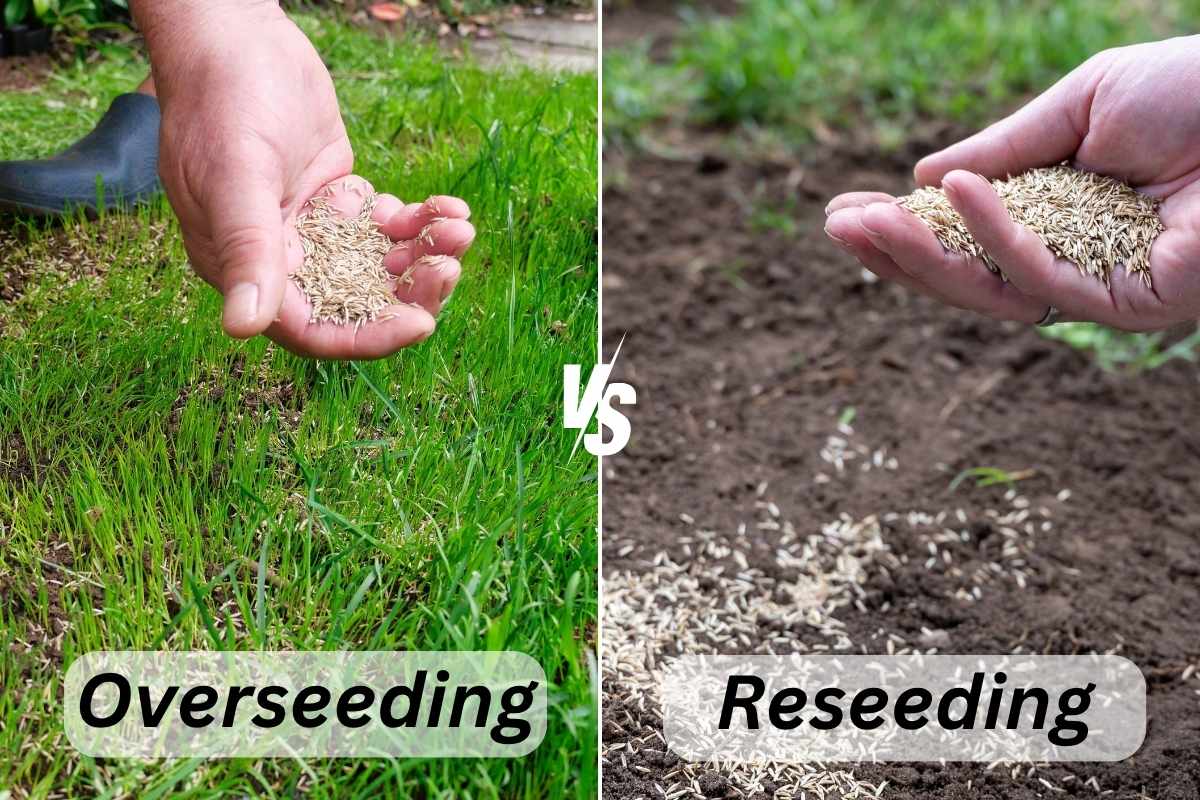
Credit: www.lawnstarter.com
Timing Your First Mow
Wait until the new grass shoots are at least 2 to 3 inches tall. This shows the grass has started to grow well. You should see a mix of new and old grass blades. The soil should be firm, not muddy or loose. Avoid mowing too early to protect young grass roots.
Keep grass at the right height after overseeding. Cutting too short can stress the grass. Let the grass grow to about 3 to 4 inches tall before the first mow. Then, trim it down to around 2.5 to 3 inches. This height helps grass stay healthy and strong.
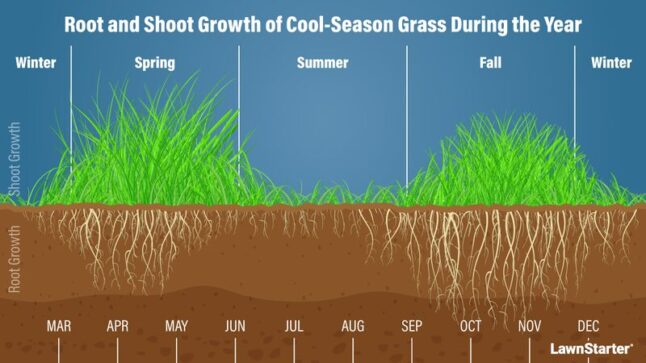
Credit: www.lawnstarter.com
Mowing Techniques After Overseeding
Set the mower blade height to a higher setting than usual. This helps protect the new seeds. A blade height of about 3 to 4 inches works well. Use a sharp blade to cut cleanly without pulling the grass. Mowing too short can damage the young grass blades.
Lower the mowing frequency during the first few weeks. This lets new grass grow strong and roots develop. Avoid mowing if the soil is wet to prevent seed displacement.
- Use a mower with a bagging feature to catch clippings.
- Choose a mower that moves slowly to avoid disturbing seeds.
- Do not rake the lawn after mowing to keep seeds in place.
- Keep the mower wheels clean to prevent seed spread to other areas.
Benefits Of Proper Mowing Post-overseeding
Mowing after overseedinghelps grass grow strong roots. Cutting grass short lets sunlight reach soil. This helps seeds sprout faster. It also stops weeds from taking over. Grass stays healthy and thick with proper mowing.
Reducing disease riskis important after overseeding. Tall grass traps moisture and can cause fungus. Mowing lowers grass height and improves air flow. This keeps grass dry and less likely to get sick. A clean lawn means fewer problems later.
Common Mistakes To Avoid
Mowing too soon can harm new grass. New seeds need time to grow. Wait two weeks before cutting. This helps the grass grow strong. Patience is key for a healthy lawn.
Grass should not be too short. Short grass can’t protect seeds. Taller grass shades and keeps seeds safe. Cut grass at a higher setting. This helps in keeping the lawn healthy.
Additional Care Tips For Fall Lawns
Keep the soil moist but not soggy to help seeds sprout. Water lightly twice a day for about two weeks. Once grass starts growing, water deeply once daily. This helps roots grow strong and deep. Avoid overwatering to stop seed rot or fungus growth.
Fertilize your lawn about four to six weeks after overseeding. Use a fertilizer with balanced nutrients like nitrogen, phosphorus, and potassium. This encourages healthy grass growth and helps new grass become strong. Avoid heavy fertilizers right after seeding, as they can harm young grass.
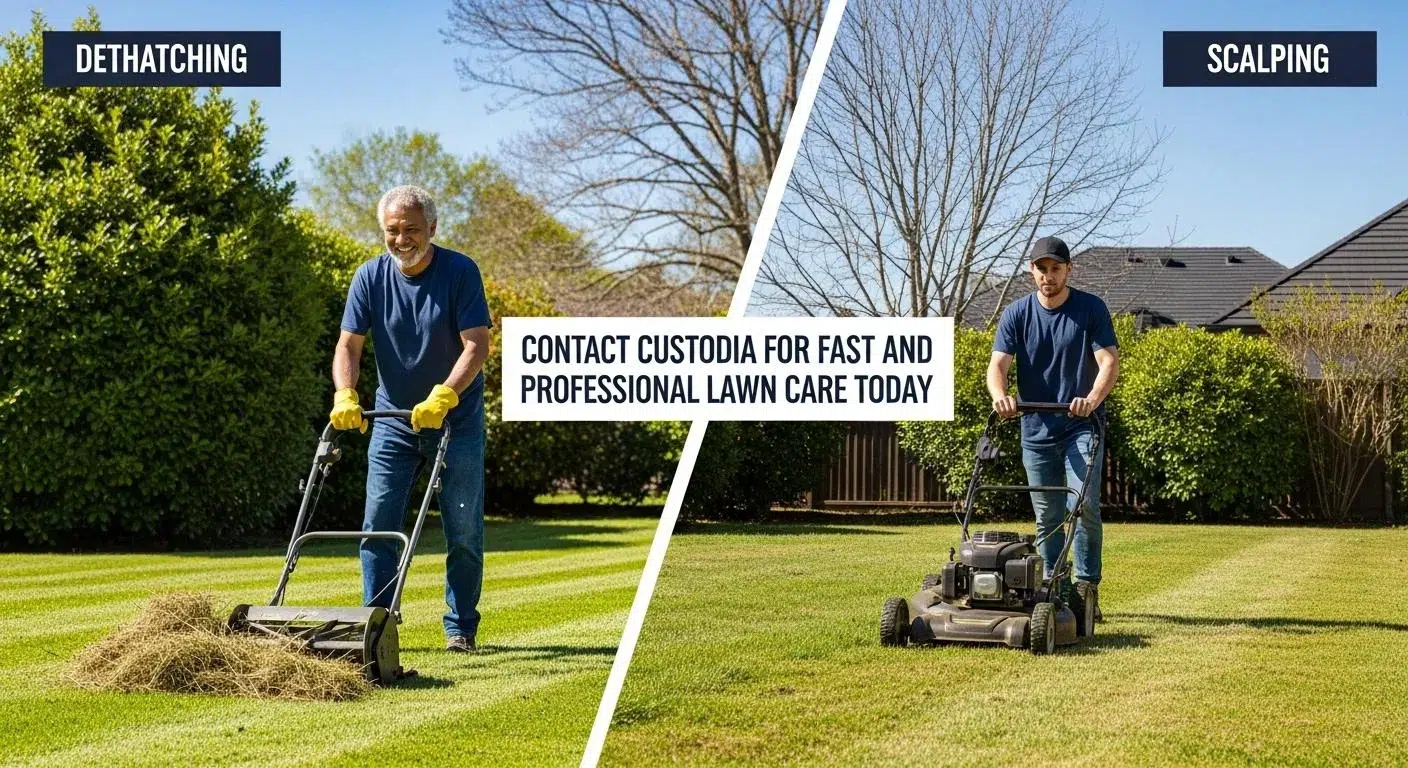
Credit: custodia.com
Frequently Asked Questions
Should I Mow My Lawn Immediately After Overseeding In Fall?
No, wait until new grass grows about 3 inches tall. This helps protect young seedlings. Mowing too early can damage new grass and slow growth.
How Often Should I Mow After Overseeding In Fall?
Mow once the grass reaches 3 inches tall. Keep the mower blade sharp and set high. Mowing frequency depends on growth speed, usually every 7-10 days.
What Mower Height Is Best After Overseeding?
Set mower blades to 3 inches or higher. Taller grass protects seeds and encourages deep root growth. Avoid cutting more than one-third of the grass height.
Can Mowing Too Soon Harm Overseeded Grass?
Yes, mowing too soon can uproot young seedlings. It stresses new grass and slows establishment. Wait until grass is strong enough before mowing.
Conclusion
Mowing your lawn after overseeding in fall needs care. Wait until grass grows taller before cutting. Cutting too soon can harm new seeds. Keep mower blades sharp and set high. This helps protect young grass and soil. Water regularly and avoid heavy foot traffic.
Healthy lawn growth takes patience and gentle care. Follow these tips to see strong grass next spring. Your lawn will thank you with lush, green beauty.





