Have you ever wondered what to do with your grass clippings after mowing? You might think bagging and tossing them is the only way, but leaving them on your lawn could be a simple step toward sustainability.
What if this small choice could save you time, reduce waste, and help your grass grow healthier? You’ll discover why leaving grass clippings behind might be better for your lawn and the environment—and how easy it is to make this change.
Keep reading to find out how you can turn your mowing routine into a green habit.
Benefits Of Leaving Grass Clippings
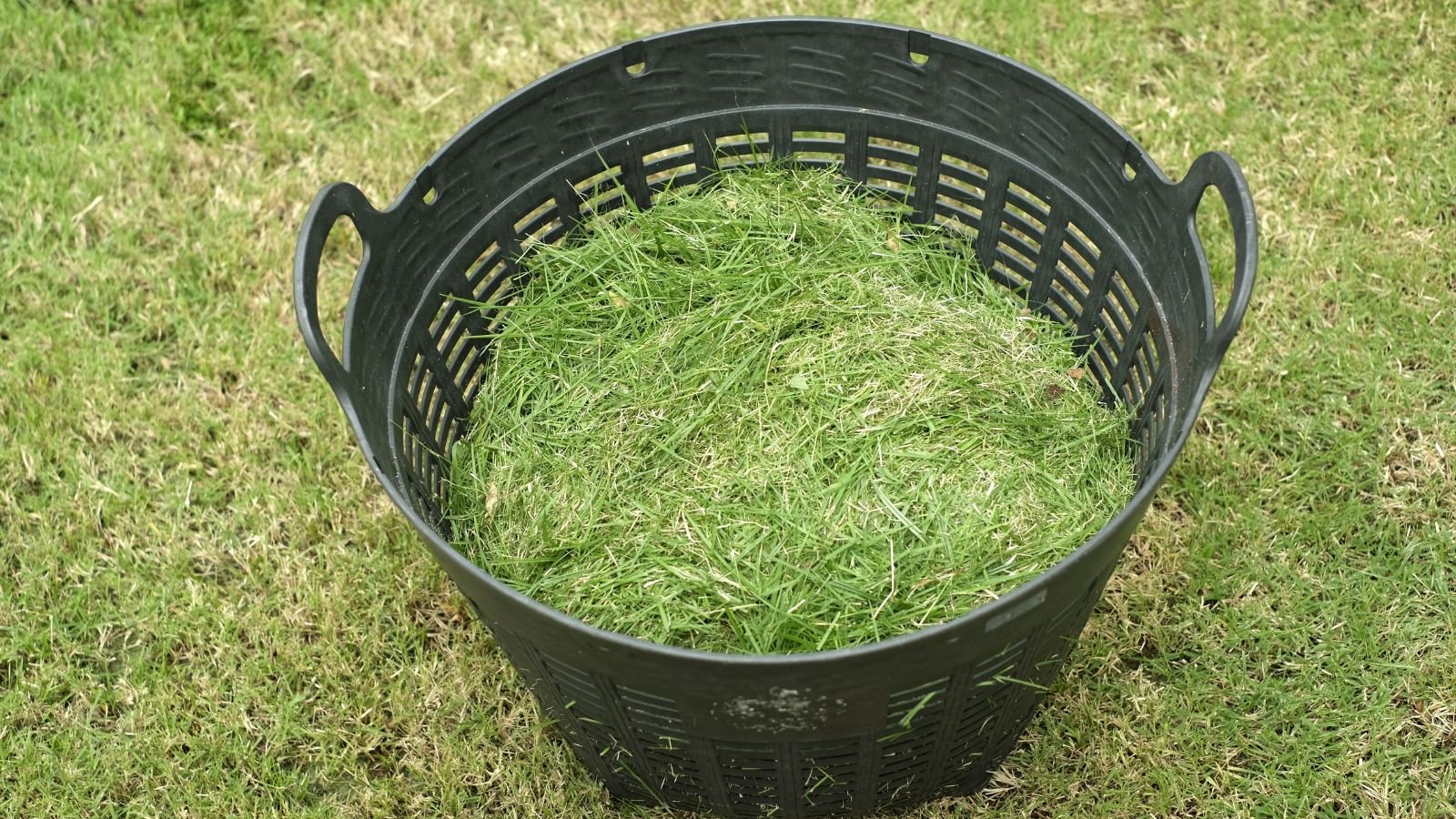
Leaving grass clippingson the lawn helps recycle nutrients. The clippings break down and return important mineralslike nitrogen back to the soil. This process supports healthier grass growthwithout extra fertilizers.
Clippings also help the soil hold more moisture. They act as a natural mulch, reducing water loss and keeping the lawn hydrated longer. This can save water and keep grass green in dry weather.
By leaving clippings, you create less yard waste. This reduces the need for bagging and hauling, which is better for the environment. It also cuts down on landfill useand lowers carbon emissionsfrom transport and disposal.
Credit: www.epicgardening.com
Impact On Lawn Health
Leaving grass clippings on the lawn helps boost soil quality. The clippings break down and return nutrients like nitrogenback to the soil. This natural process improves soil structureand retains moisture, making grass healthier and stronger.
- Weed suppression:Grass clippings create a thin layer that blocks sunlight from reaching weed seeds. This helps to reduce weed growthwithout chemicals.
- Disease prevention:Removing clippings can spread diseases by moving infected grass around. Leaving clippings reduces this risk by keeping the grass healthier.
Environmental Advantages
Leaving grass clippings on the lawn helps reduce the carbon footprint. Clippings break down naturally, returning nutrients to the soil. This process lowers the need for chemical fertilizers, which take energy to make.
Less grass in the trash means less landfill usage. Grass clippings decompose quickly and do not take up space in landfills. This helps reduce methane gas, a harmful greenhouse gas from waste.
Grass clippings support biodiversityby providing food and shelter for insects and small animals. Healthy soil with natural mulch encourages strong plant growth. This creates a better environment for many living things.
Credit: ezypeazy.co.nz
When Not To Leave Clippings
Grass clippings can create large clumps. These clumps can smother the grass underneath. This blocks sunlight and air. Grass needs sunlight and air to grow healthy. Too many clippings can harm your lawn. Always spread clippings evenly.
Grass clippings can carry weed seeds. These seeds can grow into new weeds. Weeds can take over your lawn. They compete with grass for nutrients. This can weaken your grass over time. Be careful if your lawn has many weeds.
Pesticides can stick to grass clippings. Clippings with pesticides can harm beneficial insects. They can also contaminate soil and water. It’s important to collect clippings after pesticide use. This keeps your lawn and environment safe.
Best Practices For Grass Clipping Management
Cut grass often to keep clippings small. Small clippings dry faster and break down easily. Use sharp mower blades for clean cuts. Clean cuts help grass heal quickly.
Spread clippings evenly across the lawn. Avoid thick piles that can smother grass. Thin layers of clippings add nutrients back to soil.
| Mulching Mowers | Benefits |
|---|---|
| Cut grass into fine pieces | Speeds up decomposition |
| Return clippings directly to lawn | Reduces need for fertilizer |
| Reduce lawn waste | Supports sustainability |

Credit: www.youtube.com
Alternatives To Leaving Clippings
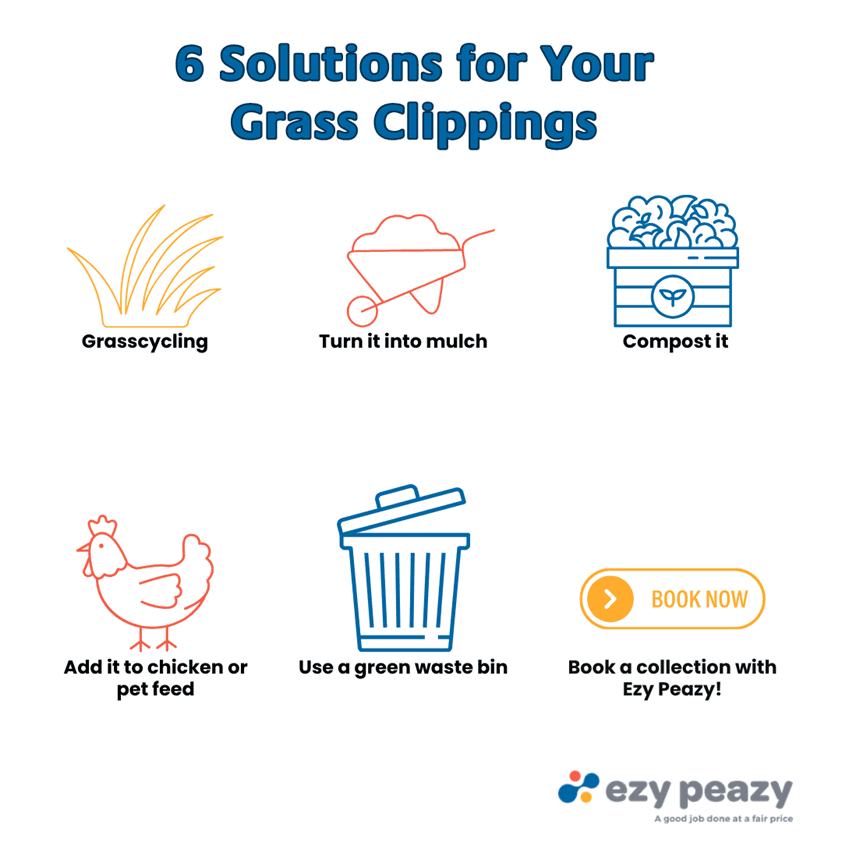
Composting grass clippingsturns them into rich soil for your garden. It helps reduce waste and feeds plants naturally. Keep the clippings dry and mix with other garden waste. Stir often to speed up the process.
Using grass clippings as mulchsaves water and controls weeds. Spread a thin layer around plants to keep moisture in the soil. Mulch also cools roots and protects against soil erosion.
Grass clippings for animal feedcan be a good option if free of chemicals. Many farm animals enjoy fresh clippings. This reuse supports sustainable farming by reducing feed costs.
Eco-friendly Lawn Care Tips
Leaving grass clippingson your lawn helps keep soil moist. It reduces the need for extra watering. Grass clippings break down fast and add natural nutrientsto the soil. This means less use of chemical fertilizers.
Using organic fertilizerslike compost or manure supports healthy soil life. These fertilizers release nutrients slowly, which is better for plants. They also reduce pollution risks compared to synthetic options.
Integrated Pest Management(IPM) uses natural ways to control pests. It avoids heavy use of pesticides. This method keeps bugs in check while protecting beneficial insects and the environment.
| Tip | Benefit |
|---|---|
| Water Conservation | Keeps soil moist; lowers water use |
| Organic Fertilizers | Feeds soil naturally; safer for environment |
| Integrated Pest Management | Controls pests; protects useful insects |
Frequently Asked Questions
What Are The Benefits Of Leaving Grass Clippings?
Leaving grass clippings returns nutrients like nitrogen to the soil. It reduces the need for fertilizers and conserves water. This practice supports healthy lawn growth and promotes sustainability by minimizing waste and enhancing soil quality naturally.
Does Leaving Grass Clippings Reduce Lawn Waste?
Yes, leaving clippings decreases lawn waste significantly. It eliminates the need for bagging and disposal, lowering landfill contributions. This eco-friendly approach helps reduce carbon footprint and supports sustainable lawn care by recycling organic material back into the grass.
Can Grass Clippings Harm My Lawn If Left?
No, healthy grass clippings do not harm lawns. They decompose quickly, providing essential nutrients. However, clippings from diseased or treated grass should be removed to prevent spreading issues and maintain lawn health.
How Do Grass Clippings Improve Soil Quality?
Grass clippings add organic matter to the soil, enhancing its structure. They increase microbial activity and moisture retention, which supports root growth. This natural fertilization improves soil fertility sustainably, reducing the need for chemical inputs.
Conclusion
Leaving grass clippings on your lawn helps nature stay healthy. The clippings add nutrients back to the soil. This means less need for extra fertilizer. It also saves time and effort in cleaning up. Grass clippings break down quickly and do not harm your lawn.
Small changes like this support a greener planet. Try it and see your lawn grow strong and green. Simple steps make a big difference in sustainability. Why not start today?