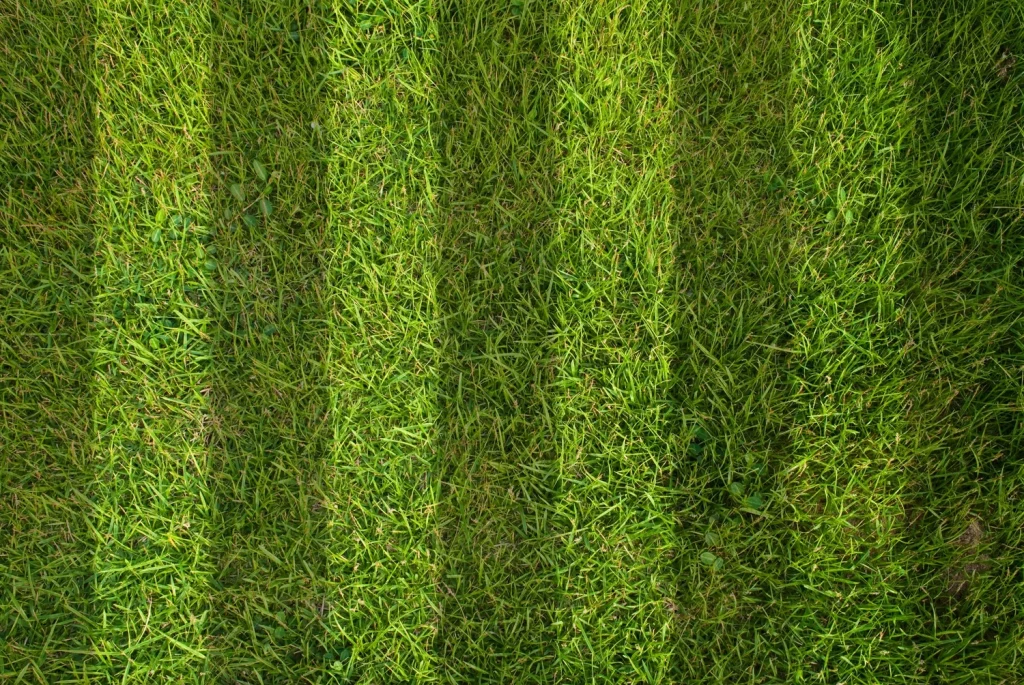
Are you dreaming of a lawn that looks like a professional sports field, with crisp, bold stripes that catch everyone’s eye? Before you grab your mower and start striping, there’s an important question you need to ask: should you fertilize your lawn first?
The answer can make a huge difference in how your grass grows, how vibrant those stripes appear, and how healthy your lawn stays all season long. You’ll discover why fertilizing before striping might be the secret to a lawn that not only looks amazing but stays strong and green.
Keep reading to learn the simple steps that can transform your yard into the envy of the neighborhood.

Credit: www.reddit.com
Benefits Of Fertilizing Before Striping
Fertilizing before stripinghelps make your lawn healthier. It gives grass the nutrients needed for strong roots and green leaves. Strong grass stands tall and looks better when striped.
Better color and texturecome from good fertilization. Grass turns a deep green, making stripes stand out more. A smooth, soft texture also appears, enhancing the lawn’s look.
- Fertilizer boosts growth, helping grass grow evenly.
- Clear stripes show up because grass is thick and healthy.
- Helps grass recover quickly from mowing and striping stress.

Credit: www.reddit.com
Timing Fertilization For Best Results
Fertilizing at the right timehelps your lawn grow strong and green. The best seasonsto fertilize are spring and fall. In spring, fertilizer supports new grass growth. In fall, it helps roots store food for winter.
Fertilizer timing affects stripingbecause healthy grass bends more easily. This bending creates the striped patternson the lawn. Fertilize too late, and the grass may not grow enough for clear stripes. Fertilize too early, and the grass might grow too fast, hiding the stripes.
- Apply fertilizer 2-3 times a yearfor best results.
- Too much fertilizer can harm your grass.
- Stick to recommended amounts on the fertilizer package.
- Water your lawn after fertilizing to help nutrients soak in.
Choosing The Right Fertilizer
Choosing the right fertilizer is key for a healthy, striped lawn. Different fertilizers supply essential nutrients that help grass grow strong and green. Nitrogen (N), phosphorus (P), and potassium (K) are the main nutrients to check on fertilizer labels.
| Nutrient | Role in Lawn Health | Importance for Striping |
|---|---|---|
| Nitrogen (N) | Helps grass grow fast and green | Creates rich color that shows striping well |
| Phosphorus (P) | Supports root development | Strong roots improve lawn health and uniformity |
| Potassium (K) | Increases resistance to stress and disease | Keeps grass healthy for better striping patterns |
Fertilizers come in two main types: organicand synthetic. Organic fertilizers release nutrients slowly and improve soil health. Synthetic fertilizers act fast and show quick results but may need careful use. Choose based on your lawn’s needs and your preference for natural or quick feeding.

Credit: www.reddit.com
Preparing Your Lawn Before Fertilizing
Preparing your lawn before fertilizing helps ensure even nutrient absorption. Mowing and removing debris creates a smooth surface, making striping easier and more visible. Fertilize only after the lawn is clean and dry for the best results.
Cut the grass to the right height. This helps the lawn breathe. Remove leaves, sticks, and trash. A clean lawn helps fertilizer work better. Mowing also keeps pests away. Test the soil to know what it needs. Checking pH balance is important. Some soils are too acidic. Others might be too basic. Balanced soil helps grass grow strong. Water the lawn early in the morning. This helps the water soak in. Do not make the lawn too wet. Wet lawns can cause problems. Grass needs just enough water to grow healthy. `Common Mistakes To Avoid
Over-fertilizingcan harm your lawn. Too much fertilizer causes burns and weak grass. It also leads to excess growth, making striping harder.
Each lawn typeneeds a different fertilizer. Climate affects how fast grass grows and absorbs nutrients. Using the wrong fertilizer can damage your grass.
Soil preparation is a key step. Poor soil reduces fertilizer effectiveness. Testing soil helps find nutrient gaps. Skipping this step may cause uneven growthand poor striping results.
Expert Tips For Effective Lawn Striping
Set mower blades to the right height for clear stripes. Use a roller or striping kit to bend grass blades. Mow in straight lines for a neat look. Change direction each mowing for even growth.
Keep stripe width and spacing the same every time. Overlapping stripes can blur the pattern. Grass should be dry for sharp stripes. Mow at a steady speed to maintain consistency.
Fertilize lawn a few days before striping for healthy grass. Strong grass bends better, showing stripes clearly. Combine watering, mowing, and fertilizing for best results. Avoid fertilizing immediately before mowing to prevent clumping.
Frequently Asked Questions
Should I Fertilize My Lawn Before Striping?
Yes, fertilizing before striping promotes healthy grass growth and enhances stripe visibility. Fertilizer strengthens the lawn, making stripes clearer and more vibrant.
What Type Of Fertilizer Is Best Before Striping?
Use a balanced, slow-release fertilizer with nitrogen, phosphorus, and potassium. This supports steady growth and improves grass color for better stripe definition.
How Long Before Striping Should I Fertilize?
Fertilize your lawn 7 to 14 days before striping. This allows nutrients to absorb and grass to grow evenly for clear striping patterns.
Can Fertilizing Before Striping Damage The Lawn?
No, proper fertilizing improves lawn health and stripe quality. Avoid over-fertilizing to prevent burning or uneven growth that could affect striping.
Conclusion
Fertilizing your lawn before striping helps grass grow strong and green. It provides essential nutrients that improve color and texture. Striping looks best on healthy, thick grass. Avoid fertilizing too late to prevent burn or damage. A balanced approach keeps your lawn vibrant and striped.
Try to fertilize a few days before striping for best results. Healthy grass makes your yard look neat and well cared for. Simple steps like this make a big difference in lawn care.